
Anxiety is one of the most common mental health challenges today. Whether you’re dealing with constant worry, racing thoughts, or trouble sleeping, your nervous system may be in overdrive. The good news? Certain magnesium supplements can help you feel calm, grounded, and better able to handle life’s stress.
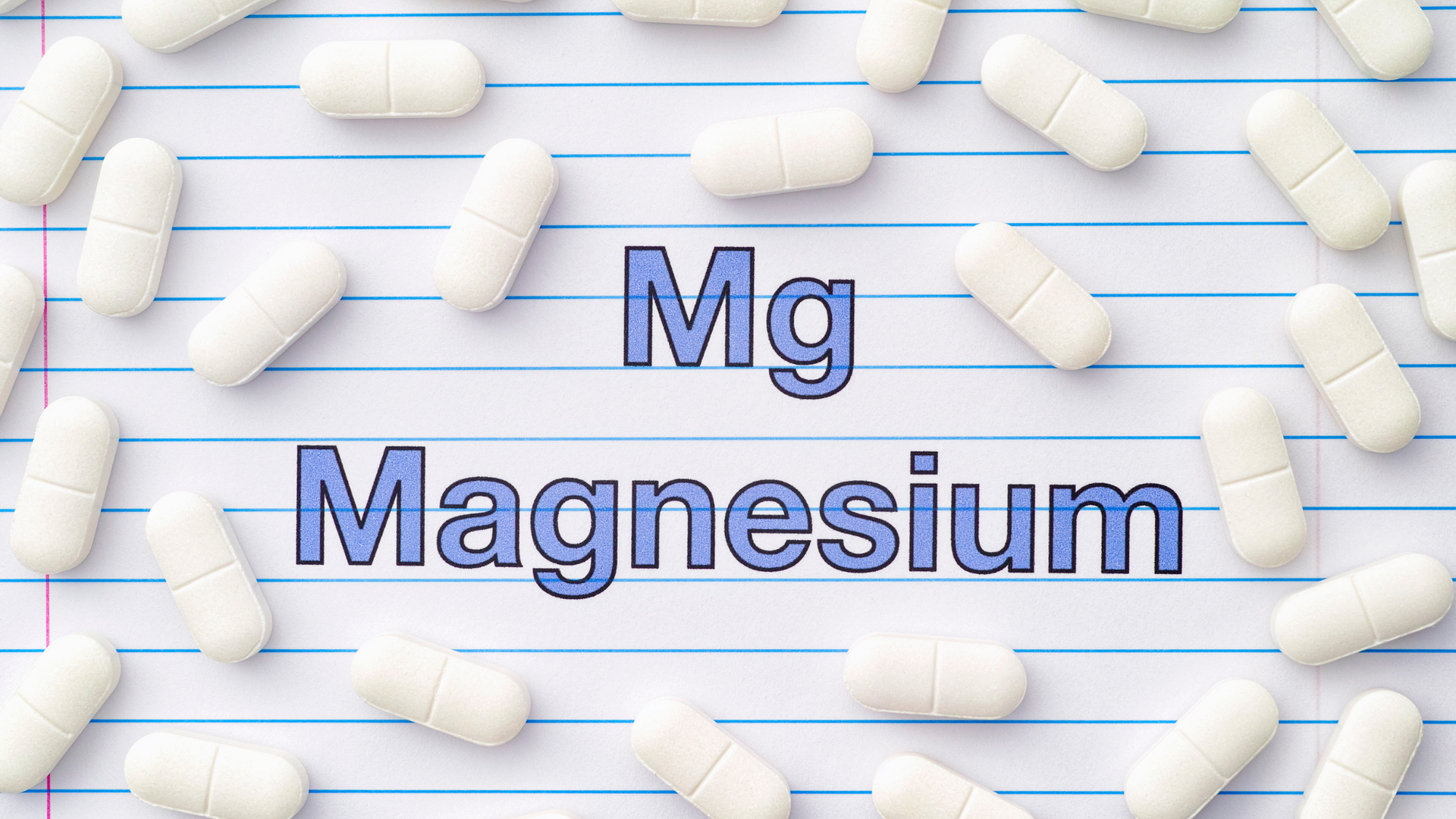
But here’s the key: not all types of magnesium are created equal. Understanding which forms of magnesium are best for anxiety, and how they work is essential if you want real results. In this guide, we’ll explore the best magnesium for anxiety, how it supports the body, and what to look for in a supplement.
Why Magnesium Matters for Anxiety Relief
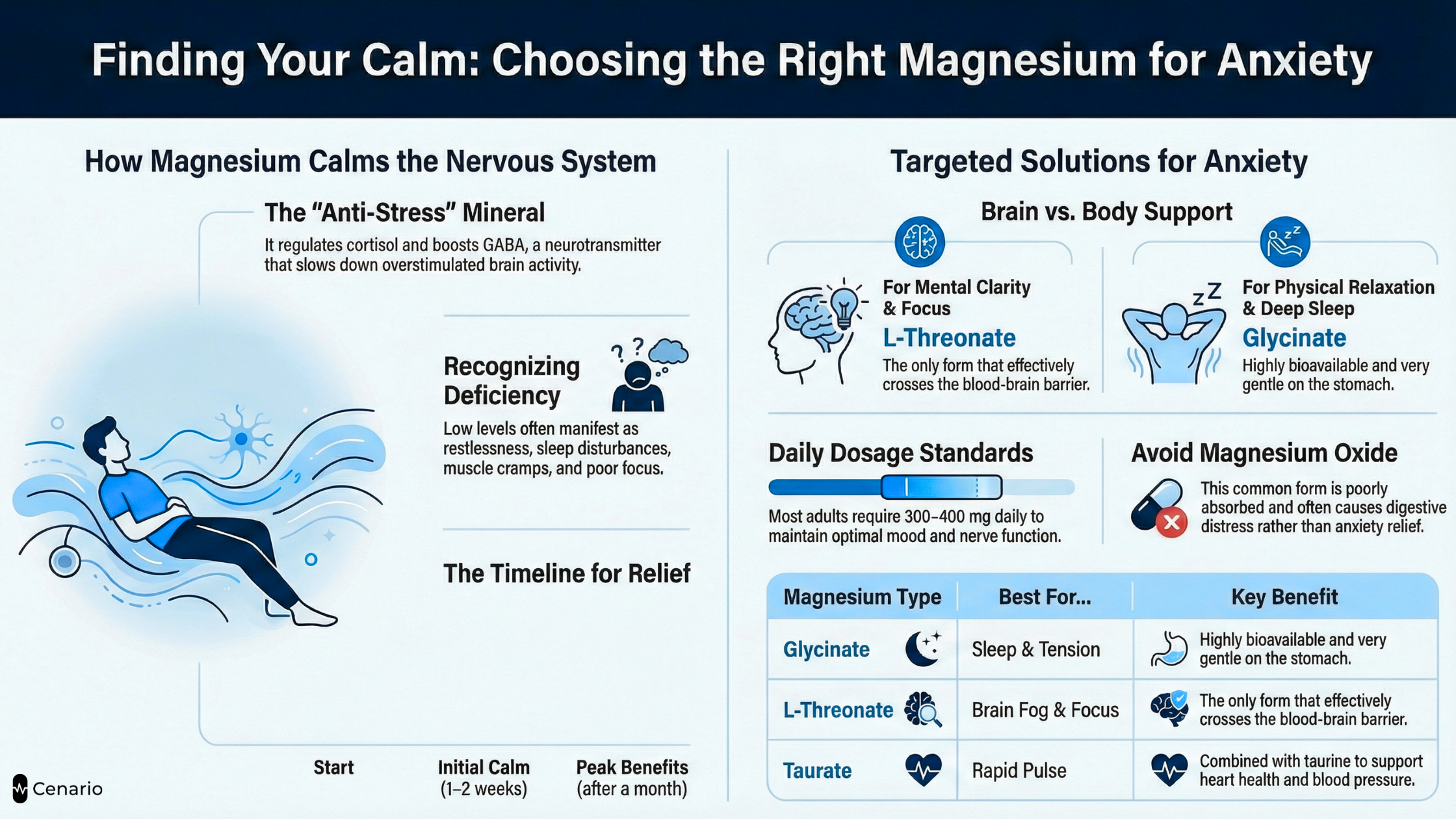
Magnesium plays a critical role in over 300 enzyme reactions in the body, especially those involved in mental health, sleep, and mood balance. It helps regulate stress hormones like cortisol and supports the production of gamma aminobutyric acid (GABA), a calming neurotransmitter that slows down brain activity and reduces overstimulation.
Low magnesium levels can lead to:
- Restlessness and tension
- Sleep disturbances
- Poor focus and mood swings
- Muscle cramps and fatigue
- Elevated high blood pressure
This is why a magnesium deficiency can directly worsen symptoms of anxiety and stress.
Top 5 Types of Magnesium for Anxiety
Let’s break down the most effective types of magnesium to help you feel calm, relaxed, and mentally clear:
1. Magnesium Glycinate
Best for: Deep relaxation, anxiety relief, and better sleep
- Magnesium glycinate is bound to glycine, an amino acid known for its calming effects.
- This form is gentle on the stomach and highly bioavailable.
- It supports GABA activity in the brain and helps lower stress hormones.
- Ideal if anxiety disrupts your sleep or causes physical tension.
2. Magnesium L-Threonate
Best for: Cognitive support and brain-related anxiety
- This unique form crosses the blood-brain barrier, improving memory and learning.
- Enhances mental clarity while reducing anxiety-related brain fog.
- Helps restore optimal magnesium levels in brain tissue.
3. Magnesium Taurate
Best for: Supporting heart health and calming the nervous system
- Combines magnesium with taurine, an amino acid that helps support heart health and regulate heartbeat.
- Excellent for those experiencing anxiety with a rapid pulse or high blood pressure.
4. Magnesium Citrate
Best for: General anxiety relief and digestive health
- Magnesium citrate is easily absorbed and helps maintain regular bowel movements.
- A great option if anxiety causes stomach tension or irregular digestion.
- Note: Higher doses may have a laxative effect.
5. Magnesium Malate
Best for: Anxiety with fatigue or low energy
- Combines magnesium with malic acid, which boosts energy production.
- Great for people feeling both anxious and exhausted.
- May also help with chronic pain or muscle tension.
Avoid Magnesium Oxide: While common and inexpensive, magnesium oxide is poorly absorbed and often causes digestive discomfort. It’s not ideal for anxiety support.
How Much Magnesium Do You Need?
The recommended daily intake of magnesium varies by age and gender, but most adults need around 300–400 mg per day. People with anxiety or chronic stress may benefit from slightly higher levels, always consult your healthcare provider before supplementing.
Magnesium-Rich Foods for Natural Support
In addition to supplements, increase your intake of magnesium-rich foods like:
- Spinach and leafy greens
- Almonds and pumpkin seeds
- Avocados
- Dark chocolate
- Whole grains
- Black beans
These foods help maintain healthy magnesium levels and support overall well-being.
Final Thoughts: Choose the Right Magnesium for You
The right magnesium supplements can be a game-changer for anyone struggling with anxiety. Whether you’re managing day-to-day stress, battling sleepless nights, or seeking better focus, there’s a form of magnesium that can help.
Start with magnesium glycinate or magnesium threonate for best results, and always combine it with a healthy lifestyle and a balanced diet full of magnesium-rich foods.
Not sure which magnesium is right for you?
Take the quiz to get a personalized supplement recommendation designed to match your unique needs, symptoms, and health goals.
Frequently Asked Questions
1. Can magnesium really reduce stress and anxiety?
Yes! Magnesium helps regulate stress hormones and supports the calming neurotransmitter gamma aminobutyric acid (GABA). It helps the nervous system relax, making it effective in reducing both physical and mental symptoms of anxiety.
2. What’s the best form of magnesium for anxiety and sleep?
Magnesium glycinate is the most recommended form for anxiety-related sleep problems. It promotes relaxation without causing digestive issues and has a direct impact on GABA production in the brain.
3. How long does it take for magnesium supplements to work for anxiety?
Many people notice improvements in 1–2 weeks, but consistent use over 3–4 weeks offers the best results. Remember, magnesium works gradually and is most effective when combined with other healthy habits and proper nutrition.
– – –