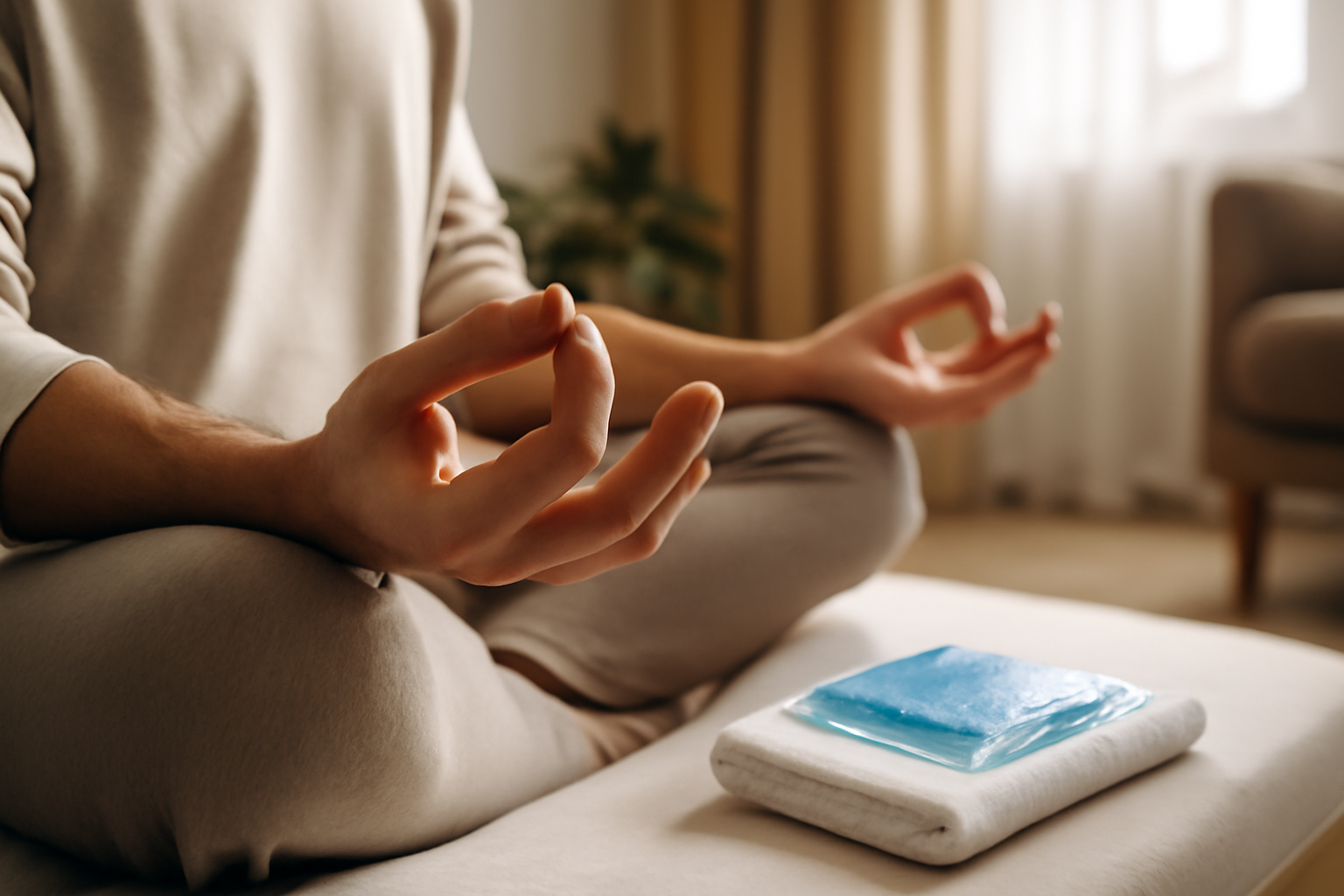

Boost Your Wellbeing: Top Vagus Nerve Exercises Revealed explores simple ways to calm your nervous system and manage daily stress.
The vagus nerve acts like a superhighway between the brain and body, carrying signals that switch the body from fight-or-flight to rest-and-digest. Strengthening that connection can make stress feel more manageable, improve mood, and support overall mental and physical health.
Why Vagus Nerve Health Matters
The vagus nerve is a core regulator of the parasympathetic nervous system. When it functions well, heart rate variability improves, inflammation can decrease, and the body returns to a calmer baseline faster after stress. That baseline helps with mood regulation, clearer thinking, better sleep, and reduced anxiety. Because of these effects, interest in vagus nerve exercises has grown among people looking for non-invasive, low-cost ways to boost resilience.
Who Can Benefit
Most people who feel frequently stressed, experience anxiety, or want better recovery from exercise can try these methods. Busy professionals, parents, and anyone seeking simple at-home routines often find quick benefits. These practices are not a substitute for medical care, but they pair well with therapy, medications, or fitness programs.
What This Post Will Cover
In the sections that follow we will outline practical, research-informed techniques you can do daily. Each method is chosen for accessibility and proven impact on vagal tone.
- Breathing Methods — diaphragm-focused breathing and paced patterns like 4-7-8 to slow the heart rate and engage the vagus nerve.
- Cold Exposure — quick, controlled cold stimulation such as cool showers or an ice pack to trigger a calming reflex.
- Physical Activity — how moderate cardio and interval work support cardiorespiratory vagal stimulation and mood.
- Yoga And Simple Movement — gentle poses, twists, and mindful movement that encourage parasympathetic activation.
- Vocal And Touch Practices — humming, soft tone exercises, and gentle neck massage as easy daily tools.
These vagus nerve exercises are designed for everyday use and require minimal time or equipment. Later sections will explain how each practice works, offer step-by-step guidance, and note safety tips for beginners. If you manage workplace wellness or run a team program, consider how brief group sessions could fit into your schedule. For more ideas on integrating stress reduction into work routines, visit Cenario or explore related posts on the Cenario blog.
Understanding Vagal Tone And How It Works
Vagal tone describes how effectively the vagus nerve communicates with the heart, lungs, and digestive system. Higher vagal tone is linked to better heart rate variability, lower inflammation, and a faster return to a calm state after stress. Improving vagal tone through targeted vagus nerve exercises helps the body shift into the parasympathetic state more easily, which supports mood, sleep, and recovery.
Physiology In Plain Terms
The vagus nerve carries signals that slow the heart and encourage digestion and repair. When you do breathing, cold exposure, movement, or vocal practices, you activate sensory fibers that feed into brain centers controlling stress responses. Over time, consistent stimulation can strengthen that bidirectional signaling and change baseline physiology in measurable ways.
Effective Vagus Nerve Exercises You Can Do Today
Below are practical methods, with short step-by-step cues and a note on how they influence vagal tone. These vagus nerve exercises are simple enough for busy schedules and can be combined for greater effect.
Diaphragmatic Breathing
Why it helps: Deep belly breathing increases parasympathetic output and raises heart rate variability.
- How to do it: Sit or lie comfortably. Place one hand on your chest and one on your belly. Inhale through the nose for four seconds, feeling the belly rise. Exhale slowly through pursed lips for six to eight seconds. Repeat for 5 minutes.
- Tip: Keep the chest relatively still; focus on expanding the diaphragm.
4-7-8 Breathing For Quick Calm
Why it helps: A paced pattern slows the heart and reduces anxiety by lengthening exhalation.
- How to do it: Inhale for 4 seconds, hold for 7 seconds, exhale gently for 8 seconds. Repeat 4 cycles. Use when you need fast stress reduction.
Cold Exposure And The Mammalian Diving Reflex
Why it helps: A brief cold stimulus on the face or neck triggers a reflex that slows heart rate and increases vagal activity.
- How to do it: Splash cool water on your face, use a wet towel, or apply an ice pack to the neck for 20 to 30 seconds. Start with mild cooling and build tolerance.
- Note: Avoid prolonged exposure and stop if you feel lightheaded.
Physical Exercise And Interval Training
Why it helps: Moderate aerobic activity and interval sessions improve cardiorespiratory fitness and vagal tone. The CDC recommends about 150 minutes of moderate cardio weekly for general health; even shorter, regular sessions help vagal function.
- How to use it: Aim for brisk walks, cycling, or 20 to 30 minutes of interval training three times a week. Pairing exercise with breathing work can amplify benefits.
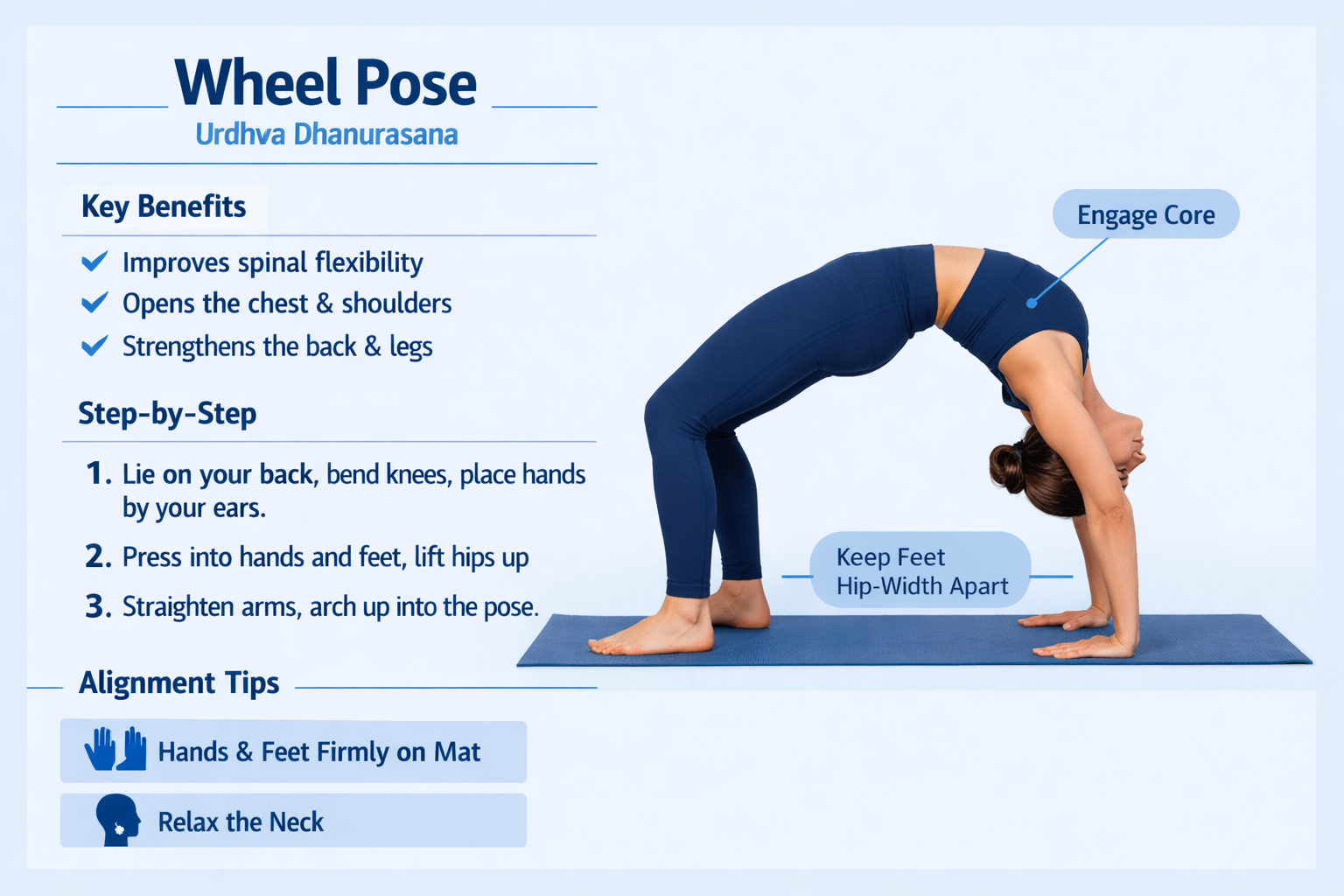
Yoga, Twists, And Gentle Movements
Why it helps: Poses that compress and release the abdomen or involve forward folds and gentle twists stimulate visceral afferents and promote relaxation.
- How to do it: Try seated spinal twists, forward folds, and supported bridge pose for 5 to 10 minutes daily. Move slowly and coordinate with breath.
Vocal Practices And Gentle Touch
Why it helps: Humming, chanting, and soft throat sounds vibrate structures near the vagus nerve and can increase parasympathetic output.
- How to do it: Hum for 30 to 60 seconds, or practice gentle neck massage and slow shoulder rolls to reduce tension.
Scientific Insights And Practical Takeaways
Research shows that combining stimulation methods can produce measurable gains in fitness and vagal function. For example, a recent clinical trial reported that short daily transcutaneous vagus nerve stimulation plus aerobic exercise improved VO2peak and work capacity compared with sham. That finding supports the idea that vagus stimulation enhances cardiorespiratory adaptation rather than replacing standard training.
Practical routine example: 5 minutes diaphragmatic breathing in the morning, 20 to 30 minutes moderate cardio midday or evening, a 30 second cold face wash after exercise, and 5 to 10 minutes of gentle yoga or humming before bed. Consistency matters more than intensity.
Not sure which solution fits your symptoms? Take the anxiety quiz and discover what works best for you.
Additional tips for beginners
Once you know the core practices, the next step is safe, steady integration. These suggestions help you get results without overdoing it and make vagus nerve exercises part of a realistic daily routine.
Start small and build slowly
- Begin with 2 to 5 minutes per session for breathing or humming. Add time as you feel comfortable.
- Limit cold exposure to short bursts, such as 15 to 30 seconds on the face or neck, until you know how your body responds.
- For movement and yoga, aim for 5 to 10 minutes daily rather than long sessions if you are new to exercise.
Safety checkpoints to watch
- If you feel dizzy, lightheaded, or faint during breathing or cold water exposure, stop and rest. These are signs you may be overstimulating vagal reflexes.
- People with heart rhythm disorders, severe bradycardia, recent cardiac events, or implanted cardiac devices should consult a clinician before trying vigorous vagal stimulation.
- Avoid deep neck pressure or aggressive massage over the carotid sinus region. If you have carotid artery disease, recent stroke, or uncontrolled high blood pressure, seek medical clearance.
How to combine techniques for better results
Combining short practices often gives more benefit than one long session. Try these simple pairings:
- Morning: 3 minutes diaphragmatic breathing to set a calm baseline.
- Midday break: 2 minutes of humming followed by a brief walk or light cardio to keep vagal tone elevated.
- After exercise: 20 to 30 seconds of cool face splash or neck cooling to support recovery.
Measure progress without overcomplicating things
You do not need fancy devices to see change. Use simple, repeatable markers:
- Resting heart rate over weeks. A modest downward trend can reflect improved vagal influence.
- Sleep quality and how refreshed you feel in the morning.
- Subjective stress scores using a short daily journal entry or a simple 1 to 10 scale.
Making vagus nerve exercises work at work
For busy professionals or team programs, micro-routines are easiest to adopt. Examples include a 60 second breathing reset between meetings, a 2 minute humming break before presentations, or a five minute guided group stretch at lunch. These practices can be framed as mental fitness tools that improve focus and resilience.
When to pause and seek help
If you notice persistent lightheadedness, fainting, palpitations, or sudden changes in blood pressure after practicing vagus nerve exercises, stop and contact a healthcare professional. Always check with your doctor if you have chronic medical conditions, are pregnant, or take medications that affect heart rate.
You can also explore more guides here:
Anxiety
Final thoughts and next steps
Vagus nerve exercises are low-cost, accessible ways to reduce stress and improve recovery when used safely and consistently. Start with brief, manageable sessions, track small changes, and adapt routines to fit work and home life. Over time, these simple practices can strengthen parasympathetic regulation and make daily stress easier to handle.
You don’t have to figure this out alone. Take the quiz and get personalized guidance today.
Ready to try a short daily plan? Pick two brief practices you can do for one week and note how you feel. If you want help designing a workplace program or need tailored guidance, explore resources on the Cenario blog.
Frequently asked questions
How long should a daily vagus nerve exercises routine be?
Start with 5 to 10 minutes total per day and increase gradually. Short, consistent sessions of vagus nerve exercises are more effective than occasional long ones for building lasting vagal tone.
Can children try vagus nerve exercises?
Gentle practices like diaphragmatic breathing, humming, and light movement are generally safe for children, but always check with a pediatrician first. Tailor vagus nerve exercises to a child’s attention span and comfort level.
Will I notice changes quickly from vagus nerve exercises?
Some people feel immediate calm after a single session, but meaningful changes in baseline stress and heart rate variability usually take weeks of consistent practice. Consistency with vagus nerve exercises yields the best long-term results. If you’d like a broader overview of the vagus nerve’s role in wellbeing, see this explainer.