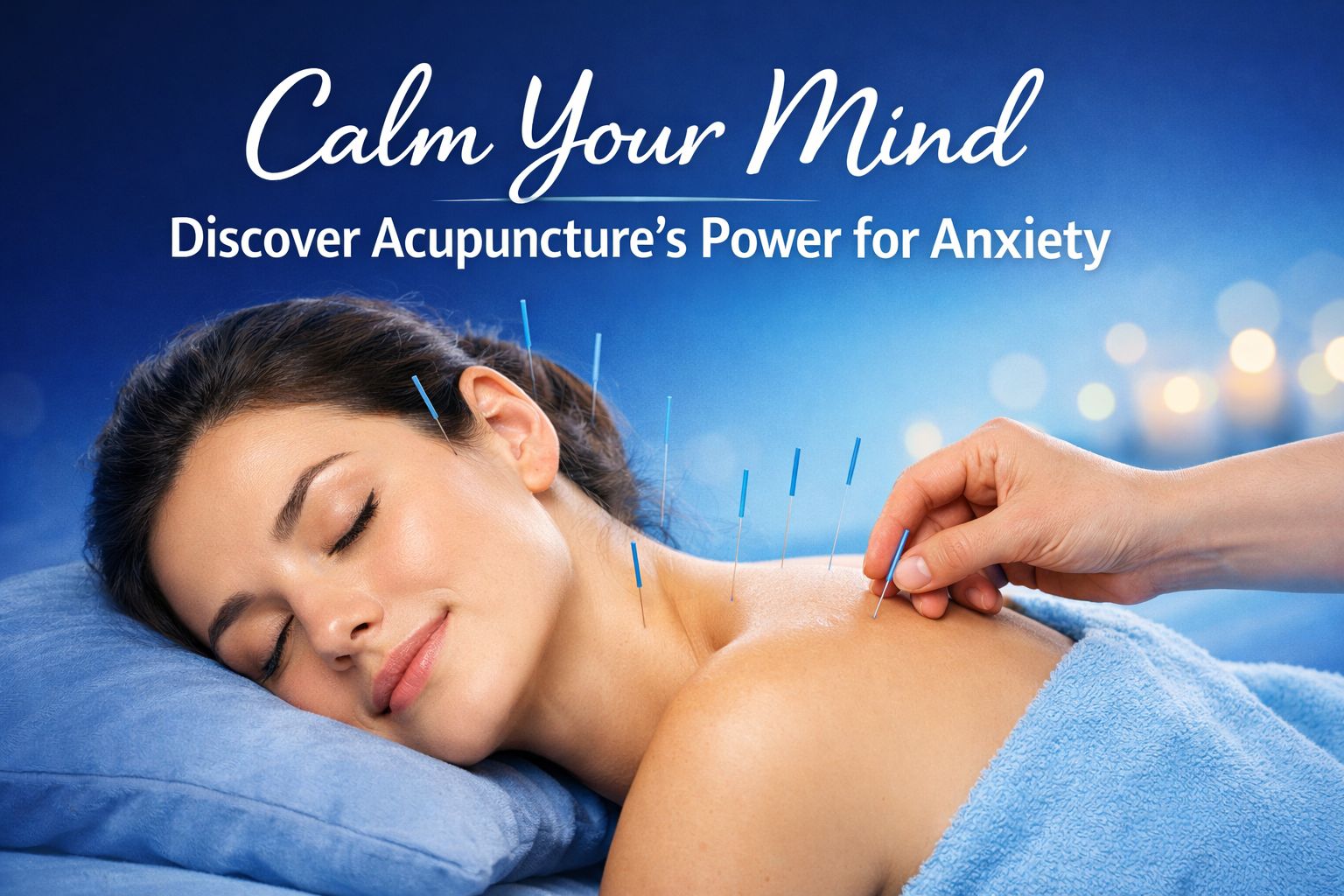

Calm Your Mind: Discover Acupuncture’s Power For Anxiety
Acupuncture is an ancient needle therapy that has been practiced for thousands of years. Today, it is attracting attention as a treatment that may help calm the mind and reduce symptoms of worry and nervousness. For people searching for alternatives or complements to medication and talk therapy, acupuncture for anxiety offers a different route that combines hands-on care with measurable effects on the nervous system.
Why acupuncture is gaining interest
Anxiety disorders are common in modern life. Many people look beyond conventional approaches because of side effects from medication or limited access to therapy. As a result, research into acupuncture for anxiety has grown. Clinical studies and systematic reviews report meaningful reductions in anxiety symptoms, suggesting acupuncture can be part of a broader treatment plan. Practitioners often describe how needle stimulation may influence neurotransmitters, reduce stress hormones, and shift autonomic balance toward relaxation.
What this post will explore
The goal of this post is to introduce how acupuncture might work for anxiety and set realistic expectations for someone considering it. Future sections will review evidence on effectiveness, explain likely biological mechanisms, and outline how many sessions are often needed to see change. If you want practical next steps now, explore our acupuncture treatments page or try a short self-assessment on our anxiety quiz to see whether combining acupuncture with therapy could be helpful.
You can also explore more guides here:
Anxiety
How people report feeling after treatment
Many patients describe immediate relief in physical tension and a calmer mental state after a session. Clinically measured outcomes tend to appear after multiple visits over several weeks, which is why most practitioners recommend a course of treatments rather than a single appointment. Variations such as electroacupuncture are also studied for their potential to reduce sympathetic overdrive and improve sleep, both of which can support recovery from anxiety.
.png)
In the next section, we will dig into the evidence base: randomized trials, meta-analyses, and clinical reports that compare acupuncture with medications and talking therapies. That review will help clarify when acupuncture is a reasonable option and how it fits into a safe, effective anxiety management plan.
Effectiveness backed by trials and reviews
Large meta-analyses and randomized trials provide stronger evidence than single studies. One pooled analysis of around 20 randomized controlled trials with more than 1,800 participants found a moderate to strong effect size for acupuncture for anxiety, with faster symptom relief than many standard drug treatments. Other randomized studies reported that acupuncture produced more than twice the reduction in anxiety scores compared with routine care in some groups.
Clinical findings also show acupuncture tends to be well tolerated, with fewer adverse effects than many medications used for anxiety. That makes it a reasonable option for patients who cannot tolerate drug side effects or who prefer nonpharmacological approaches. Still, results vary by study design, and most strong evidence focuses on generalized anxiety disorder, so expectations should be realistic.
How acupuncture may work in the body and brain
Researchers propose several overlapping mechanisms that explain how acupuncture can reduce anxious feelings and physiological arousal.
- Neurotransmitter modulation: Needle stimulation can influence levels of serotonin, gamma amino butyric acid, and endorphins, which help regulate mood and reduce hypervigilance.
- HPA axis regulation: Studies report reductions in stress hormones such as adrenocorticotropic hormone and cortisol after a course of acupuncture, which can lower the body’s stress response.
- Autonomic nervous system balance: Acupuncture may shift the balance away from sympathetic dominance toward parasympathetic activity, producing calmer heart rate and breathing patterns.
- Brain networks and cognition: Functional imaging shows changes in regions involved in emotion regulation and attention. Those changes can shorten anxiety episodes and reduce persistent worrying.
Electroacupuncture and specific points
Electroacupuncture, which applies small electrical currents to needles, has been studied specifically for anxiety. Evidence indicates it can reduce sympathetic overactivity and lower anxiety scores on standard scales. Commonly used points include GV20, also called Baihui, and Shenmen. Different protocols of frequency and duration tend to produce similar clinical improvements, though practitioners tailor point selection to each person.
Duration, frequency, and what to expect from treatment
Optimal outcomes usually require multiple sessions. Analyses indicate meaningful improvements often appear after more than three weeks of regular treatment, and many trials report noticeable change within six weeks. A typical treatment plan for anxiety might include:
- Two sessions per week during the first two to four weeks
- One session per week as symptoms stabilize
- A reassessment after six to twelve sessions to decide on maintenance or tapering
Individual response varies. Some people feel calmer immediately after a session, while others notice gradual reductions in worry and improved sleep over several weeks.
Comparing acupuncture with medications and therapy
Meta-analyses show acupuncture can be more effective than some medications and comparable to cognitive behavioral therapy in certain trials. Acupuncture’s advantages include fewer side effects and good treatment adherence. It is not necessarily a replacement for psychotherapy or medication in all cases, but it can be an effective adjunct that enhances overall outcomes.
When acupuncture is especially useful
Acupuncture may be particularly helpful for:
- People with generalized anxiety disorder who prefer nonpharmacological care
- Patients with anxiety alongside chronic conditions, where trials show sustained benefits months after treatment
- Those seeking to reduce medication dose or manage medication side effects
If you want a tailored plan, consider combining acupuncture with psychotherapy or lifestyle measures. For practical guidance, check our anxiety quiz and our acupuncture treatments page to explore modalities and session packages. For definitions and acupoint guides, visit our dictionary.
Safety, limitations, and next steps
Acupuncture is generally safe when performed by a licensed practitioner using sterile needles. Common side effects are mild and temporary, such as slight bruising or soreness. People with bleeding disorders or certain implants should discuss risks with a clinician first.
While high quality evidence supports acupuncture for anxiety, it is best approached as part of a comprehensive plan. If symptoms are severe or long standing, consult a healthcare professional to design a combined strategy that may include therapy, lifestyle changes, and, where appropriate, medication alongside acupuncture for anxiety.
Comparing acupuncture with conventional care
Recent meta-analyses and clinical trials add nuance to earlier findings by comparing acupuncture directly with medications and psychotherapy. Across multiple randomized studies, acupuncture for anxiety often shows moderate to strong effect sizes and faster symptom relief than some drugs. Results indicate that acupuncture can reduce standard anxiety scale scores sooner and with fewer adverse events than common pharmacological options. That does not mean medication or therapy should be abandoned. Instead, acupuncture often performs best as part of a coordinated plan that tailors treatment to symptom severity, patient preference, and medical history.
What the comparisons mean in practice
If you are considering acupuncture for anxiety alongside other treatments, keep these practical points in mind:
- Acupuncture may allow lower doses of medication when managed by your prescriber, reducing side effects and improving adherence.
- When combined with cognitive behavioral therapy, acupuncture can enhance relaxation and make patients more receptive to skill learning.
- For people who cannot tolerate certain medications, acupuncture offers a generally safe alternative with mild, short lived side effects such as brief soreness or minor bruising.
Specific conditions and longer term benefits
Some patient groups show especially strong and lasting gains from acupuncture for anxiety. Trials of people with chronic illnesses, including a randomized study in Parkinson disease, found meaningful anxiety reductions that persisted months after treatment ended. These outcomes may reflect acupuncture’s ability to regulate the HPA axis and reduce stress hormone levels, which can lower baseline anxiety over time.
Electroacupuncture and targeted protocols
Electroacupuncture applies a gentle electrical current to needles and is studied as a targeted option for anxiety. Evidence suggests electroacupuncture can reduce sympathetic overactivity, improve sleep, and produce measurable drops in anxiety scales. Commonly used points such as GV20 and Shenmen are selected to calm the mind, but skilled practitioners will adapt protocols based on individual assessment.
Choosing a practitioner and planning treatment
Quality of care matters. To get the best results from acupuncture for anxiety, consider these steps:
- Choose a licensed acupuncturist with experience treating anxiety or comorbid medical conditions.
- Ask about treatment style: manual acupuncture, electroacupuncture, or integrative approaches with relaxation and breathing training.
- Request a clear plan: typical courses include multiple sessions weekly for several weeks, followed by reassessment and maintenance as needed.
- Track progress with simple measures such as validated questionnaires or sleep and mood logs so you and your provider can adjust care.
Practical considerations
Costs, insurance coverage, and local availability vary. Many patients combine in-clinic sessions with at-home self-care like relaxation exercises, sleep hygiene, and light exercise to strengthen gains. For personalized next steps, try our anxiety quiz or explore session options on our acupuncture treatments page. For definitions of common acupoints and terms, visit our dictionary.
Conclusion and next steps
Evidence supports acupuncture for anxiety as a low-risk, effective tool that can complement medications and therapy. It may deliver faster relief for some people and offers lasting benefits in certain chronic conditions. If you are curious, start with a short course, monitor outcomes, and coordinate care with your medical providers. A thoughtful, measured approach will help you decide whether acupuncture for anxiety fits into your long term plan for mental health.
You don’t have to figure this out alone. Take the quiz and get personalized guidance today
Frequently asked questions
What is acupuncture and how does it work for anxiety?
Acupuncture for anxiety involves inserting thin needles into specific points to influence nervous system activity. Clinical studies suggest it can modulate neurotransmitters, lower stress hormones, and shift autonomic balance toward relaxation, which helps reduce anxious symptoms.
How many acupuncture sessions are typically needed to see results?
Most people notice change after several sessions; meaningful improvements usually appear after more than three weeks and often within six weeks. A common plan is two sessions per week initially, then weekly maintenance depending on response to acupuncture for anxiety.
Are there risks or side effects to acupuncture for anxiety?
Acupuncture for anxiety is generally safe when done by a licensed practitioner. Side effects are usually mild and temporary, like minor bruising or soreness. People with bleeding disorders or certain implants should consult their healthcare provider first.
Can acupuncture be combined with therapy or medication?
Yes. Acupuncture for anxiety is commonly used alongside cognitive behavioral therapy or medications to enhance outcomes, reduce medication side effects, and support long term improvements when coordinated with your care team.