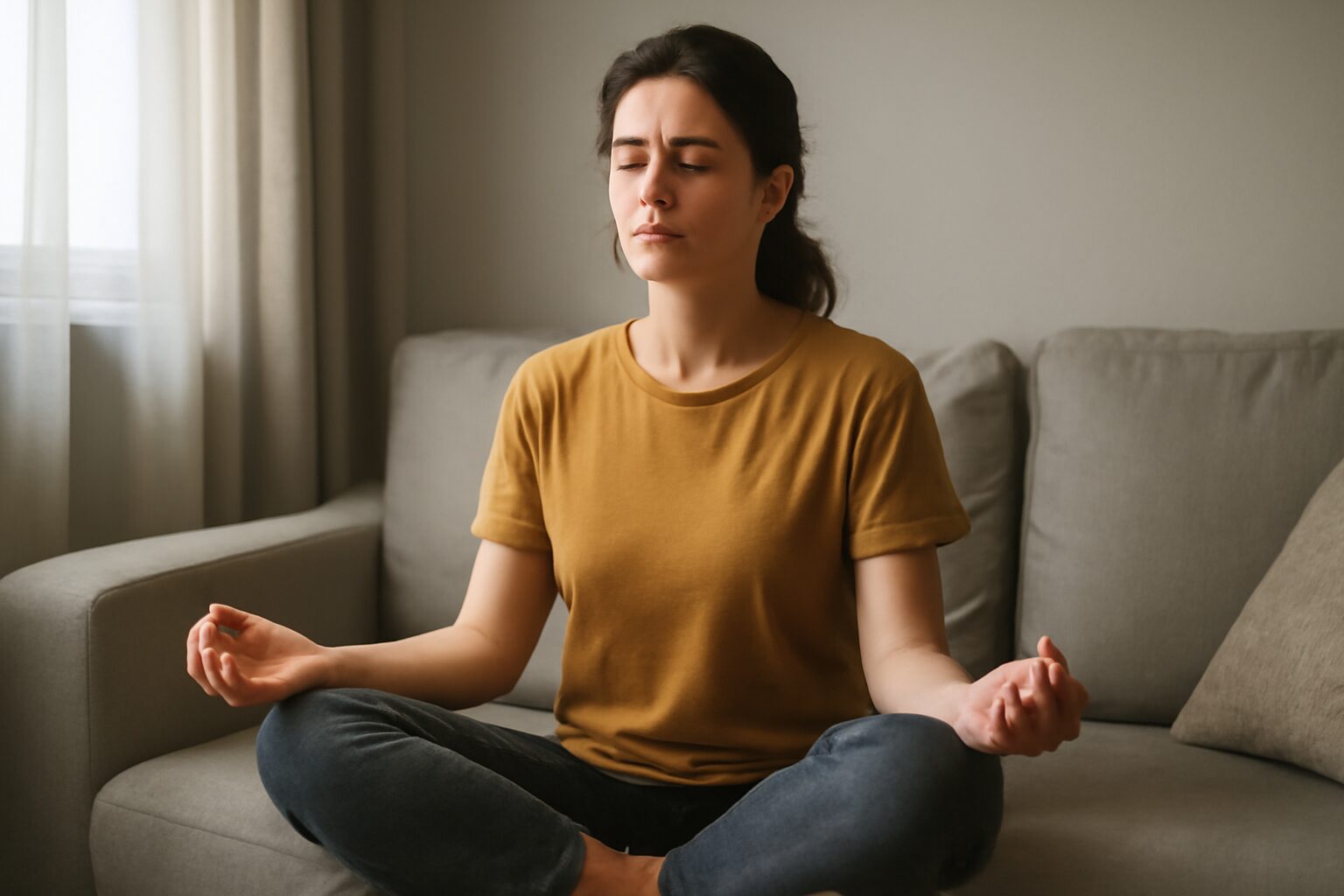

Anxiety has become a daily reality for millions of people.
Modern life moves fast, with constant demands and expectations, which fuels stress and makes anxiety worse. More and more people are looking for practical ways to calm their minds and feel better. One approach that works well is guided meditation.
What guided meditation is
Guided meditation is different from traditional silent meditation. Instead of sitting in silence, you’re led by a guide or narrator who talks you through the process. This makes it easier to stay focused, especially if you’re new to meditation or often find your thoughts drifting. Guided meditations are available everywhere apps, videos, and audio recordings, which makes them very accessible.
Why it helps with anxiety
Research shows guided meditation can lower anxiety and stress. Regular practice helps people feel calmer, think more clearly, and handle daily challenges better. It doesn’t just help the mind. It also reduces the physical effects of stress, like high blood pressure and muscle tension.
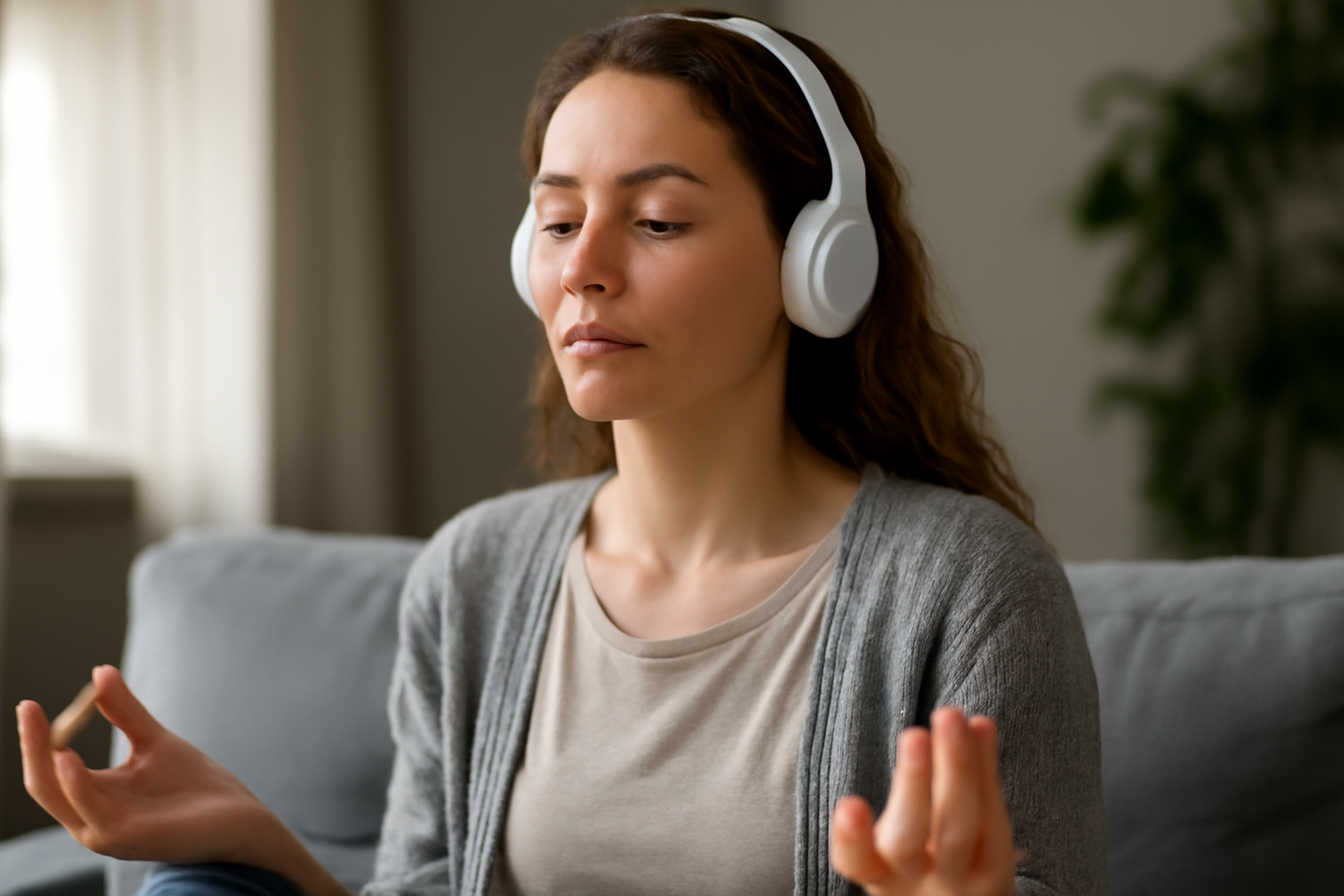
Anxiety often makes people feel trapped in constant worry. Guided meditation gives a simple way to step back, observe those thoughts without judgment, and build emotional resilience. With regular practice, it helps people respond more calmly instead of reacting impulsively. This shift creates a clearer perspective and a healthier outlook.
Why guided meditation works
Guided meditation is proven to reduce anxiety. Research shows it works as well as other approaches like relaxation exercises or physical activity. It lowers stress hormones such as cortisol, reduces inflammation, and helps the body move into a more relaxed state.
It also changes how the brain handles emotions. Studies show regular practice can calm the amygdala, the part of the brain that triggers fear and anxiety, while strengthening the prefrontal cortex, which supports focus and rational decision-making.
Backed by experts
Harvard Health and other medical authorities recommend guided meditation for managing stress and worry. By teaching people to observe their thoughts without getting pulled into them, it makes anxious thinking less overwhelming. Many programs offer free tracks or group sessions, making it easy to get started.
How it’s practiced
Guided meditations often combine:
- Breathing exercises to regulate the nervous system.
- Body scans to release tension and increase awareness of physical sensations.
- Visualization to focus on calming scenes or positive outcomes.
- Reframing worries so thoughts are acknowledged without being given control.
These techniques make guided meditation practical for everyday life, helping people stay balanced and calm in stressful situations.
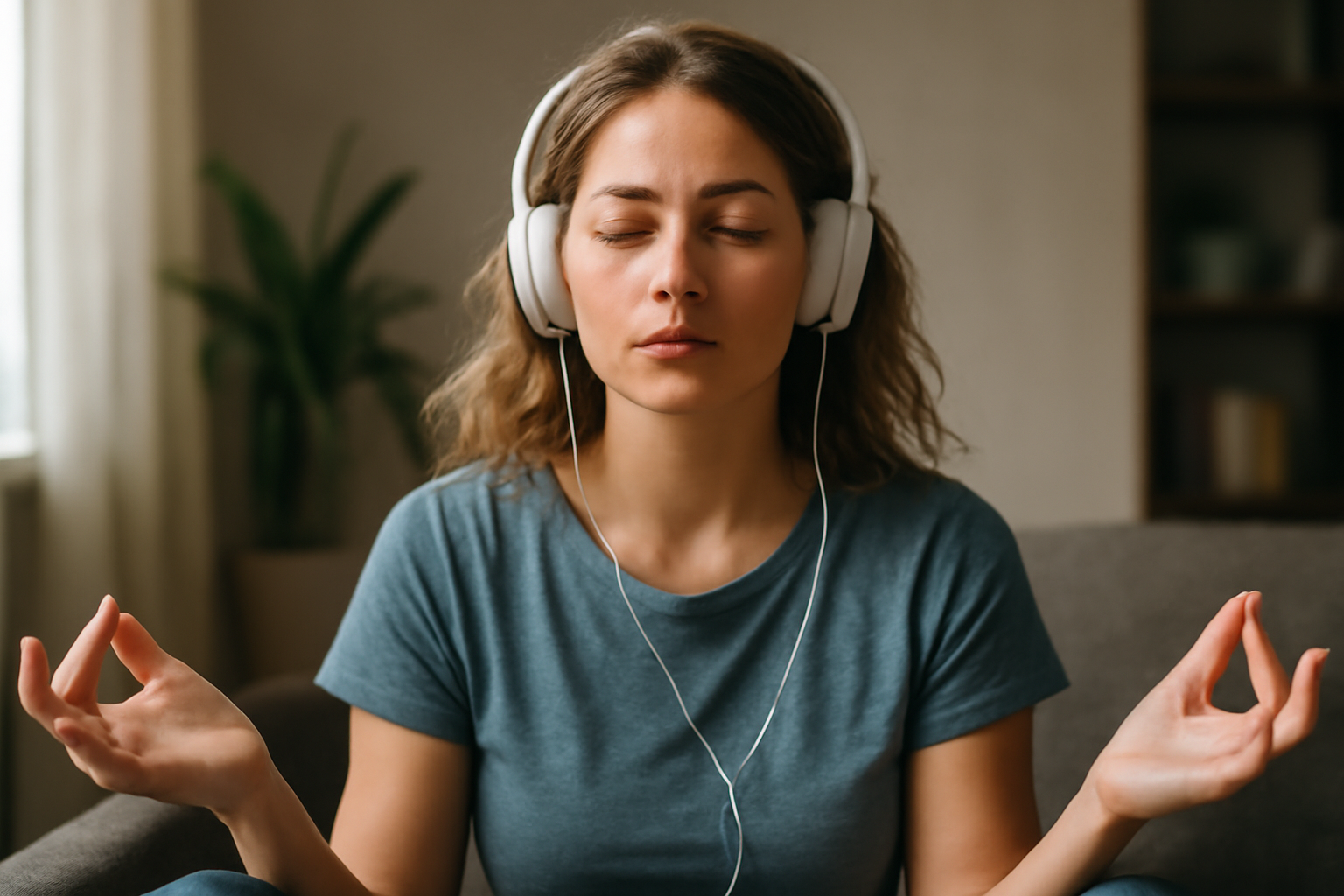
Guided meditations are among the most accessible tools available for anxiety relief today. They come in many formats apps, audio tracks, podcasts, and YouTube videos so it’s easy to find a style that fits into everyday life.
This flexibility means people can practice almost anywhere, whether during a morning routine, on a lunch break, or before going to bed. Because guided meditations provide step-by-step instruction, they’re especially helpful for beginners who may struggle with silent meditation or don’t know where to start.
Why guided meditation matters
Modern life is packed with stressors work deadlines, financial pressures, digital overload, and social expectations. Anxiety often builds up as a result, making it hard to think clearly, sleep well, or feel calm.
Guided meditation directly addresses this problem by slowing the mind, reducing physical tension, and creating a sense of inner balance.
Unlike medication, which may bring side effects, or traditional therapy, which requires access and scheduling, guided meditation is low-cost, safe, and easy to repeat daily.
The scientific evidence is strong: studies show it can reduce stress hormone levels like cortisol, lower blood pressure, ease muscle tension, and improve emotional regulation. People who practice regularly often notice they are less reactive, more focused, and better able to handle difficult situations.
Apps, influencers, and mainstream adoption
The commercial side of meditation has expanded quickly. Apps like Headspace, Calm, and Insight Timer have millions of downloads and feature structured programs, reminders, and scientifically designed sessions. These tools have helped make meditation part of everyday wellness routines for people who might otherwise never try it.
At the same time, social media influencers and YouTube creators have made guided meditations widely available for free. Many of these creators bring a personal, relatable style that breaks down barriers for newcomers.
Instead of meditation feeling abstract or “too spiritual,” they present it in everyday language, with calming visuals and clear explanations. This mix of commercial apps and influencer content means almost anyone can find a format that suits their lifestyle, whether they want something clinical, spiritual, or casual.
Real-world impact
The strongest proof of guided meditation’s value is in people’s lived experiences. Thousands of users share stories about feeling calmer, sleeping better, and becoming more resilient after adopting meditation.
Some describe how it helps them regain control over racing thoughts during stressful workdays. Others mention how it has improved their relationships, since they react less strongly in moments of conflict. These personal accounts match the findings of controlled trials, which consistently show measurable improvements in anxiety symptoms and overall well-being.
Frequently Asked Questions
What is guided meditation for anxiety?
It’s a meditation practice led by a narrator or teacher who talks you through each step. Instead of sitting in silence, you’re guided with instructions on breathing, relaxation, and visualization to calm your mind and reduce stress.
How effective is it?
Guided meditation has been shown in research to significantly reduce anxiety. It’s as effective as other non-drug approaches like relaxation training or light exercise. Many people also report improvements in focus, sleep, and emotional stability.
How do I start?
Choose a format you feel comfortable with. Apps, podcasts, or YouTube videos are good starting points. Begin with short sessions of 5–10 minutes a day. Over time, increase the duration as it becomes part of your routine.
Are there any side effects?
For most people, guided meditation is completely safe. The only challenge can be confronting emotions that surface during practice. If this feels overwhelming, it can help to seek advice from a therapist or use shorter, gentler sessions.
How often should I practice?
Consistency matters more than length. Practicing daily even for just a few minutes produces the strongest results. Over time, this steady habit builds long-term resilience and greater calm.