
In Anxiety in Today’s World
Anxiety has become one of the most common challenges of modern life. Work deadlines, financial pressures, health concerns, and constant digital noise all contribute to feelings of stress and worry. For many, anxiety isn’t just mental it shows up in the body as tension, restlessness, or a racing heart. Finding natural and effective ways to manage these symptoms is more important than ever.
One of the most accessible solutions is guided meditation, a simple yet powerful tool that combines ancient wisdom with modern resources. Unlike traditional meditation, which can feel intimidating for beginners, guided meditation provides structure and support, making it easy to get started right away.
What Is Guided Meditation?
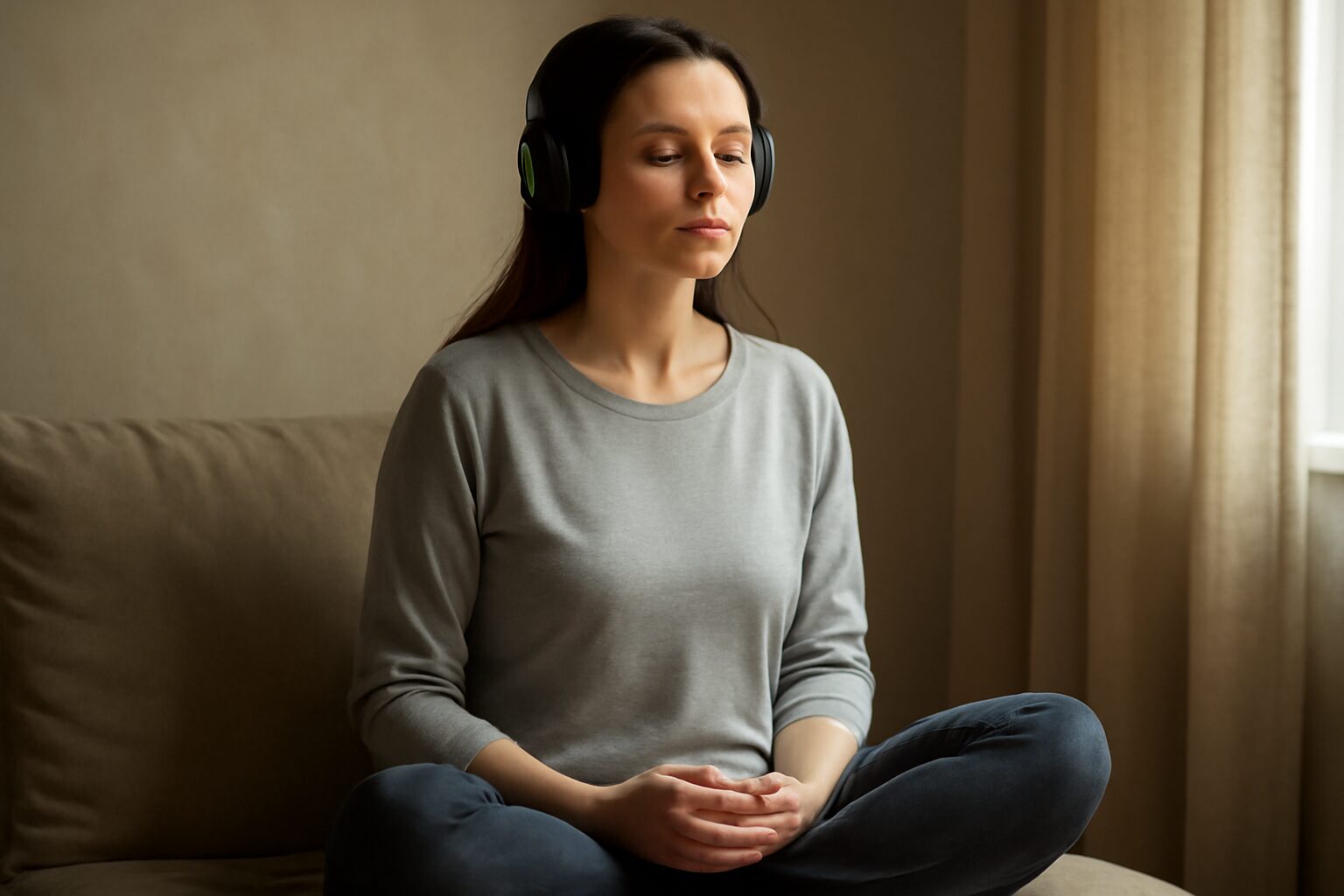
Guided meditation is a structured practice where you follow audio instructions, visual cues, or even a teacher’s narration to help focus your mind. Instead of sitting in silence and wondering if you’re “doing it right,” you are led step by step through breathing, visualization, or relaxation techniques.
This makes guided meditation especially useful for people with anxiety, since it’s easy for an anxious mind to wander. Having someone guide the process keeps you engaged and gently brings you back whenever your thoughts drift.
The rise of meditation apps, podcasts, and YouTube channels has made guided meditation widely available, so anyone with a phone or computer can access it.
The Benefits of Guided Meditation for Anxiety
Guided meditation works on two levels:
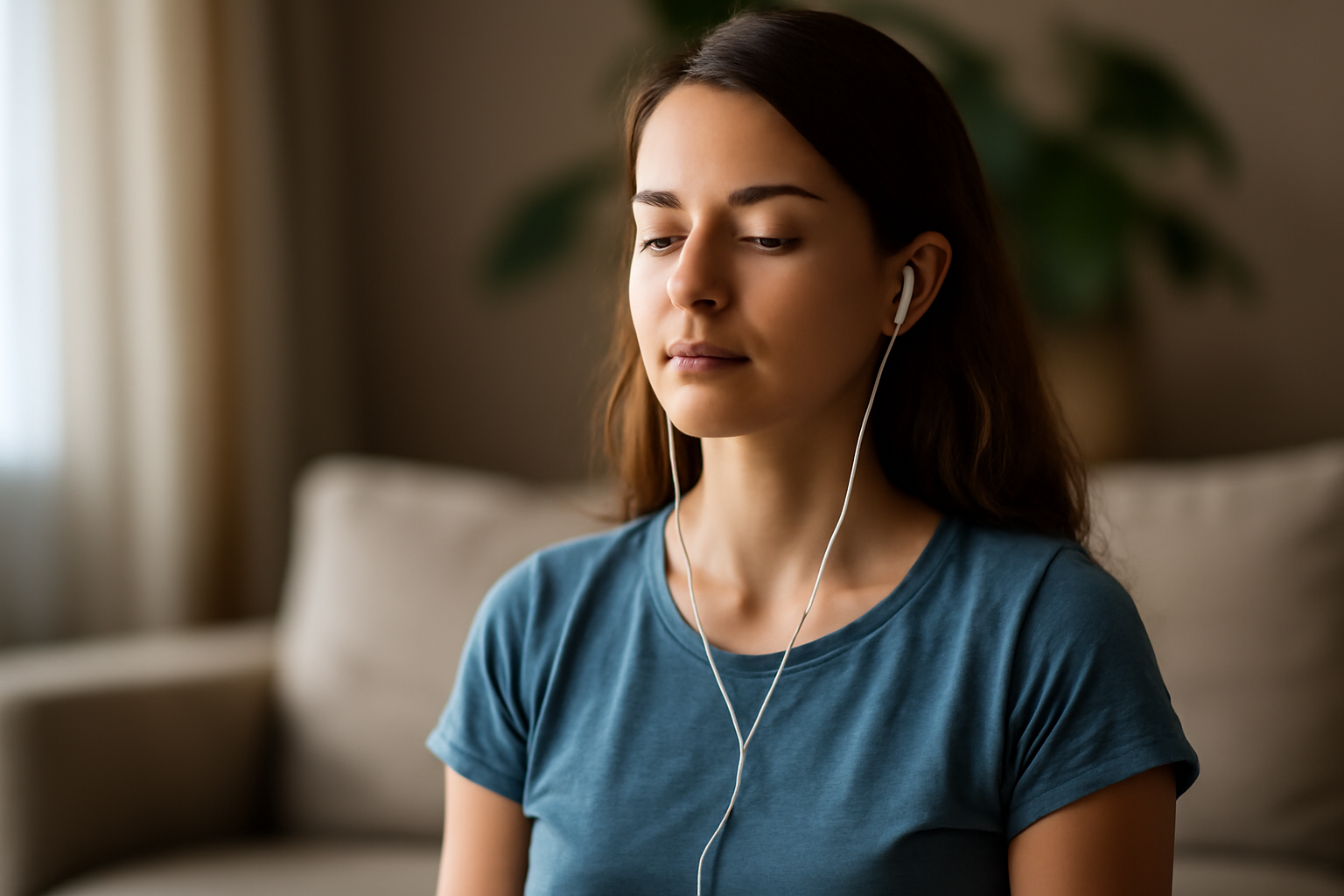
- Immediate Relief – Even a single 10-minute session can help slow down racing thoughts, ease tension, and create a sense of calm.
- Long-Term Benefits – With regular practice, guided meditation improves emotional regulation, strengthens resilience, and reduces the frequency and intensity of anxiety episodes.
Because it combines relaxation with mindfulness, guided meditation helps you stay anchored in the present moment rather than spiraling into “what if” thinking. Over time, this practice rewires how your brain and nervous system respond to stress.
Another key advantage is accessibility. Many people who struggle to meditate alone find guided sessions much easier. The voice, music, or imagery provides a focus point, helping them relax more deeply and consistently.
Scientific evidence supporting guided meditation
Scientific Evidence Supporting Guided Meditation
Guided meditation isn’t just popular it’s supported by strong scientific evidence.
- Systematic reviews and clinical trials confirm that guided meditation significantly reduces anxiety symptoms compared to control groups.
- Mindfulness-Based Stress Reduction (MBSR), one of the most researched guided programs, has been found to be as effective as first-line anxiety medications like escitalopram for some individuals.
- Studies also show reductions in cortisol (the stress hormone), lower inflammation, and improvements in sleep and mood among regular practitioners.
This scientific backing highlights guided meditation as both a safe and effective strategy for managing anxiety naturally.
Exploring Practical Applications and Resources
For anyone looking to bring guided meditation into their daily life, the good news is that it’s easier and more accessible than ever before.
A wide range of multimedia resources are available online, making it possible to find a guided session that fits almost any schedule, mood, or level of experience.
YouTube is one of the most popular platforms, offering countless free guided meditation sessions specifically designed for anxiety relief. Channels such as The Honest Guys and Goodful have built strong reputations for creating calming, beginner-friendly content that combines soothing narration with gentle background music or nature sounds.
These sessions often incorporate techniques like autogenic training (using self-suggestions to relax the body), positive affirmations, and visualization exercises, all of which are effective in helping the body and mind release tension.
In addition to YouTube, meditation apps such as Headspace, Calm, Insight Timer, and Balance provide structured programs that allow users to track their progress over time.
These apps often offer different categories such as stress relief, sleep support, or anxiety management making it easy to find exactly what you need in the moment. Some also include features like reminders, streak counters, or mood journals, which can help build consistency and motivation.
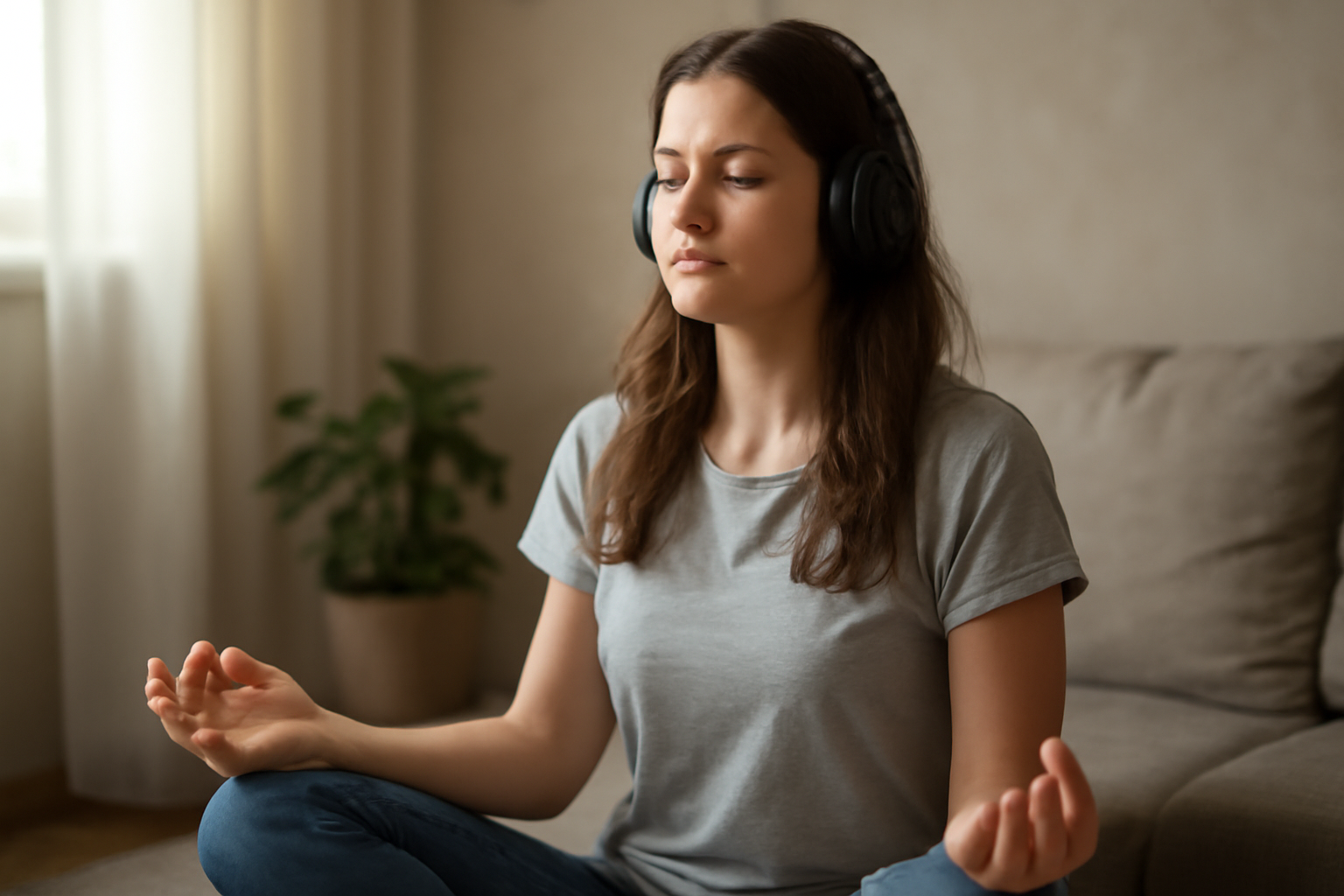
Podcasts and audiobooks are another valuable resource. Many people use them during commutes, walks, or breaks at work, turning ordinary moments into opportunities for grounding and calm. Guided meditation doesn’t require special equipment just a pair of headphones and a willingness to pause.
The main appeal of these resources is their flexibility and simplicity. With just a few clicks, you can choose a short 5-minute breathing meditation to reset during a stressful day or a 30-minute visualization to help you unwind at night. This adaptability makes guided meditation a practical tool that fits naturally into everyday routines.
Beyond symptom relief, guided meditation provides long-term benefits by teaching the nervous system to shift out of stress mode and into calm more quickly.
By addressing both the physiological effects (like lowering cortisol and slowing heart rate) and the psychological effects (like reducing negative thought cycles), it creates a truly holistic approach to anxiety management. For people seeking an effective, science-backed, and easy-to-access method, guided meditation is one of the most practical mental health tools available today.
Guided Meditation Techniques and Tips
Bringing guided meditation into your daily routine doesn’t have to be complicated. In fact, the simpler you keep it at the beginning, the more likely you are to stay consistent. Guided meditation works best when it becomes part of your everyday rhythm, not an occasional practice you only reach for during moments of crisis.
To help you get started, here’s a step-by-step guide you can follow:
- Find a quiet space: Choose a spot where you’ll be free from interruptions. This could be a quiet room at home, a park bench, or even a parked car.
- Set a timer: Start with 5–10 minutes. If you’re using an app or YouTube video, the session length will already be set for you.
- Get comfortable: Sit or lie down in a position that feels relaxed but supported. Use pillows or blankets if needed.
- Focus on breathing: Close your eyes and begin with deep, slow breaths to signal your body it’s time to relax.
- Follow the guide: Play your chosen guided meditation and allow yourself to be led through the instructions, whether it’s breathing cues, affirmations, or visualization.
- Notice your mind: If your attention wanders, gently return to the guidance or your breath without judgment.
- End gently: When the session is complete, take a moment to stretch or simply sit in silence before returning to your day.
The most important thing to remember is that guided meditation is about practice, not perfection. The more often you do it even if only for a few minutes the easier it becomes to tap into calm when you need it most.
Exploring Practical Applications and Resources
If you want to add guided meditation to your daily routine, it’s easier than ever. There are countless resources online that make the practice simple and accessible.
YouTube is one of the most popular places to start. Channels like The Honest Guys and Goodful offer free guided meditations that are beginner-friendly and calming. These sessions often include techniques like breathing exercises, positive affirmations, and visualizations, all designed to help you relax and clear your mind.
Apps such as Headspace, Calm, and Insight Timer provide structured meditation programs. They let you choose the length and style that fits your needs whether that’s a short 5-minute reset or a longer session for deep relaxation.
The main advantage of these resources is how easy they are to use. With just a few clicks, you can access guided meditations anytime, anywhere before work, during a break, or before bed. Short sessions can help with immediate relief, while regular practice builds long-term resilience against stress and anxiety.
Guided meditation works on both the body and the mind. Physically, it slows your breathing and lowers stress hormones. Mentally, it helps quiet racing thoughts and encourages a calmer outlook. This combination makes it one of the most practical and effective tools for improving overall mental well-being.
Guided meditation techniques and tips
Incorporating guided meditation for anxiety into your daily routine can be both rewarding and transformative. Here’s a simple step-by-step guide to help you get started:
- Find a quiet space: Choose a location where you won’t be disturbed. This could be a quiet room or a peaceful outdoor setting.
- Set a timer: Start with short sessions, around 5-10 minutes, and gradually increase the duration as you become more comfortable.
- Get comfortable: Sit or lie down in a comfortable position. Use cushions or blankets if necessary to support your posture.
- Focus on your breath: Close your eyes and take deep, slow breaths. Inhale through your nose, hold for a moment, and exhale through your mouth.
- Use guided audio: Listen to a guided meditation session from platforms like The Honest Guys or Goodful to help maintain focus and relaxation.
- Return to the present: When your mind wanders, gently bring your focus back to your breath and the guidance you are following.
Consistency is key in meditation practice. Aim to meditate at the same time each day to establish a routine. Over time, you’ll likely notice improvements in your ability to manage anxiety and stress.
Trends and best practices
Guided meditation for anxiety is evolving with the integration of multimedia resources, making it more engaging and accessible. The combination of scientific evidence and practical guides ensures that users can effectively address their needs. Here are some best practices to enhance your meditation journey:
- Engage with multimedia content: Use videos and audio guides to make the practice more interactive and enjoyable.
- Leverage technology: Apps and online platforms often offer personalized meditation plans and reminders to help maintain consistency.
- Combine with other practices: Pair meditation with yoga or breathing exercises to enhance relaxation and emotional regulation.
By staying informed about the latest trends and integrating best practices, you can maximize the benefits of guided meditation for anxiety and foster a more peaceful state of mind.
Frequently Asked Questions
What is guided meditation for anxiety?
It’s a structured form of meditation where a guide (via audio or video) leads you through relaxation and mindfulness techniques to reduce anxiety.
How does guided meditation help with anxiety?
It reduces stress hormones, improves emotional regulation, and trains your mind to stay in the present instead of looping on anxious thoughts.
Can guided meditation replace medication?
For some people with mild to moderate anxiety, meditation can feel as effective as medication. But it’s best used as a complement, not a replacement. Always consult a healthcare provider.
How often should I practice?
Daily practice, even for 5–10 minutes, brings the best results. Consistency matters more than length.
Where can I find resources?
Apps like Headspace and Calm or YouTube channels like The Honest Guys and Goodful are great starting points.
Can I do guided meditation before sleep?
Yes. Many guided sessions are designed to help you unwind at night. They often use body scans, breathing, and calming imagery to promote better sleep.
Is guided meditation beginner-friendly?
Absolutely. The structure makes it much easier than trying to meditate in silence, making it ideal for people new to meditation.