
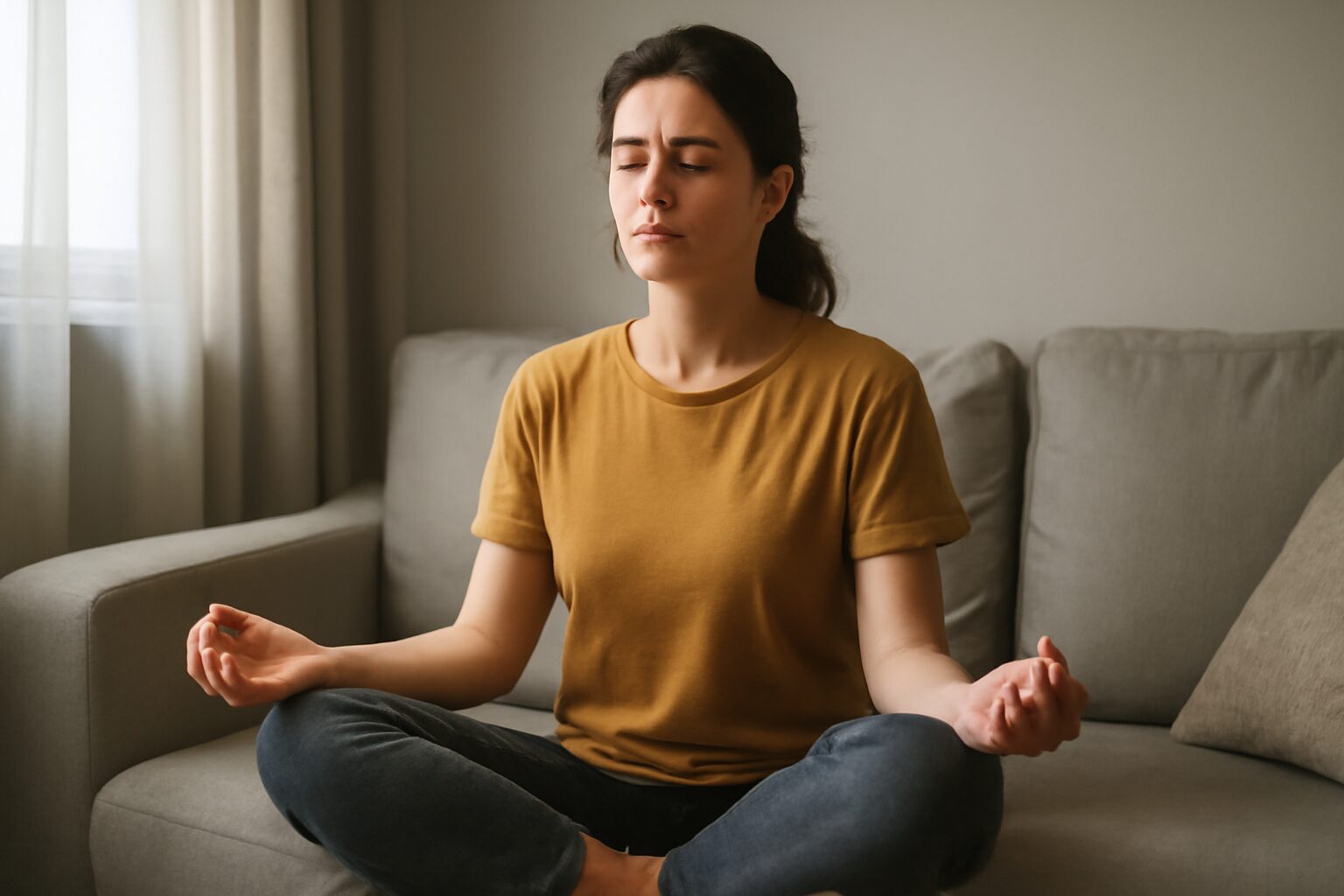

Understanding guided meditation for anxiety
In today’s fast-paced and often overwhelming world, anxiety has become a common companion for millions of people globally. The constant demands of modern life, coupled with the pressures of societal expectations, have led to a significant increase in anxiety-related issues. As a result, there is a growing need for effective coping mechanisms that can offer relief and foster mental well-being. One such powerful tool that has gained popularity is guided meditation.
Guided meditation for anxiety has emerged as a highly effective method for managing stress and achieving a calmer state of mind. Unlike traditional meditation practices that require one to meditate in silence, guided meditations involve a narrator or guide who leads you through the process. This can be particularly beneficial for those new to meditation or those who struggle to maintain focus. The accessibility of guided meditation, through various formats such as audio, video, and apps, has contributed to its widespread popularity.
What makes guided meditation especially appealing is its evidence-backed effectiveness. Numerous studies have shown that regular practice can significantly reduce anxiety symptoms, helping individuals to manage their stress levels more effectively. This therapeutic approach not only aids in calming the mind but also contributes to improved physical health by reducing stress-related physiological responses.
The importance of embracing guided meditations
Understanding and incorporating guided meditations for anxiety into daily life is crucial for several reasons. Firstly, it provides a dual benefit of mental peace and enhanced physical health. By engaging in guided meditation, individuals can experience a reduction in stress hormones and an improvement in overall emotional regulation. This holistic approach to anxiety management is vital in fostering long-term well-being.
Furthermore, guided meditations can help individuals develop a greater sense of self-awareness and emotional resilience. By regularly practicing these meditative techniques, one learns to observe thoughts and feelings without judgment, which can lead to a more balanced and less reactive state of mind. This detachment from anxious thoughts allows for a clearer perspective and promotes a healthier mental outlook.
In conclusion, guided meditations for anxiety offer a practical and effective solution for those seeking relief from the pressures of modern life. By embracing this powerful tool, individuals can cultivate a sense of calm and balance, leading to improved mental and physical health. As we continue to navigate the complexities of today’s world, guided meditation remains a valuable ally in the pursuit of peace and well-being.
Clinical evidence and scientific backing
The effectiveness of guided meditations for anxiety is well-supported by scientific research. Systematic reviews and controlled trials have consistently demonstrated that these meditative practices can lead to significant reductions in anxiety symptoms. For instance, studies have shown that guided meditation can be as effective as other alternative therapies like relaxation exercises and physical activity. This makes it a compelling option for those seeking non-pharmaceutical interventions.
On a physiological level, guided meditation has been observed to improve stress hormone levels and reduce inflammatory responses. This is particularly beneficial for individuals with generalized anxiety disorder, where chronic stress can exacerbate physical health issues. The practice of guided meditation helps in lowering cortisol levels, the primary stress hormone, thereby promoting a state of relaxation and calm.
Moreover, guided meditation influences neurobiological mechanisms by altering brain structures involved in emotional regulation. Regular practice can lead to changes in the amygdala, the brain’s center for processing fear and anxiety, effectively reducing emotional reactivity. At the same time, it enhances the function of the prefrontal cortex, which plays a crucial role in maintaining calm awareness and thoughtful decision-making.
Mainstream health guidance
Leading health authorities, such as Harvard Health, advocate for the use of guided meditations as a means to cultivate present-moment awareness and detachment from anxious thoughts. These practices are recommended not only for their mental health benefits but also for their ability to help individuals relate differently to their worries. By developing a sense of detachment, individuals can observe their thoughts without getting caught up in them, which is essential for reducing anxiety.
Additionally, group-based mindfulness programs and free guided meditation tracks are often recommended as accessible entry points for those new to the practice. These resources provide structured guidance and communal support, which can enhance the effectiveness of mindfulness practices. The availability of such resources underscores the growing recognition of guided meditations as a mainstream approach to mental well-being.
Practical implementation
Guided meditations for anxiety incorporate various relaxation techniques that are designed to calm the mind and body. Common techniques include controlled breathing, which helps regulate the nervous system, and body scans, which promote awareness of physical sensations and help release tension. Visualization exercises are also frequently used, allowing individuals to imagine peaceful scenes or positive outcomes, which can shift focus away from anxious thoughts.
Another critical component of guided meditations is the reframing of anxious thoughts. Practitioners are taught to observe their worries without judgment, which fosters a sense of acceptance and reduces the power of these thoughts. This practice helps individuals detach from their anxieties, leading to a more balanced and less reactive state of mind.
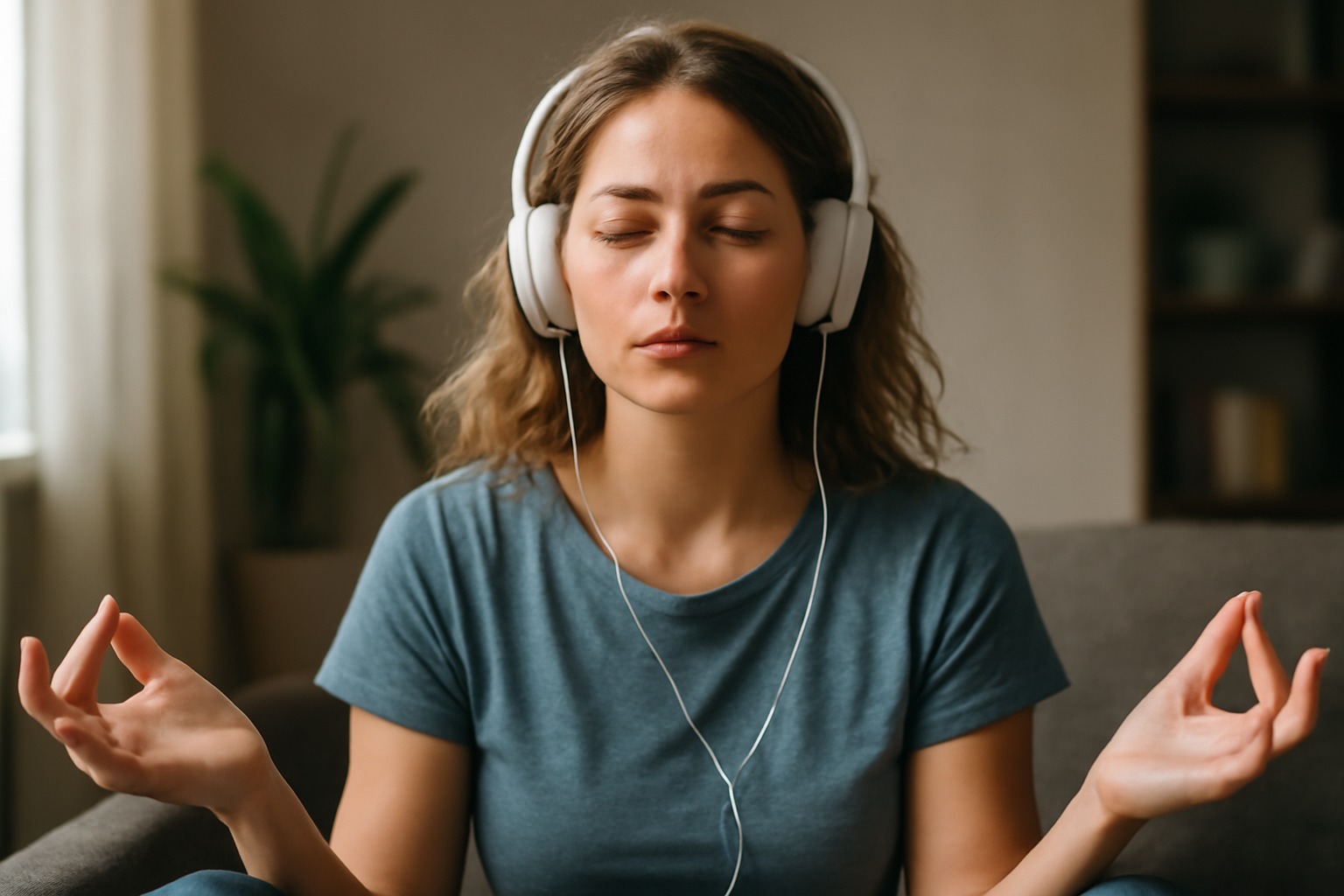
Guided meditations are highly accessible, available in various formats such as audio, video, and mobile apps. This variety makes it easy for individuals to incorporate meditation into their daily routines, regardless of their level of experience. Whether accessed through a smartphone app or a YouTube video, guided meditations offer a convenient and effective way to manage anxiety.
In summary, the evidence-backed benefits of guided meditations for anxiety are clear. With strong scientific support, mainstream health endorsements, and practical accessibility, these meditative practices offer a viable solution for those seeking to alleviate anxiety and improve their overall well-being. By integrating guided meditation into daily life, individuals can cultivate a sense of calm and resilience, better equipped to navigate the challenges of today’s fast-paced world.
Exploring commercial and influencer offerings
In recent years, the landscape of guided meditations for anxiety has expanded beyond traditional practices to include a variety of commercial and influencer-led offerings. Popular apps like Headspace have become household names, providing structured programs that integrate guided meditation into daily routines. These platforms offer scientifically-backed content, making meditation accessible and appealing to a broad audience.
Additionally, social media influencers and YouTube creators have played a significant role in popularizing guided meditations. Channels dedicated to mindfulness often provide free audio and video content, making it easy for individuals to engage with meditation practices at their convenience. These influencers use relatable language and soothing visuals, helping to demystify meditation and make it more approachable, especially for beginners.
Real-life benefits and user testimonials
The impact of guided meditations for anxiety extends beyond scientific studies, with numerous individuals reporting tangible improvements in their daily lives. Users often share testimonials about how regular practice has enhanced their ability to manage stress, leading to improved mental clarity and emotional resilience. These personal stories underscore the practical benefits of guided meditation, from better focus at work to more harmonious relationships.
Research supports these anecdotal experiences, showing that guided meditations can lead to a reduction in anxiety symptoms and an overall improvement in quality of life. By fostering a sense of calm and balance, guided meditation empowers individuals to navigate the challenges of modern life with greater ease and confidence.
Frequently Asked Questions
What is guided meditation for anxiety?
Guided meditation for anxiety involves a narrator leading you through the meditation process, helping to focus your mind and reduce stress. This method is particularly useful for managing anxiety as it provides structure and support, making it easier to achieve a calm state.
How effective is guided meditation for anxiety?
Guided meditation is highly effective for anxiety management, as supported by clinical evidence and numerous personal testimonials. Studies show that regular practice can significantly reduce anxiety symptoms and improve overall well-being.
How do I start with guided meditation?
To begin guided meditation, start by selecting a resource that resonates with you, such as an app or a YouTube video. Set aside a few minutes each day to practice, gradually increasing the duration as you become more comfortable.
Are there any side effects of guided meditation?
Guided meditation is generally safe and free from side effects. However, some individuals may experience discomfort when confronting difficult emotions. It’s important to approach meditation with patience and seek guidance if needed.
How often should I practice guided meditation for anxiety relief?
For optimal results, it’s recommended to practice guided meditation daily, even if only for a few minutes. Consistency is key to experiencing the full benefits of meditation for anxiety relief.
.