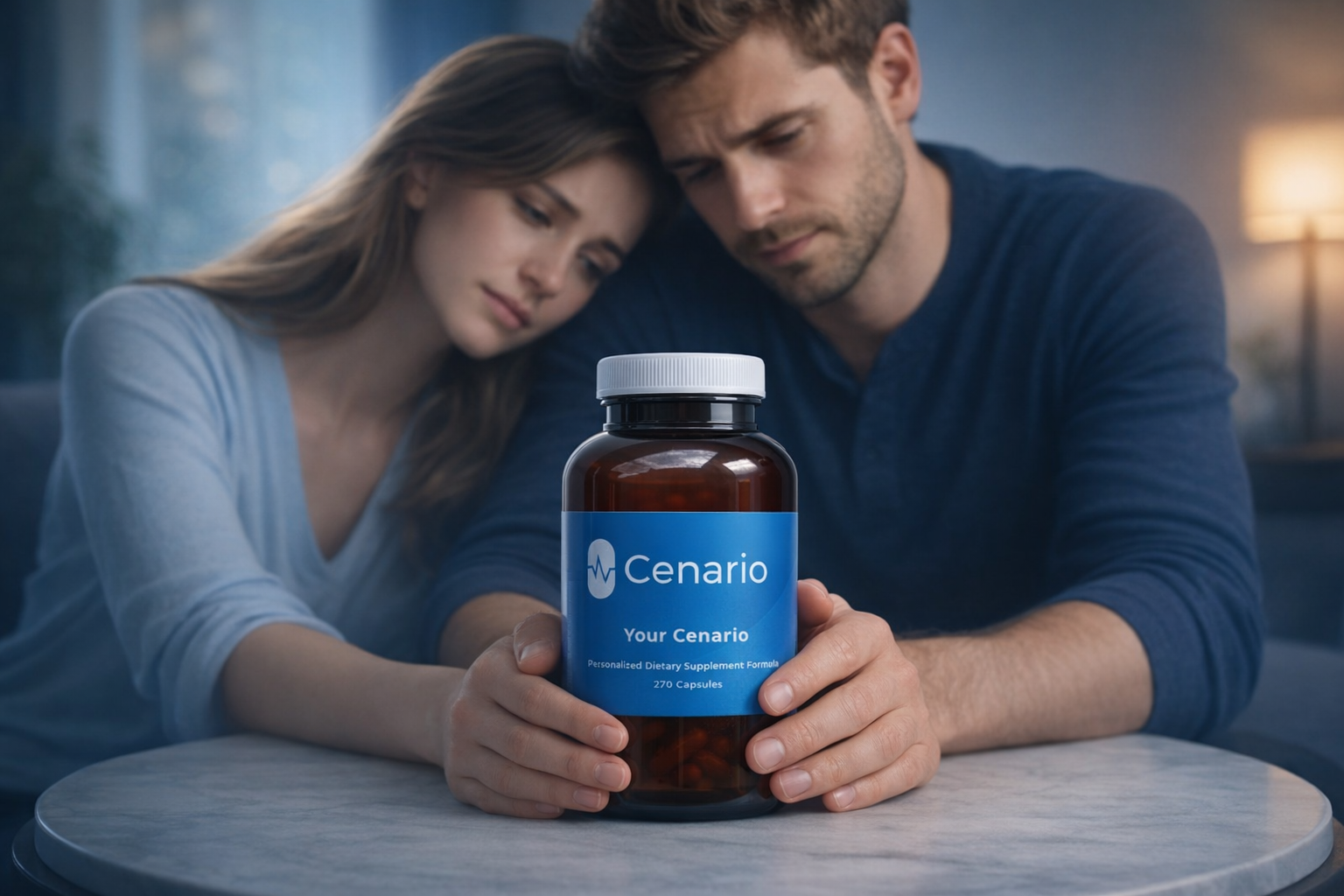

You wake up replaying a text from last night. You find yourself scrolling a partner’s social feed for reassurance. You catch your chest tightening when plans change. These moments capture a common problem many people face: relationship anxiety. If you have wondered how to handle relationship anxiety, you are not alone. Feeling this way can be confusing and exhausting, but understanding what it means is the first step toward change.
Understanding relationship anxiety
Definition and why it matters
Relationship anxiety is a persistent worry or fear about the stability or quality of a romantic relationship. It shows up as repeated doubts, fear of abandonment, or a constant need for reassurance. Left unaddressed, it can erode trust, limit honest communication, and lead to withdrawal or conflict. It also affects your mental and physical health by increasing stress, disturbing sleep, and reducing overall well-being.
Why addressing it helps
Knowing how to handle relationship anxiety matters because it improves both the relationship and your individual life. When you recognize the pattern, you can choose strategies that build security rather than unintentionally push a partner away. Early steps can prevent small worries from becoming chronic problems. Treatment and self-work can restore balance, improve communication, and increase confidence.
What this post will cover
This series walks through practical, evidence-informed steps without overwhelming detail. In the sections ahead you will find:
- An overview of common signs and how anxiety shows up emotionally and physically.
- A look at common causes, such as past trauma, low self-esteem, and attachment patterns.
- Actionable strategies for coping and building lasting security, from communication skills to mindfulness and professional help.
If you want a quick place to start, try Cenarios relationship anxiety quiz to identify patterns and next steps. Other useful searches include how to manage relationship anxiety, overcome attachment anxiety, and tips for reducing relationship worry. In the next part, we will explore the specific signs to watch for and how to tell anxiety-driven concerns apart from real red flags.

Signs to watch for in day-to-day life
Knowing how to handle relationship anxiety starts with spotting patterns. The signs fall into three clear groups: emotional, behavioral, and physical. Notice which show up most often for you. That helps target what to work on next.
Emotional signs
- Fear of abandonment: Persistent dread that your partner will leave, even when there is no clear reason.
- Overthinking and rumination: Replaying conversations or imagining worst-case scenarios repeatedly.
- Heightened sensitivity: Interpreting neutral comments as criticism or rejection.
Behavioral signs
- Constant reassurance-seeking: Asking the same questions about commitment or feelings to feel safe.
- Clinginess or withdrawal: Alternating between seeking closeness and pushing your partner away.
- Monitoring behaviors: Frequent checking of messages or social media to reduce uncertainty.
Physical signs
- Sleep problems: Trouble falling asleep after interactions or waking with worry.
- Autonomic symptoms: Heart racing, sweating, nausea during moments of doubt.
- Chronic tension: Headaches, muscle tightness, and fatigue linked to relationship stress.
Common causes that drive anxiety
Several underlying factors can feed relationship anxiety. Understanding the root helps you choose the right step forward when learning how to handle relationship anxiety.
Past trauma and betrayal
Experiences like infidelity or emotional neglect leave lasting expectations that relationships are unsafe. Memories can trigger worry long after the event is over.
Low self-esteem and internal narratives
When self-worth is low, people often assume they are not worthy of love. Thoughts like I am not enough or they will find someone better become self-fulfilling and increase anxiety.
Attachment styles and learned patterns
Attachment tendencies formed in childhood shape adult responses. If you want a plain overview, check Cenarios attachment styles guide for clear descriptions and examples.

How to tell anxiety from real relationship problems
Not every worry is only anxiety. Distinguishing anxious thoughts from legitimate red flags prevents both unnecessary blame and dangerous denial. Use this short checklist before reacting.
- Look for patterns: Is the behavior a recurring problem or a one-off mistake? Anxiety often amplifies rare incidents into catastrophe.
- Check for evidence: Ask what facts support your worry. Anxiety leans on “what if” scenarios, while real issues leave tangible traces like repeated lying.
- Observe partner response: A partner who listens, validates, and changes is different from someone who gaslights, belittles, or refuses to respect boundaries.
- Assess safety: Any threat of harm, coercion, or control is a real red flag. Prioritize safety over preserving the relationship.
- Measure impact: If the dynamic consistently harms your mental health, career, or social life, it may be a real problem beyond anxiety.
Clear examples of real issues include ongoing manipulation, repeated broken promises without genuine repair, and any form of emotional or physical abuse. If you spot these, seek help and create distance as needed.
Practical steps to test your assumptions
- Pause before responding. Take three deep breaths or step away for 20 minutes.
- Use simple, nonaccusatory language: I felt worried when X happened. Can you tell me what you meant?
- Track incidents for two weeks. Note dates, what happened, and how your partner responded. Patterns emerge fast.
If you want guidance tailored to your situation, try Cenarios relationship anxiety quiz or explore therapy options at Cenario therapy. In the next section we will move from identification to concrete strategies that reduce anxiety and build secure connection.
Handling relationship anxiety
Moving from awareness to action is the most important step when you learn how to handle relationship anxiety. Below are practical, evidence-informed strategies you can try alone or with your partner. These approaches focus on small, repeatable changes that build trust and reduce the intensity of anxious reactions over time.
Therapy and counseling options
Professional help speeds recovery when patterns run deep. Consider these targeted approaches:
- Cognitive behavioral therapy: Learn to spot thought traps and replace catastrophic interpretations with balanced evidence-based alternatives.
- Emotionally focused therapy: Work with a therapist to create secure emotional bonds and change interaction patterns that keep anxiety alive.
- Couples coaching: Develop shared rituals and problem-solving skills that reduce misunderstandings and repetitive conflicts.
If you are unsure where to start, Cenario offers guided options you can explore at Cenario therapy.
Self-work and communication tactics
Change happens in daily interactions. Use clear, concrete tools to reduce triggers and build connection.
- Set an intention before conversations: Try a short script such as I want to understand you better, can we talk about what happened? This lowers reactivity and invites cooperation.
- Use a worry log: Track anxious thoughts for two weeks. Note the trigger, the intensity, and what actually followed. Patterns help you test assumptions instead of reacting.
- Agree on repair rituals: Create simple steps for aftermaths, like a five-minute check-in or a signal word that pauses escalation.
Mindfulness and self-awareness practices
Mindfulness weakens the hold of automatic anxieties. Short, consistent practices work best.
- Practice a 3-5 minute grounding routine when you feel overwhelmed: notice five things you see, four sounds, three sensations, two smells, one breath.
- Try scheduled worry: set aside 15 minutes daily to intentionally process concerns. This prevents constant intrusions during the day.
- Use body-focused cues: slow your breathing to six breaths per minute to calm heart rate and gain clearer thinking.
Building self-esteem through actions
Lasting security comes from a stronger sense of self, not from constant reassurance. Build self-worth with concrete steps.
- List three personal accomplishments weekly, no matter how small.
- Set micro goals that stretch you slightly then celebrate completion.
- Schedule social time independent of your partner to diversify sources of belonging.
Practical experiments and boundary work
Behavioral experiments test anxious predictions and teach new responses. Try one simple experiment per week.
- Experiment: skip one reassurance-seeking question and note the outcome. Did the feared event occur? Often you will learn the answer is no.
- Boundary practice: state a clear, kind limit such as I need 30 minutes alone after work. Observe how your partner responds and your internal reaction.
- Gradual exposure: if social media checking fuels worry, reduce checking by 10 minutes each day while noting anxiety levels.
When to consider medication or urgent help
Medication can be helpful when anxiety is severe or linked to a broader disorder. Seek a medical evaluation if anxiety causes suicidal thoughts, severe sleep loss, or stops you from functioning. For immediate danger or abuse, prioritize safety and contact local emergency services.
Anxiety is not a character flaw. It is a biological response that can become dysregulated. When your nervous system is constantly in fight or flight, willpower is not enough.
The real question is not whether anxiety can be improved. It is what is driving yours.
Instead of trying another generic supplement, take the 3 minute Cenario assessment and get a personalized formula designed around your results.
Your anxiety is personal. Your solution should be too.
Start your personalized calm plan now.
Frequently asked questions
What are the quickest ways to reduce anxiety in a relationship right now?
Immediate steps include using grounding breaths, taking a 20-minute pause before responding, and using a simple script like I felt worried when X happened, can you tell me more? These tactics help you test how to handle relationship anxiety without escalating the situation.
Can I manage relationship anxiety on my own, or do I need therapy?
You can make meaningful progress with self-help tools, journaling, and mindfulness, but therapy often accelerates improvement when patterns are longstanding. Use the phrase how to handle relationship anxiety to guide choices about self-help versus professional care.
How should I support a partner who has relationship anxiety?
Offer consistent, calm responses, validate feelings without fixing them, and agree on small rituals that reassure both of you. Learning how to handle relationship anxiety together builds trust and reduces misunderstanding over time.