

Performance anxiety can make even familiar tasks feel overwhelming. For many people, public speaking, stage performances, or important exams trigger a racing heart, sweaty palms, and visible shaking. Those physical signs often feed the worry, making it harder to think clearly and perform well. If you mainly want relief from those bodily symptoms, learning about beta blockers for anxiety may help you decide whether they are worth discussing with your clinician.
What are beta blockers and why people use them
Beta blockers are medications originally developed for heart conditions. Over time, clinicians began prescribing some forms off-label to manage physical symptoms of situational anxiety. The key appeal is that beta blockers blunt the body’s adrenaline response, which lowers heart rate and reduces trembling and sweating. For people with intense performance anxiety, beta blockers for anxiety offer a targeted option that focuses on the body rather than the mind.
How they target physical symptoms
When adrenaline surges, it produces the fight-or-flight reactions that create a pounding chest and shaky hands. Beta blockers act on receptors that respond to adrenaline and noradrenaline, so they can quickly dampen those sensations. Because many beta blockers are non-sedating, they often provide relief without causing mental fog. That makes beta blockers for anxiety particularly attractive for planned events, like presentations or auditions, where clear thinking matters.
Anxiety is not just “feeling stressed.” It can show up as racing thoughts, tight chest, poor sleep, irritability, or constant overthinking. For some people it is occasional. For others it feels like a daily background noise that never turns off.
The problem is that anxiety is not one single thing. It can be driven by stress hormones, neurotransmitter imbalances, nutrient deficiencies, sleep disruption, or chronic nervous system overload. That is why generic advice and random supplements often fail.
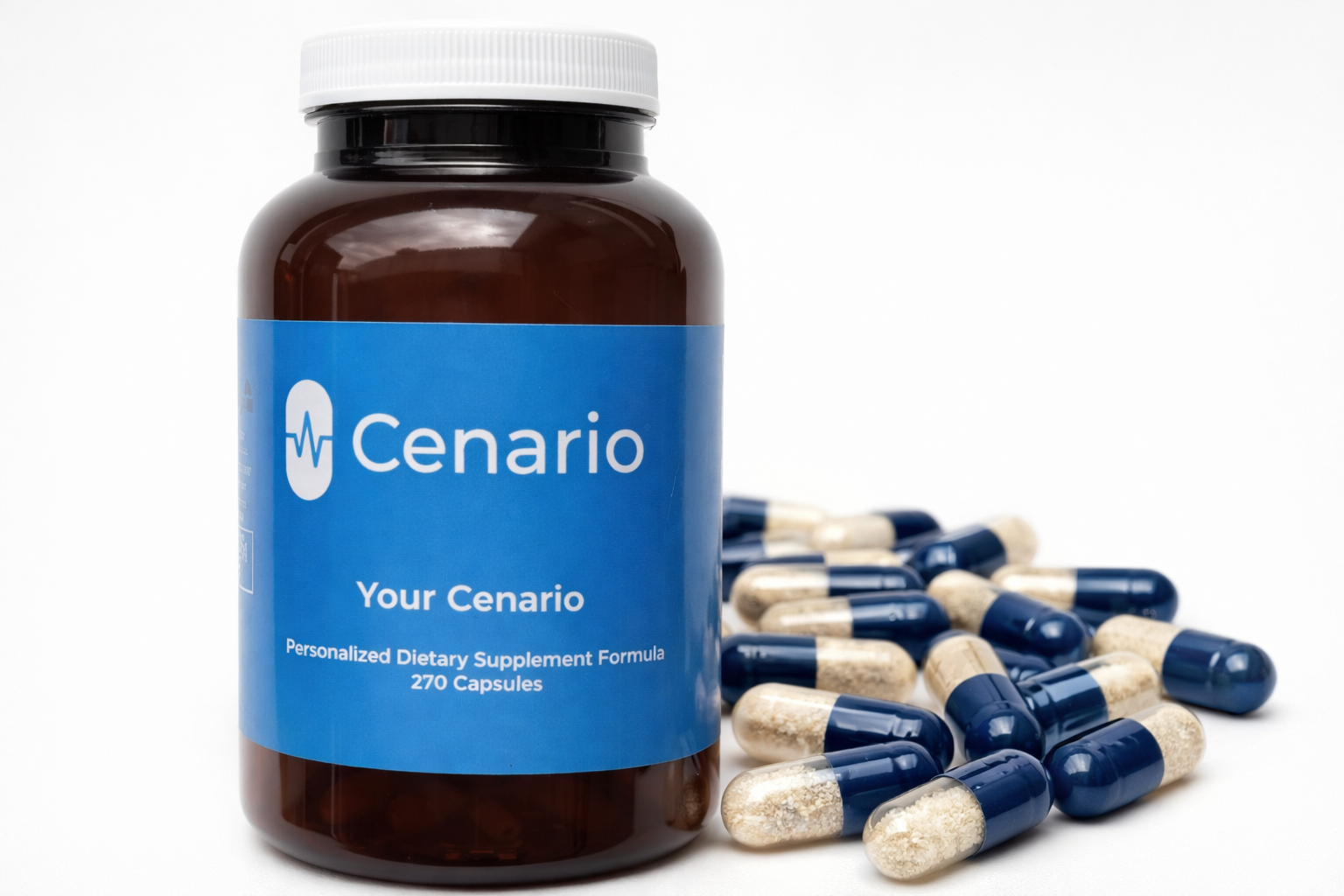
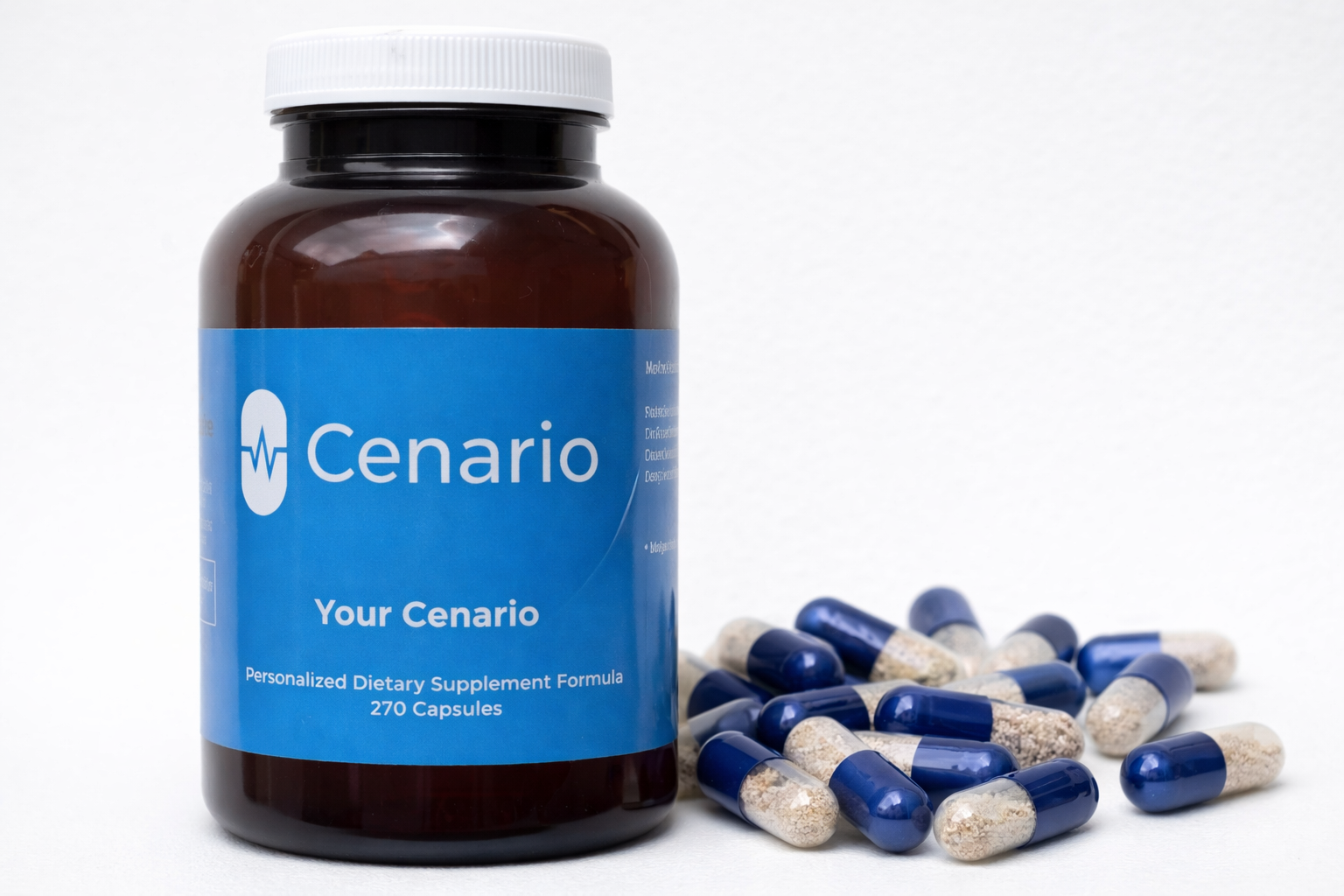
If you want a more targeted approach, take the 3 minute Cenario assessment and find out what may actually be driving your anxiety.
Who might consider them and what to discuss with a doctor
Beta blockers are generally recommended for situational or performance anxiety rather than for generalized anxiety disorders that involve ongoing worry. Common drugs used include propranolol, which is frequently mentioned for short-term, event-based use. If you are exploring beta blockers for performance anxiety, talk with your healthcare provider about your medical history, possible side effects, and any heart or lung conditions that could make these drugs unsafe.
This post will continue by reviewing evidence, comparing beta blockers with other options, and outlining risks and benefits so you can have a balanced conversation with a clinician before trying beta blockers for anxiety.
Evidence and effectiveness
Clinical experience and smaller trials suggest beta blockers for anxiety can reliably reduce the physical signs of acute stress, such as a racing heart, trembling, and sweating. For one-off or planned events like presentations, many people report clearer thinking because their body feels calmer. That benefit is what makes these drugs popular for performance anxiety rather than chronic worry.
At the same time, evidence is mixed for longer term anxiety or generalized anxiety disorder. Some controlled studies show little to no effect on overall anxious thoughts. Other research raises questions about mood changes when beta blockers are used for long periods in people with medical conditions. Because of that uncertainty, most clinicians treat beta blockers as a situational tool rather than a first-line long-term therapy.
How clinicians typically weigh the data
- They consider symptom type: physical-dominant symptoms are more likely to respond.
- They treat short-term needs differently from chronic anxiety and prefer skills-based therapies for the latter.
- They monitor mood and energy when beta blockers are used repeatedly over weeks or months.
Safety, side effects, and contraindications
Common side effects include fatigue, cold hands and feet, dizziness, and slower heart rate. Some people notice low blood pressure or mild sleep changes. More serious issues can occur in people with certain heart or lung conditions.
Key contraindications to discuss with your clinician include asthma or severe chronic obstructive pulmonary disease, marked bradycardia, certain types of heart block, and uncontrolled heart failure. Beta blockers can also mask hypoglycemia symptoms in people with diabetes, so careful management is required.
Stopping beta blockers suddenly can cause rebound effects such as a rapid heart rate or elevated blood pressure. Any change in dosing should be managed by a prescriber.
Drug interactions to watch for
- Other blood pressure medications can increase dizziness or fainting risk.
- Certain antidepressants and heart medications may change how beta blockers are metabolized.
- Alcohol can increase drowsiness or lightheadedness when combined with beta blockers.
Practical use and dosing considerations
For performance situations, clinicians often recommend a single low dose taken before the event rather than daily use. Commonly used doses are conservative and tailored to body size, existing medical conditions, and other medicines. Timing is also important because peak effect usually occurs within 30 to 90 minutes after a dose.
Because individual response varies, a supervised trial with a clinician can help determine whether the medication reduces your physical symptoms without unwanted effects. If you are curious about non-drug options or a combined plan, consider pairing brief medication use with skills-based strategies.
Comparing beta blockers with other approaches
Compared with benzodiazepines, beta blockers are non-habit-forming and less sedating. Benzodiazepines can reduce both physical and subjective anxiety quickly but carry risks of dependency and cognitive slowing. Therapy options, such as cognitive-behavioral therapy and exposure practice, address the thought patterns and avoidance that sustain performance anxiety. Many experts recommend combining short-term medication for critical events with long-term training in performance skills.
When to seek a specialist opinion
- If you have heart or lung disease, get cardiology input before starting beta blockers.
- If you plan repeated use over months, discuss mood monitoring and alternative treatments.
- If you want a tailored plan, book a consultation with a clinician experienced in anxiety management.
Current trends and prescriptions
In recent years clinicians have prescribed beta blockers for anxiety more often, especially for situational or performance anxiety. Primary care prescribing trends show increases in short-term use for single events like presentations or concerts. At the same time, academic reviews and specialist services have pushed back, noting limited high-quality trials for noncardiac populations and urging care when use becomes routine rather than occasional.
Why prescriptions are rising
Several practical factors explain the rise. Beta blockers are familiar to prescribers, inexpensive, and provide rapid relief for visible physical symptoms. Patients also prefer a non-sedating option that preserves mental clarity. These reasons combine with increased awareness of performance anxiety to drive more off-label prescribing.
Where evidence still falls short
Although many people report meaningful symptom relief, large randomized controlled trials for long-term anxiety outcomes in otherwise healthy people remain sparse. Some studies in cardiac populations have raised concerns about mood changes with extended use. That mix of real-world benefit and limited long-term evidence is why many clinicians treat beta blockers as an event tool rather than a daily solution.
Balancing risks and benefits
Deciding whether to try beta blockers for anxiety should follow a simple framework: match the treatment to the problem, check safety, trial under supervision, and pair with skills training when appropriate.
Who may benefit most
- People with clear, physical-dominant symptoms during specific events, such as performers and public speakers.
- Those seeking short-term relief without cognitive sedation.
- People without contraindicating conditions such as severe asthma or certain heart conduction problems.
When to be cautious
- Repeated nightly or daily use without mood monitoring, since long-term effects on depression are not fully resolved.
- Individuals with diabetes where hypoglycemia symptoms could be masked.
- Concurrent prescriptions that interact with heart rate or blood pressure control.
Practical steps before trying beta blockers
If you and your clinician are considering beta blockers for anxiety, a sensible plan reduces risk and improves the chance of benefit. Consider these steps:
- Complete a focused medical review for heart, lung, and metabolic conditions.
- Start with a supervised low-dose trial before an important event and evaluate both symptom relief and any side effects.
- Monitor mood and energy if use repeats over several weeks and discuss tapering strategies to avoid rebound effects.
- Pair short-term medication use with behavioral practice such as exposure, rehearsal, and breathing techniques to build long-term confidence.
Explore more guides here:
Conclusion and next steps
Beta blockers for anxiety are a practical, non-sedating tool for many people facing performance or situational stress. The strongest evidence supports occasional, event-based use to blunt physical symptoms. For repeated or long-term needs, combine medication trials with therapy and specialist input to reduce risk and address underlying anxiety.
Anxiety is not a character flaw. It is a biological response that can become dysregulated. When your nervous system is constantly in fight or flight, willpower is not enough.
The real question is not whether anxiety can be improved. It is what is driving yours.
Instead of trying another generic supplement, take the 3 minute Cenario assessment and get a personalized formula designed around your results.
Your anxiety is personal. Your solution should be too.
Start your personalized calm plan now.
Frequently asked questions
What are the common side effects of beta blockers?
Common side effects when using beta blockers for anxiety include fatigue, cold hands or feet, dizziness, and a slower heart rate. These are usually mild but should be discussed with your clinician before trying the medication.
Can beta blockers cause depressive symptoms?
Some studies have raised questions about mood changes during long-term use, so beta blockers for anxiety used repeatedly over months should include mood monitoring and regular review with a prescriber.
Can I use beta blockers for anxiety without a prescription?
No. Beta blockers for anxiety should be taken only under medical guidance because of potential contraindications, interactions, and the need for appropriate dosing and follow-up.
How quickly do beta blockers take effect for performance anxiety?
Beta blockers for anxiety typically begin to reduce physical symptoms within 30 to 90 minutes after an oral dose, which is why clinicians often advise taking a test dose before a planned event to assess timing and benefit.
Frequently Asked Questions
What are the common side effects of beta blockers?
Common side effects when using beta blockers for anxiety include fatigue, cold hands or feet, dizziness, and a slower heart rate. These are usually mild but should be discussed with your clinician before trying the medication.
Can beta blockers cause depressive symptoms?
Some studies have raised questions about mood changes during long-term use, so beta blockers for anxiety used repeatedly over months should include mood monitoring and regular review with a prescriber.
Can I use beta blockers for anxiety without a prescription?
No. Beta blockers for anxiety should be taken only under medical guidance because of potential contraindications, interactions, and the need for appropriate dosing and follow-up.
How quickly do beta blockers take effect for performance anxiety?
Beta blockers for anxiety typically begin to reduce physical symptoms within 30 to 90 minutes after an oral dose, which is why clinicians often advise taking a test dose before a planned event to assess timing and benefit.