
Exploring Natural Solutions for Anxiety Relief
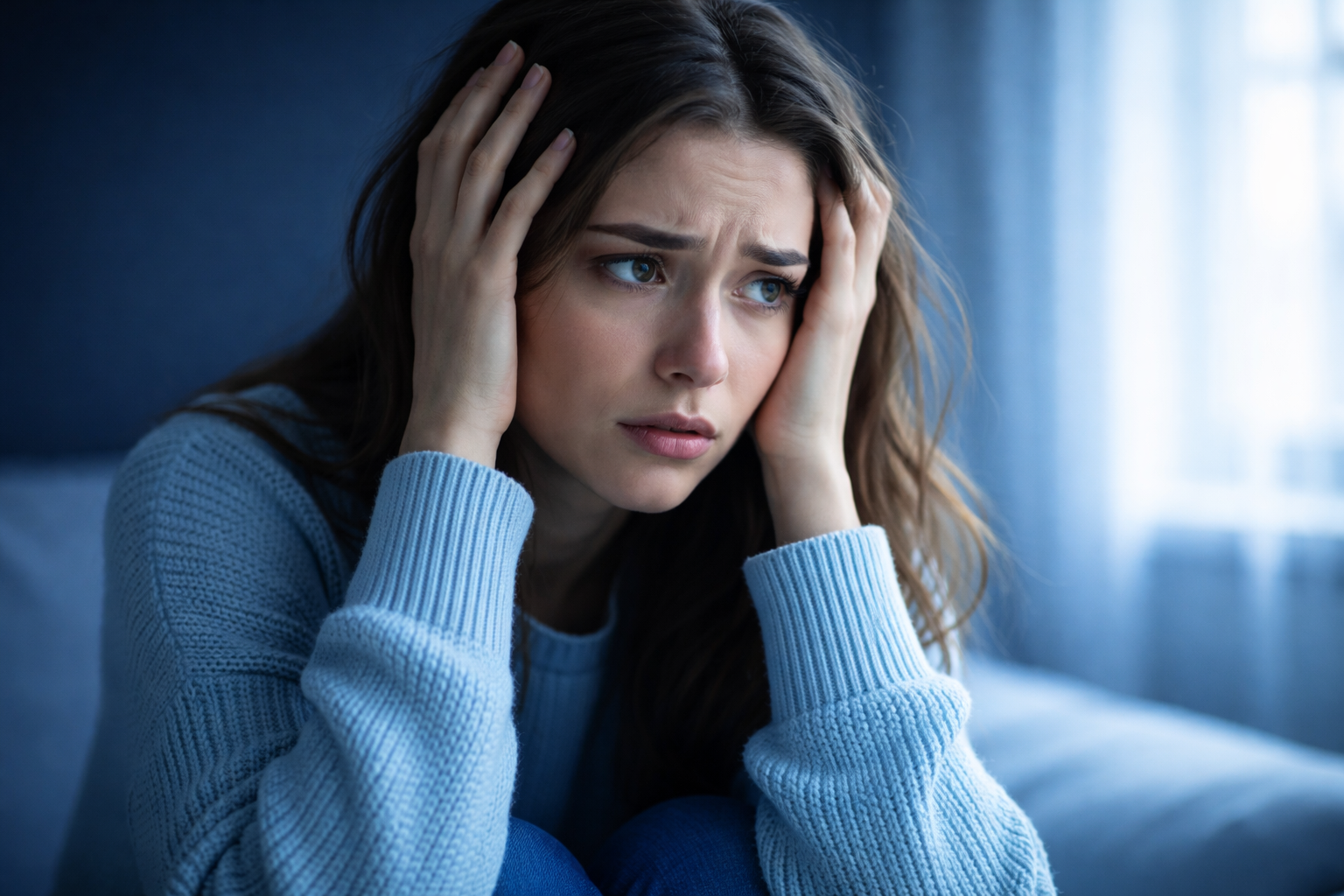
Anxiety is a common mental health issue affecting millions worldwide. Traditionally, many individuals have turned to medication as a primary means of managing their symptoms. However, there is a growing interest in exploring how to treat anxiety without medication. People are increasingly seeking natural, non-drug interventions that can offer relief without the potential side effects associated with pharmaceuticals.
The Importance of a Holistic Approach
Addressing anxiety requires a comprehensive approach that considers both mental and physical health. While medication can be effective, it is not the only option. A holistic perspective encourages individuals to explore various strategies that promote overall well-being. This includes understanding the underlying causes of anxiety and how lifestyle factors can contribute to or alleviate symptoms.
Purpose of Exploring Non-Medication Treatments
The goal of this post is to delve into the various non-medication treatments for anxiety. These methods offer numerous potential benefits, such as fewer side effects and greater accessibility. By understanding and incorporating these natural strategies, individuals can take proactive steps towards managing their anxiety in a way that aligns with their personal preferences and health goals. From behavioral strategies to lifestyle modifications, there are many avenues to explore.
In the following sections, we will discuss some of the most effective non-drug interventions, including cognitive behavioral therapy, mindfulness practices, and relaxation techniques. Each of these methods contributes to an integrated approach to anxiety management, empowering individuals to find relief and improve their quality of life naturally.
Behavioral Strategies for Anxiety Relief
One of the most effective methods for treating anxiety without medication is through behavioral strategies. Cognitive Behavioral Therapy (CBT) stands out as a highly recommended approach. CBT is a structured, goal-oriented therapy that helps individuals identify and modify negative thinking patterns and behaviors. By focusing on the present and challenging distorted cognitions, CBT empowers individuals to develop healthier coping mechanisms. This method is widely recognized for its effectiveness and is often recommended as a primary non-drug intervention for anxiety management.
Feeling unsure what type of anxiety you’re dealing with? Take the free quiz to find your personalized support plan
.png)
Embracing Mindfulness and Meditation
Mindfulness and meditation have gained significant attention for their ability to reduce anxiety. These practices involve focusing on the present moment and accepting it without judgment. Techniques such as meditation, deep breathing exercises, body scans, and guided imagery are integral to mindfulness. Regular practice of these techniques can help individuals cultivate a sense of calm and reduce anxiety symptoms. The benefits of mindfulness are supported by numerous studies, highlighting its potential to enhance mental well-being when practiced consistently.
Relaxation Techniques to Alleviate Anxiety
Relaxation techniques offer another effective way to manage anxiety without medication. Activities like yoga, tai chi, progressive muscle relaxation, and visualization help alleviate both physical and mental tension. These techniques encourage the body to release stress and promote a state of relaxation. By integrating these practices into daily routines, individuals can experience a reduction in anxiety symptoms and an overall improvement in their quality of life.
Lifestyle Modifications for Anxiety Management
Implementing lifestyle changes is a crucial aspect of treating anxiety naturally. Regular exercise, for instance, has been shown to significantly reduce anxiety levels by releasing endorphins and promoting better sleep. Developing healthy sleep habits and maintaining a balanced diet are equally important. Reducing caffeine and alcohol intake can also be beneficial, as these substances can exacerbate anxiety symptoms. Additionally, maintaining a strong social support network provides emotional stability and can help individuals cope with stress more effectively.
Exploring Herbal and Nutritional Supplements
For those interested in natural remedies, herbal and nutritional supplements may offer some relief from anxiety. Herbs such as chamomile, lavender, kava, and passionflower are often used for their calming effects. Nutrients like magnesium and ashwagandha are also popular for their potential to reduce anxiety. However, it’s important to approach these supplements with caution, as the quality of evidence supporting their use varies. Consulting with healthcare professionals before incorporating these supplements into your routine is strongly advised to ensure safety and efficacy.
By exploring these natural strategies, individuals can find effective ways to manage anxiety without relying on medication. Each method offers unique benefits, contributing to a comprehensive approach to anxiety relief. Whether through behavioral therapy, mindfulness, relaxation techniques, lifestyle changes, or herbal supplements, there are numerous options available to support mental well-being naturally.
Exploring Emerging and Less Mainstream Methods
In addition to well-established strategies, there are emerging and less mainstream methods gaining popularity for treating anxiety without medication. One such technique is the Emotional Freedom Technique (EFT), also known as tapping. This method involves tapping on specific points on the body while focusing on anxiety-related thoughts, which is believed to help reduce emotional distress. Although scientific validation is limited, many individuals report experiencing relief from anxiety symptoms through EFT.
Journaling is another powerful tool for managing anxiety. By writing down thoughts and feelings, individuals can gain insight into their anxiety triggers and patterns. Journaling provides an outlet for expressing emotions and helps in organizing thoughts, which can lead to a clearer understanding of personal stressors and solutions.
Building Practical Toolkits for Anxiety Management
To effectively manage anxiety without medication, building a practical toolkit is essential. This can include guided breathing exercises and mindfulness instructions to foster relaxation and present-moment awareness. Simple techniques such as deep breathing or following a guided meditation can be integrated into daily routines to help manage anxiety symptoms.
Additionally, self-assessment checklists can be useful in identifying anxiety triggers and patterns. By regularly evaluating personal stressors, individuals can develop proactive strategies to cope with anxiety. It’s also important to recognize when professional help is needed. Consulting with a therapist or counselor can provide additional support and guidance in managing anxiety effectively.
Conclusion: Embracing a Comprehensive Approach
In summary, there are numerous ways to treat anxiety without medication, each offering unique benefits. From cognitive behavioral therapy and mindfulness practices to lifestyle modifications and emerging techniques like EFT and journaling, a comprehensive approach can empower individuals to manage their anxiety naturally. By exploring these strategies, individuals can develop personalized toolkits that promote mental well-being and improve their quality of life.
You can also explore more guides here:
Anxiety
It’s important to remember that while natural remedies can be beneficial, they are most effective when used as part of a broader, holistic plan. Consulting with healthcare professionals can ensure that these methods are safe and appropriate for individual needs. Embrace these natural approaches as part of your journey towards managing anxiety and enhancing your overall well-being.
You don’t have to figure this out alone. Take the quiz and get personalized guidance today
Frequently Asked Questions
What is the most effective non-drug treatment for anxiety?
Cognitive Behavioral Therapy (CBT) and mindfulness practices are often considered the most effective non-drug treatments for anxiety. These methods help individuals modify negative thought patterns and focus on the present moment, reducing anxiety symptoms.
Are herbal supplements safe for treating anxiety?
While some herbal supplements like chamomile and lavender may help reduce anxiety, it’s important to consult healthcare professionals before use. The evidence supporting their effectiveness varies, and there may be potential risks or interactions with other treatments.
How can lifestyle changes impact anxiety levels?
Lifestyle changes such as regular exercise, healthy sleep habits, and a balanced diet can significantly impact anxiety levels. Reducing caffeine and alcohol intake and maintaining social support are also crucial for managing anxiety naturally.
Can natural remedies completely replace medication for anxiety?
Natural remedies can complement medication but may not completely replace it for everyone. A personalized treatment plan that includes both natural and conventional methods, guided by healthcare professionals, is often the most effective approach.