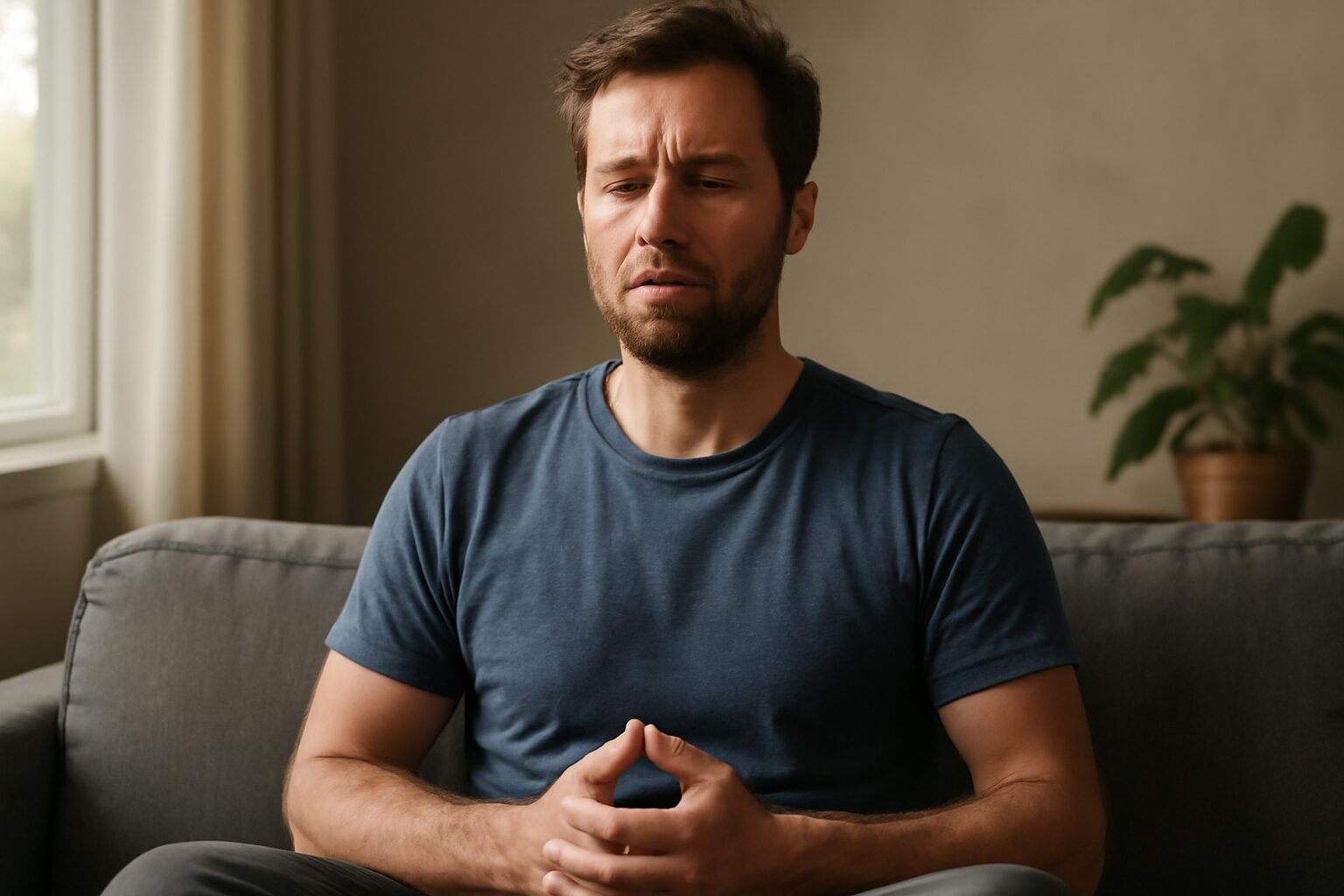

Anxiety attacks are becoming increasingly common in today’s fast-paced, high-pressure world.
These episodes are marked by sudden surges of fear or panic that can feel overwhelming and out of control.
Common symptoms include a racing heartbeat, chest tightness, shortness of breath, dizziness, trembling, and even a sense that something terrible is about to happen. For many people, the experience is so intense that it feels like a medical emergency. While anxiety attacks are not life-threatening, they can be deeply unsettling and disruptive to daily life.
Why management matters
With anxiety disorders affecting millions worldwide, finding ways to manage these attacks has become a priority. Standard treatments, such as medication and therapy, play an important role, but they don’t work the same way for everyone. Some individuals prefer to avoid medication, while others look for additional tools to use alongside therapy. This is where non-invasive, self-guided techniques come in.
Meditation is one of the most promising of these approaches. It helps calm the body and mind at the same time, offering a holistic way to regain control when anxiety strikes.
Unlike quick fixes, meditation builds long-term resilience by teaching people to manage their thoughts, regulate their breathing, and stay grounded during moments of panic. For many, it becomes not just a coping strategy but also a lifestyle practice that reduces the frequency and intensity of attacks over time.
Meditation for anxiety relief
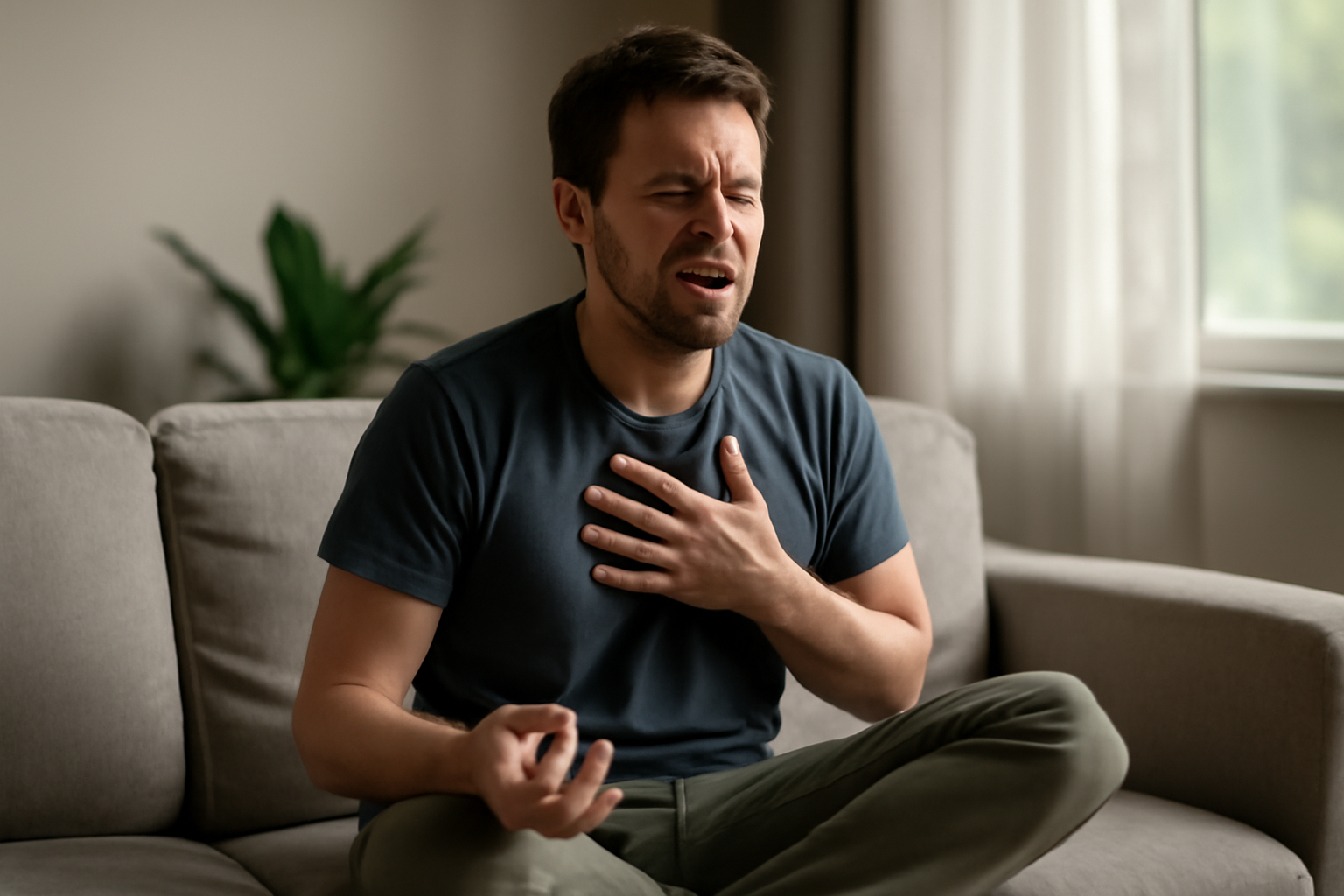
Meditation, once seen as an ancient practice, is now widely used to reduce anxiety. It works by helping people focus on the present moment and notice their thoughts without judgment. This creates a sense of calm and lowers both mental stress and physical tension.
For those who experience anxiety attacks, meditation can be a powerful tool. It teaches the mind to slow down and let go of spiraling “what if” thoughts that fuel panic. With regular practice, people often feel calmer, more resilient, and better able to handle stressful situations.
At Cenario, we see meditation as more than just a wellness trend. It’s a practical way to manage anxiety naturally. Whether you’re new to it or already practicing, our guides and resources can help you use meditation to build balance and peace in daily life.
What science says
Research strongly supports meditation as an effective way to ease anxiety:
- Studies show it lowers stress hormones like cortisol and reduces inflammation in the body.
- Reviews by major health institutions, including Harvard Health, confirm meditation helps reduce psychological stress and improve emotional well-being.
- Results are often comparable to other non-drug methods like exercise and relaxation training.
How it changes the brain
Meditation doesn’t just make you feel calmer it changes how your brain and body respond to stress.
- The amygdala, the part of the brain linked to fear, becomes less reactive.
- The prefrontal cortex, which controls focus and decision-making, becomes stronger.
- Stress hormones drop, easing tension in both body and mind.
These changes mean meditation helps not only in the moment but also reduces the chance of future anxiety attacks.

Popular meditation techniques for anxiety attacks
Different meditation techniques can help during anxiety attacks, each with unique benefits:
- Breathing exercises: Simple patterns like the 4-7-8 method slow the heart rate and calm the nervous system, bringing quick relief in moments of panic.
- Grounding techniques: Focusing on what you see, hear, or feel helps you stay in the present and regain control.
- Body scan meditation: Moving your attention through each part of the body helps release tension and ease anxiety symptoms.
- Loving-kindness meditation: This practice shifts your mindset by focusing on compassion and positive emotions, which can feel especially soothing during stress.
How to use meditation in daily life
Meditation can be used in two ways:
- Preventive practice: Regular sessions strengthen resilience, making it easier to handle anxiety when it appears.
- In the moment: Breathing exercises or grounding techniques can be used during an anxiety attack to calm the body and mind.
For beginners, guided meditations are a good starting point. Apps, videos, and online resources provide structure and make it easier to build a routine.
Overcoming common challenges
Meditation doesn’t always feel easy at first. Some people struggle to stay focused or feel uncomfortable sitting still. These problems can be solved with small adjustments:
- Start with short sessions, then slowly increase the time.
- Use guided meditations for extra support and direction.
- Adjust your posture or use cushions to make the body more comfortable.
The key is finding the technique and setup that works best for you.
Adapting meditation to different settings
Meditation is flexible and can be practiced almost anywhere:
- At work: Take short breaks for breathing or grounding exercises to reduce stress and improve focus.
- At home: Create a quiet corner for regular practice, even if it’s just a chair in a calm space.
- On the go: Use meditation apps during commutes, walks, or while waiting in line.
This adaptability makes meditation easy to keep consistent, no matter your routine.
Frequently Asked Questions
What’s the best time of day to meditate?
It depends on your schedule. Many people find mornings helpful for setting a calm tone for the day, while evenings work well for relaxing before sleep. Consistency matters more than the exact time.
How long should I meditate to see results?
Even 5 minutes a day can make a difference, but 10–20 minutes is often recommended. The key is regular practice over weeks and months.
Can meditation stop an anxiety attack immediately?
Meditation may not stop every attack instantly, but techniques like breathing exercises or grounding can reduce symptoms quickly and make attacks less intense. Over time, regular practice also lowers how often they occur.
Can meditation replace therapy or medication?
Meditation is a powerful tool, but it isn’t a cure-all. For many people, it works best alongside therapy or medical treatment. Always discuss changes in treatment with a professional.
Can meditation make anxiety worse?
Some people feel uncomfortable at first because meditation makes them more aware of their thoughts and feelings. This usually improves with practice. If it feels overwhelming, try shorter sessions, use guided meditations, or focus on breathing instead of emotions.
Which techniques are best during an anxiety attack?
Quick methods work best breathing exercises, grounding, or short body scans. Loving-kindness and longer mindfulness practices are better suited for building resilience over time.
Do I need a quiet space to meditate?
A quiet space helps, but it isn’t required. You can meditate anywhere, even on a bus or at your desk. Using headphones or guided sessions can help block distractions.
What if I can’t stop my thoughts?
The goal isn’t to stop thoughts it’s to notice them without judgment and gently return your focus to the breath, body, or guidance. Over time, this gets easier.
How soon will I notice results?
Some people feel calmer after their first session. For lasting benefits, most studies show consistent practice over 6–8 weeks significantly reduces anxiety symptoms.
Is meditation religious or spiritual?
Meditation has roots in spiritual traditions, but modern practices are often completely secular. You can choose a style that matches your personal beliefs and comfort.
Can kids or teens use meditation for anxiety?
Yes. Many schools now teach mindfulness because it helps children regulate emotions and reduce stress. Short, guided sessions are usually best for younger people.
Do I need special equipment?
No. You just need a few minutes and a comfortable position. Optional tools like cushions, headphones, or apps can make it easier but aren’t necessary.