
The Appeal of Natural Remedies
Anxiety is a prevalent mental health challenge, affecting millions of individuals worldwide. As awareness of mental health issues grows, so does the interest in exploring natural remedies for anxiety. These alternatives or complements to traditional treatments offer a promising path for those seeking holistic approaches to manage their symptoms.
Natural remedies for anxiety are gaining popularity due to their potential for fewer side effects compared to conventional medications. Many individuals are drawn to these options because they often offer holistic benefits, addressing both the mind and body. In this blog post, we will delve into various natural remedies, including herbal supplements, lifestyle changes, and mindfulness practices, providing a comprehensive overview of their potential benefits.
Types of Natural Remedies Explored
- Herbal Supplements: Discover the calming effects of chamomile, lavender, passionflower, and kava, among others.
- Lifestyle Changes: Learn how incorporating exercise, yoga, and dietary adjustments can positively impact anxiety levels.
- Mindfulness Practices: Explore the benefits of meditation and mindfulness in reducing stress and improving emotional regulation.
Setting the Stage for Evidence-Based Choices
While the allure of natural remedies is strong, it’s crucial to approach them with informed caution. The need for evidence-based information cannot be overstated, as not all natural treatments are backed by robust scientific research. Before embarking on a journey with natural remedies, consulting healthcare providers is essential to ensure safety and effectiveness. This step is particularly important for those already on medication, as interactions can occur.
In the following sections, we will explore each remedy in detail, providing insights into their efficacy, safety considerations, and practical tips for incorporation into daily life. By understanding both the potential benefits and limitations, individuals can make informed decisions about integrating natural remedies into their anxiety management strategies.
Herbal Remedies for Anxiety
Chamomile: A Soothing Ally
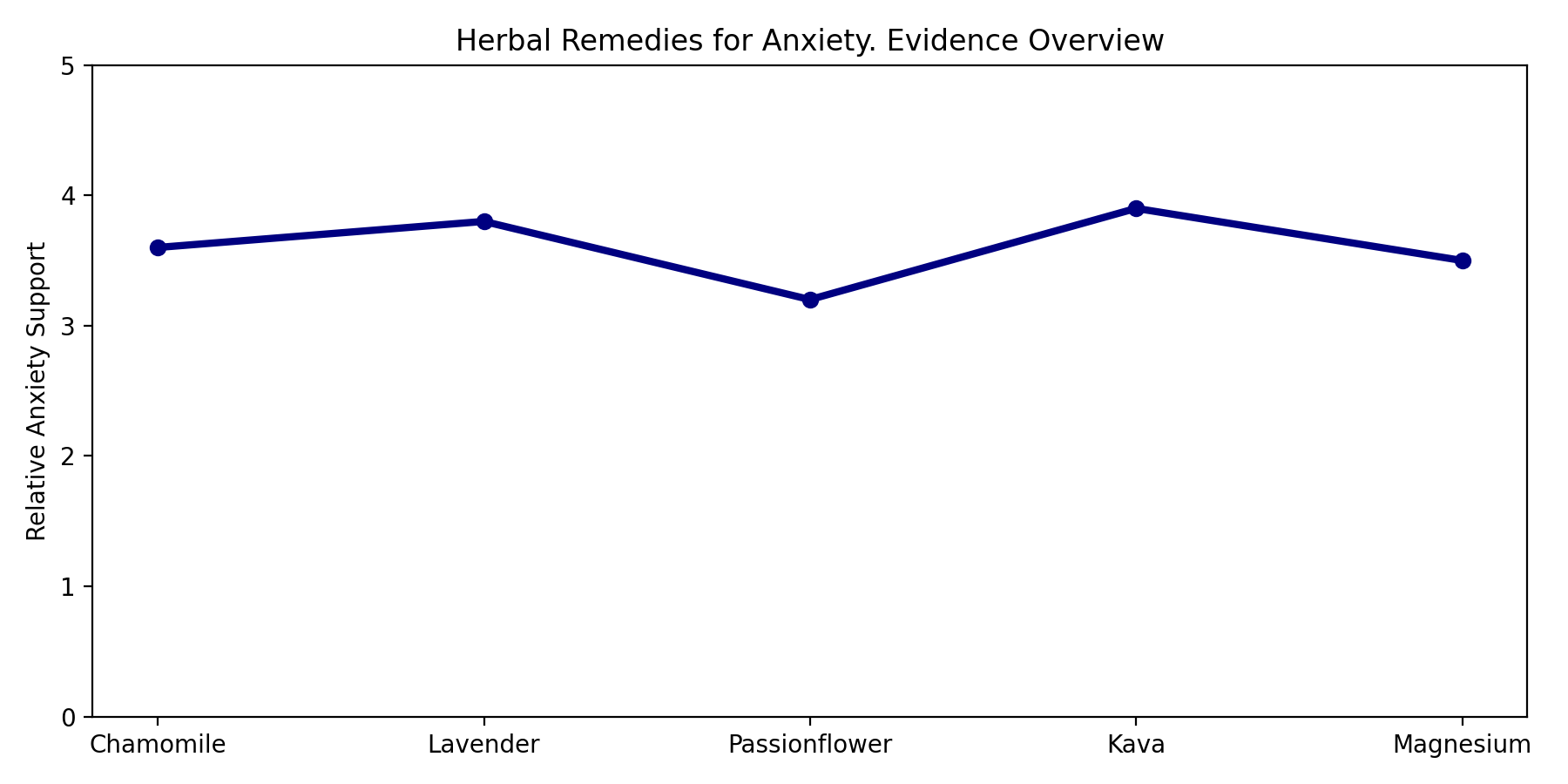
Chamomile has long been celebrated for its calming properties, often consumed as a tea to promote relaxation and sleep. Studies suggest that chamomile can significantly reduce anxiety symptoms, thanks to its natural compounds like apigenin, which bind to brain receptors that help decrease anxiety.
However, it’s important to be aware of potential allergies, especially for those allergic to plants in the daisy family. Additionally, chamomile may interact with blood-thinning medications, so consulting a healthcare provider is advisable before starting regular use.
Lavender: Nature’s Tranquilizer
Lavender is renowned for its soothing aroma, often used in aromatherapy to alleviate stress and anxiety. Research supports the effectiveness of lavender oil and Silexan supplements in reducing anxiety levels. These studies highlight lavender’s ability to influence the limbic system, which plays a role in emotional regulation.
Despite its benefits, lavender can cause skin irritation in some individuals and may interact with sedatives. It’s crucial to test a small amount first and avoid combining it with other calming medications without professional advice.
Passionflower: A Historical Remedy
Passionflower has been used historically for its sedative properties, helping to calm the mind and reduce anxiety. Small studies indicate that passionflower can be effective in decreasing anxiety symptoms, potentially due to its ability to increase levels of gamma-aminobutyric acid (GABA) in the brain.
While generally safe, passionflower may cause side effects such as dizziness or confusion, especially in high doses. Individuals should start with lower doses and consult with a healthcare provider if they are taking other medications.
Kava: A Traditional Solution with Cautions
Kava, a traditional remedy from the Pacific Islands, is known for its stress-relieving properties. Research shows that kava can be effective in treating anxiety, but it comes with significant liver health risks. Therefore, it should be used with caution.
Strongly avoid using kava alongside alcohol or if you have liver disease. Regular liver function tests are recommended for those considering kava as a long-term solution.
Magnesium: The Calming Mineral
Magnesium is an essential mineral that plays a crucial role in nerve function and mood regulation. Studies link magnesium deficiency to increased anxiety, suggesting that supplementation can help restore balance and calmness.
Safe dosage varies, but incorporating magnesium-rich foods like leafy greens, nuts, and seeds into your diet can be beneficial. As with any supplement, it’s important to discuss with a healthcare provider to avoid potential interactions with medications.
Lifestyle Changes and Mindfulness Practices
Mindfulness and Meditation: Cultivating Inner Peace
Mindfulness and meditation practices are powerful tools for managing anxiety, offering stress reduction and improved emotional regulation. Research supports mindfulness-based interventions as effective strategies for reducing anxiety symptoms.
Incorporating mindfulness into daily life can be as simple as setting aside a few minutes each day to focus on your breath and be present in the moment. This practice can gradually build resilience against stress.
Exercise and Yoga: Physical Activity for Mental Clarity
Regular exercise is a natural anxiety reliever, with studies showing its positive impact on mood and mental health. Activities like walking, jogging, or cycling can increase endorphins and reduce stress hormones.
Yoga, in particular, combines physical movement with mindfulness, offering a holistic approach to anxiety relief. Poses such as child’s pose and legs-up-the-wall can be especially calming.
Dietary Adjustments: Nourishing the Mind and Body
Diet plays a significant role in mental health, with certain foods known to support anxiety management. Incorporating omega-3 fatty acids, probiotics, and antioxidants can promote a balanced mood.
Conversely, reducing intake of caffeine, processed foods, and sugars can help prevent anxiety spikes. Studies suggest that these dietary adjustments can have a profound impact on overall well-being.
By exploring these natural remedies and integrating them into your lifestyle, you can take proactive steps toward managing anxiety. Always remember to consult with a healthcare provider to tailor these approaches to your individual needs, ensuring safety and effectiveness.
romatherapy and Herbal Teas: Nature’s Soothing Scents
Aromatherapy and herbal teas are popular natural remedies for anxiety, offering calming effects through the senses of smell and taste. Essential oils like lavender, bergamot, and ylang-ylang can be diffused in your home or added to a warm bath to create a relaxing environment. Studies have shown that aromatherapy can significantly reduce anxiety levels by influencing the limbic system, which controls emotions.
Herbal teas, such as chamomile and peppermint, provide a comforting ritual that can help ease anxiety symptoms. The act of sipping a warm beverage can be soothing, and the natural compounds in the herbs can promote relaxation. To maximize the benefits, consider creating a daily routine that incorporates these teas, allowing yourself a moment of peace and tranquility.
Ashwagandha: An Ancient Ayurvedic Remedy
Ashwagandha, a traditional herb used in Ayurvedic medicine, is renowned for its stress-relieving properties. Research indicates that ashwagandha can effectively reduce anxiety symptoms by lowering cortisol levels, the body’s primary stress hormone. This adaptogenic herb helps the body adapt to stress, promoting a sense of calm and balance.
While ashwagandha is generally considered safe, it may interact with thyroid medications and other prescriptions. It’s important to consult with a healthcare provider before adding ashwagandha to your regimen, especially if you are taking other medications or have a medical condition.
Conclusion: Embracing Natural Remedies for Anxiety Relief
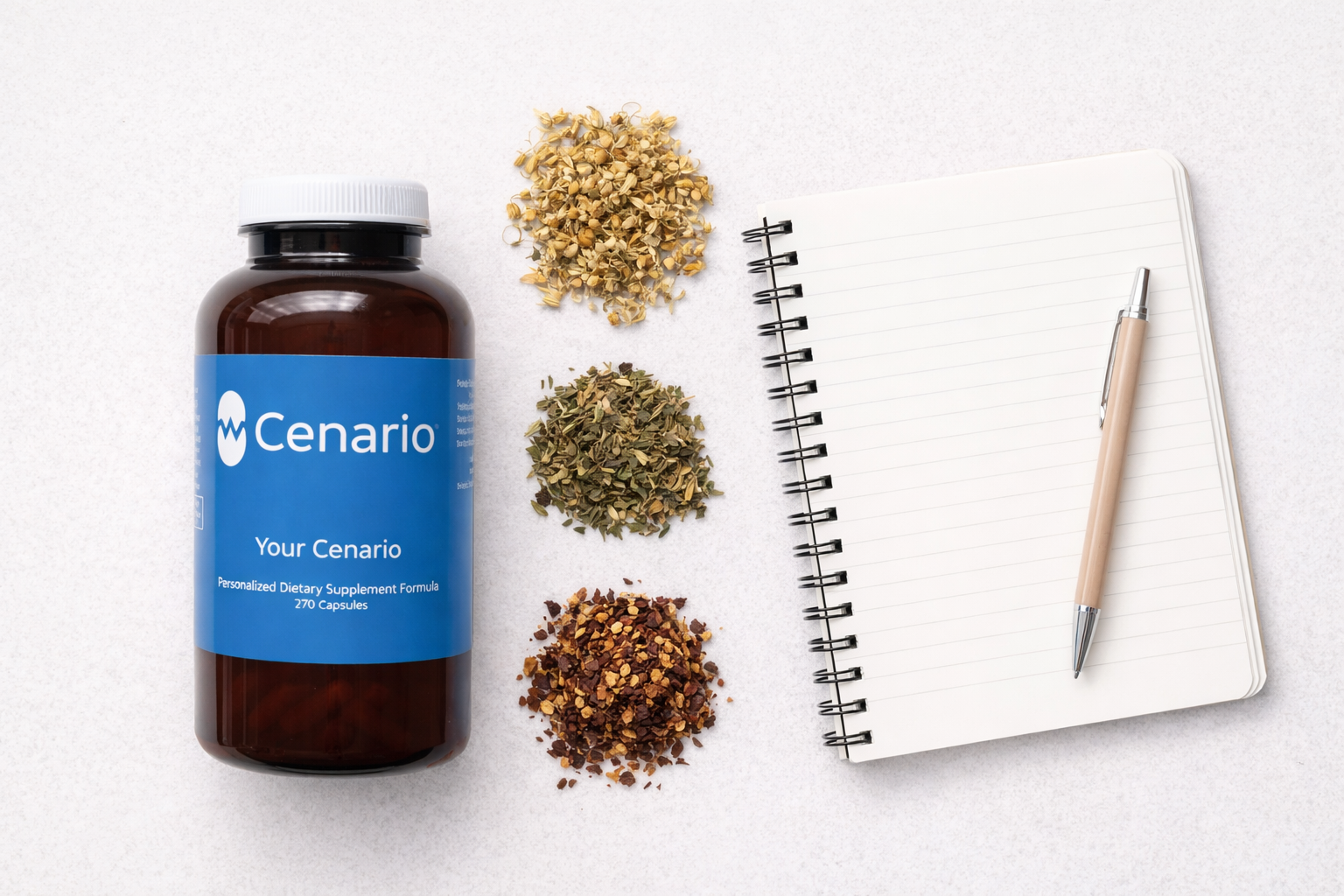
Exploring natural remedies for anxiety can be a rewarding journey toward achieving mental well-being. Whether it’s the calming effects of herbal teas and aromatherapy or the ancient wisdom of ashwagandha, these remedies offer a holistic approach to managing anxiety. It’s crucial to remember that while natural remedies can complement traditional treatments, they should not replace professional medical advice.
By integrating these natural options into your lifestyle, you can take proactive steps to manage anxiety and enhance your quality of life. Always consult with a healthcare provider to ensure that your chosen remedies are safe and effective for your individual needs. Embrace the journey toward a more balanced and peaceful life, and explore the wide range of natural solutions available to support your mental health.
Frequently Asked Questions
What is the best natural remedy for anxiety?
The best natural remedy for anxiety varies from person to person, but commonly effective options include chamomile, lavender, and mindfulness practices. Each individual may respond differently, so it’s important to try different remedies to find what works best for you.
Which herbs help with anxiety?
Several herbs are known to help with anxiety, including chamomile, lavender, passionflower, kava, and ashwagandha. It’s essential to consult a healthcare provider before starting any herbal supplement to ensure safety and avoid interactions with medications.
Are natural remedies for anxiety safe?
Natural remedies for anxiety can be safe when used correctly, but they may have side effects or interact with medications. Consulting with a healthcare provider is crucial to ensure that any natural remedy you choose is safe for your specific circumstances.
Can lifestyle changes really help with anxiety?
Yes, lifestyle changes can significantly help with anxiety. Regular exercise, a balanced diet, and mindfulness practices have all been supported by scientific research as effective strategies for reducing anxiety symptoms and improving overall mental health.