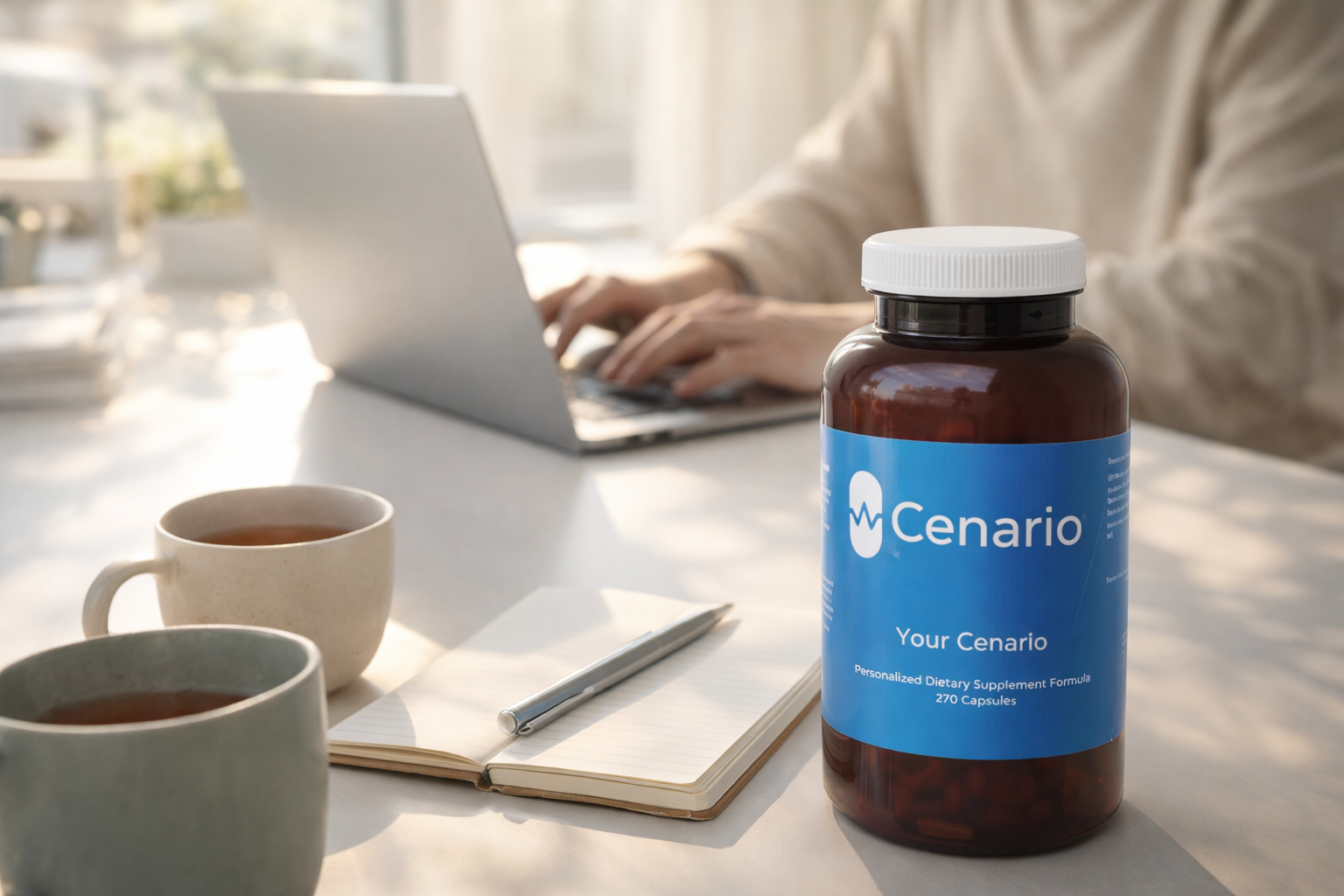

In recent years, the use of GABA, or Gamma-Aminobutyric Acid, has gained significant attention as a natural supplement for anxiety relief. Known for its calming and anxiolytic effects, GABA is increasingly being considered by those looking to manage anxiety symptoms without the use of traditional medication. As anxiety continues to impact many individuals, the interest in GABA as a potential solution is on the rise.
Understanding the Importance of Timing
While GABA’s benefits are well-documented, the timing of its intake plays a crucial role in maximizing its effectiveness. The best time to take GABA for anxiety is not a one-size-fits-all answer. It often depends on individual needs and daily routines. By understanding and optimizing the timing of GABA supplementation, users can potentially enhance its calming effects and better manage anxiety symptoms.
Key Considerations for GABA Timing
When it comes to incorporating GABA into your routine, several key considerations should be kept in mind. These include the frequency of dosing, the timing related to sleep and anxiety, and the need for professional consultation. Typically, GABA is taken 2–3 times daily—morning, afternoon, and evening—to maintain steady levels throughout the day. However, if anxiety particularly affects sleep, taking GABA 30–60 minutes before bedtime can be especially beneficial.
.png)
In the following sections, we will delve deeper into these considerations, exploring the common dosing strategies, how to tailor timing to individual needs, and the importance of consulting healthcare professionals before making any changes to your supplement regimen. Understanding these elements will help you make informed decisions about using GABA for anxiety relief.
Feeling unsure what type of anxiety you’re dealing with? Take the free quiz to find your personalized support plan
GABA Dosing Strategies
When considering the best time to take GABA for anxiety, understanding dosing strategies is crucial. Typically, GABA is dosed at 200–800 mg daily, split into 2–3 doses. This schedule often includes morning, afternoon, and evening doses to maintain steady GABA levels throughout the day. The goal is to ensure a consistent presence of GABA in the system, which can help manage anxiety effectively.
For some individuals, taking GABA before anticipated stressful situations can also be beneficial. This approach allows users to prepare for anxiety-inducing events, providing a calming effect when it’s needed most. However, it’s important to consult with a healthcare provider to determine the most appropriate dosing strategy for your specific needs.
Timing and Individual Needs
While a standardized dosing schedule can be effective, personalizing the timing of GABA intake is essential. The calming effects of GABA might lead to drowsiness, making morning doses less suitable for some individuals. If you experience drowsiness after taking GABA, consider adjusting your schedule to mid-day or evening doses.
Assessing when your anxiety symptoms are most prevalent can guide you in choosing the optimal timing. For instance, if anxiety peaks in the evening, an evening dose might be more beneficial. Personalizing your GABA intake based on your daily routine and anxiety patterns can enhance its effectiveness.
Bedtime Dosing for Sleep and Evening Anxiety
Research suggests that taking GABA 30–60 minutes before bedtime can help reduce the time it takes to fall asleep and manage nighttime anxiety. This dual benefit is particularly valuable for individuals whose anxiety interferes with their sleep. By incorporating GABA into your bedtime routine, you can potentially improve both sleep quality and anxiety management.
Evening doses of GABA not only support better sleep but also help address anxiety that tends to arise at night. This approach aligns with studies highlighting GABA’s anxiolytic effects, making it a suitable option for those struggling with both anxiety and sleep disturbances.
Safety and Consultation
When beginning GABA supplementation, starting with lower doses, such as 200–300 mg, is advisable. Gradually increasing the dosage under medical supervision can help minimize potential side effects and ensure safe use. It’s important to be aware of possible interactions with other medications, which is why consulting a healthcare professional is essential.
Additionally, the quality of GABA supplements can vary significantly. Choosing reputable brands and seeking professional guidance can help you avoid potential issues related to supplement quality. A healthcare provider can offer personalized advice based on your health profile and needs, ensuring that GABA is used safely and effectively.
Conclusion
Understanding the optimal timing for taking GABA is key to maximizing its benefits for anxiety relief. By considering dosing strategies, individual needs, and the timing related to sleep and anxiety, you can make informed decisions about incorporating GABA into your routine. Remember to start with lower doses and consult with a healthcare professional to ensure safe and effective use.
Ultimately, the best time to take GABA for anxiety depends on your personal anxiety patterns and lifestyle. By tailoring your approach and seeking professional guidance, you can enhance GABA’s calming effects and better manage anxiety symptoms.
Balancing Anxiety and Daytime Functionality
One of the challenges in determining the best time to take GABA for anxiety is balancing its calming effects with the need for daytime alertness. While GABA can be effective in managing anxiety symptoms, its potential to cause drowsiness may not be ideal for morning doses. For individuals who experience drowsiness, mid-day or evening doses might be more appropriate. This approach allows for anxiety relief without compromising daytime functionality.
Monitoring your response to GABA is crucial. By keeping track of when anxiety symptoms occur and how your body reacts to different dosing times, you can adjust your schedule to maximize benefits. This personalized approach ensures that GABA supports your anxiety management without interfering with daily activities.
Evidence Gaps and Long-term Use
While GABA is widely used as a supplement for anxiety relief, research on its long-term effects remains limited. Most studies focus on short-term use, leaving questions about its efficacy and safety over extended periods. Therefore, it’s important to approach GABA supplementation with caution and consider it as part of a broader anxiety management strategy.
Incorporating lifestyle changes and other therapies, such as cognitive-behavioral therapy or mindfulness practices, can complement GABA’s effects. By combining these approaches, you can create a comprehensive plan that addresses both the symptoms and underlying causes of anxiety.
Conclusion
Determining the optimal time to take GABA for anxiety involves understanding your unique needs and daily routine. While general recommendations suggest taking GABA 2–3 times daily or 30–60 minutes before bedtime for sleep-related anxiety, individual responses can vary. Starting with lower doses and consulting with healthcare professionals can ensure safe and effective use.
You can also explore more guides here:
Anxiety
Ultimately, the best time to take GABA for anxiety depends on personal patterns and lifestyle. By tailoring your approach and seeking professional guidance, you can enhance GABA’s calming effects and better manage anxiety symptoms. Remember that a holistic strategy, incorporating both supplementation and lifestyle modifications, offers the most comprehensive approach to anxiety relief.
You don’t have to figure this out alone. Take the quiz and get personalized guidance today
Frequently Asked Questions
What is the best time of day to take GABA for anxiety?
The best time to take GABA for anxiety is typically 2–3 times a day, including morning, afternoon, and evening. If sleep-related anxiety is a concern, taking GABA 30–60 minutes before bedtime may be especially beneficial.
Can GABA cause drowsiness if taken in the morning?
Yes, GABA can cause drowsiness, making morning doses less suitable for some individuals. Adjusting the timing to mid-day or evening may help avoid this side effect.
What is the recommended starting dose of GABA for anxiety?
It is recommended to start with a lower dose of GABA, such as 200–300 mg, and gradually increase under medical supervision to minimize potential side effects.
Is GABA safe to use with other medications?
Consulting with a healthcare provider is essential to ensure safe use of GABA with other medications, as there may be potential interactions.