
Discover The Top Apps For Managing Anxiety Today
Anxiety affects millions of people and can show up as worry, tension, or sudden panic. Left unmanaged, it can disrupt sleep, work, and relationships. Fortunately, mobile technology now offers practical tools that fit into daily life. From quick breathing exercises to structured cognitive behavioral therapy, the best apps for anxiety make evidence-based strategies available anytime you need them.
Understanding anxiety and its impact
Anxiety is more than feeling stressed. It includes persistent worry, physical symptoms like a racing heart, and episodes of panic that can feel overwhelming. Managing anxiety improves quality of life, helps with concentration, and reduces the chance of long-term problems such as sleep disorders or burnout. Small, consistent actions often help more than one-off fixes, which is why many people turn to apps for daily support.
The rise of anxiety management apps
In recent years, app developers and clinicians have worked together to create tools that serve both immediate relief and long-term change. Popular features include:
- Guided meditations and sleep stories for calm and better rest
- CBT-based lessons and interactive exercises to reframe anxious thoughts
- Mood tracking and journaling to spot patterns over time
- Breathing and grounding tools for panic or acute stress
- AI chatbots that offer 24/7 conversational support and CBT prompts
Search trends in 2025 and 2026 show strong demand for free or freemium options, AI-driven support, and therapist-endorsed tools. Long-tail queries like best free AI anxiety apps 2026 and therapist-recommended anxiety trackers are increasingly common as users look for accessible, evidence-backed solutions.
What to expect in the rest of this guide
Below, we will explore top-rated options across categories: free panic tools, guided meditation leaders, gamified self-care, and AI chatbots. You will see which apps focus on immediate relief, which help build skills over time, and which prioritize privacy and clinician-friendly features. If you are unsure where to start, consider taking a short assessment to match features to your needs.
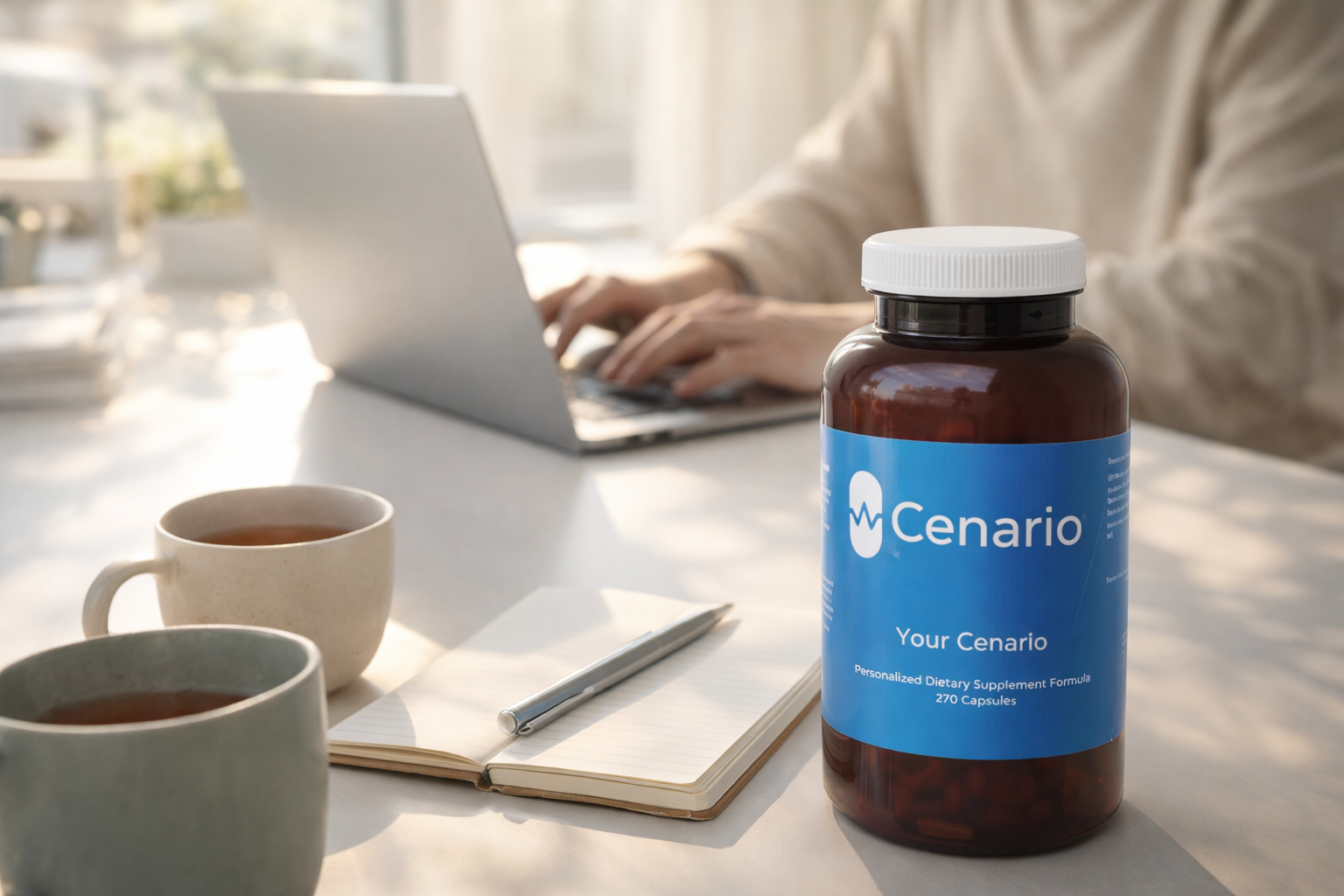
If you want a more targeted approach, take the 3 minute Cenario assessment and find out what may actually be driving your anxiety.
Top apps and what sets them apart
This second part goes deeper into the best apps for anxiety and explains which tool fits common needs. Below you will find quick comparisons, notes on evidence and privacy, and practical tips to help you pick one app and use it consistently.
mind ease: free panic tools with academic backing
- What it does: breathing guides, grounding exercises, mood tracking, personalized lessons and sleep sounds designed for quick relief.
- pricing: free. Recent updates removed the subscription requirement so core features are accessible at no cost.
- clinical note: developed by experts and endorsed by the University of Oxford, which helps it rank among the best apps for anxiety focused on panic relief.
- caveat: some users report occasional bugs. If you rely on an app during panic, test tools in calm moments first.
calm and headspace: guided meditation and sleep tools
Both Calm and Headspace remain leaders for people who benefit from guided meditations and structured programs. Calm is known for sleep stories and celebrity narrations while Headspace is praised for progressive courses and workplace programs.
- best for: improving sleep and building a daily meditation habit.
- pricing: freemium with subscriptions; both offer short trials to test whether guided meditations help reduce daily anxiety.
- consider: if your priority is immediate panic relief, pair these apps with a fast-acting tool like Mind Ease or a breathing trainer.
finch and happify: gamified approaches to long-term change
Finch uses a virtual pet to encourage self-care routines. Happify uses gamelike activities built from positive psychology and CBT. These apps can make practice feel less like a chore and more like daily play.
- who benefits: people who struggle with consistency and respond well to rewards and progress tracking.
- pricing: Finch has affordable monthly and yearly options; Happify is higher priced but focuses on measurable skill gains.
Explore more guides here:
wysa and woebot: ai chatbots offering cbt-style support
AI chatbots provide conversational CBT prompts, crisis coping scripts, and mood check-ins 24/7. They are not a replacement for clinical therapy but can offer immediate, structured help between sessions.
- evidence: observational studies and clinician feedback show reductions in anxious and depressive symptoms for many users, especially young adults.
- pricing: freemium models let you try conversational features before committing.
- best use: combine with therapist guidance or use as daily practice for cognitive restructuring and thought tracking.
privacy, security, and clinician integration
When evaluating the best apps for anxiety, privacy matters. Look for end to end encryption, clear privacy policies, and whether data can be shared securely with a clinician. Some platforms offer clinician dashboards or exportable reports for therapy sessions.
If privacy is a priority, check each app’s settings and the app store description before signing up. For workplace or clinician-facing solutions, consider apps that advertise HIPAA-compliant workflows or clinician integration options.
how to choose the right app for your needs
- Decide whether you need immediate relief, long-term skills, or both.
- Try free tiers or trials to test usability under stress.
- Check ratings and endorsements to see if an app uses evidence-based methods.
- Review privacy settings and export options if you plan to share data with a clinician.
- Match features to routine: short breathing tools for commutes, journaling for evenings, chatbots for nights
Choosing among the best apps for anxiety comes down to which features you will actually use. Test one tool for at least two weeks, track changes with a mood journal, and switch if a different approach seems more helpful. Small, consistent steps with the right app can make daily life feel more manageable.
Headspace, stress ball, and flourish
Beyond the core players already covered, a few niche apps add useful features that round out the list of best apps for anxiety. These tools fill gaps: immersive fidgets for sensory grounding, AI buddies for habit building, and focused journaling apps that reveal mood patterns over time. Below are practical notes to help you pick a complementary tool rather than replace a primary app.
Headspace: structured practice with workplace options
Headspace is familiar to many for its progressive meditation courses and short, daily practices. If you already use a chatbot or a panic kit for acute moments, Headspace can be the daily backbone for building resilience. Its enterprise offerings also make it one of the top anxiety apps used in workplace wellness programs.
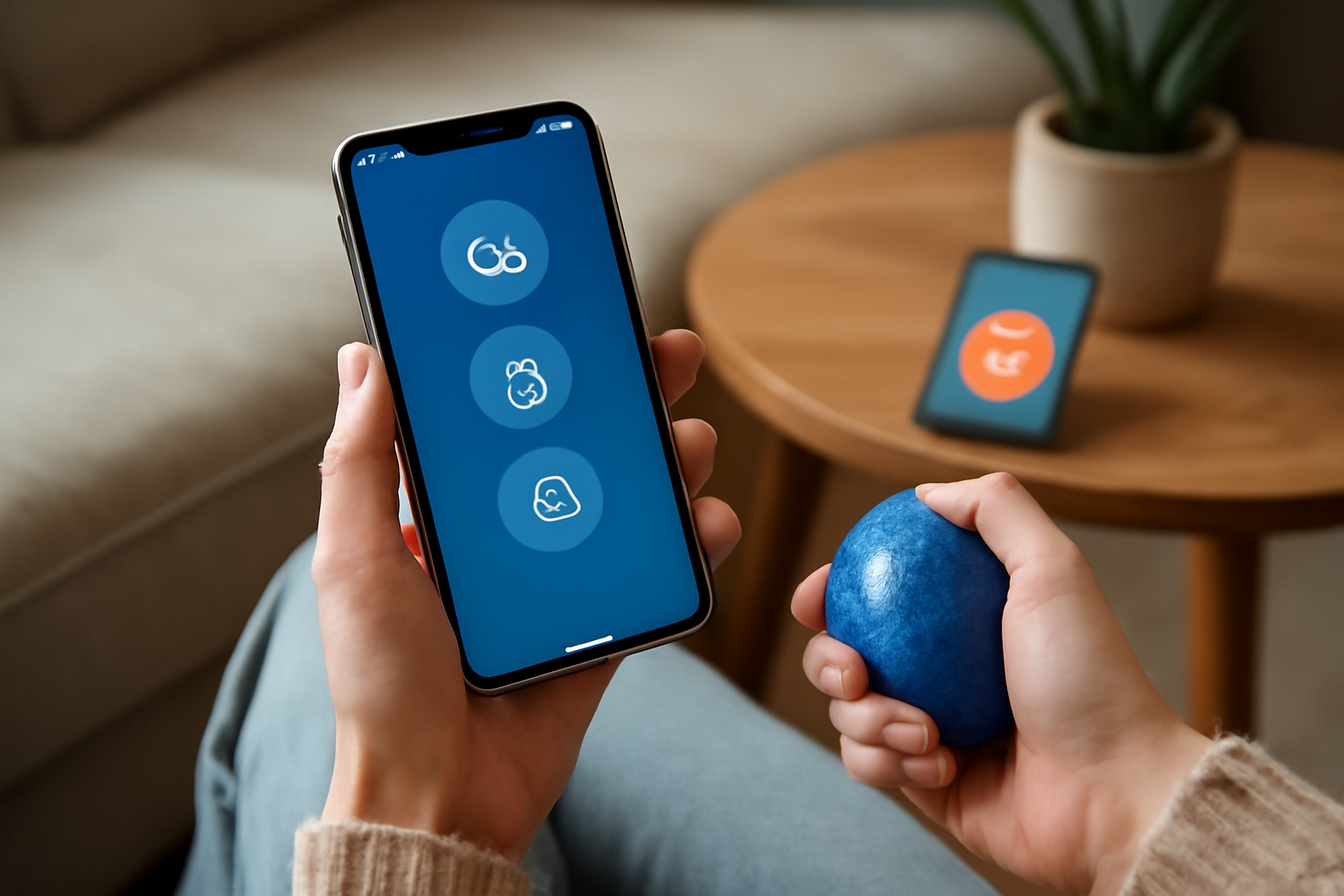
stress ball: sensory grounding for immediate relief
- what it does: immersive fidget tools, guided vibrations, and tactile exercises to interrupt panic and racing thoughts.
- best for: on-the-spot grounding during commuting, meetings, or moments of acute tension.
- pricing: low-cost monthly option makes it easy to test alongside a free meditation or chatbot app.
flourish: ai buddy and peer features for habit change
Flourish combines an AI companion named Sunnie with community features and simple habit tracking. It leans into therapist-informed prompts and habit nudges, making it a good choice if you want an app that encourages consistent small steps. For those focused on long-term behavior change, Flourish pairs well with journaling apps or clinician-shared reports.
journaling apps: daylio and reflectly for pattern spotting
Apps that focus on mood logging and short-entry journaling reveal trends you might miss day to day. Daylio and Reflectly use simple prompts, mood charts, and AI-generated reflections to surface triggers and progress. If you plan to share your progress with a clinician, pick a journal app with exportable charts or CSV downloads.
how to combine apps for better results
Using more than one app can cover both immediate relief and long-term skill building. Here are practical combos used by people managing anxiety:
- Pair Mind Ease or a panic toolkit with Headspace for daily practice and panic support.
- Use a chatbot like Wysa for 24/7 conversational CBT, and a journaling app to export trends for therapy sessions.
- Try a gamified app such as Finch or Happify to keep habits engaging while tracking mood in Daylio or Reflectly.
When mixing apps, test tools during calm moments and set clear goals: reduce panic frequency, improve sleep, or build a daily mindfulness streak. Give each app at least two weeks before deciding whether it helps.
privacy, clinician integration, and workplace needs
Privacy and clinician workflows are major differentiators among the best apps for anxiety. Look for end to end encryption, clear privacy policies, and options to export or share data securely. If you want clinician review, choose apps that advertise HIPAA compliance or clinician dashboards. For workplace programs, consider enterprise features that allow anonymous aggregated reporting without exposing personal entries.
Final thoughts and next steps
Choosing the best apps for anxiety means matching features to moments when you need help most. Combine a fast panic tool, a daily practice app, and a tracker to create a balanced toolkit. Try free tiers and short trials, test tools in calm moments, and prioritize apps with strong privacy settings and export options if you plan to share data with a clinician.
Anxiety is not a character flaw. It is a biological response that can become dysregulated. When your nervous system is constantly in fight or flight, willpower is not enough.
The real question is not whether anxiety can be improved. It is what is driving yours.
Instead of trying another generic supplement, take the 3 minute Cenario assessment and get a personalized formula designed around your results.
Your anxiety is personal. Your solution should be too.
Start your personalized calm plan now.
Frequently asked questions
Are anxiety apps effective for reducing symptoms?
Many people find that the best apps for anxiety provide helpful tools for immediate relief and habit building. Evidence shows improvements in anxiety and mood with consistent use, especially when apps use CBT or guided practice. Apps work best as part of a broader plan that may include therapy.
Can the best apps for anxiety replace therapy?
No. The best apps for anxiety are designed to complement professional care, not replace it. Use apps for daily practice, crisis coping, and tracking, and consult a licensed clinician for diagnosis and treatment planning.
Which app is best for panic attacks?
For panic attacks, choose a fast-acting panic toolkit app from the best apps for anxiety list that offers breathing guides, grounding exercises, and one-touch calming routines. Test tools in calm moments to ensure they work when you need them.