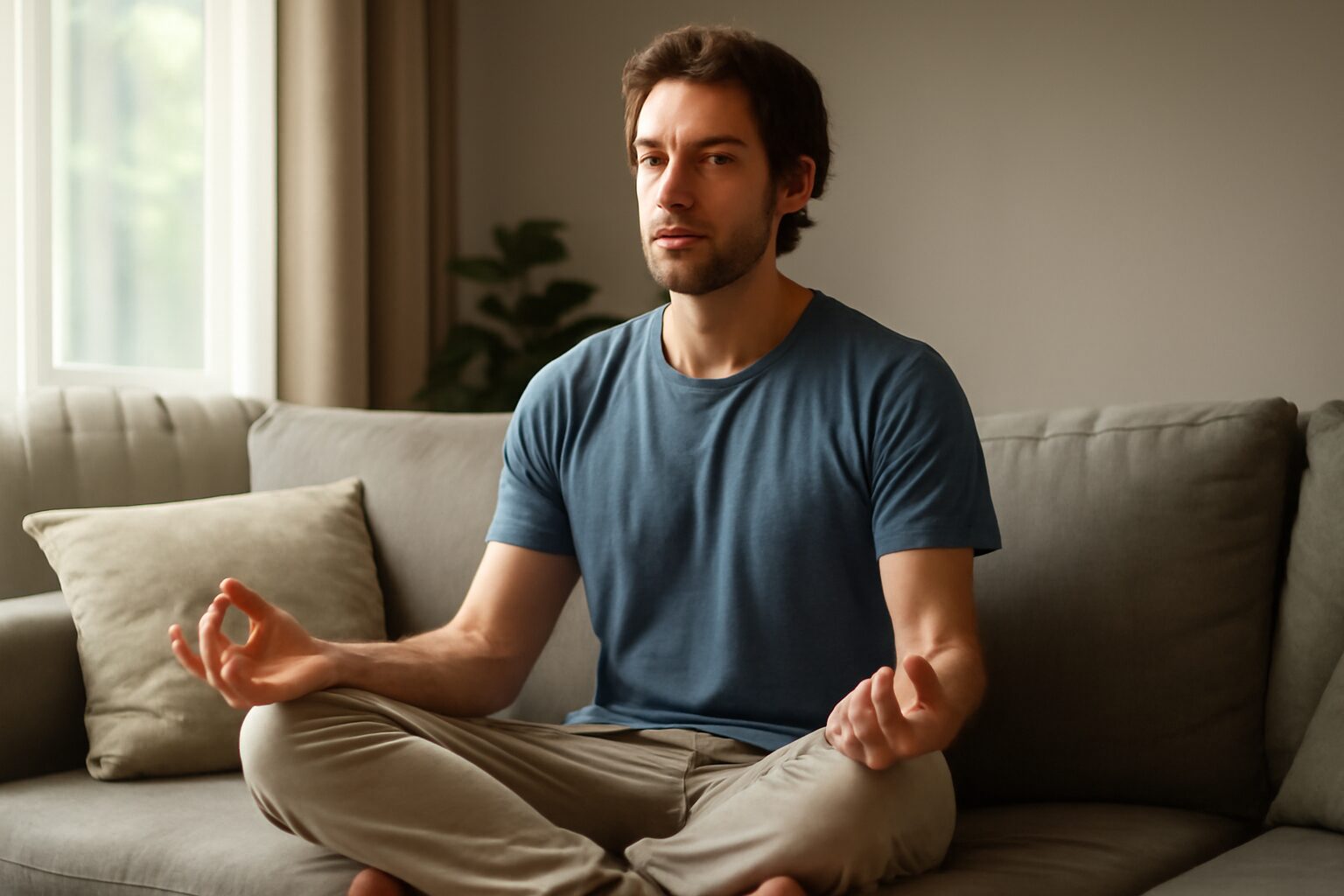

Anxiety and meditation
Anxiety is one of the most common mental health issues in the world today. With busy schedules, constant pressure, and the stress of modern life, many people are looking for ways to cope.
Meditation is one option that is gaining attention. It’s an ancient practice, but today it is valued not just for spiritual growth, but also for how it helps with mental health. Meditation teaches you to slow down, focus on the present moment, and calm your body and mind.
Regular practice can lower stress, improve focus, and make it easier to handle anxious thoughts. Over time, meditation helps people feel more in control, more balanced, and less overwhelmed. This makes it an important tool for anyone looking to manage anxiety in a natural and effective way.
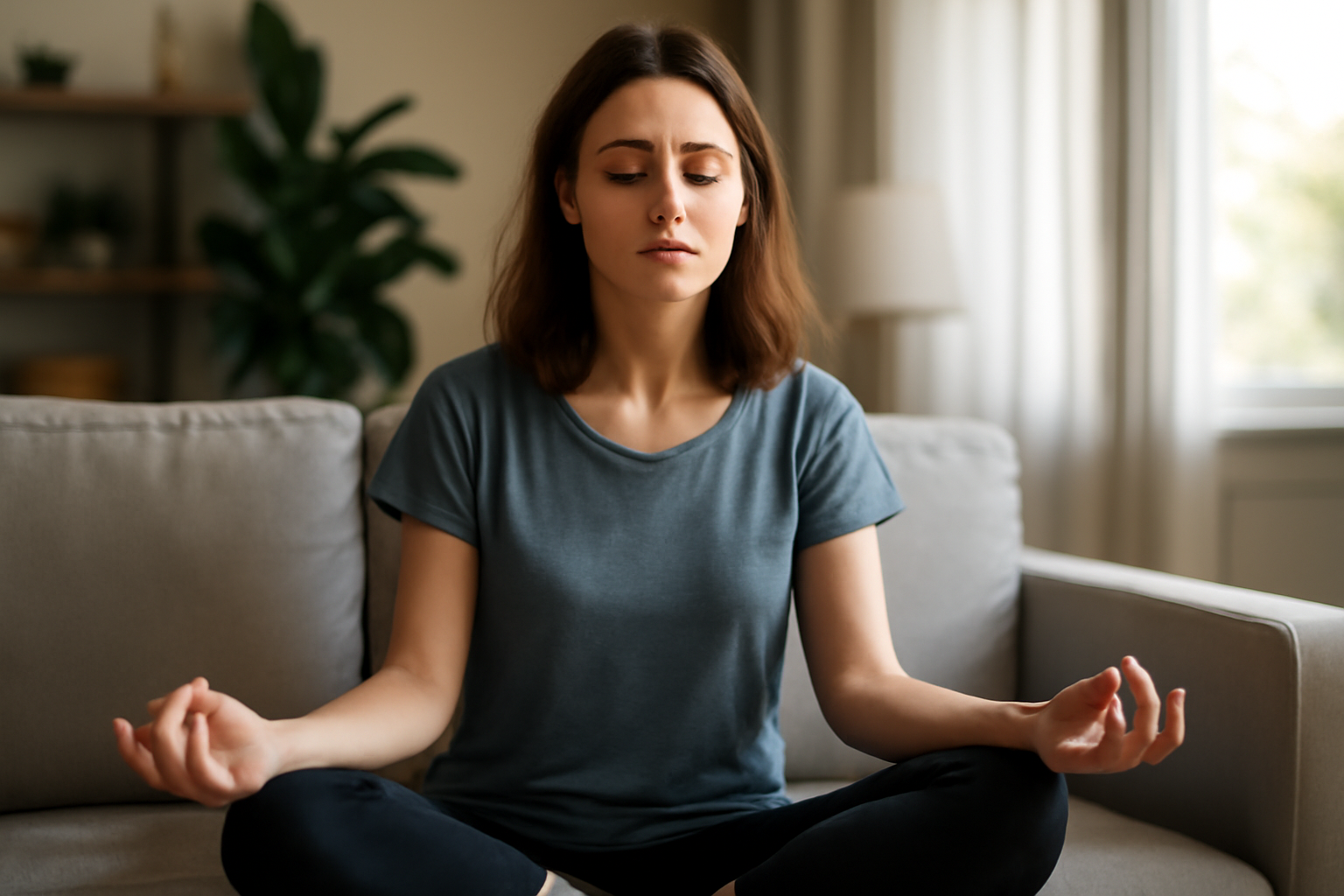
Exploring meditation techniques for anxiety relief
There are many types of meditation that can help with anxiety. Each one works in a slightly different way, so you can choose a style that fits your personality and lifestyle. Some focus on awareness, others on compassion or relaxation, but all can help reduce stress and bring more calm.
Whether you prefer focusing on your breath, repeating a calming phrase, or scanning through your body to release tension, meditation offers tools anyone can use. The key is finding the method that feels right for you and practicing it regularly.
Mindfulness meditation: focusing on the present moment
Mindfulness meditation is one of the most popular and effective techniques for anxiety. The idea is simple: pay attention to the present moment without judging yourself. Instead of getting lost in “what if” thoughts or worrying about the past, you gently bring your focus back to now.
Research shows mindfulness can lower stress and improve emotional balance. Over time, it helps you become less reactive and better able to handle anxious thoughts.
How to practice mindfulness meditation:
- Find a quiet spot where you can sit comfortably.
- Close your eyes and focus on your breathing.
- Notice each breath as it goes in and out.
- If your mind wanders, gently guide it back to your breath.
Even a few minutes a day can make a difference. With practice, mindfulness meditation can become a reliable tool for calming anxiety whenever it arises.
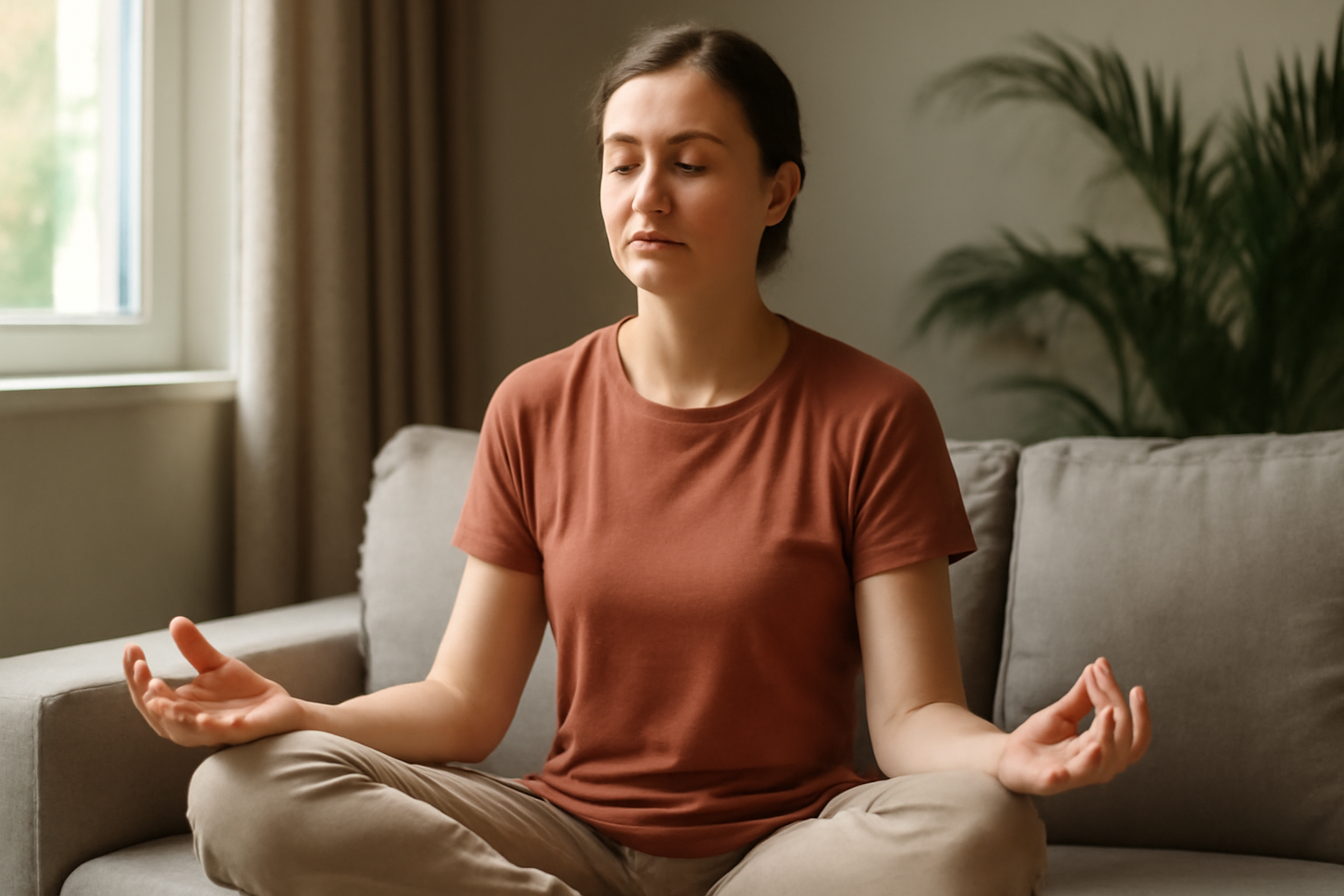
Exploring Meditation Techniques for Anxiety Relief
Anxiety can show up in many ways racing thoughts, tightness in the chest, tense muscles, or an overwhelming sense of dread. While medical treatments and therapy are important, meditation offers a natural and effective way to calm both the mind and body. The best part is that meditation is flexible. There are many different techniques to choose from, so you can find the one that fits your needs and lifestyle.
Some practices focus on awareness, others on compassion or relaxation, but they all share the same goal: reducing anxiety and creating a greater sense of peace. Below, we’ll explore some of the most effective meditation methods for anxiety and explain how to practice them.
Body Scan Meditation: Releasing Tension
Anxiety doesn’t just live in the mind it often shows up in the body. Body scan meditation helps you notice and release physical tension, making it especially useful if you feel anxiety as tightness in your shoulders, stomach, or jaw.
How it works:
- Lie down in a comfortable position and close your eyes.
- Start with your toes. Pay attention to how they feel are they tense, relaxed, warm, cold?
- Slowly move your awareness upward, through your legs, hips, stomach, chest, arms, and finally your head.
- As you notice tension, breathe into that area and let it soften.
This gradual process creates deep relaxation and a stronger connection between mind and body.
Loving-Kindness Meditation: Building Compassion
Loving-kindness meditation, also known as Metta, helps reduce anxiety by filling the mind with compassion and goodwill. Instead of focusing on fear or worry, you focus on kindness—first for yourself, then for others.
How it works:
- Sit in a comfortable position and close your eyes.
- Begin by repeating phrases silently to yourself, such as:
- “May I be safe. May I be healthy. May I be happy. May I live with ease.”
- After a few minutes, direct the same wishes to a loved one, then to acquaintances, and eventually even to people you find difficult.
This practice strengthens positive emotions and builds resilience against stress. Many people report that it not only eases anxiety but also improves relationships and self-esteem.
Mantra Meditation: Redirecting Anxious Thoughts
If your mind is crowded with racing thoughts, mantra meditation can give it something simple and calming to focus on. A mantra—a word or phrase repeated silently—acts like a mental anchor.
How it works:
- Choose a word or phrase that feels peaceful, such as “calm,” “peace,” or “I am safe.”
- Sit comfortably, close your eyes, and repeat the mantra slowly in your mind.
- When your attention drifts, bring it back to the mantra.
Over time, mantra meditation helps override negative thought loops and create a steadier mental state.
Progressive Muscle Relaxation: Letting Go of Stress
This technique combines awareness with physical release. By tensing and then relaxing each muscle group, you learn the difference between stress and relaxation, making it easier to release tension in daily life.
How it works:
- Sit or lie down comfortably.
- Start with your toes: tense the muscles for 5 seconds, then relax.
- Move up through your legs, stomach, arms, shoulders, and face.
- Notice the feeling of relief after each release.
Progressive muscle relaxation is especially effective before bed or during times of high stress.
Frequently Asked Questions
What’s the best meditation for beginners with anxiety?
Breath awareness and body scan meditation are easy to start with. They don’t require special skills and bring quick results.
How long should I meditate each day?
Even 5–10 minutes a day can make a difference. For stronger results, aim for 15–20 minutes daily.
Can meditation replace therapy or medication?
Meditation is powerful but not a cure-all. It works best as a complement to therapy, exercise, or medical care not as a replacement.
Can meditation make anxiety worse?
Some people may feel uncomfortable at first when focusing inward. If this happens, try shorter sessions, guided meditations, or techniques that focus on breathing instead of emotions.
Which meditation is best for panic attacks?
Quick techniques work best breathing exercises, grounding, or guided imagery. These help calm the body fast. Longer practices like loving-kindness or MBSR are better for long-term resilience.
Do I need a quiet space to meditate?
A quiet spot helps, but it isn’t required. You can meditate at your desk, on a bus, or anywhere with the help of headphones or an app.
What if I can’t stop my thoughts?
Meditation isn’t about stopping thoughts. It’s about noticing them and gently returning to your focus. Over time, your mind will naturally settle.
How soon will I see results?
Some people feel calmer after their first session. Research shows consistent practice for 6–8 weeks brings lasting benefits.
Can children or teens use meditation?
Yes. Many schools already teach mindfulness. Short, guided sessions work best for younger people.
Is meditation religious?
It can be, but doesn’t have to be. Most modern practices are completely secular and focus only on health and mental well-being.
Do I need special equipment?
No. Just a comfortable seat or a quiet spot. Optional items like cushions or headphones can make it easier, but they’re not required.
Final Thoughts
Meditation offers many different ways to ease anxiety. Whether it’s focusing on your breath, scanning your body, repeating a calming mantra, or picturing a peaceful scene, each method brings its own benefits. The key is consistency practicing daily, even for a few minutes, can transform how you respond to stress and anxiety.
By exploring these techniques, you can find the practice that works best for you and use it as a reliable tool to move from anxiety toward calm, balance, and clarity.
.