
In today’s fast-paced world, stress and anxiety have become common companions for many individuals. The pressures of work, family, and daily life can lead to overwhelming feelings, prompting a search for effective solutions. As a result, many people turn to over-the-counter (OTC) options in hopes of finding relief from these pervasive issues. However, when it comes to stress and anxiety medication over the counter, there are some important distinctions to understand.
Understanding OTC Solutions for Stress and Anxiety
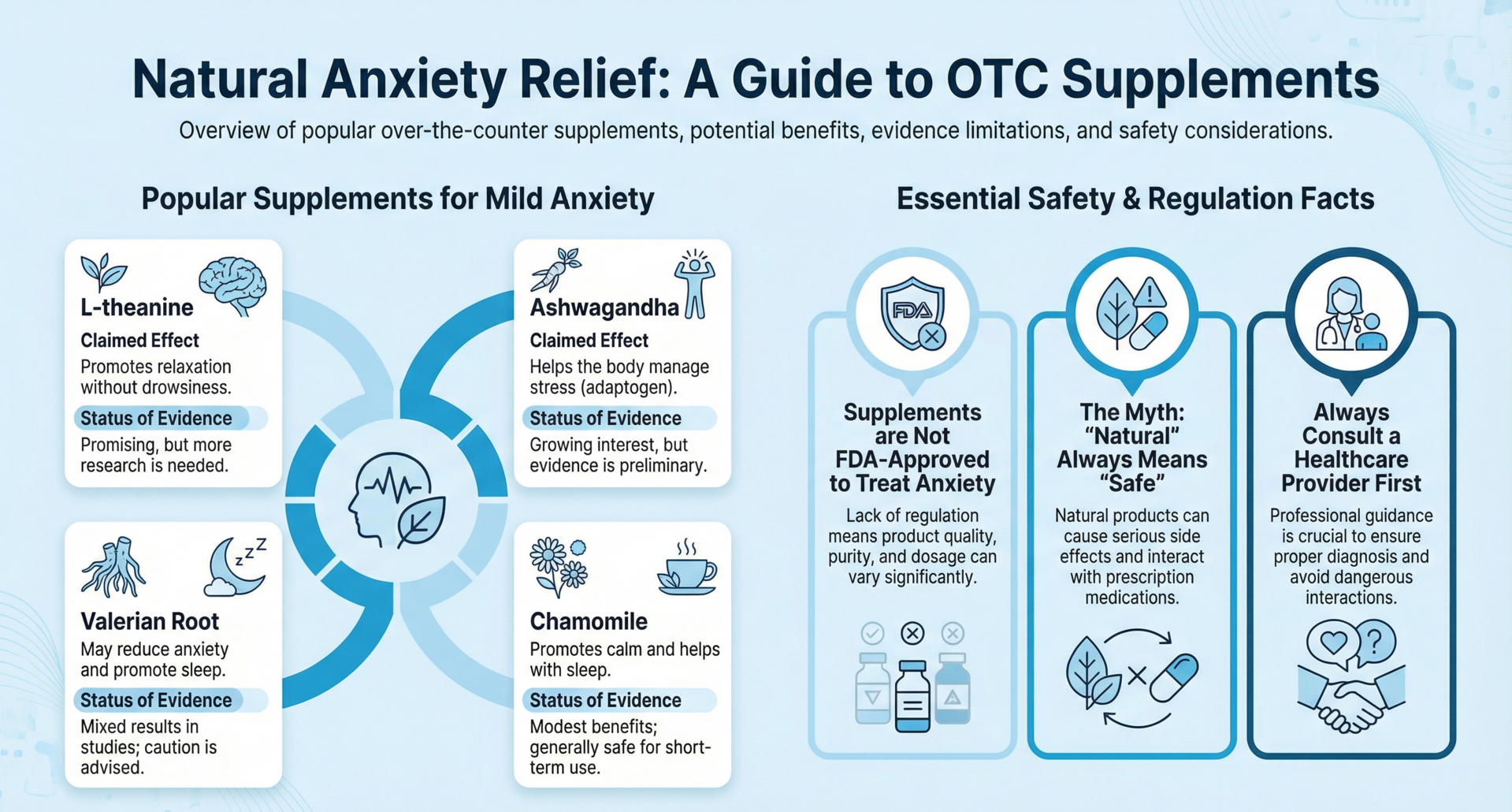
It’s crucial to clarify a common misconception: there are no FDA-approved OTC medications specifically for treating stress and anxiety in the United States. Prescription medications such as SSRIs, SNRIs, and benzodiazepines are the main pharmacological treatments for these conditions. These medications require a doctor’s prescription due to their potential side effects and the need for professional oversight.
However, the term “OTC” often refers to natural supplements that are marketed to help manage stress and anxiety symptoms. Unlike prescription medications, these supplements are not regulated by the FDA for treating medical conditions. They are available without a prescription and are typically derived from natural sources.
Can Natural Supplements Be a Viable Alternative?
This leads us to an important question: can natural supplements offer a viable alternative for managing stress and anxiety symptoms? While these supplements are not a substitute for professional treatment, they can play a complementary role in a holistic approach to stress management. Many individuals explore options like magnesium, omega-3 fatty acids, L-theanine, lavender, ashwagandha, chamomile, valerian, kava, and 5-HTP in their quest for relief.
It’s essential to approach these supplements with informed caution. While some people may experience benefits, the scientific support for their efficacy varies. Moreover, because they are not FDA-regulated for treating anxiety, potential side effects and interactions with other medications must be carefully considered. Consulting with a healthcare provider before starting any supplement regimen is highly recommended to ensure safety and compatibility with existing treatments.
In the next section, we’ll delve deeper into the specifics of these OTC supplements, exploring their potential benefits, scientific backing, and safety considerations. Stay tuned to learn more about how these natural options might fit into your stress relief strategy.
Exploration of OTC Options for Stress and Anxiety
When it comes to managing stress and anxiety, many individuals explore over-the-counter supplements as potential aids. These supplements are not medications but rather natural products that are believed to have calming effects. Let’s delve into some popular options that are often marketed for stress relief:
- Magnesium: Known for its role in nerve function and muscle relaxation, magnesium may help alleviate stress by supporting the body’s natural stress response.
- Omega-3 Fatty Acids: These essential fats, found in fish oil, are linked to brain health and may reduce symptoms of anxiety by supporting overall cognitive function.
- L-theanine: An amino acid found in tea leaves, L-theanine is known for promoting relaxation without sedation, making it a popular choice for stress relief.
- Lavender: Often used in aromatherapy, lavender is believed to have calming properties that can help reduce anxiety and improve sleep quality.
- Ashwagandha: An adaptogen used in traditional medicine, ashwagandha is thought to help the body resist stress and improve overall well-being.
- Chamomile: Known for its soothing effects, chamomile is commonly used as a tea or supplement to reduce anxiety and promote relaxation.
- Valerian: Often used as a sleep aid, valerian root may also help reduce anxiety symptoms by promoting relaxation.
- Kava: While kava is used for its calming effects, it comes with potential liver toxicity concerns, so caution is advised.
- 5-HTP: A precursor to serotonin, 5-HTP is believed to support mood regulation and may help in reducing anxiety.
Scientific Evidence and Efficacy
While these supplements are popular, it’s important to note that the scientific evidence supporting their efficacy is varied. Some studies suggest that individuals may experience benefits, while others find limited support for their effectiveness in managing stress and anxiety. It is crucial to remember that these supplements should not be seen as replacements for professional treatments. Instead, they may serve as complementary options within a broader stress management strategy.
Safety and Interaction Considerations
When considering these supplements, safety is a primary concern. Since they are not regulated by the FDA to treat medical conditions, their purity, potency, and safety can vary. Potential side effects and interactions with prescription medications are important factors to consider. For instance, kava has been associated with liver toxicity, and combining supplements with certain medications can lead to adverse effects.
To ensure safety and effectiveness, it is advisable to consult with a healthcare provider before starting any supplement regimen. This is especially important for individuals who are already taking prescription medications or have underlying health conditions.
Comparison of Common Supplements
| Supplement | Potential Benefits | Side Effects | Interaction Risks |
|---|---|---|---|
| Magnesium | Supports nerve function, muscle relaxation | Diarrhea, nausea | Can interact with antibiotics |
| Omega-3 Fatty Acids | Improves brain health, reduces anxiety | Fishy aftertaste, nausea | May affect blood clotting |
| L-theanine | Promotes relaxation without sedation | Headache, dizziness | Generally low risk |
| Lavender | Reduces anxiety, improves sleep | Skin irritation, headache | May enhance sedative effects of medications |
| Ashwagandha | Helps body resist stress | Stomach upset, drowsiness | Can interact with thyroid medications |
| Chamomile | Reduces anxiety, promotes relaxation | Allergic reactions, drowsiness | May interact with blood thinners |
| Valerian | Promotes relaxation, aids sleep | Drowsiness, headache | Can enhance effects of sedatives |
| Kava | Calming effects | Liver toxicity, dizziness | Should not be combined with alcohol |
| 5-HTP | Supports mood regulation | Nausea, dizziness | May interact with antidepressants |
In conclusion, while over-the-counter supplements can offer some relief, they should be used with caution and under the guidance of a healthcare professional. They are best viewed as part of a comprehensive approach to stress management, complementing lifestyle changes and professional treatments.
Holistic Approach to Stress Relief
To effectively manage stress and anxiety, it is essential to adopt a holistic approach that goes beyond relying solely on over-the-counter supplements. Incorporating lifestyle changes, such as maintaining a balanced diet, engaging in regular physical activity, and practicing mindfulness techniques, can significantly contribute to reducing stress levels. These practices not only enhance overall well-being but also improve the body’s resilience to stressors.
The Role of Professional Therapy and Counseling
While supplements can play a supportive role, professional therapy and counseling remain the cornerstone of effective stress and anxiety management. Cognitive-behavioral therapy (CBT), for example, is a well-established method that helps individuals identify and change negative thought patterns and behaviors. Engaging with a mental health professional provides personalized strategies and support, crucial for long-term mental health improvement.
When Prescription Medications Are Necessary
In some cases, prescription medications may be necessary to manage anxiety effectively. These medications, such as SSRIs, SNRIs, and benzodiazepines, are prescribed by healthcare providers when symptoms are severe or unmanageable through other means. It is important to understand that supplements should not replace these medications but may be used as complementary options under professional guidance.
In conclusion, while over-the-counter supplements can offer some relief, they are most effective when used as part of a comprehensive approach to stress management. Combining lifestyle changes, professional therapy, and, when necessary, prescription medications can provide a balanced and effective strategy for managing stress and anxiety.
Frequently Asked Questions
Are there any OTC medications for anxiety?
No, all effective anxiety medications require a prescription. Over-the-counter options available are supplements, not medications, and they aim to support stress and anxiety management rather than serve as primary treatments.
Can supplements replace my anxiety medication?
Supplements should not replace prescribed medications or therapy. They may complement these treatments by providing additional support, but professional guidance is crucial to ensure safety and effectiveness.
What should I consider before taking a supplement?
Before taking any supplement, it is important to consult with a healthcare provider, especially if you are taking other medications. This helps avoid potential interactions and ensures that the supplement is appropriate for your individual health needs.
How long do supplements take to work for anxiety?
The effects of supplements can vary among individuals. Some people may notice changes within weeks, while others may not experience significant benefits. Consistency and patience, along with professional advice, are key when incorporating supplements into your stress management plan.
Are there any side effects of taking stress-relief supplements?
Yes, each supplement has potential side effects. For example, magnesium can cause diarrhea, and kava may lead to liver toxicity. It is essential to research each supplement and consult a healthcare provider for guidance tailored to your health profile.