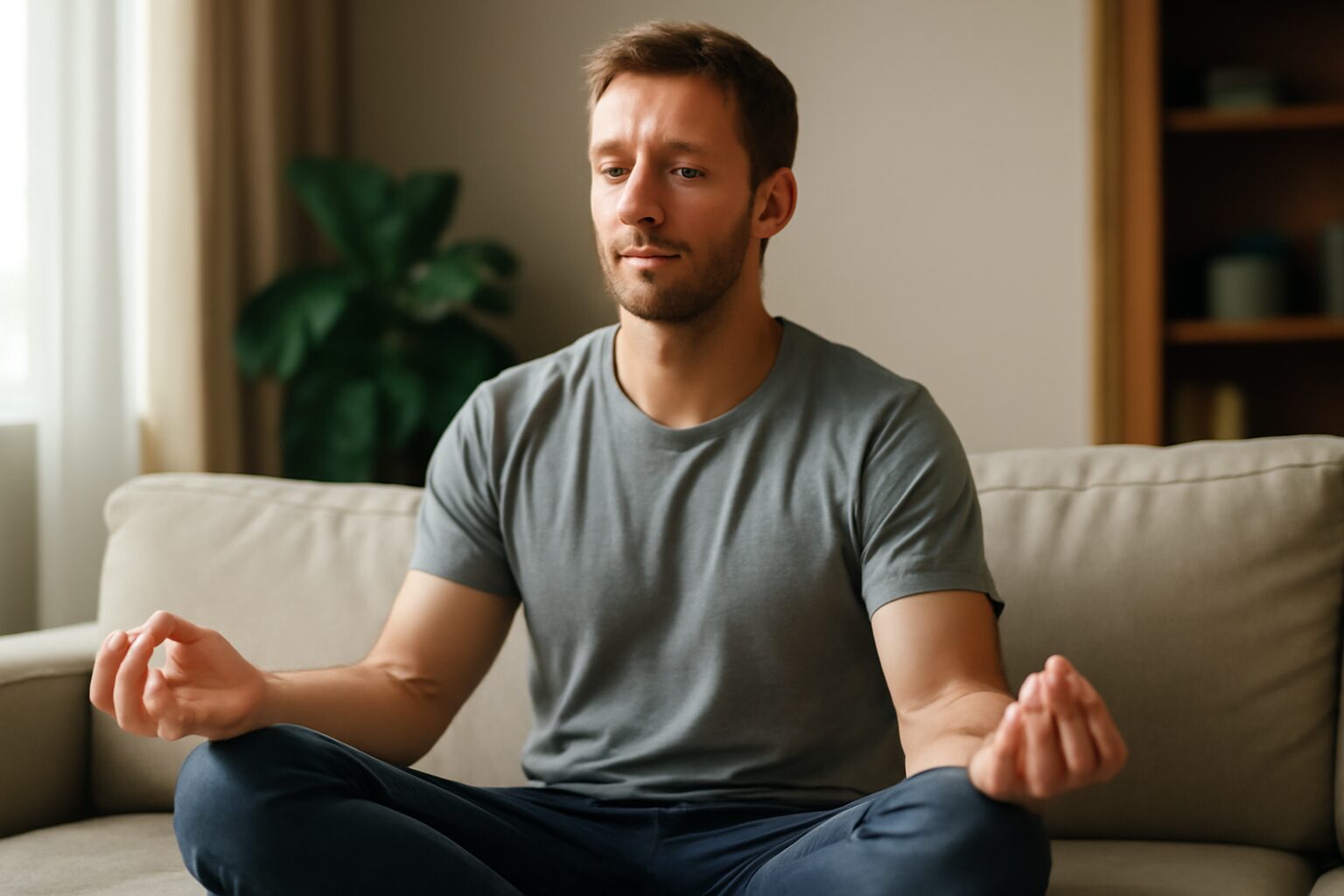

Anxiety in a Busy World
In today’s fast-paced world, anxiety has become a common problem for many people. With constant work deadlines, family responsibilities, and the nonstop flow of messages and notifications, it’s easy to feel stressed and overwhelmed. Anxiety often sneaks up during these busy moments, leaving the mind racing and the body tense.
The good news is that there are simple tools that can help. Meditation is one of the most effective and natural ways to calm the mind and manage stress. What surprises most people is that you don’t need to spend hours sitting in silence to feel the benefits. Even dedicating just five minutes a day to meditation can improve your mental well-being and give you a quick sense of relief when you need it most.
The Power of Short Meditations
Meditation has been practiced for centuries, but modern science now confirms what ancient traditions have known all along it helps reduce stress and promotes peace of mind. Research shows that short meditation sessions, as little as five minutes, can lower anxiety, reduce stress hormones like cortisol, and improve emotional balance.
This is especially powerful for people who live busy lives. Many believe they don’t have time for long meditation practices, but a five-minute session is short enough to fit into almost any schedule. The beauty of short meditations is their flexibility you can practice them at your desk, on your commute (if you’re not driving), during a lunch break, or right before bed.
Over time, practicing these quick meditations regularly helps train the mind to respond to stress with calm instead of panic. Even a few minutes of deep breathing and mindfulness each day can slowly build resilience, making it easier to handle challenges without feeling overwhelmed.
Why It Works
Short meditations work because they shift the body out of “fight or flight” mode and into a state of relaxation. When you pause, breathe deeply, and focus on the present moment, your heart rate slows down, your muscles relax, and your mind becomes clearer. These small breaks give your brain and body a reset, helping you recharge and approach the rest of your day with more focus and calm.
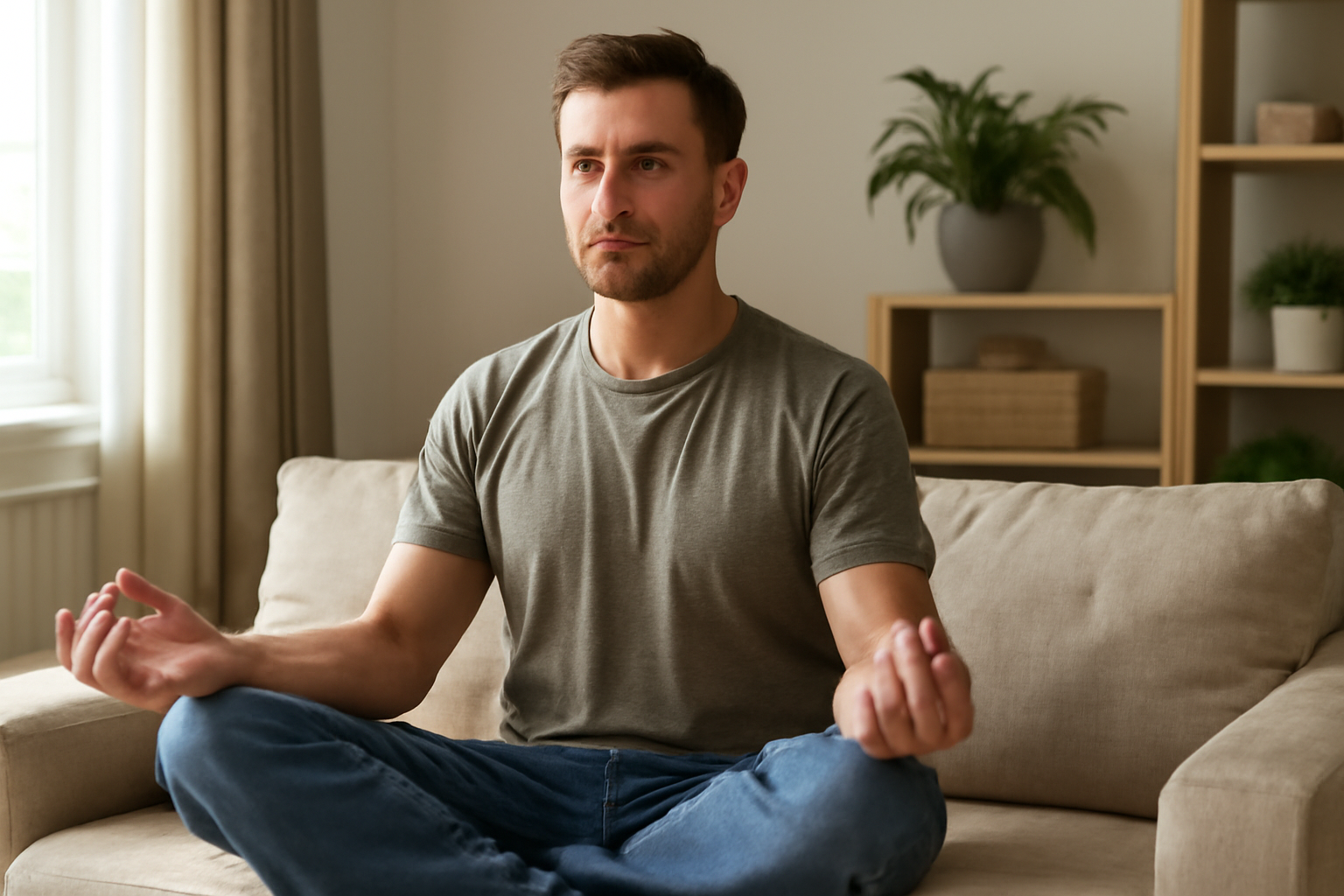
The Modern-Day Need for Quick Solutions
Anxiety and stress are at an all-time high in today’s fast-paced world. Many people feel like they’re constantly on the go, juggling work, family, and endless to-do lists. The challenge is that most of us don’t have hours to dedicate to stress relief or self-care. What’s needed are simple, quick, and effective tools that can fit into a busy schedule.
This is where meditation shines. Unlike many other practices, meditation doesn’t require special equipment, long time commitments, or even a quiet retreat space. Even a five-minute meditation can act as a reset button for your mind.
You can do it at your desk, during a coffee break, while sitting in your car before a meeting, or at home before bed. It’s a tool you can carry anywhere, giving you a way to find calm in the middle of chaos.
Setting the Stage for Effective Anxiety Management
This blog focuses on how five-minute meditation sessions can help you manage anxiety in a realistic and sustainable way. We’ll break down what the science says, highlight expert insights, and show you how these short practices can calm your nervous system quickly.
You’ll learn how meditation works in the brain and body, discover the role of mindfulness and breathing, and get practical tips you can use right away. Whether you’re completely new to meditation or already have some experience, this guide will help you use short meditations to create more balance and resilience in your life.
Why Short Meditations Work
Science has shown that even a single five-minute meditation can reduce feelings of stress and anxiety. These quick sessions activate the parasympathetic nervous system the body’s natural “rest and digest” mode which lowers heart rate, eases muscle tension, and promotes calm.
Studies also show that short meditations help reduce cortisol, the stress hormone linked to anxiety. Lower cortisol levels mean better focus, clearer thinking, and a greater sense of well-being. The best part is that these benefits can be felt almost immediately, making short meditations a powerful tool for both instant relief and long-term improvement.
Mindfulness and Relaxation Techniques
The secret to an effective five-minute meditation lies in mindfulness. This simply means focusing on the present moment instead of worrying about the past or future. By becoming aware of your breath, body, and thoughts, you create space between yourself and your anxiety. Instead of being swept away by stress, you learn to observe it calmly.
Some of the most effective techniques for short meditations include:
- Deep breathing: Slow, steady breaths help relax your nervous system and calm your mind.
- Guided imagery: Visualizing peaceful scenes, like a beach or forest, helps shift your focus away from stress.
- Body awareness: Paying attention to where you feel tension in your body and releasing it creates instant relief.
These methods are simple, but when practiced regularly, they train your brain to respond to stress more calmly and with greater resilience.
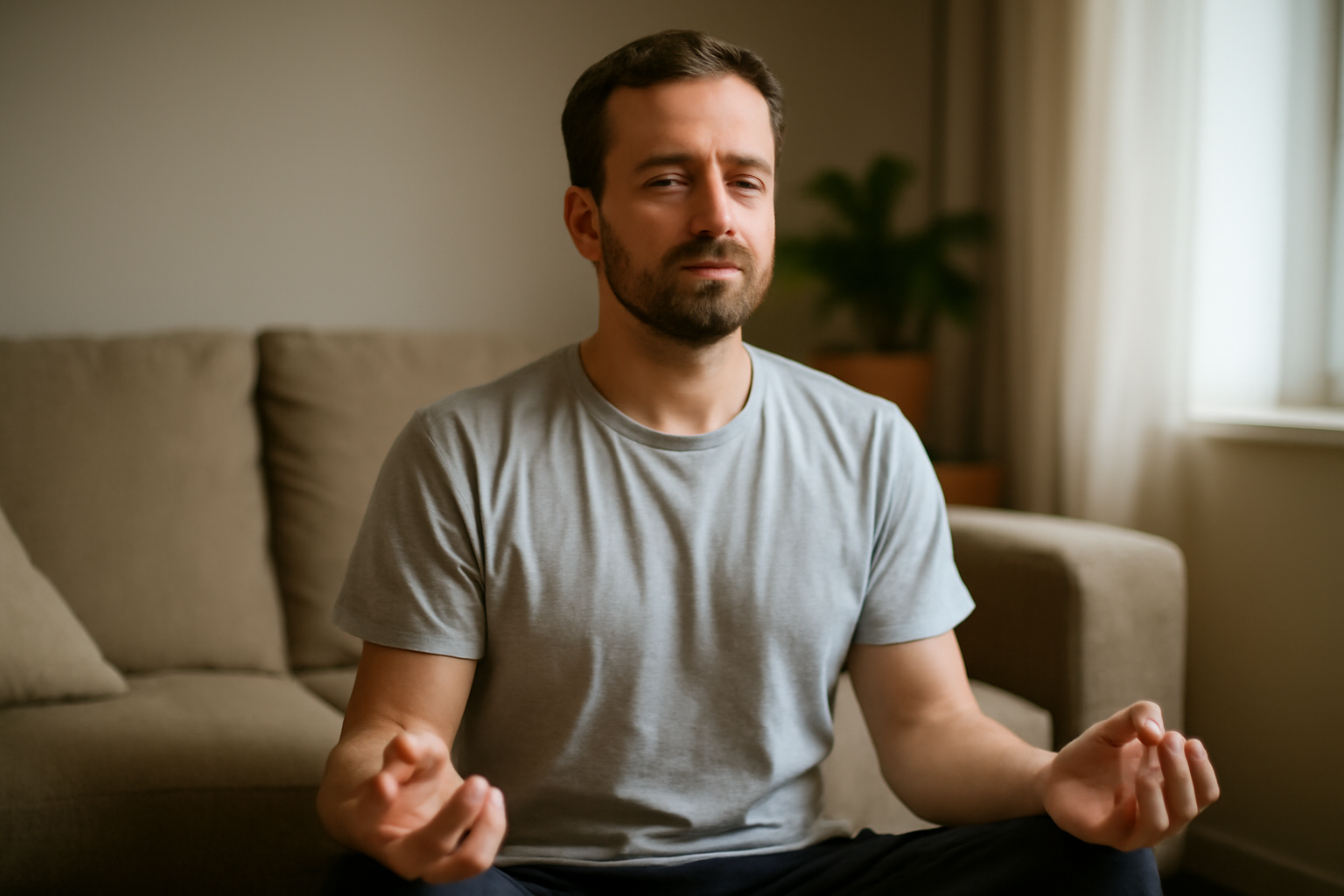
Immediate and Long-Term Benefits
One of the most powerful aspects of five-minute meditation is how quickly it works. Even a short session can calm the body and mind almost instantly. People often report a slower heart rate, easier breathing, and a sense of peace right after meditating. These immediate benefits make it a perfect tool for managing anxiety in the middle of a stressful day.
The real magic, however, comes with consistency. Practicing for just five minutes each day adds up over time, training your brain and body to handle stress more effectively. Over weeks and months, you’ll likely notice deeper benefits: a more balanced mood, less overthinking, better sleep, and stronger emotional resilience. With regular practice, these short meditations can shift how you respond to challenges, making anxiety easier to manage and building long-term mental well-being.
Personalization and Accessibility
One of the biggest advantages of five-minute meditation is how flexible and personal it can be. You don’t need to follow a rigid structure your practice can be as simple or as guided as you prefer. Some people find comfort in listening to guided sessions with soothing voices, while others enjoy the silence of focusing on their breath. Both approaches are effective, and the key is to experiment until you discover what works best for you.
Practical Tips for Starting
Beginning a five-minute meditation practice doesn’t have to be complicated. Here are some simple steps to get started:
- Set a timer: Use your phone or a simple timer to count down five minutes. Knowing the time is managed helps you focus fully on the practice.
- Choose a quiet space: Find a spot where you won’t be disturbed. This could be a quiet room, a corner at work, or even sitting in your car.
- Focus on your breath: Start by taking deep breaths inhale through your nose, pause for a moment, then exhale slowly through your mouth. Let your breath guide your attention.
- Add mindfulness: Notice your body, your thoughts, and your surroundings without judgment. Simply observe, don’t analyze.
- Make it a habit: Try adding your five-minute meditation to part of your routine, such as after waking up, during a lunch break, or before going to sleep.
By following these steps, meditation can become a natural and consistent part of your day something that grounds you whenever stress builds up.
Frequently Asked Questions
How does five-minute meditation help with anxiety?
It calms the nervous system quickly, lowers stress hormones, and helps you focus on the present instead of worrying thoughts.
Can it really work in just five minutes?
Yes. Studies show that even a single short meditation session can reduce anxiety and stress. Longer practice deepens the benefits, but five minutes is enough to start.
What if I don’t feel different at first?
That’s normal. Meditation works best with consistency. The more regularly you practice, the more noticeable the benefits will become.
Do I need special equipment or apps?
No. All you need is a few minutes of uninterrupted time. Apps are helpful for structure and guidance, especially for beginners, but they’re not required.
How often should I practice?
Daily practice is best. Five minutes a day can build a strong habit, and the benefits grow over time.
When is the best time to meditate?
It depends on your lifestyle. Many people like to meditate in the morning for a calm start or in the evening to unwind before sleep. You can also use it during the day whenever you feel stressed.
Can I meditate anywhere?
Yes. Meditation can be practiced almost anywhere at home, in the office, during travel, or even outside. All you need is a few minutes to pause and focus.
Is meditation safe for everyone?
For most people, yes. If you have severe anxiety or other mental health concerns, it’s best to combine meditation with professional care.