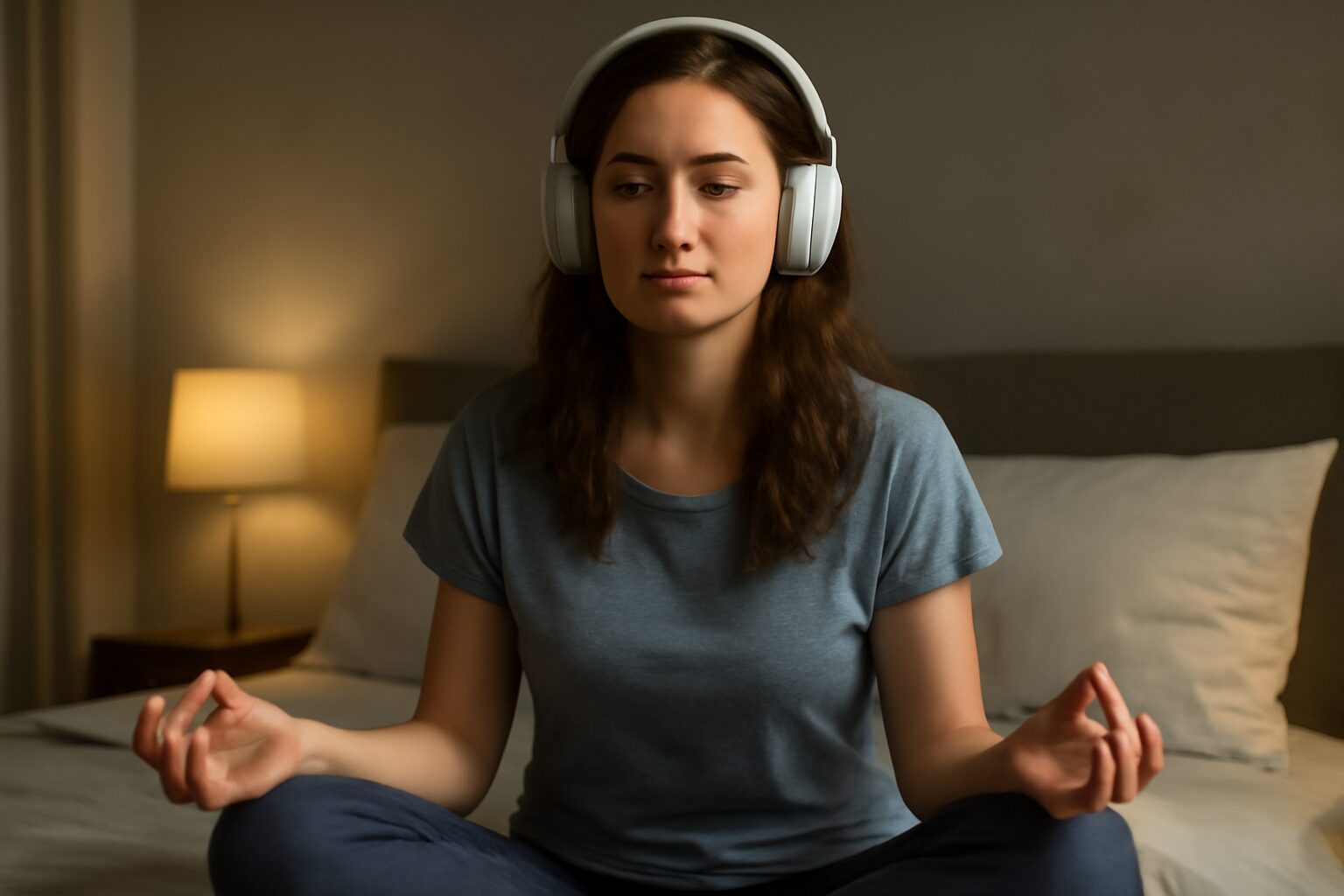

Understanding the power of guided meditation
In today’s fast-paced world, anxiety and sleep disturbances have become common challenges that affect millions globally. The interconnected nature of these issues means that when anxiety levels rise, sleep quality often declines, creating a cycle of restlessness and stress. This cycle can be difficult to break, leading many to seek effective solutions that promote both mental calmness and restful sleep.
Understanding the power of guided meditation
Guided meditation emerges as a powerful tool in this context, offering a holistic approach to easing anxiety and enhancing sleep quality. Unlike traditional meditation, guided meditation involves a narrator or guide who leads you through a series of calming visualizations and exercises designed to relax the mind and body. This practice is supported by a growing body of scientific research, which underscores its efficacy in reducing anxiety and improving sleep.
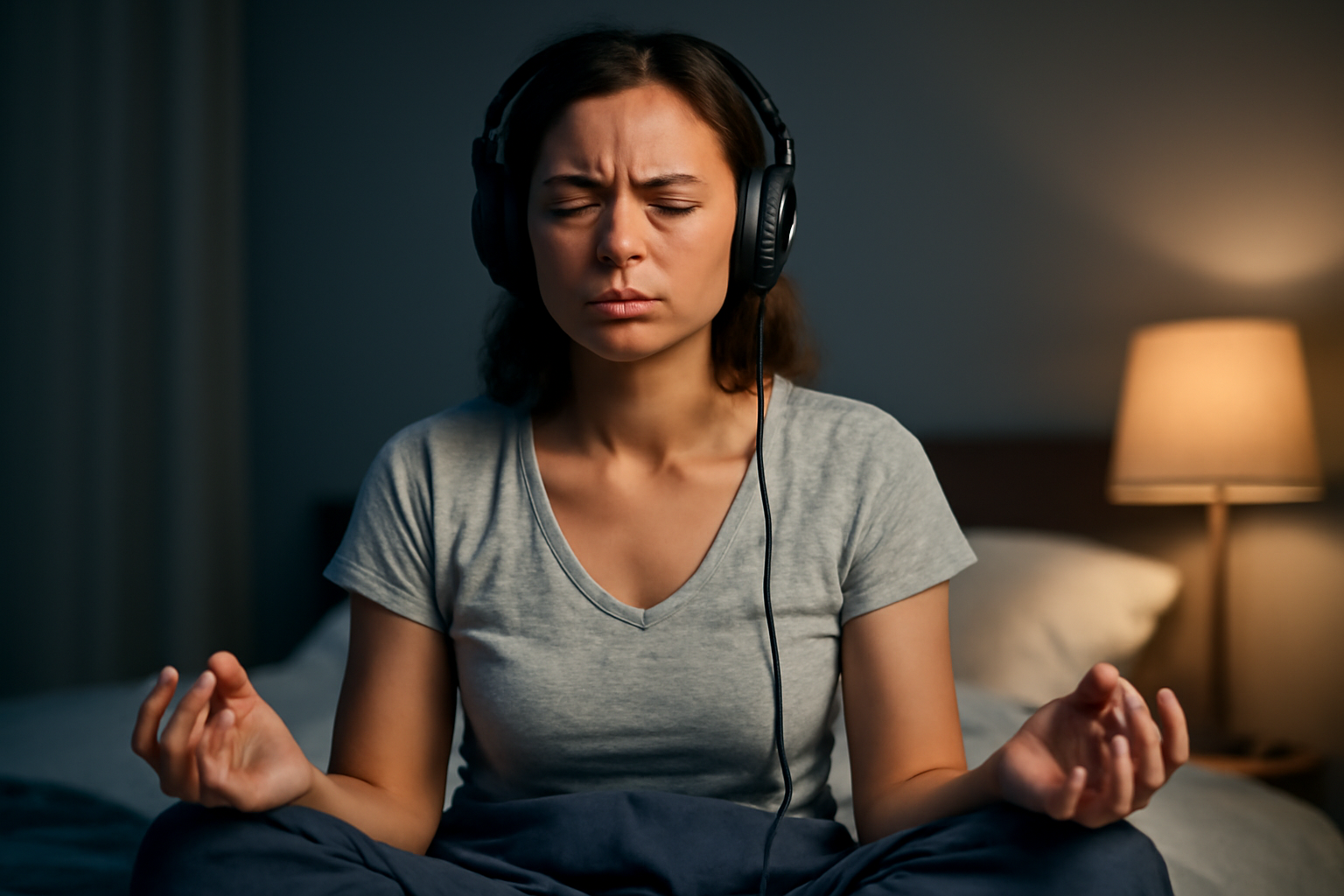
Studies have shown that guided meditation can significantly lower cortisol levels, the hormone associated with stress, while promoting emotional stability and relaxation. These physiological changes help regulate the heart rate and induce a state of calm, making it easier for individuals to fall asleep and enjoy a deeper, more restorative slumber.
The purpose of exploring guided meditation
The aim of this blog post is to delve into how guided meditation can help individuals find peace and improve sleep quality. By exploring practical techniques and insights, we intend to provide readers with actionable strategies that can be integrated into their daily routines. From mindfulness meditation to body scans and visualization exercises, guided meditation offers a range of methods that cater to different preferences and needs.
As you continue reading, you’ll discover the scientific evidence supporting these techniques, along with detailed explanations of how they can be applied to reduce anxiety and promote better sleep. Whether you’re new to meditation or seeking to enhance your existing practice, this guide will equip you with the knowledge to harness the full potential of guided meditation for a more peaceful and restful life.
Scientific evidence and benefits of guided meditation
Guided meditation has gained widespread recognition for its ability to effectively alleviate anxiety and enhance sleep quality. Numerous studies have demonstrated that mindfulness and relaxation-based guided meditations can significantly reduce anxiety levels and improve sleep patterns. These practices work by lowering cortisol levels, the stress hormone, which in turn regulates heart rate and promotes emotional stability. This physiological response is crucial in creating a sense of calmness, making it easier to fall asleep and achieve a restful night’s sleep.
Moreover, scientific research supports the positive impact of guided meditation on sleep. Meta-analyses have shown that individuals who engage in regular meditation experience improved sleep onset and quality, with benefits that persist over time. Meditation has been found to adjust circadian rhythms, leading to better deep and REM sleep, and reducing nighttime awakenings. These findings highlight the potential of guided meditation as a long-term solution for individuals struggling with anxiety and sleep disturbances.
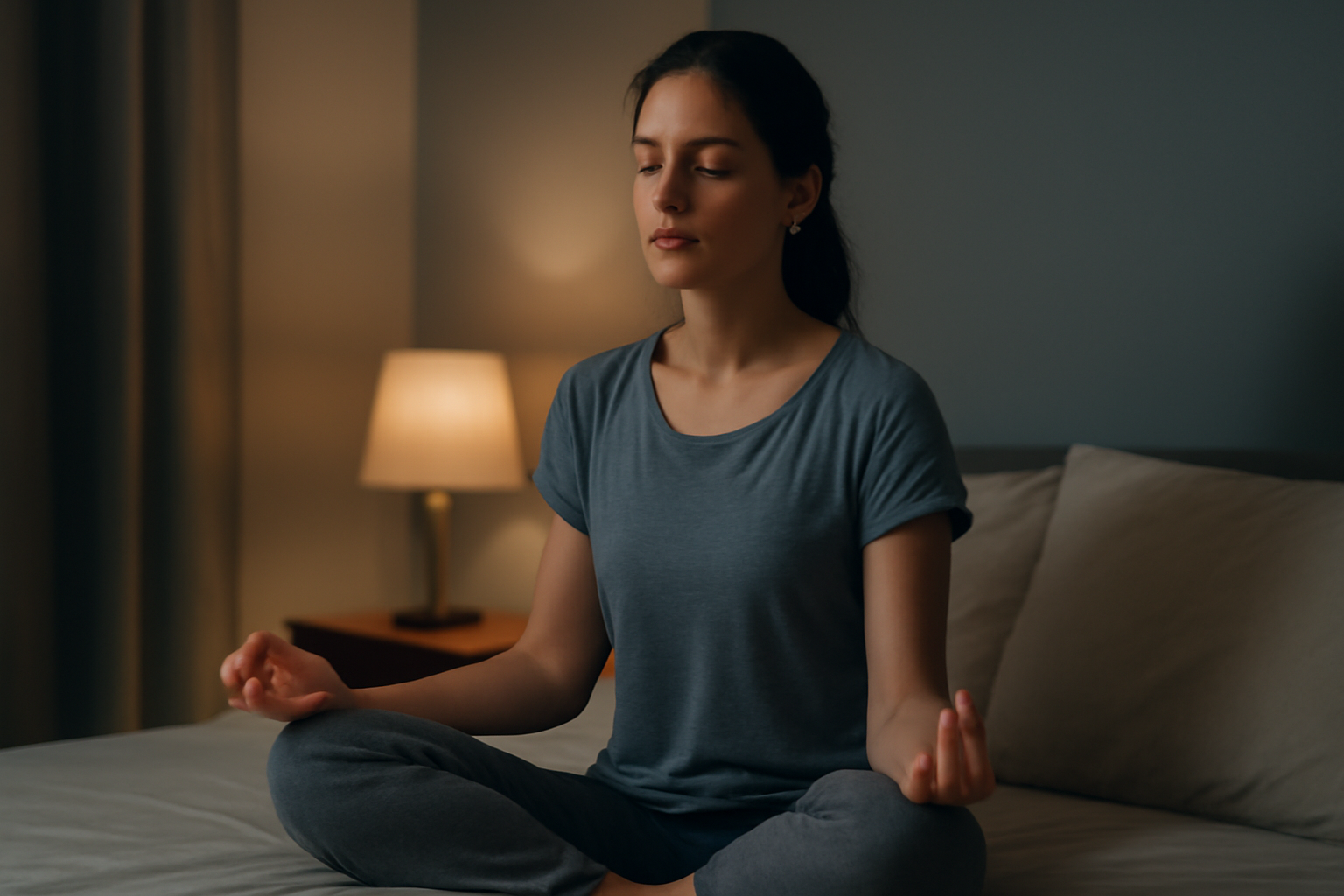
Techniques within guided meditation for anxiety and sleep
Guided meditation encompasses a variety of techniques that cater to different preferences and needs. One popular approach is mindfulness meditation, which involves focusing awareness on the breath or present sensations. This technique helps calm the mind by redirecting attention away from anxious thoughts, fostering a state of relaxation and mental clarity.
Another effective method is the body scan, which involves directing attention to different parts of the body to promote relaxation and ease tension. By systematically focusing on bodily sensations, individuals can release physical stress and enter a state of deep relaxation, which is conducive to better sleep.
Visualization and breathing exercises are also integral components of guided meditation. Picturing calming scenes and practicing deep breathing can create a tranquil mental state and calm the nervous system. These exercises help individuals detach from stressors and cultivate a sense of peace, making it easier to drift into sleep.
Incorporating affirmations or mantras into guided meditation scripts can further enhance the experience. Positive affirmations reinforce a mindset of calmness and positivity, counteracting negative thought patterns and promoting a restful state of mind.
Integrating guided meditation into daily life
To fully harness the benefits of guided meditation for anxiety and sleep, it is essential to integrate it into daily routines. Establishing a regular practice can enhance its effectiveness and lead to more consistent results. Optimal times for meditation include early morning or before bedtime, when the mind is most receptive to relaxation techniques. Creating a peaceful environment, free from distractions, can further enhance the meditation experience.
It is important to note that while guided meditation is a powerful tool, it should not replace clinical care for severe anxiety or sleep disorders. Individuals experiencing significant distress should seek professional help to address underlying issues. Guided meditation can be a valuable complementary strategy, supporting overall well-being and enhancing the effectiveness of other treatments.
As you continue your journey with guided meditation, remember that consistency is key. Regular practice can lead to profound improvements in both mental and physical health, helping you find peace and achieve better sleep. Whether you’re new to meditation or looking to deepen your practice, guided meditation offers a pathway to a more serene and restful life.
Practical guidance for incorporating meditation
Integrating guided meditation for anxiety and sleep into your daily routine can significantly enhance its benefits. Establishing a consistent practice is key to experiencing the full potential of meditation. Consider starting your day with a short session to set a calm tone or ending your day with meditation to unwind and prepare for restful sleep. Choose a quiet, comfortable space where you won’t be disturbed, and gradually increase the duration of your sessions as you become more comfortable with the practice.
While guided meditation is beneficial, it is important to recognize its limitations. For those with severe anxiety or sleep disorders, guided meditation should complement, not replace, professional treatment. Consulting a healthcare provider can help tailor a comprehensive approach that includes both meditation and clinical care.
As you explore guided meditation, remember that patience and consistency are crucial. Over time, you’ll likely notice improvements in your mental clarity, emotional stability, and sleep quality. This practice offers a sustainable way to manage stress and promote well-being, contributing to a more peaceful and fulfilling life.
Frequently Asked Questions
How long should I meditate to see results?
Consistency is more important than duration when it comes to guided meditation for anxiety and sleep. Start with 5 to 10-minute sessions daily and gradually increase the time as you become more comfortable. Many individuals begin noticing improvements in their anxiety levels and sleep quality within a few weeks of regular practice.
Is guided meditation safe for anxiety disorders?
Guided meditation is generally safe for most people, including those with anxiety disorders. However, it is crucial to consult with a healthcare provider if you have severe anxiety or other mental health conditions. Meditation can be a valuable complement to professional treatment, but it should not replace medical advice or therapy.
What are the best times to meditate for sleep?
The best times to practice guided meditation for sleep are typically in the evening or just before bedtime. This timing helps calm the mind and body, making it easier to transition into a restful sleep. Experiment with different times to find what works best for your schedule and lifestyle.
Can guided meditation replace medication for anxiety or sleep issues?
While guided meditation is a powerful tool for managing anxiety and improving sleep, it should not be viewed as a replacement for medication prescribed by a healthcare professional. It can be an effective complementary strategy that enhances the benefits of traditional treatments.
Are there recommended apps or resources for beginners?
Several reputable apps and online resources offer guided meditation sessions for beginners. Popular options include Headspace, Calm, and Insight Timer, which provide a variety of meditations tailored to anxiety and sleep improvement. These platforms offer user-friendly interfaces and a wide range of guided scripts to suit different preferences.