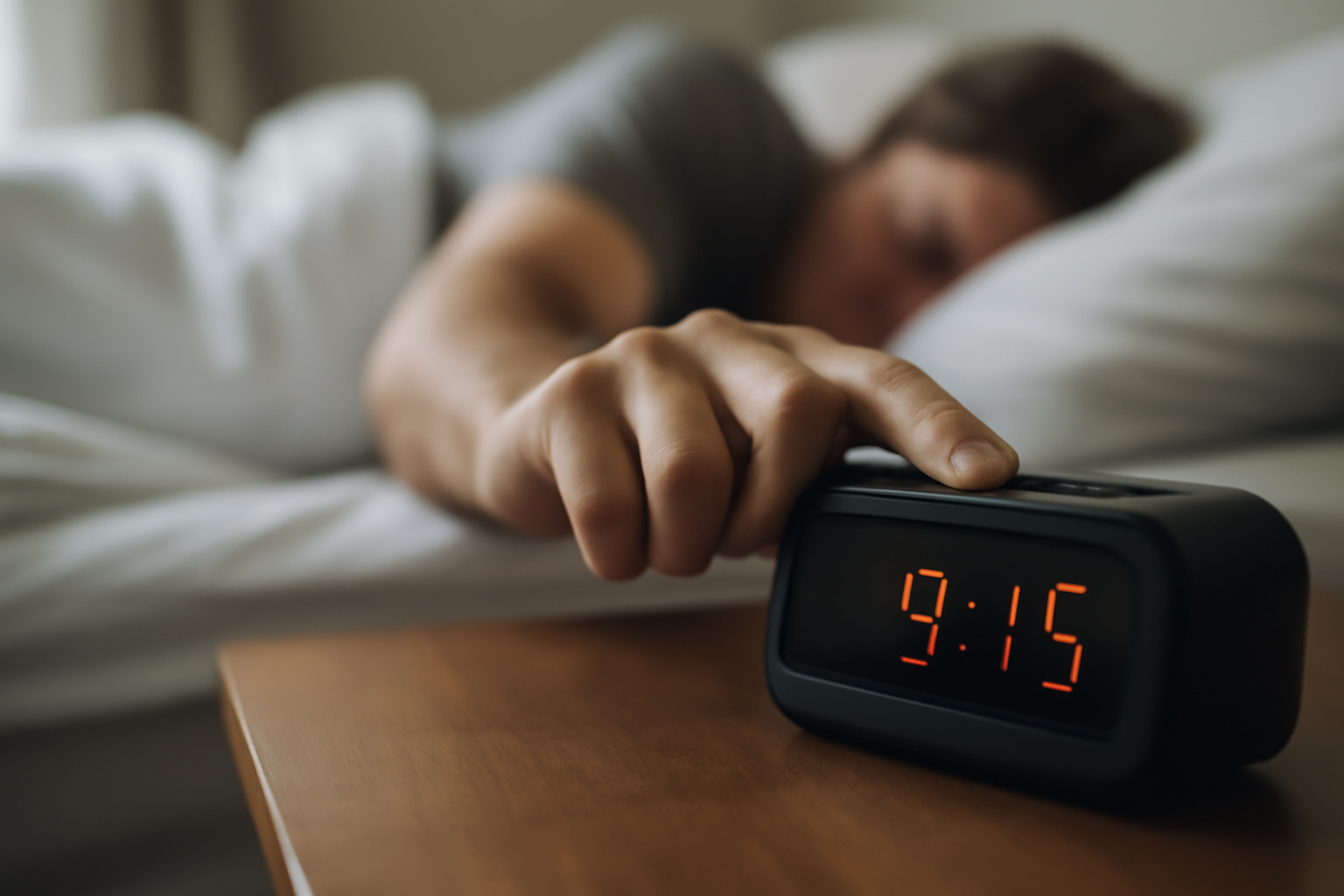

Waking up late, hitting snooze repeatedly, or feeling groggy for hours after getting out of bed are common signs of oversleeping. Many people think sleeping more is harmless, but regular excess sleep can undermine daily routines, reduce productivity, and affect mood. This post starts with a clear look at what oversleeping means and why it matters. It also previews practical approaches to help you wake up refreshed and keep mornings consistent.
Understanding Oversleeping
Oversleeping describes sleeping longer than a person needs or feeling unrefreshed despite long sleep. It can show up as chronic late mornings, frequent naps that leave you groggy, or difficulty waking without multiple alarms. Oversleeping is not the same for everyone. For some it is a pattern tied to habits and lifestyle. For others it is a symptom of a medical condition.
Behavioral And Medical Causes
Causes fall into two broad groups. Behavioral causes include irregular sleep schedules, excessive late-night screen time, inconsistent routines, or using alcohol and caffeine in ways that disturb sleep later. Medical causes include sleep apnea, narcolepsy, or ongoing excessive sleepiness. Each route changes how you approach solutions. If you are asking how to stop oversleeping, start by noting whether your pattern seems tied to habits or to persistent daytime sleepiness that interferes with life.
How Oversleeping Affects Daily Life
Too much sleep can blunt energy, slow reaction time, and harm concentration. People who oversleep often report low motivation, missed appointments, and trouble keeping predictable work or study hours. There is also a link between long sleep and worsened mood for some people. Addressing oversleeping can therefore improve focus, emotional balance, and productivity.
Feeling unsure what type of anxiety you’re dealing with? Take the free quiz to find your personalized support plan
.png)
The Importance Of Addressing Oversleeping
Making changes to stop oversleeping can bring quick wins and long-term benefits. Better-aligned sleep often means more reliable mornings, higher daytime energy, and improved mood. Over time, regular sleep supports cognitive sharpness and emotional resilience.
Later in this post, we will outline practical, accessible strategies you can try at home and explain when to seek professional evaluation. Those strategies include lifestyle adjustments such as consistent sleep schedules and alarm optimization, as well as a look at medical and clinical options for people whose oversleeping may stem from a disorder.
For readers who want to explore related guidance on improving nightly rest and knowing when to consult a clinician, consider linking to internal resources such as Sleep Basics and When To See A Doctor. These will help you decide whether simple habit shifts or a medical assessment is the right next step.
Practical lifestyle strategies to stop oversleeping
These tactics go beyond general advice and give concrete steps you can try tonight and over the next few weeks. Use them in combination rather than expecting one quick fix to solve chronic oversleeping.
stabilize your sleep schedule
Shift your bedtime and wake time gradually by 15 to 30 minutes every few days until you reach the target. Keep that schedule seven days a week where possible. Morning light exposure within 30 minutes of waking helps reset your internal body clock, so open curtains or step outside for 10 minutes.
optimize alarms and wake routines
- Use a sunrise alarm or an alarm that increases volume gradually to reduce startle and grogginess.
- Place the alarm or phone across the room to force movement and reduce snoozing.
- Set a two-step wake routine: light exposure first, then a simple movement like stretching or a short walk to complete within 10 minutes of waking.
refine your pre-sleep routine
Build a predictable wind-down of 30 to 60 minutes. Include low-stimulation activities like reading or breathing exercises. Stop screens at least 60 minutes before bed or use features that reduce blue light. A consistent routine signals your body to lower arousal and prepare for sleep.
exercise, timing, and naps
Aim for 30 minutes of moderate exercise most days. Morning or early afternoon workouts are best for improving nighttime sleep. Limit naps to 10 to 20 minutes and avoid napping after 3pm. Long or late naps are common triggers for oversleeping at night.
control your sleep environment
- Keep the bedroom cool, ideally between 16 and 19 Celsius.
- Use blackout curtains and minimize noise with white noise or earplugs.
- Remove or neutralize bright LED lights and charging devices to lower sleep disruption.
medical and clinical options to consider
If lifestyle steps do not reduce excessive sleepiness, medical causes may be present. Below are signs and treatment pathways to discuss with a clinician.
signs that suggest a sleep disorder
- Persistent daytime sleepiness despite 7 to 9 hours of sleep.
- Loud snoring, choking, or gasping during sleep.
- Sudden muscle weakness linked to strong emotions or uncontrollable sleep attacks.
- Morning headaches, memory trouble, or slowed thinking that do not improve with routine changes.
common treatments explained
Diagnosis often begins with a sleep study or clinical evaluation. Treatments may include:
- CPAP or BiPAP therapy for breathing-related sleep disruption to keep airways open.
- Wake-promoting medications such as modafinil for narcolepsy or idiopathic hypersomnia, prescribed and monitored by a doctor.
- Cognitive behavioral therapy for insomnia (CBT-I) when sleep timing or anxiety around sleep contributes to irregular patterns.
- Light therapy and timed melatonin for circadian rhythm disorders to shift the internal clock.
Always consult a healthcare provider before starting any medication or device.
tracking, self-assessment, and choosing the right approach
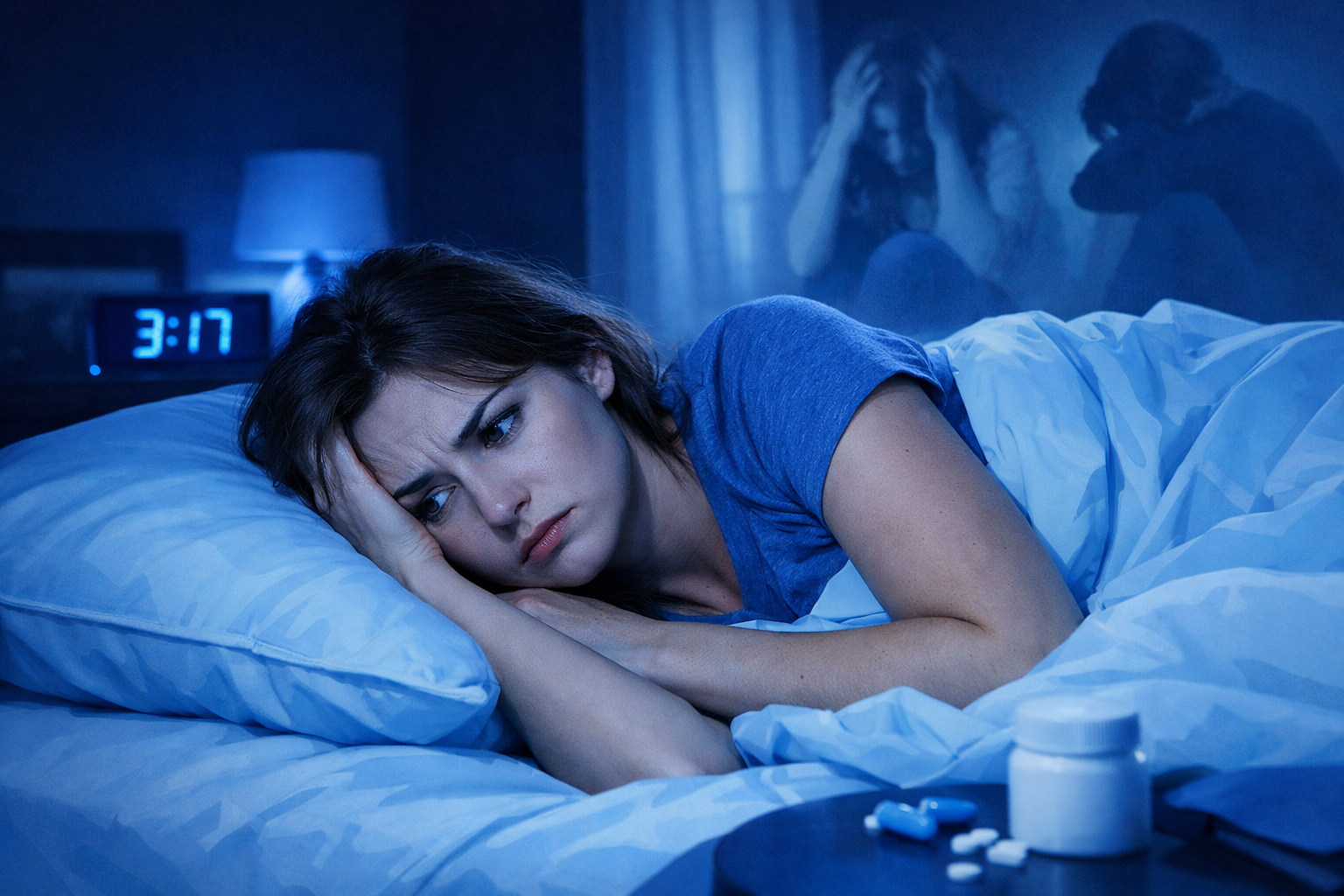
Accurate tracking clarifies whether oversleeping is behavioral or medical. Keep a sleep journal for two to three weeks and record:
- Bedtime and wake time, total sleep time
- Number and length of naps
- Caffeine, alcohol, and medication times
- Pre-sleep activities and perceived sleep quality
- Daytime energy and naps or microsleeps
Wearable trackers can add objective sleep time estimates, but use journal notes to capture context and triggers.
short-term fixes vs long-term solutions
Short-term fixes can provide immediate relief while you build better habits. Examples:
- Short-term: alarm placement, limiting late caffeine, strategic 15-minute naps early in the day.
- Long-term: consistent sleep schedule, regular exercise, treating underlying medical conditions, and CBT-I.
how to identify the root cause
Use this quick guide:
- If sleepiness fluctuates with schedule changes or weekend oversleeping, start with behavioral strategies.
- If sleepiness persists after consistent sleep and good sleep hygiene, consider a clinical evaluation.
- If you have loud snoring, witnessed breathing pauses, or sudden sleep attacks, seek medical testing promptly.
For more guidance on testing and referral, explore internal resources like When To See A Doctor and learn basic sleep hygiene at Sleep Basics.
Combining careful tracking with staged interventions makes it easier to answer how to stop oversleeping in a way that fits your life. Start with small, consistent changes and escalate to clinical evaluation when sleepiness does not improve.
Tracking and self-assessment
Accurate tracking helps you move from guessing to testing. If you want to know how to stop oversleeping for good, start by collecting clear data for two to three weeks. That gives you evidence to decide whether simple habit changes will work or whether you need professional evaluation.
sleep journaling: what to record
- Bedtime and wake time, including night awakenings and total sleep time.
- Exact times for caffeine, alcohol, and medications.
- Pre-sleep activities and mood before bed.
- Daytime naps: time, length, and how you felt after them.
- Morning alertness level on a 1 to 10 scale and any grogginess duration.
- Environmental notes such as room temperature, noise, and light exposure.
Combine this journal with a wearable or phone sleep log if available. Devices add objective timing, but your notes capture triggers and context that devices miss.
interpreting patterns and triggers
After two weeks, look for recurring themes. Use these quick checks to interpret what your journal shows:
- Consistent late bedtimes or weekend sleep-ins suggest circadian misalignment. Try adjusting sleep times gradually and morning light exposure.
- Long uninterrupted sleep but persistent daytime sleepiness points to a possible sleep disorder. Note any snoring, gasping, or sudden sleep attacks.
- Short naps that leave you refreshed imply sleep pressure is normal. Long naps or frequent naps that cause grogginess often feed evening oversleeping.
- High alcohol or late caffeine use correlating with fragmented sleep suggests behavioral targets to change first.
short-term fixes and staged plans
Make a two-phase plan that starts with fast wins, then builds sustainable change.
- Phase 1: quick fixes for the next week — place your alarm across the room, avoid caffeine after 2pm, get 10 minutes of morning light, and limit naps to 20 minutes before 3pm.
- Phase 2: habit building over 4 to 8 weeks — fix a consistent sleep window, add regular exercise in the morning or early afternoon, and establish a 30 to 60 minute wind-down routine before bed.
Track results weekly. If sleepiness improves, continue habits. If you see little change after consistent effort, escalate evaluation.
diagnosing root causes at home
Use a practical decision process to decide next steps:
- Have you improved sleep hygiene and kept a stable schedule for at least three weeks? If no, focus on behavior changes first.
- Do you still experience severe daytime sleepiness despite good habits? If yes, consider clinical testing such as an overnight sleep study or a multiple sleep latency test arranged by a clinician.
- Are there red-flag symptoms like loud snoring, gasping, sleep paralysis, or sudden muscle weakness? Seek medical review sooner rather than later.
When in doubt, discuss your journal and device data with a clinician. They can recommend targeted tests and treatments rather than trial-and-error medication.
final thoughts and next steps
Stopping oversleeping is often a process of measurement, small experiments, and gradual habit change. Start with disciplined tracking and a two-phase plan of short-term fixes followed by long-term routines. If daytime sleepiness continues despite sustained effort, pursue clinical evaluation.
You can also explore more guides here:
Anxiety
For extra guidance, review internal resources like Sleep Basics for hygiene steps and When To See A Doctor for signs that warrant medical assessment. Take one clear action today: begin a simple sleep journal and set one immediate change, such as moving your alarm or cutting caffeine after 2pm. Small steps compound into lasting morning energy.
You don’t have to figure this out alone. Take the quiz and get personalized guidance today
Frequently Asked Questions
What are the common causes of oversleeping?
Common causes include irregular sleep schedules, late-night screen use, excessive naps, and undiagnosed sleep disorders. Keeping a sleep journal helps you see whether behavioral patterns or medical issues are driving oversleeping and guides how to stop oversleeping effectively.
How can I tell if my oversleeping is a medical issue?
Look for persistent daytime sleepiness despite 7 to 9 hours of nightly sleep, loud snoring, gasping, sudden sleep attacks, or memory and concentration decline. Document these symptoms in your sleep journal and share them with a clinician to determine whether tests are needed to address how to stop oversleeping.
Are there any risks associated with oversleeping?
Regular oversleeping can harm mood, energy, and daily functioning and may be linked to metabolic and cardiovascular risks in some people. Tracking symptoms and seeking help when sleepiness persists are key steps in learning how to stop oversleeping and protect long-term health.