

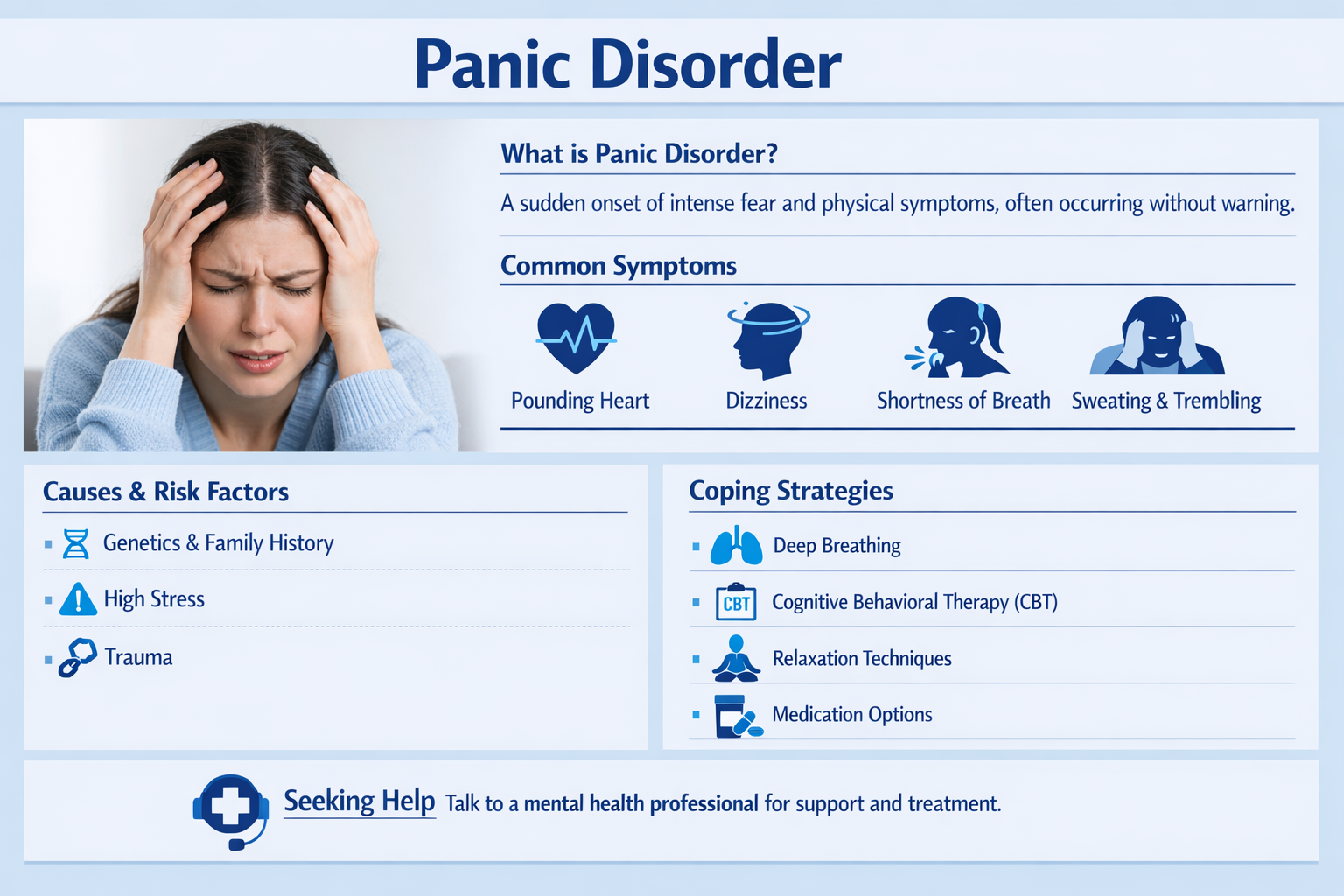
Panic disorder is a common mental health condition marked by sudden, intense episodes of fear and physical symptoms such as racing heart, shortness of breath, dizziness, and a sense of losing control. These attacks can come without warning and may leave a person exhausted, frightened of future episodes, or avoiding situations where an attack might occur. Because panic can affect work, school, relationships, and daily tasks, many people ask whether is panic disorder a disability under U.S. law.
Why The Question Matters
Understanding whether is panic disorder a disability matters for more than medical care. It affects legal rights, workplace protections, access to benefits, and eligibility for reasonable accommodations. People with disabling symptoms may need flexibility at work, special classroom arrangements, or financial support when symptoms prevent sustained employment. Clear guidance helps individuals, employers, schools, and clinicians navigate requests for accommodations and disability benefits.
Impact On Daily Functioning
Panic attacks can be unpredictable and severe enough to limit major life activities like concentrating, interacting with others, traveling, or performing job duties. Functional limitations, not just diagnosis alone, are central when deciding if the condition meets the legal threshold for disability. For many readers, that distinction is the key to understanding next steps.
Main Legal Frameworks That Recognize Panic Disorder
Several federal systems and laws address whether is panic disorder a disability and what protections apply. The most commonly referenced frameworks are:
- Americans With Disabilities Act (ADA) — Provides civil rights protections in employment, education, and public services for qualifying disabilities.
- Social Security Administration (SSA) — Administers disability benefits programs that may provide income support when a condition prevents substantial work over time.
- Department Of Veterans Affairs (VA) — Evaluates service members and veterans for disability compensation related to mental health conditions.
What Comes Next
This introduction sets the stage for a closer look at how each framework defines disability, what evidence is typically needed, and how functional impact is assessed. Later sections will explain how the ADA treats substantial impairment, how federal benefit programs evaluate severity and duration, and how service connection is established for veterans.
Not sure which solution fits your symptoms? Take the anxiety quiz and discover what works best for you.
How the ADA evaluates panic disorder
Under the Americans With Disabilities Act, the focus is on how symptoms limit major life activities rather than on the label of the diagnosis. For people asking is panic disorder a disability, the ADA looks at whether panic attacks or related anxiety substantially restrict activities such as concentrating, communicating, traveling, or performing work tasks.
Substantial impairment and examples
- Difficulty performing essential job duties because of unpredictable attacks or fear of having an attack in public.
- Inability to travel to offsite meetings or use public transit due to severe anticipatory anxiety.
- Marked problems with concentration, memory, or social interaction that reduce productivity.
Requesting accommodations at work and school
When seeking reasonable accommodations, documentation should connect symptoms to specific limitations. Common accommodations include modified schedules, quiet workspaces, remote work options, extra time for tasks, and predictable break times. Employers and schools engage in an interactive process to find effective solutions that do not create undue hardship.
Social Security requirements for benefits
For people exploring whether is panic disorder a disability for Social Security benefits, the SSA evaluates severity, duration, and functional impact. Meeting the medical listing for anxiety disorders can be difficult, so many claims rely on a combination of medical records and functional evidence.
| Program | Key requirements |
|---|---|
| SSDI | Work history and sufficient recent earnings; proof that the condition prevents substantial gainful activity for at least 12 months |
| SSI | Income and resource limits plus documented disability that meets SSA standards |
What helps a strong SSA claim
- Consistent, long-term mental health treatment notes showing persistent symptoms.
- Functional assessments from clinicians detailing limitations in daily living and work capacity.
- Third-party statements from employers, family members, or coworkers describing real-world impact.
VA disability ratings and service connection
Veterans who wonder is panic disorder a disability in the VA system must show a service connection. The VA assigns a percentage rating based on occupational and social impairment. Ratings influence monthly compensation and access to related benefits.
- 0 percent – Diagnosis present but no significant occupational or social impairment.
- 10 to 30 percent – Mild to moderate symptoms with some occupational or social impairment.
- 50 percent – Occupational and social impairment with reduced reliability and productivity.
- 70 to 100 percent – Severe symptoms causing total occupational and social impairment or near total impairment.
You don’t have to figure this out alone. Take the quiz and get personalized guidance today.
Medical evidence and documentation that strengthens claims
Diagnosis alone rarely suffices. Useful elements include:
- Detailed clinical notes describing frequency, triggers, duration, and severity of panic attacks.
- Results from standardized assessments that measure anxiety and functional impairment.
- Records of medication trials, response to therapy, and any hospitalizations or emergency visits.
- Work records showing missed days, performance reviews, and attempts to accommodate.

Treatment, prognosis, and returning to function
Treatment can reduce symptoms and improve function. Cognitive behavioral therapy, exposure techniques, medications, and combined care often lead to meaningful recovery. For disability determinations, showing both treatment history and ongoing limitations gives decision makers a clearer picture of long-term impact.
Gaps, denials, and practical next steps
Common gaps in current guidance include variations at the state level and limited discussion of education or housing accommodations. Denials often occur when evidence is vague or when functional limits are not clearly documented.
Practical steps:
- Keep organized medical and work records that link symptoms to specific limitations.
- Ask clinicians for functional statements rather than only diagnostic labels.
- Consider consulting a disability advocate or attorney if a claim is denied or an appeal is needed.
Understanding whether is panic disorder a disability requires both legal and clinical evidence. With careful documentation and targeted requests for accommodations, many people can secure protections or benefits that match their level of impairment.
Clinical And Symptom-Based Perspective
Clinically, panic disorder is defined by recurrent, unexpected panic attacks and persistent concern about having more attacks. Beyond the diagnostic label, disability determinations focus on how those symptoms limit daily functioning. For many people, the practical question is not whether someone has panic disorder but whether is panic disorder a disability in a way that prevents consistent work, study, or independent living.
Symptoms That Often Drive Disability Decisions
- Frequent, severe panic attacks that occur with little warning and require recovery time.
- Anticipatory anxiety or avoidance that limits travel, commuting, or attending meetings.
- Concentration, memory, or sleep disruption that reduces productivity.
- Physical symptoms such as chest pain, dizziness, or shortness of breath that prompt repeated emergency care.
Assessment Tools And Functional Measures
Decision makers increasingly rely on standardized measures and detailed functional statements. Useful tools include the Panic Disorder Severity Scale, Beck Anxiety Inventory, and WHO Disability Assessment Schedule (WHODAS 2.0). Clinician notes should translate symptom descriptions into specific work- or school-related limitations. Vocational evaluations and third-party statements from employers or family members strengthen evidence of real-world impact.
Treatment And Prognosis
Treatment often improves symptoms, but improvement does not automatically negate disability. Effective options include cognitive behavioral therapy, exposure-based approaches, and medications such as selective serotonin reuptake inhibitors. Some people benefit from combined treatment and skills-focused rehabilitation for returning to work.
How Treatment Affects Disability Findings
- Documented treatment attempts and responses help evaluators judge likely long-term function.
- Short-term improvement may indicate potential to return to work with accommodations.
- Persistent limitations despite adequate treatment strengthen a claim that is panic disorder a disability for benefit programs.
Critical Findings And Practical Gaps
Across legal and clinical perspectives, there is agreement that panic disorder can qualify as a disability when it substantially limits major life activities. Yet common gaps affect real-world outcomes.
Key Gaps To Watch
- State-level variations and non-federal programs are rarely explained in depth, leaving uncertainty for some applicants.
- Education and housing accommodations receive less coverage than employment protections.
- Many denials hinge on vague records rather than on the absence of true impairment.
Common Reasons Claims Are Denied
- Insufficient functional detail in medical notes.
- No clear link between symptoms and work capacity.
- Gaps in treatment history or missing objective assessments.
Practical Next Steps
Take concrete steps to document and protect rights. Keep detailed treatment records, ask clinicians for work-focused letters that describe limitations, and collect statements from supervisors or family about daily impact. If a claim is denied, consider a vocational expert or a disability attorney to build a focused appeal. For veterans, service-connection documentation is essential.
Remember that determining whether is panic disorder a disability is an individualized process that weighs symptom severity, duration, treatment history, and real-world functioning. Clear, consistent documentation and early planning improve chances of getting the right protections or benefits.
You can also explore more guides here:
Anxiety
Final action: talk with your treating clinician about functional statements, organize your records, and reach out to a benefits counselor or legal adviser if you are preparing a claim or an appeal. Taking these steps makes navigating the system more manageable and increases the likelihood that accommodations or benefits will match your needs.
You don’t have to figure this out alone. Take the quiz and get personalized guidance today.
Frequently asked questions
How long must symptoms last for is panic disorder a disability under Social Security?
The SSA generally looks for evidence that limitations persist for at least 12 months to decide if is panic disorder a disability for SSDI or SSI eligibility, though individual cases vary based on documentation and functional impact.
Can showing improvement with treatment hurt a claim about is panic disorder a disability?
Not necessarily. Treatment response is relevant. Improvement can reduce disability ratings, but evaluators focus on current residual limitations and the likelihood of sustained function when deciding if is panic disorder a disability.
Should I get a vocational evaluation when asking whether is panic disorder a disability?
Yes. A vocational evaluation links medical findings to job tasks and often strengthens evidence that is panic disorder a disability by clarifying work limitations and realistic employment prospects.
Frequently Asked Questions
How long must symptoms last for is panic disorder a disability under Social Security?
The SSA generally looks for evidence that limitations persist for at least 12 months to decide if is panic disorder a disability for SSDI or SSI eligibility, though individual cases vary based on documentation and functional impact.
Can showing improvement with treatment hurt a claim about is panic disorder a disability?
Not necessarily. Treatment response is relevant. Improvement can reduce disability ratings, but evaluators focus on current residual limitations and the likelihood of sustained function when deciding if is panic disorder a disability.
Should I get a vocational evaluation when asking whether is panic disorder a disability?
Yes. A vocational evaluation links medical findings to job tasks and often strengthens evidence that is panic disorder a disability by clarifying work limitations and realistic employment prospects.