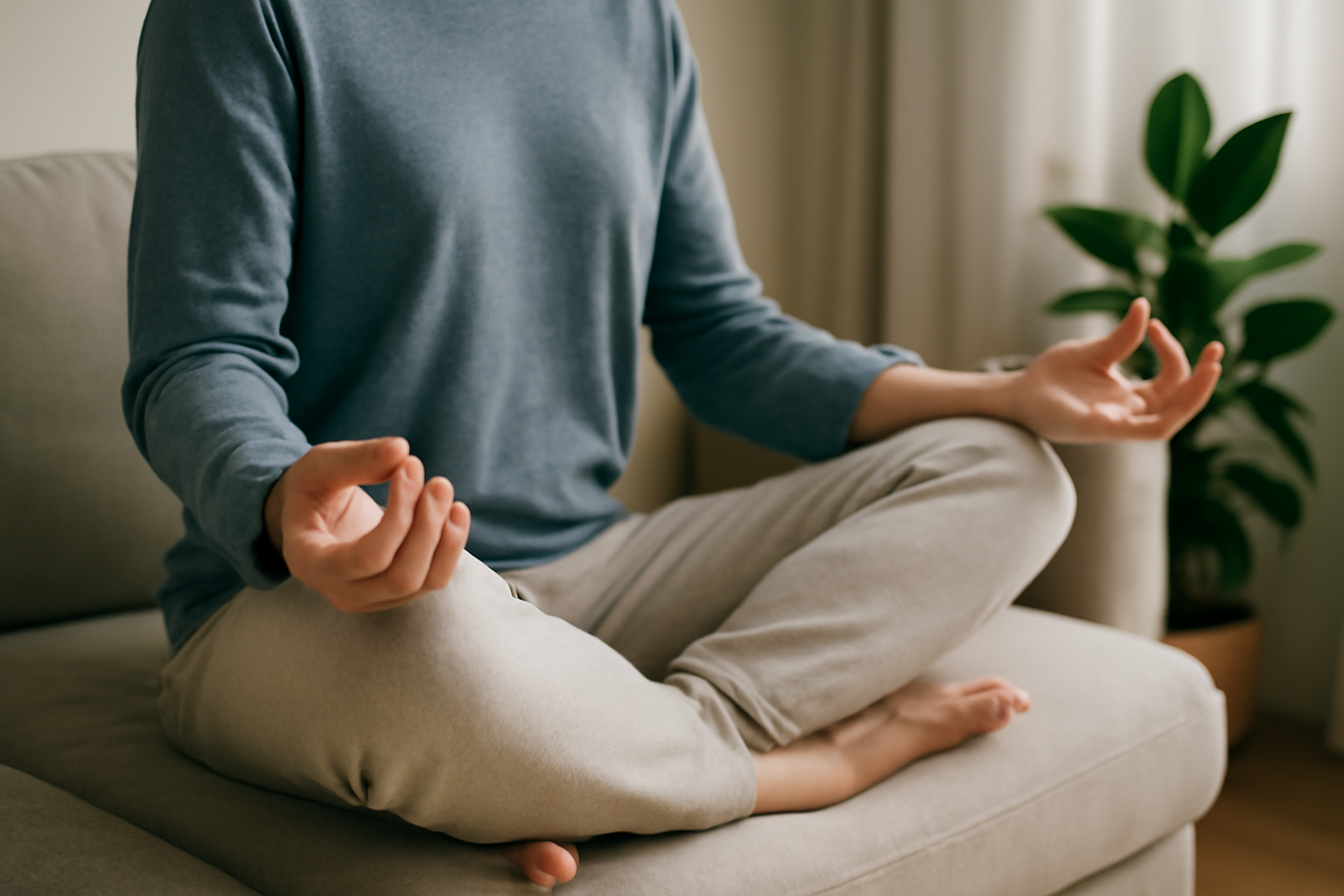

Meditation has moved from ancient practice to modern, evidence-based strategy for calming a busy mind. In a world where distractions multiply and stress is common, many people are turning to meditation and peace of mind as a practical solution. This introduction outlines why meditation matters now, how interest has grown because of clear mental health benefits, and why scientists view it as a tool that actually changes the brain.
Meditation and peace of mind in a fast-paced world
Interest in meditation has surged as studies link mindfulness to lower stress, reduced anxiety, and improved emotional control. More people are searching for ways to feel steady and clear, not just relaxed. Meditation and peace of mind are often used together because the practice directly targets the processes that create worry, rumination, and hyperarousal.
Why science reframes meditation
When experts discuss meditation and peace of mind, they emphasize measurable brain changes. Regular practice appears to tone areas involved in threat response and strengthen regions used for focus and decision making. Framing meditation as brain training helps many skeptics see it as a practical, rather than purely spiritual, routine.
What people notice first
- Easier stress management and fewer intense worry episodes.
- Short-term calm after even a few minutes of guided practice.
- A growing interest in long-term benefits, such as improved sleep and resilience.
Ready to reduce anxiety the smart way?
Take the 3 minute assessment and get your personalized supplement formula.
Practical appeal for beginners
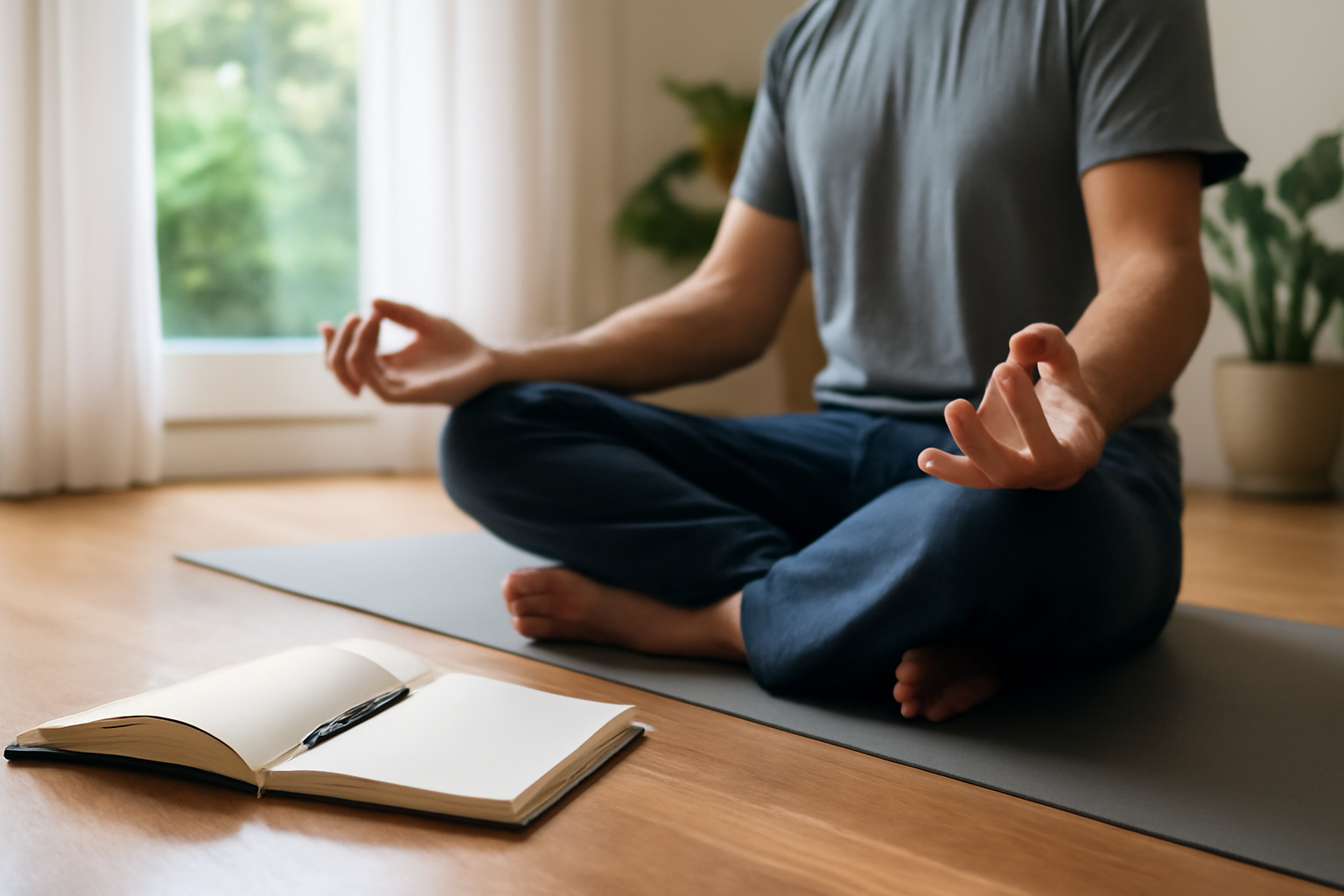
One reason meditation and peace of mind resonate is accessibility. You do not need special equipment or a long history with spiritual traditions to begin. Simple daily sessions, guided recordings, and brief mindfulness exercises fit into a busy schedule. For those who want a quick next step, check a concise dictionary entry or try a short routine listed in our mindfulness quiz to find a style that fits your life.
In the next section we will explore how meditation changes specific brain regions, the neurotransmitter shifts behind calmer states, and the clinical evidence that shows lasting improvements. For now, think of meditation as both a personal practice and a scientifically informed method for moving toward real inner peace.
Brain changes That Create Calm
Modern imaging shows how meditation and peace of mind connect through physical brain shifts. Regular practice tends to reduce activity and size in the amygdala, the region that signals threat and fuels fear. At the same time, the prefrontal cortex often shows increased gray matter and stronger connections to the amygdala. That change helps people pause before reacting and make clearer decisions under stress.
Meditation and peace of mind: neurotransmitters and stress hormones
Meditation changes chemistry as well as structure. Many practitioners report a steady rise in serotonin and endorphin activity, which supports calm and well-being. Cortisol, the stress hormone, often drops after consistent practice. These shifts explain why people feel less nervous, sleep better, and recover faster after tense events.
What the body shows
- Lower resting heart rate and reduced blood pressure after weeks of practice.
- Measurable decreases in inflammation markers that relate to chronic stress.
- Improved sleep quality and shorter time to fall asleep for those with insomnia.
You can also explore more guides here:
Anxiety
Research-Backed Benefits For mental and physical health
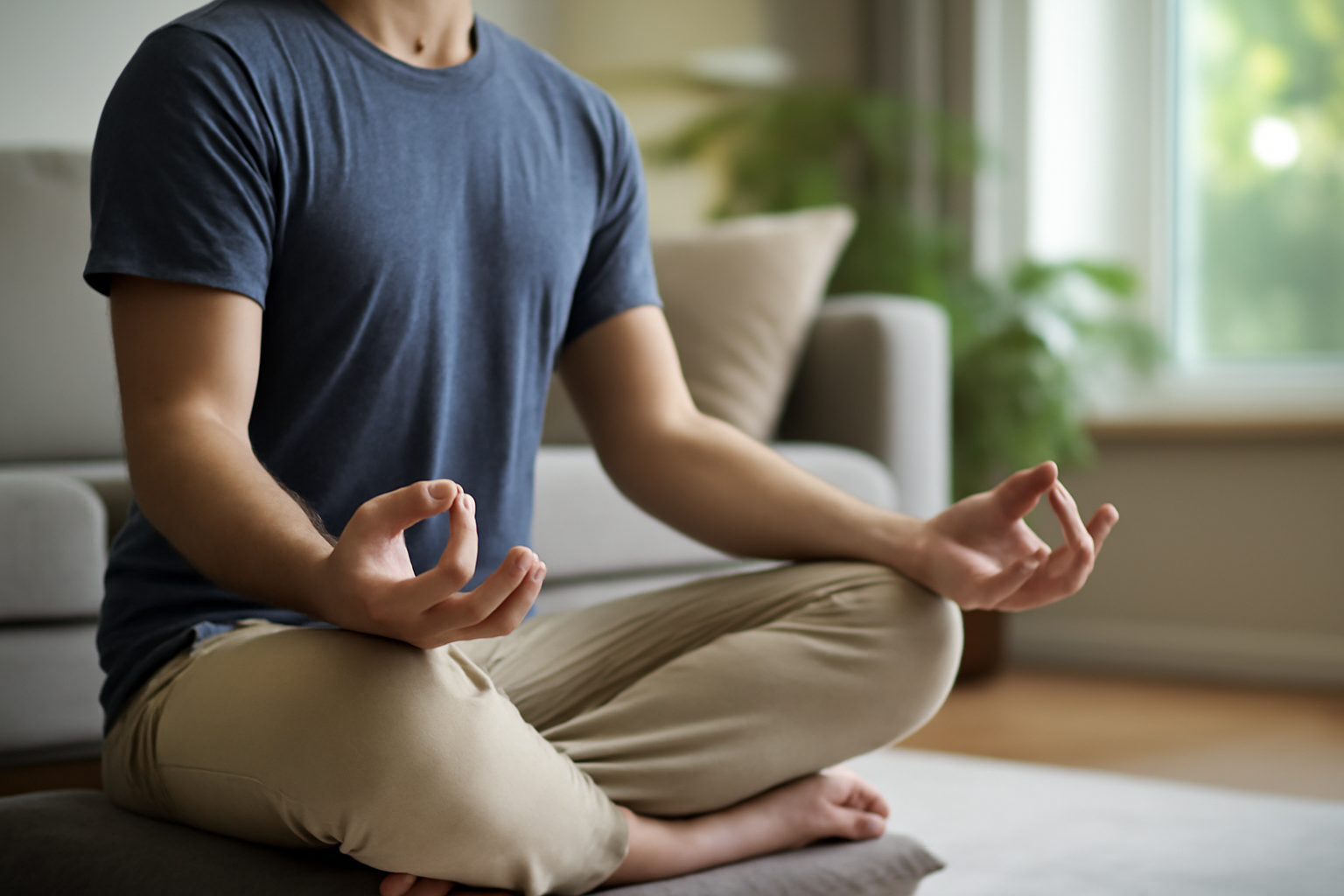
Clinical research ties meditation and peace of mind to outcomes that matter. Large reviews report significant drops in stress and anxiety scores across diverse groups. Some meta-analyses find that mindfulness programs perform similarly to cognitive behavioral therapy and certain antidepressants for anxiety and depression, especially when used alongside standard care.
Beyond mood, regular practice also supports long-term brain health. Studies comparing long-term meditators to non-meditators show preservation of brain matter in regions tied to attention and memory. That preservation may protect thinking skills as people age.
How therapy programs use meditation
Mindfulness-based cognitive therapy, or MBCT, marries meditation with cognitive techniques to lower relapse rates in depression. MBCT is typically an eight-week, group-based course that combines guided practice, discussion, and daily home exercises. Many clinicians recommend MBCT as a complement to medication and psychotherapy rather than a replacement.
Simple daily routines That build peace
For lasting change, small habits beat occasional long sessions. Below are practical routes to integrate meditation and peace of mind into a busy life.
- Start with a three to five minute breath-awareness session each morning.
- Use a body-scan for 10 to 15 minutes before bed to improve sleep onset.
- Try mindful walking or a short walking meditation during work breaks.
- Keep a brief gratitude or mood journal to track shifts in reactivity.
- Use guided recordings or apps if you need structure and pacing.
Begin with 5 to 10 minutes daily and add time slowly until you reach 20 to 30 minutes if that fits your schedule. If you prefer structured help,.
Making practice stick
Measure progress with simple markers: fewer automatic angry or anxious responses, improved sleep duration, and steadier concentration during tasks. Wearables can show reductions in resting heart rate, while a short weekly checklist can capture mood and focus trends.
Ready to reduce anxiety the smart way?
Take the 3 minute assessment and get your personalized supplement formula.
Practical caution
Meditation and peace of mind are accessible for most people, but those with severe mental health conditions should consult a clinician before changing treatment. When used consistently and thoughtfully, meditation offers a science-based path to reduce reactivity, sharpen attention, and create a more lasting sense of inner peace.
Long-term brain health
Beyond immediate calm, long-term practice changes how the brain ages. Research from Harvard and other institutions shows that people who maintain regular meditation and peace of mind practices tend to retain more gray matter in regions tied to attention, memory, and self-awareness. That preservation does not mean meditation is a guarantee against cognitive decline, but it suggests a protective effect that complements healthy lifestyle choices like exercise and sleep.
These longer-term changes appear after consistent practice over months and years. Neural networks involved in attention become more efficient, and the connectivity between regulatory areas and emotional centers improves. For anyone aiming to preserve clarity across decades, meditation and peace of mind can be a low-cost, low-risk strategy to include alongside medical advice and brain-healthy routines.
Practical marks of long-term change
- Sustained improvements in focus during work or study sessions.
- Less cognitive fog after stressful days.
- Greater resilience when facing complex decisions or emotional setbacks.
Emotional And Creative Benefits
Meditation supports more than stress reduction. By clearing habitual mental clutter, it creates space for patience, curiosity, and creative thinking to emerge. Writers, designers, and leaders often report that consistent meditation and peace of mind practice helps them notice new connections, tolerate uncertainty, and approach problems with less reactivity and more exploration.
Emotionally, the practice builds tolerance for discomfort. Regular meditators can experience subtler mood shifts, such as reduced rumination and steadier responses to criticism. Those changes make it easier to sustain relationships and collaborate effectively, because emotional reactivity declines and listening improves.
How creativity and emotion interact
Creativity benefits when the mind is less occupied by chronic worry. A calmer baseline frees working memory and attention for associative thinking. In practical terms, short morning sessions that combine open awareness and focused attention can boost idea generation, while end-of-day practices help integrate lessons learned and reduce overnight rumination.
Sustaining A Practice That Lasts
Long-term benefits require steady, realistic habits. Here are actionable steps to keep meditation and peace of mind part of daily life:
- Pair sessions with existing routines, like meditating after brushing your teeth or during a coffee break.
- Set small, measurable goals: three 5-minute sessions per week, then increase slowly.
- Use guided options when motivation dips; see our product types for structured programs.
- Track progress with simple metrics: sleep quality, reactivity events, and focus streaks.
- Join a group or class to add social accountability and learn new techniques.
Remember that setbacks are normal. Missed days do not erase progress. The goal is cumulative practice that gradually shifts baseline reactivity toward steadiness and calm.
Conclusion and next steps
Meditation and peace of mind are not quick fixes but cumulative skills that reshape how you think, feel, and respond. The science points to real structural and chemical changes in the brain, and practical experience shows improved creativity, patience, and resilience. If you want to build a long-term habit, start small, track outcomes, and pick formats that fit your life.
Take the next step today: try a five-minute guided session, record how you feel afterward, and repeat it for a week. Small, consistent choices lead to lasting peace of mind.
If you constantly feel on edge, restless, or stuck in overthinking, you are not broken. Your body is trying to protect you. The question is whether that response has become overactive.
The right support depends on your symptoms, lifestyle, and biology. That is why Cenario builds personalized formulas instead of one size fits all blends.
Start your personalized anxiety plan by taking the 3 minute quiz.
You can also explore more guides here:
https://cenario.com/blog/anxiety/
Frequently asked questions
How quickly can I expect to see results from meditation?
Some people notice immediate shifts in calm after a single session, but most lasting changes from meditation and peace of mind appear after consistent practice for several weeks. Aim for small daily sessions and track stress and sleep to see measurable improvements.
Can meditation replace medication for mental health issues?
Meditation and peace of mind can be a valuable complement to medication and therapy, but it should not replace prescribed treatment without consulting a healthcare professional. Discuss any changes with your clinician before stopping medication.
What type of meditation is best for beginners?
Mindfulness meditation is often the easiest starting point because it focuses on simple attention skills and has strong evidence for reducing anxiety and improving clarity. Use short guided practices to build consistency and confidence in meditation and peace of mind techniques.
Frequently Asked Questions
How quickly can I expect to see results from meditation?
Some people notice immediate shifts in calm after a single session, but most lasting changes from meditation and peace of mind appear after consistent practice for several weeks. Aim for small daily sessions and track stress and sleep to see measurable improvements.
Can meditation replace medication for mental health issues?
Meditation and peace of mind can be a valuable complement to medication and therapy, but it should not replace prescribed treatment without consulting a healthcare professional. Discuss any changes with your clinician before stopping medication.
What type of meditation is best for beginners?
Mindfulness meditation is often the easiest starting point because it focuses on simple attention skills and has strong evidence for reducing anxiety and improving clarity. Use short guided practices to build consistency and confidence in meditation and peace of mind techniques.