
Anxiety is something almost everyone experiences at some point in life. It can feel like racing thoughts, a pounding heart, tightness in the chest, or a constant sense of worry that won’t go away. While some anxiety is normal especially before important events, chronic anxiety can interfere with daily life, relationships, and overall well-being.
One of the most effective and natural ways to manage anxiety is meditation. Meditation is not about “emptying your mind” or becoming perfectly calm. Instead, it is about learning to observe your thoughts without being controlled by them. In this article, you will learn what anxiety is, how meditation helps, and several powerful meditation techniques you can start using today.
To deepen your understanding, read or explore more here at Knowledge Hub for additional anxiety-related articles and blogs designed to support your mental wellness journey.
Understanding Anxiety
Anxiety is your body’s natural response to stress. It is connected to the “fight-or-flight” system, which prepares you to respond to danger. When your brain senses a threat real or imagined it releases stress hormones like cortisol and adrenaline. These hormones increase your heart rate, sharpen your focus, and prepare your muscles for action.
This response is helpful if you are in real danger. However, in modern life, anxiety is often triggered by non-life-threatening situations like exams, social situations, deadlines, or financial stress. When the body stays in this heightened state for too long, it becomes exhausting and overwhelming.
Common symptoms of anxiety include:
- Constant worrying
- Trouble sleeping
- Difficulty concentrating
- Restlessness
- Muscle tension
- Rapid heartbeat
- Shortness of breath
Meditation helps by calming the nervous system and retraining the brain to respond differently to stress.
How Meditation Helps Anxiety
Meditation works in several important ways:
1. It Calms the Nervous System
When you meditate, especially with slow breathing, you activate the parasympathetic nervous system. This is the “rest and digest” system that lowers heart rate and reduces stress hormones.
2. It Changes Your Relationship with Thoughts
Anxiety often comes from overthinking and imagining worst-case scenarios. Meditation teaches you to observe thoughts instead of automatically believing them. You begin to see thoughts as mental eventsnot facts.
3. It Improves Emotional Regulation
Regular meditation strengthens areas of the brain linked to emotional control. Over time, you become less reactive and more balanced.
4. It Builds Present-Moment Awareness
Anxiety usually focuses on the future, “What if this goes wrong?” Meditation brings your attention back to the present moment, where you are usually safe.
Take the quiz to receive personalized recommendations designed to support your wellness journey and help you manage anxiety more effectively.
Simple Meditation Techniques for Anxiety
You don’t need special equipment or hours of free time. Even 5–10 minutes a day can make a difference.
1. Deep Breathing Meditation
This is one of the simplest and most powerful techniques.
How to do it:
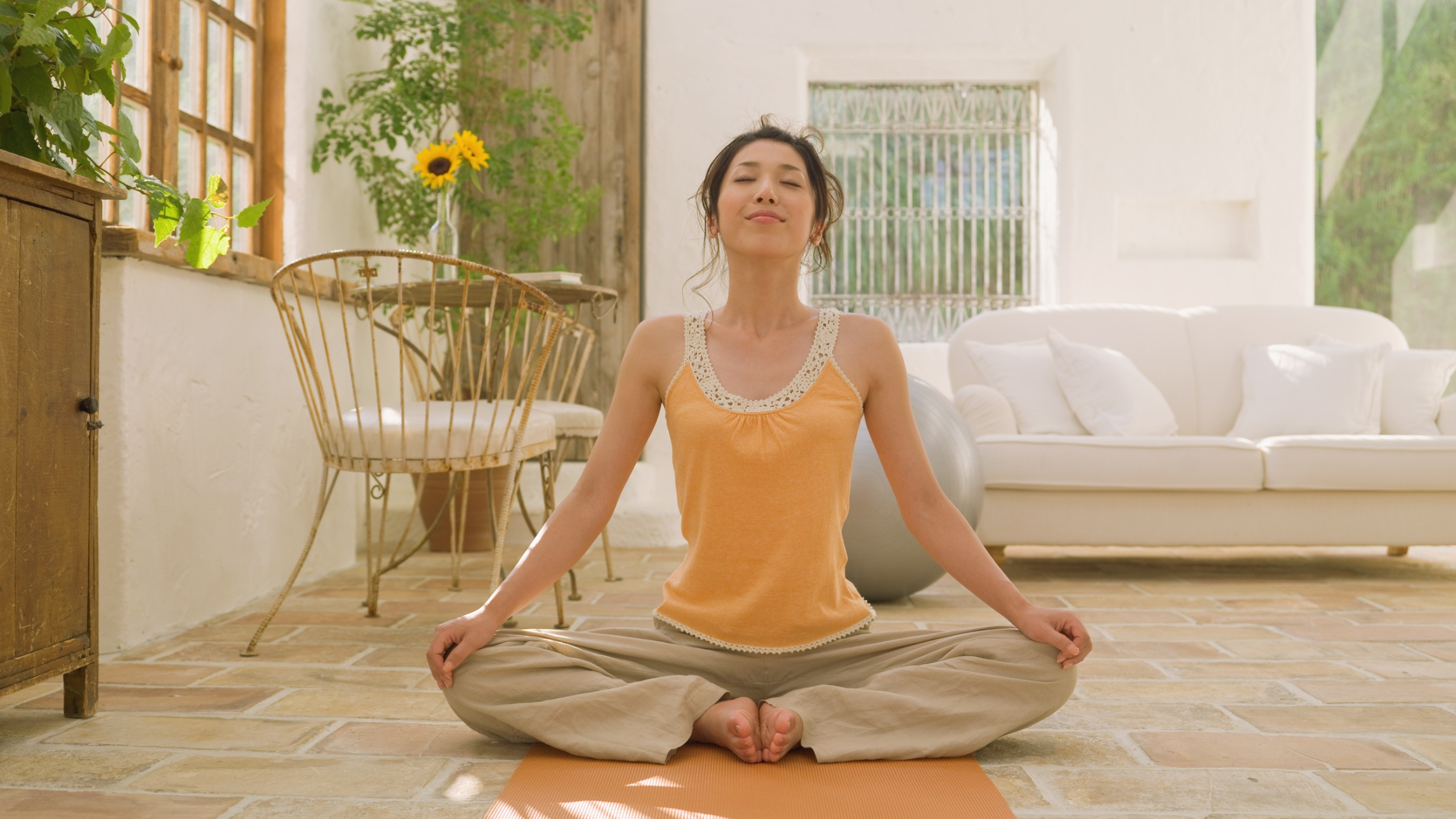
- Sit comfortably with your back straight.
- Close your eyes.
- Inhale slowly through your nose for 4 seconds.
- Hold your breath for 4 seconds.
- Exhale slowly through your mouth for 6 seconds.
- Repeat for 5–10 minutes.
Focus only on your breathing. If your mind wanders (which it will), gently bring your attention back to your breath.
This method slows your heart rate and signals to your body that it is safe.
2. Body Scan Meditation
Anxiety often creates physical tension. A body scan helps release it.
How to do it:
- Lie down or sit comfortably.
- Close your eyes.
- Slowly bring your attention to your toes.
- Notice any tension, warmth, or sensations.
- Gradually move your attention upward, feet, legs, stomach, chest, arms, shoulders, neck, and head.
- If you notice tension, imagine breathing into that area and releasing it.
This practice increases awareness of how anxiety shows up physically and helps you relax.
3. Guided Visualization
Visualization uses your imagination to create calm.
How to do it:
- Close your eyes.
- Imagine a peaceful place—perhaps a beach, forest, or mountain.
- Picture the details: sounds, smells, temperature, colors.
- Stay in this scene for several minutes.
The brain often responds to imagined experiences similarly to real ones. A calming image can reduce stress and improve mood.
4. Loving-Kindness Meditation
Anxiety can sometimes be linked to self-criticism. Loving-kindness meditation builds compassion.
How to do it:
- Sit quietly.
- Repeat silently:
- “May I be safe.”
- “May I be calm.”
- “May I be healthy.”
- “May I live with ease.”
- After a few minutes, extend these wishes to others.
This practice softens negative self-talk and builds emotional resilience.
Creating a Meditation Habit
Starting is easy, but consistency is key. Here are tips to build a lasting habit:
- Start small (5 minutes daily).
- Choose the same time each day.
- Create a quiet, comfortable space.
- Be patient with yourself.
- Don’t aim for perfection, aim for consistency.
Remember, meditation is a skill. Like exercising a muscle, it strengthens over time.
Common Misunderstandings About Meditation
“I can’t stop thinking.”
You don’t need to stop thinking. The goal is to notice thoughts and gently return to your focus point.
“It’s not working.”
Benefits often build gradually. Even if you don’t feel immediate results, your brain and nervous system are still benefiting.
“I don’t have time.”
Even 3–5 minutes can help. You can meditate before bed, after waking up, or during a break.
When to Seek Additional Help
Meditation is powerful, but it is not a replacement for professional care if anxiety is severe. If anxiety interferes with school, work, relationships, or sleep, consider speaking with a counselor, therapist, or healthcare provider. Meditation works best as part of a balanced mental health approach.
Final Thoughts
Anxiety can feel overwhelming, but it does not have to control your life. Meditation offers a simple, natural, and scientifically supported way to calm your mind and strengthen emotional resilience. By practicing regularly, you can develop greater awareness, improved focus, and a deeper sense of peace.
Start small. Be consistent. Be patient with yourself.
Peace is not the absence of anxiety—it is learning how to move through it with awareness and strength.
If you’re ready to take the next step in supporting your mental wellness, take the quiz to get a personalized supplement recommendation designed to fit your unique needs and lifestyle.
Frequently Asked Questions (FAQs)
1. How long does it take for meditation to reduce anxiety?
The effects of meditation can vary from person to person. Some people notice a sense of calm after just one session, while others may need a few weeks of consistent practice to experience significant changes. Practicing for 5–15 minutes daily can lead to noticeable improvements over time.
2. Can meditation replace therapy or medication for anxiety?
Meditation is a helpful tool, but it is not always a replacement for professional treatment. For mild anxiety, meditation may be enough to manage symptoms. However, if anxiety is severe or persistent, it is important to consult a healthcare professional. Meditation works best as part of a comprehensive mental wellness plan.
3. What is the best type of meditation for anxiety?
There is no single “best” method. Deep breathing meditation, body scan meditation, guided visualization, and loving-kindness meditation are all effective. The best approach is the one you can practice consistently and feel comfortable doing.
4. What if I can’t stop my thoughts during meditation?
It is completely normal for your mind to wander. Meditation is not about stopping your thoughts but about noticing them without judgment and gently returning your focus to your breath or chosen point of attention. Over time, this becomes easier with practice.