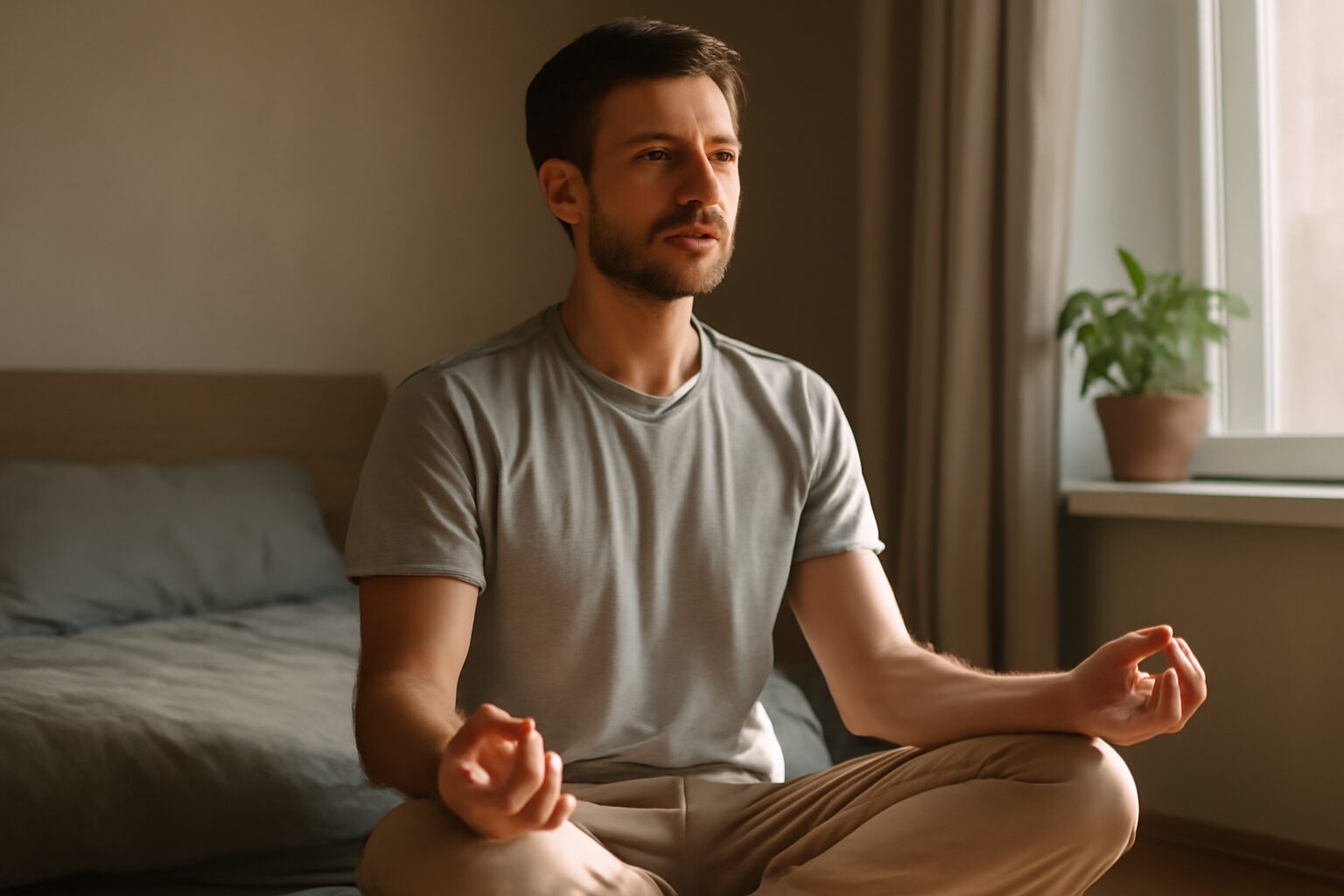

Understanding the benefits of morning meditation
In today’s fast-paced world, anxiety has become an increasingly common companion for many. As we search for effective, natural remedies to manage this pervasive issue, morning meditation emerges as a powerful and accessible tool. This simple yet transformative practice can help individuals combat anxiety, setting a positive tone for the entire day.
Morning meditation offers a multitude of benefits, supported by both scientific research and personal experiences. Studies show that engaging in meditation at the start of the day can significantly reduce anxiety levels. This practice not only helps in reducing rumination but also enhances emotional regulation, leading to a calmer, more focused mind. By incorporating meditation into your morning routine, you can improve your ability to handle stress and maintain emotional balance throughout the day.
Moreover, morning meditation is known to induce positive physiological changes. It can lower cortisol levels, the stress hormone, and contribute to better sleep quality and reduced blood pressure. Such changes are crucial in promoting overall well-being and reducing anxiety symptoms. By starting your day with meditation, you set a foundation for improved mental health and resilience against daily stressors.
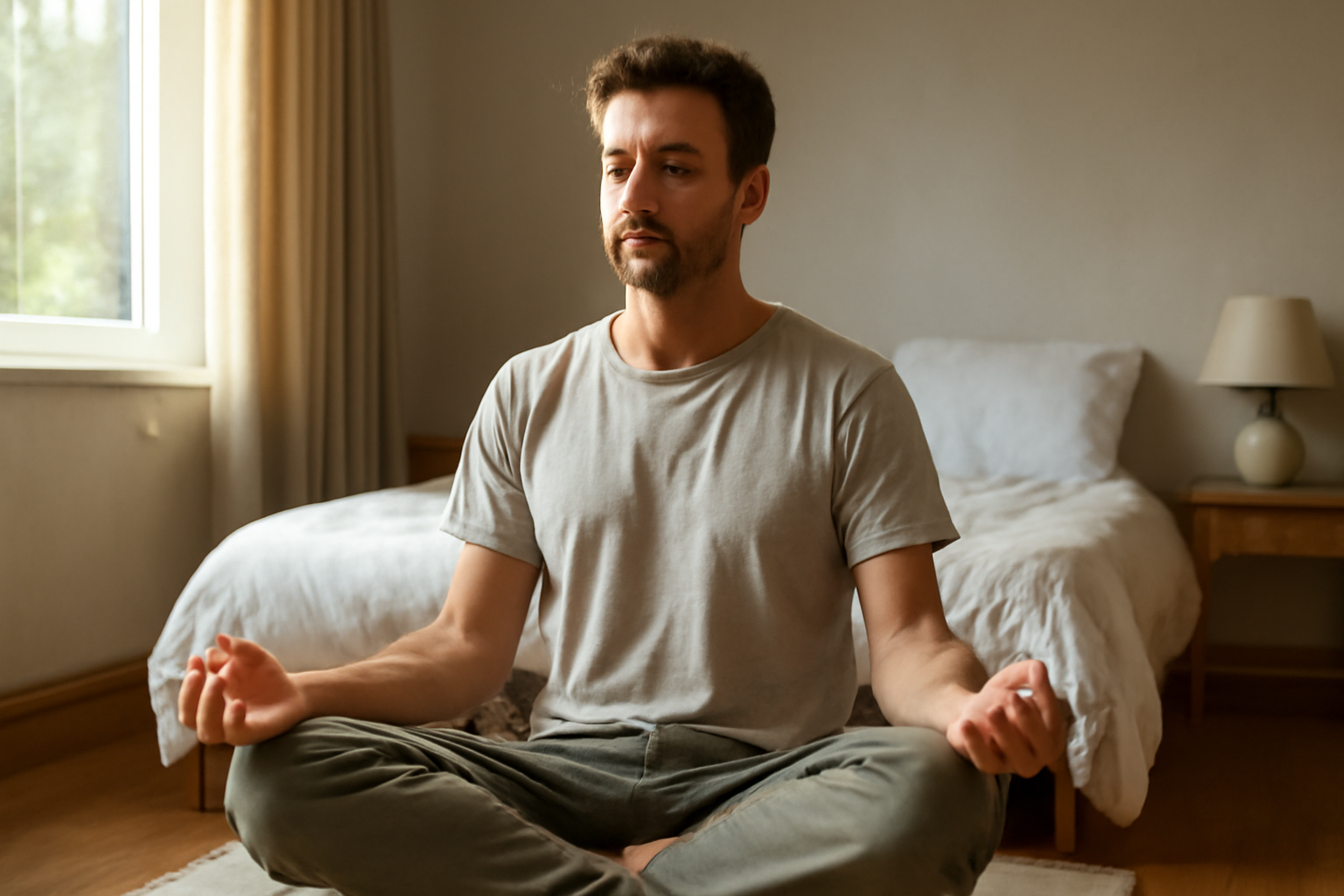
The purpose of exploring morning meditation
This post aims to delve into the ways morning meditation can effectively melt away anxiety. We will explore scientific findings that highlight its benefits, alongside practical tips to help you integrate this practice into your daily routine. Whether you’re new to meditation or looking to deepen your practice, this guide will provide valuable insights into harnessing the power of morning meditation for anxiety management.
As we continue, we will uncover the mechanisms through which meditation impacts the mind and body, offering a deeper understanding of its role in anxiety reduction. Stay tuned to learn how this simple, yet profound practice can transform your mornings and, ultimately, your life.
Scientific insights into morning meditation
Morning meditation is not just a practice rooted in tradition; it is backed by substantial scientific evidence that underscores its effectiveness in reducing anxiety. One of the most significant psychological effects of meditation is its ability to decrease rumination, which is the repetitive focus on distressing thoughts. This reduction in rumination leads to improved emotional regulation, allowing individuals to manage their emotions more effectively throughout the day.
From a physiological standpoint, morning meditation induces changes that are beneficial for anxiety management. Regular practice has been shown to lower cortisol levels, the hormone associated with stress. Lower cortisol levels contribute to improved sleep quality and reduced blood pressure, both of which are crucial for maintaining a calm and balanced state of mind. Clinical studies have also demonstrated that meditation can decrease amygdala reactivity, a brain region linked to anxiety and fear responses. This reduction in reactivity helps diminish anxiety symptoms, creating a more peaceful mental state.
How meditation alters stress responses
Meditation works by altering stress response pathways in the brain. According to insights from the American Psychological Association and PubMed, meditation enhances mental health and vitality, particularly after poor sleep. By engaging in morning meditation, individuals can buffer the negative consequences of inadequate rest, leading to improved mood and overall vitality. The practice encourages the brain to shift from a reactive state to a more reflective and controlled response to stressors.
This shift is achieved through consistent practice, which strengthens neural pathways associated with calmness and focus. Over time, these changes lead to a more resilient mental framework, enabling individuals to handle daily challenges with greater ease and composure.
Integrating meditation into your morning routine
Consistency is key when it comes to reaping the full benefits of morning meditation. To effectively integrate this practice into your daily routine, start by setting aside a dedicated time each morning. Creating a calming environment is essential; consider a quiet space free from distractions, with comfortable seating and soothing elements like soft lighting or calming scents.
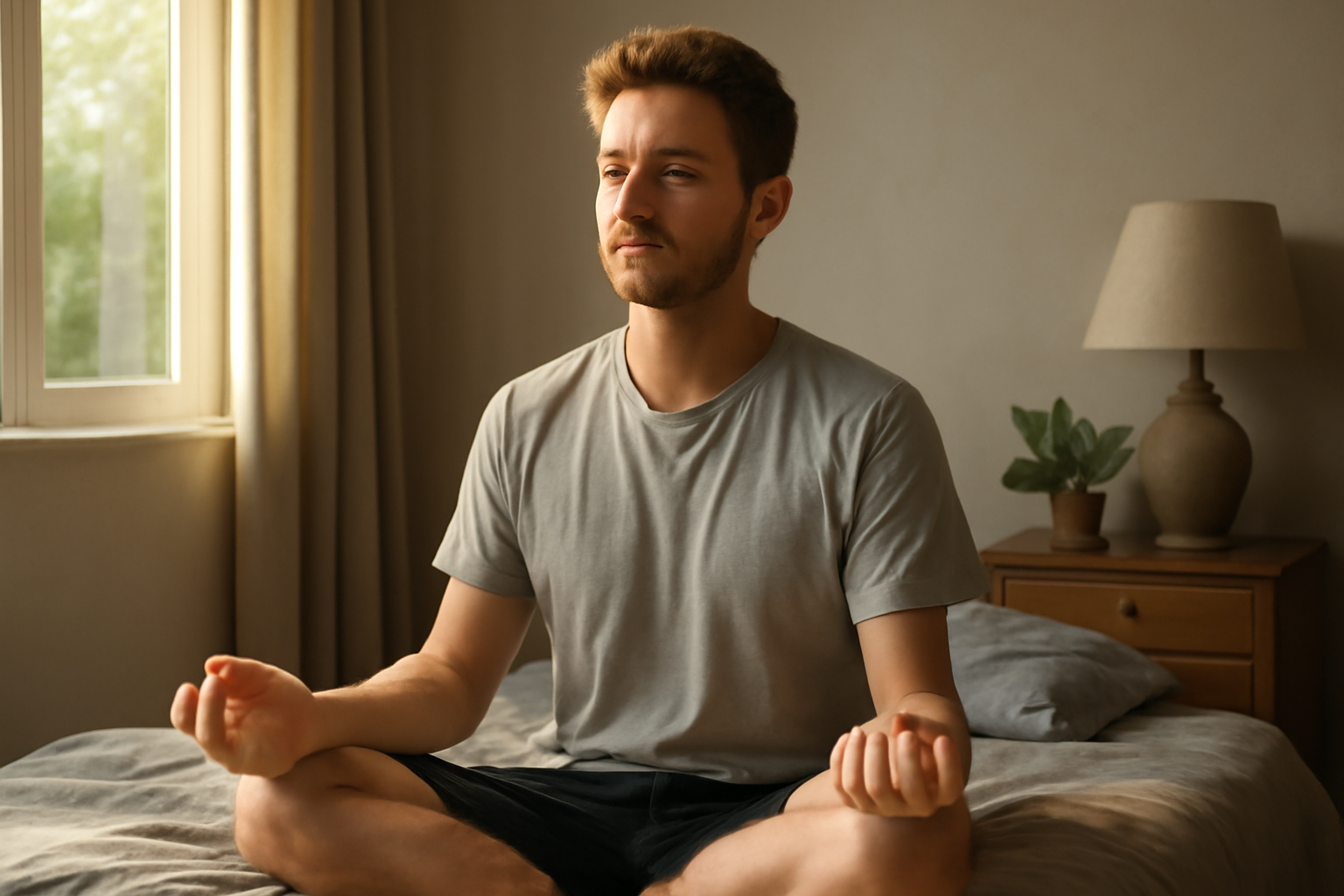
Choosing the right meditation style is also important. Mindfulness meditation, which focuses on being present in the moment, and Transcendental Meditation, known for its mantra-based approach, are particularly effective for reducing anxiety. Experiment with different styles to find one that resonates with you, ensuring a more enjoyable and sustainable practice.
Holistic and clinical perspectives
Morning meditation offers benefits that extend beyond anxiety reduction, encompassing both holistic lifestyle improvements and clinically proven outcomes. From a lifestyle perspective, meditation serves as a valuable micro-break, reducing workplace anxiety and enhancing overall well-being. It promotes mental clarity, better focus, and emotional well-being, making it a suitable practice for individuals across various walks of life.
Clinically, meditation is recognized for its evidence-based outcomes, particularly in reducing anxiety and stress levels. While it is a powerful tool on its own, it is often recommended as a complementary practice alongside other therapy for comprehensive anxiety management. By combining meditation with other treatments, individuals can achieve more robust and lasting reductions in anxiety symptoms.
Incorporating morning meditation into your daily routine can transform your approach to managing anxiety, offering a sustainable and impactful self-care habit. As you continue to explore this practice, you’ll discover its potential to not only melt away anxiety but also enhance your overall quality of life.
Tools and resources for morning meditation
To make morning meditation for anxiety more accessible, a variety of tools and resources can be utilized. Meditation apps have become increasingly popular, offering guided sessions that are perfect for beginners and seasoned practitioners alike. Apps such as Headspace, Calm, and Insight Timer provide a wide range of meditation styles and durations, making it easier for individuals to find a routine that suits their needs. These platforms often include features like progress tracking and reminders, helping users maintain consistency in their practice.
In addition to apps, guided meditation sessions available online can serve as valuable resources. Websites like YouTube and specialized meditation platforms offer free and subscription-based content, catering to different preferences and schedules. Engaging with guided sessions can help maintain focus, especially for those who struggle with concentration during meditation.
Success stories and testimonials
Many individuals have experienced transformative effects from incorporating morning meditation into their routines. For instance, Sarah, a marketing executive, shares how starting her day with meditation has significantly reduced her anxiety levels, allowing her to approach work challenges with a clearer mind and greater resilience. Similarly, John, a college student, found that morning meditation helped him manage exam-related stress, improving his focus and performance.
These testimonials highlight the real-world impact of morning meditation, reinforcing its potential as a sustainable self-care practice. By hearing from others who have successfully integrated meditation into their lives, readers can find motivation and encouragement to embark on their own meditation journey.
Frequently Asked Questions
What is the best time to meditate in the morning?
The best time for morning meditation is early in the morning, ideally right after waking up. This timing helps set a positive tone for the day, making it easier to carry the calm and focus achieved through meditation into daily activities.
How long should a morning meditation session last?
For beginners, starting with a 5-10 minute session is recommended. As you become more comfortable with the practice, you can gradually increase the duration to suit your personal preference and schedule.
Can meditation replace other anxiety treatments?
While morning meditation for anxiety is a powerful tool, it is most effective when used in conjunction with other therapies and treatments. It should complement, not replace, professional guidance and prescribed treatments for anxiety.
What if I struggle to focus during meditation?
If you find it challenging to maintain focus during meditation, consider using guided meditations or concentrating on your breath. These techniques can help anchor your mind and improve concentration over time.
Are there specific meditation styles best for anxiety?
Mindfulness meditation and Transcendental Meditation are particularly effective for reducing anxiety. Both styles encourage a focus on the present moment, helping to alleviate stress and promote calmness.