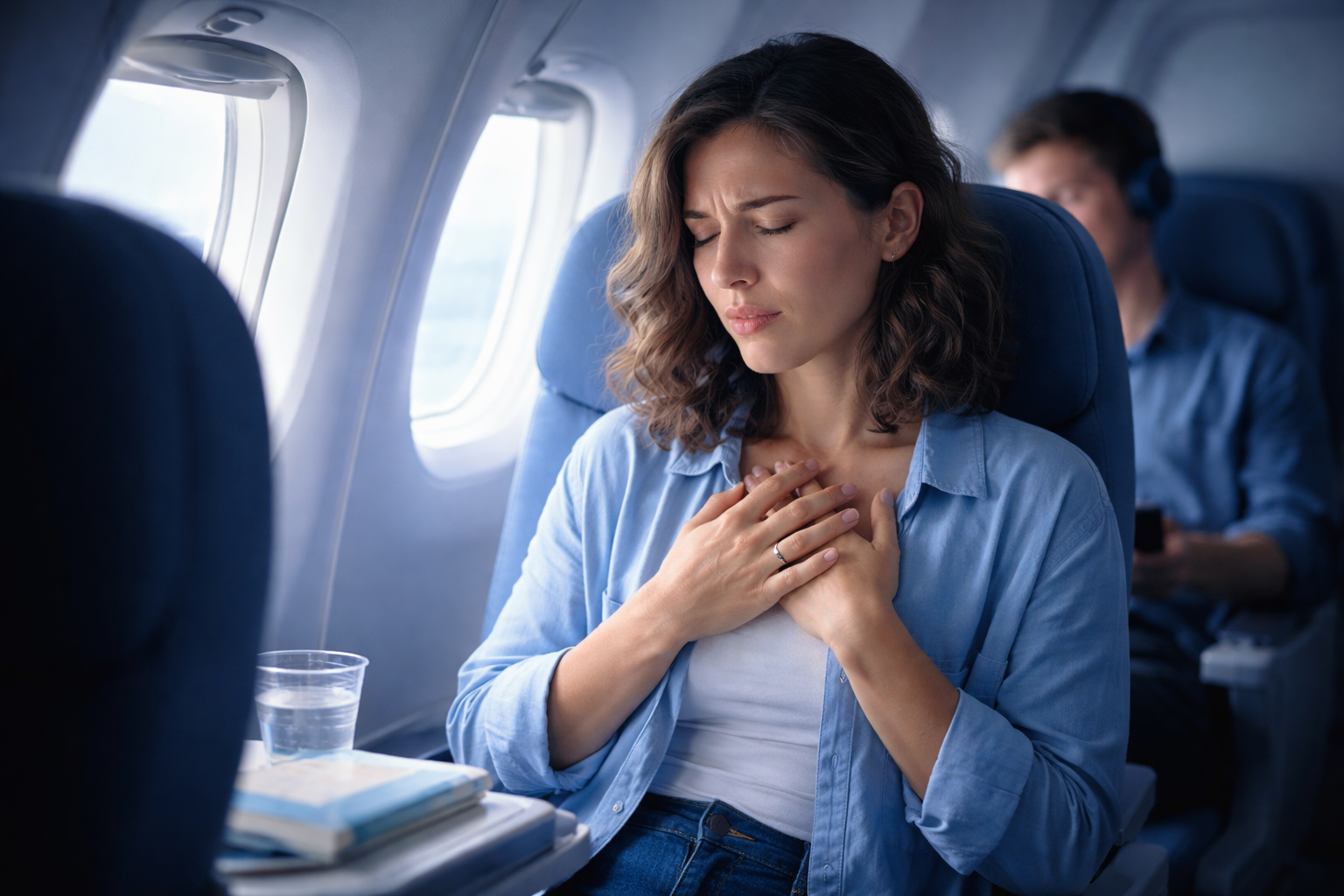

Flying can be an exhilarating experience, but for many travelers, the mere thought of turbulence can trigger significant anxiety. Turbulence anxiety is a common concern among passengers, often overshadowing the excitement of air travel. Although turbulence is a routine and generally harmless part of flying, it can cause distress due to the sudden movements of the aircraft, leading to feelings of helplessness and fear.
Understanding Turbulence: What It Is and Why It Happens
Turbulence is essentially irregular air movement that occurs when an aircraft flies through different air currents. These fluctuations can be caused by various factors, including weather patterns, jet streams, and the aircraft’s movement through the air. Despite the unsettling sensation it can create, turbulence is a normal aspect of flying and is rarely a safety threat. Pilots are highly trained to handle these conditions, ensuring the aircraft remains safe at all times.
The psychological impact of turbulence is where the anxiety often stems from. The unpredictable nature of turbulence can lead to a perceived loss of control, triggering anxiety in passengers. This fear is often exacerbated by the misinterpretation of bodily sensations, such as the feeling of being lifted from your seat or the aircraft’s sudden drops. These sensations can be alarming, especially for those who are not familiar with the mechanics of flying.
The Goal: Managing Turbulence Anxiety
The purpose of this post is to offer effective strategies for managing and overcoming turbulence anxiety. By understanding the nature of turbulence and acknowledging the psychological responses it can trigger, passengers can better prepare themselves for flights. The strategies outlined in this post draw from expert advice and practical techniques, providing a comprehensive approach to dealing with turbulence anxiety. Whether you’re a frequent flyer or an occasional traveler, these insights aim to make your flying experience more comfortable and less stressful.
Stay tuned as we delve into the psychological and physiological responses to turbulence in the next section, along with practical coping strategies that can help you remain calm and composed during your flight. By equipping yourself with these tools, you can transform your travel experience and enjoy the journey with greater peace of mind.
Psychological and Physiological Responses to Turbulence
Turbulence anxiety often stems from catastrophic thinking, where individuals imagine the worst-case scenarios during a flight. This type of thinking can be particularly pronounced in those with a history of traumatic flying experiences or pre-existing anxiety disorders. The unpredictability of turbulence can trigger a heightened stress response, leading to increased heart rate and the release of adrenaline, which can amplify feelings of fear and discomfort.
Understanding these responses is crucial for managing turbulence anxiety. Recognizing that these reactions are natural and not indicative of actual danger can help individuals reframe their experience and reduce anxiety levels.
.png)
Practical Coping Strategies for Turbulence Anxiety
Deep Breathing and Relaxation
One effective way to manage anxiety during turbulence is through deep breathing exercises. These techniques help activate the parasympathetic nervous system, which counteracts the body’s stress response. A simple exercise involves inhaling for four counts, holding the breath for four counts, and then exhaling for four counts. This rhythmic breathing can help calm the mind and reduce anxiety.
Grounding Techniques
Grounding techniques can also be beneficial when dealing with turbulence anxiety. The 5-4-3-2-1 technique is particularly useful, as it involves focusing on five things you can see, four things you can touch, three things you can hear, two things you can smell, and one thing you can taste. This method helps redirect attention to the present moment, reducing the focus on anxiety.
Physical grounding methods, such as pressing your feet firmly into the floor or gripping the armrests, can provide a sense of stability and control, further alleviating anxiety.
Distraction Techniques
Engaging in distraction techniques can effectively divert attention away from anxiety-inducing thoughts. Listening to music, watching a movie, or reading a book can help occupy the mind and reduce the focus on turbulence. These activities can provide a mental escape, making the turbulence feel less overwhelming.
Cognitive Reframing
Cognitive reframing involves challenging catastrophic thoughts and replacing them with more rational ones. Reminding yourself of the safety statistics of modern aviation can be reassuring. Flying is one of the safest modes of transportation, and pilots are well-trained to handle turbulence safely.
By acknowledging these facts, you can shift your perspective and reduce the perceived threat of turbulence.
Conclusion
Dealing with turbulence anxiety requires a combination of understanding and practical strategies. By recognizing the psychological and physiological responses to turbulence, and employing techniques like deep breathing, grounding, distraction, and cognitive reframing, you can manage your anxiety more effectively.
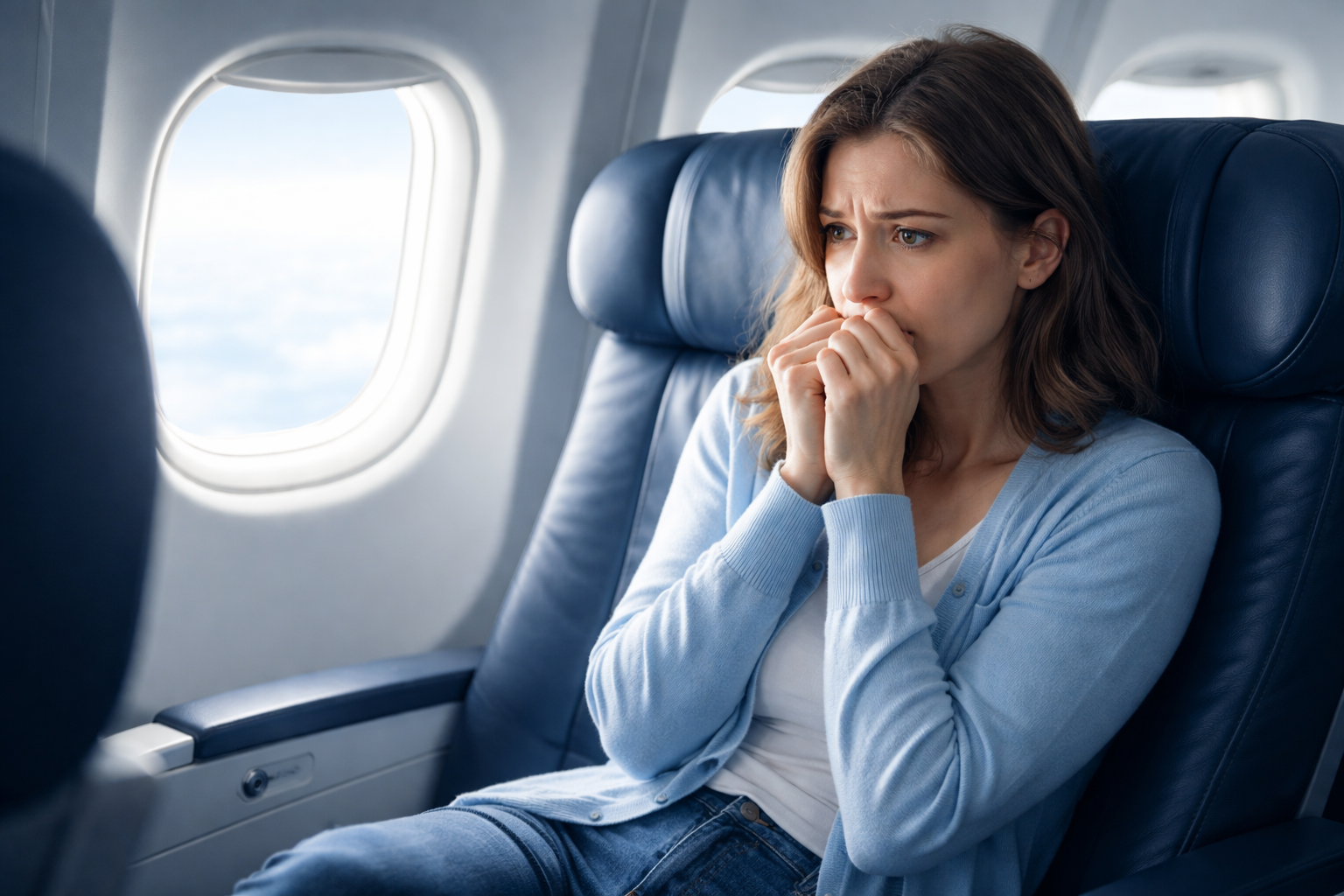
These strategies not only help in the moment but can also contribute to a more positive flying experience overall. By equipping yourself with these tools, you can approach future flights with greater confidence and peace of mind.
Practical Tips for Flight Preparation
Seat Choice and Comfort
When preparing for a flight, selecting a seat over the wings can significantly enhance your comfort. This area of the plane tends to be more stable during turbulence, reducing the intensity of the movement felt. Additionally, ensuring personal comfort by staying hydrated and avoiding caffeine and alcohol can help maintain a calm state of mind. Bringing comfort items such as a neck pillow or a cozy blanket can also create a more relaxing environment, making it easier to manage any anxiety that arises.
Professional Support
If turbulence anxiety is a persistent issue, seeking professional support can be highly beneficial. Cognitive Behavioral Therapy (CBT) and exposure therapy are effective methods for long-term anxiety management. These therapies help by gradually exposing individuals to their fears in a controlled setting, allowing them to develop coping mechanisms and reduce anxiety over time. Consulting with a mental health professional can provide personalized strategies and support, ensuring that anxiety does not hinder your ability to fly comfortably.
Conclusion
Overcoming turbulence anxiety is achievable with the right preparation and mindset. By choosing a stable seat, maintaining comfort, and considering professional support when necessary, you can significantly reduce the stress associated with flying. These strategies not only help during the flight but also contribute to a more positive overall travel experience. Remember, understanding and addressing your anxiety is the first step toward conquering it.
As you prepare for your next flight, equip yourself with these practical tips and strategies to ensure a smoother journey. Embrace the adventure of travel with confidence and peace of mind, knowing that you have the tools to handle turbulence anxiety effectively.
Frequently Asked Questions
Is turbulence dangerous?
Turbulence is generally not a safety threat and is a routine part of flying. Pilots are trained to handle it safely, ensuring the aircraft remains secure during the flight.
How can I prepare myself before a flight?
Practice relaxation techniques, choose a stable seat over the wings, and bring items that provide comfort, such as a neck pillow or blanket, to help ease anxiety.
What should I do if my anxiety becomes overwhelming during a flight?
Use grounding techniques, distract yourself with engaging activities like listening to music or watching a movie, and consider speaking to a flight attendant for reassurance.
When should I seek professional help for my turbulence anxiety?
If anxiety significantly impacts your ability to fly or causes distress that self-help methods cannot alleviate, consider consulting a mental health professional for additional support.