
The Link Between Diet and Mental Health
Anxiety disorders are a growing concern worldwide, affecting millions and prompting many to seek natural remedies for relief. Among these solutions, vitamins have gained attention for their potential to ease anxiety symptoms. As more individuals turn to holistic approaches, understanding how specific vitamins can support mental health becomes crucial.
Our lifestyle and dietary choices play a significant role in shaping our mental well-being. A balanced diet not only fuels the body but also supports brain function and mood regulation. Vitamins, in particular, are vital for maintaining the intricate balance of neurotransmitters in the brain, which directly impacts our emotional state. For instance, deficiencies in certain vitamins can exacerbate feelings of stress and anxiety, highlighting the importance of adequate nutritional intake.
Exploring Vitamins for Anxiety Relief
The primary goal of this article is to delve into which vitamins are scientifically supported to help alleviate anxiety and understand their mechanisms of action within the body. By identifying these key nutrients, individuals can make informed decisions about incorporating them into their wellness routines. While vitamins are not a cure-all, they can be powerful allies in managing anxiety when used as part of a comprehensive approach to mental health.
In the sections that follow, we will explore specific vitamins such as B6, B12, and D, which have shown promise in reducing anxiety symptoms. We will also touch on the role of magnesium, a mineral often discussed alongside vitamins for its calming effects. By examining the evidence and understanding how these nutrients function, you can better navigate the options available for supporting your mental health naturally.
Vitamin B6 and B12: Supporting Neurotransmitter Balance
Vitamin B6 is particularly noteworthy for its role in anxiety reduction. Research indicates that high-dose vitamin B6 supplementation can significantly alleviate anxiety and stress. This is primarily due to its influence on gamma-aminobutyric acid (GABA) production, a neurotransmitter known for its calming effects on the brain. While vitamin B12 also contributes to mental health, its benefits for anxiety are considered minor compared to B6.
The Power of B Complex Vitamins
Beyond individual benefits, B complex vitamins, which include B6, B8 (inositol), and B12, are crucial for neurotransmitter support. They help in the synthesis of serotonin and dopamine, key chemicals in mood regulation. Regular intake of these vitamins can lower stress levels and improve overall mental resilience. Inositol, a form of vitamin B8, is particularly effective for managing anxiety disorders such as panic disorder and obsessive-compulsive disorder (OCD).
Vitamin D: The Sunshine Vitamin
Vitamin D, often referred to as the sunshine vitamin, has been linked to reduced anxiety symptoms. Clinical studies demonstrate an inverse relationship between vitamin D levels and anxiety risk. Individuals with higher levels of this vitamin report fewer anxiety symptoms, suggesting its protective role. Vitamin D’s calming effects are attributed to its antioxidant properties and its ability to regulate neuroinflammation, which can exacerbate anxiety.
Mechanisms Behind Vitamin D’s Effects
The calming influence of vitamin D is partly due to its role in maintaining calcium balance in the nervous system and supporting the production of serotonin. These functions are crucial for mood stabilization and reducing the physiological responses associated with fight-or-flight anxiety.
Magnesium: A Vital Mineral for Calming Nerves
Though not a vitamin, magnesium is frequently discussed alongside vitamins for its anxiety-reducing properties. It enhances serotonin production and supports the nervous system, making it a powerful ally in managing anxiety. Studies suggest that magnesium, when taken with vitamin B6, can amplify its calming effects, providing a synergistic approach to anxiety relief.
Combination Therapy with Magnesium
Combining magnesium with vitamin B6 has shown to enhance its anxiolytic effects, offering a more comprehensive strategy for those seeking natural remedies for anxiety. This combination supports neurotransmitter function and nervous system health, essential components in reducing stress and anxiety.
Other Nutrients and Herbal Supplements
In addition to vitamins and minerals, certain herbal supplements like passionflower and kava are often recommended for anxiety relief. While these herbs are not vitamins, they are frequently discussed in the context of natural anxiety treatments. However, they should be considered adjuncts rather than primary treatments, as they work best when combined with a balanced diet rich in essential vitamins and minerals.
By understanding the roles of these vitamins and minerals, individuals can make informed decisions about incorporating them into their wellness routines. While supplements can be beneficial, they are most effective when used as part of a holistic approach to mental health, which includes a balanced diet, regular exercise, and mindfulness practices and stress management techniques.
Comparative Overview of Key Vitamins and Minerals for Anxiety
To provide a clearer understanding of how different vitamins and minerals contribute to anxiety relief, the following overview highlights their primary benefits and supporting studies:
- Vitamin B6: Known for its significant impact on reducing anxiety by boosting GABA production, which has calming effects on the brain.
- Vitamin B12: Offers minor benefits for anxiety, primarily through supporting overall brain health and energy metabolism.
- Vitamin D: Associated with lower anxiety levels due to its antioxidant properties and role in reducing neuroinflammation.
- Magnesium: Enhances serotonin production and supports nervous system health, particularly effective when combined with vitamin B6.
- Inositol (Vitamin B8): Effective for anxiety disorders like panic disorder and OCD, supporting neurotransmitter function.
Practical Recommendations for Vitamin Supplementation
Dosage and Safety Considerations
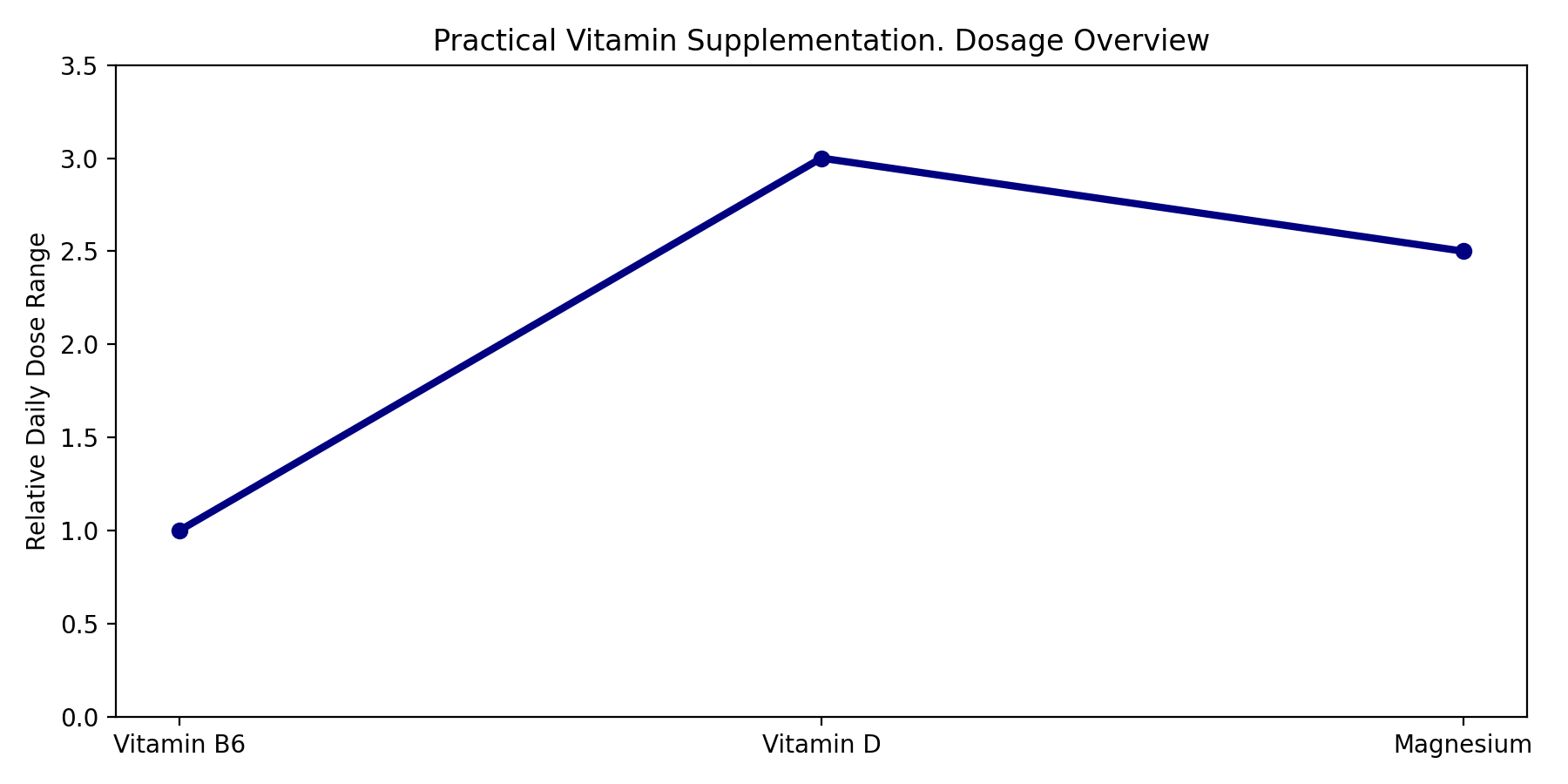
Before incorporating any new supplements into your routine, it’s crucial to consult with a healthcare provider to ensure they are appropriate for your individual needs. Here are some general guidelines:
- Vitamin B6: Recommended daily intake is around 1.3-2 mg for adults, but higher doses may be used under medical supervision.
- Vitamin D: Depending on your current levels, a typical supplement dose ranges from 600-2000 IU per day.
- Magnesium: Adults may require 310-420 mg daily, with adjustments based on dietary intake and health conditions.
It’s important to note that excessive intake of vitamins can lead to adverse effects, so always adhere to recommended dosages and seek professional advice when needed.
Integrating Vitamins into a Balanced Lifestyle
Vitamins are most effective when part of a holistic approach to mental health. Here are some ways to incorporate these nutrients into your daily routine:
- Dietary Sources: Include foods rich in these vitamins, such as leafy greens, fish, nuts, and dairy products.
- Regular Exercise: Physical activity can enhance the effects of vitamins by improving overall mood and reducing stress.
- Mindfulness Practices: Techniques like meditation and yoga can complement vitamin supplementation by promoting relaxation and mental clarity.
By combining these strategies, you can create a supportive environment for managing anxiety naturally and effectively.
Not sure which supplements actually fit your stress, sleep, or focus issues?
Take the Cenario Quiz and get a personalized, science-backed recommendation in under 3 minutes.
Frequently Asked Questions
What does the science say about B vitamins for anxiety?
B vitamins, particularly B6 and B8, play a critical role in neurotransmitter function, helping to regulate mood and reduce stress. Clinical studies support their efficacy in alleviating anxiety symptoms, especially when used as part of a comprehensive mental health strategy.
Can vitamin D help with anxiety?
Yes, vitamin D has been linked to reduced anxiety symptoms. Studies show that higher vitamin D levels correlate with lower anxiety risk, likely due to its antioxidant properties and ability to regulate neuroinflammation.
Is magnesium effective for anxiety?
Magnesium is effective in reducing anxiety, particularly when combined with vitamin B6. It supports serotonin production and nervous system health, making it a valuable addition to anxiety management strategies.
Are herbal supplements like passionflower and kava effective for anxiety?
Herbal supplements such as passionflower and kava have shown some effectiveness in reducing anxiety. However, they are best used as adjuncts to a balanced diet and lifestyle, rather than primary treatments.