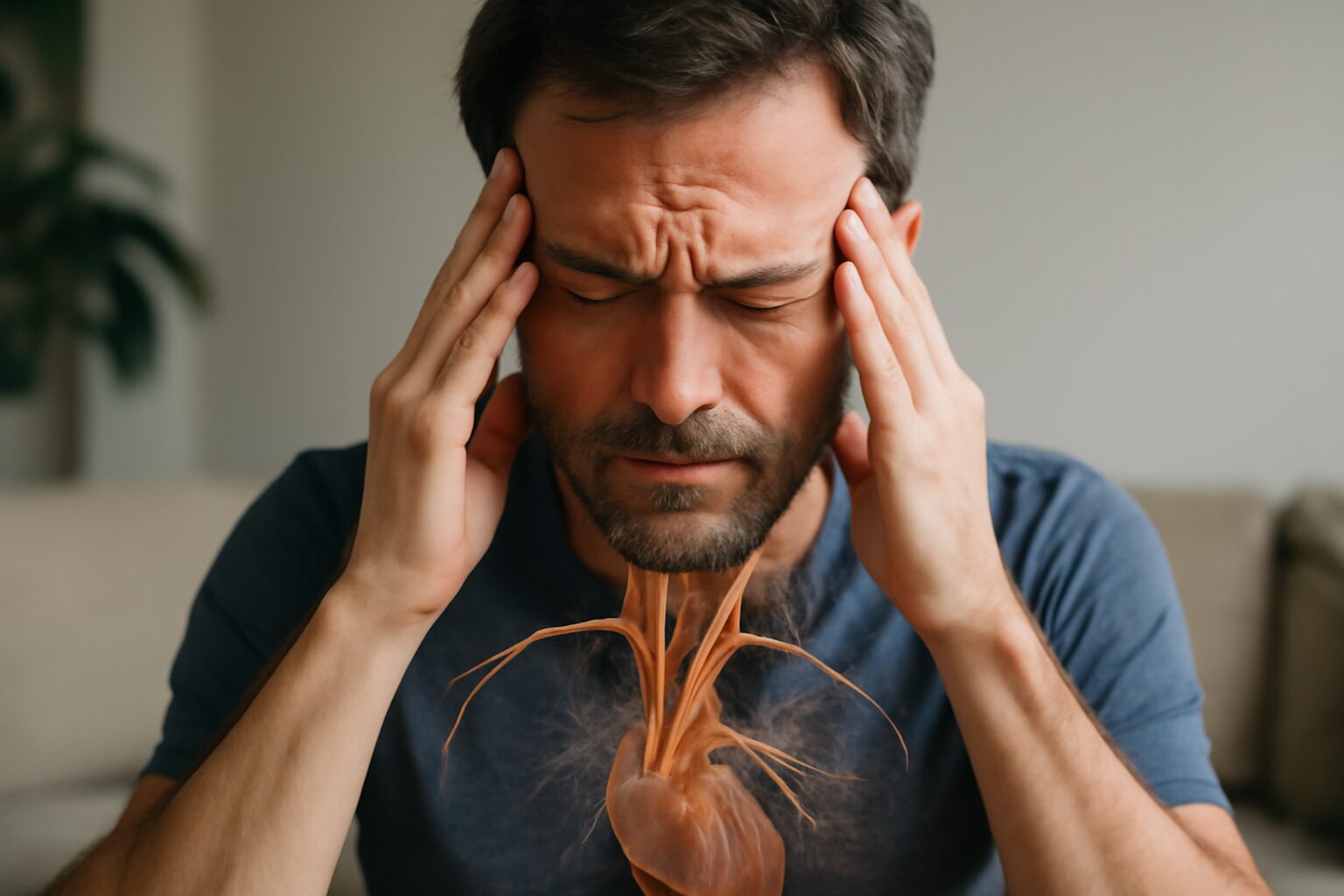

Anxiety and the Vagus Nerve
Anxiety is one of the most common mental health challenges, affecting millions of people worldwide. It often shows up as excessive worry, restlessness, muscle tension, or a racing heart. While these symptoms can feel overwhelming, the body has natural ways to calm the mind.
One of the most important is through the vagus nerve, a key part of the parasympathetic nervous system also known as the body’s “rest and digest” system. This system works to balance out stress and bring the body back into a state of calm.
The Vagus Nerve’s Role in Anxiety
The vagus nerve is the longest cranial nerve in the body. It runs from the brainstem down to the abdomen and helps control many essential functions, including heart rate, digestion, and even mood regulation.
When the vagus nerve is stimulated, it activates the parasympathetic nervous system, which slows the heart, reduces stress hormones, and promotes relaxation.
Because of this, researchers have found that vagus nerve stimulation can play a powerful role in reducing anxiety. By learning how to naturally activate this nerve, people can tap into the body’s built-in calming system, offering relief without relying only on medication.

Why Non-Pharmaceutical Approaches Are Appealing
As more people become aware of mental health, interest in natural and non-pharmaceutical ways to manage anxiety continues to grow. Many want methods that are simple, safe, and free from medication side effects.
Vagus nerve exercises are one such option. They can be done at home, take little time, and give people a sense of control over their own mental well-being. Backed by scientific research, these exercises are both practical and effective, making them an attractive choice for reducing anxiety.
The Science Behind Everyday Acts
Think about how you feel after taking a deep breath, laughing with a friend, or singing along to your favorite song. These actions may seem small, but they actually stimulate the vagus nerve and help calm the body.
This is because the vagus nerve is closely linked to the parasympathetic nervous system, the body’s natural “rest and digest” system. By learning how these simple actions work, you can create a set of easy exercises that reduce stress, calm anxiety, and strengthen emotional resilience.
Scientific Basis for Vagus Nerve Stimulation
The vagus nerve helps regulate stress, heart rate, digestion, and mood. When stimulated, it signals the parasympathetic system to relax the body, slowing the heart and reducing the “fight-or-flight” response. For people with anxiety, this is powerful because it directly counters the body’s stress response.
Research supports these benefits. Studies show that activities like deep breathing, mindfulness meditation, and yoga improve vagal tone a measure of how well the vagus nerve is functioning.
Higher vagal tone is linked to better emotional control and lower anxiety. This evidence makes vagus nerve exercises a strong addition to any anxiety management plan.
Key Vagus Nerve Exercises
1. Deep and Slow Breathing
This is one of the simplest ways to calm the vagus nerve. Slow, deep breathing lowers heart rate and relaxes the body.
Research shows even a single session can reduce anxiety. Try this: breathe in deeply through your nose, letting your belly expand, then exhale slowly through your mouth. Aim for about six breaths per minute.
2. Meditation and Mindfulness
Mindfulness practices focus your attention on the present moment. Techniques like mindful breathing or body scans help reduce stress and improve vagal tone.
Start small: spend a few minutes each day sitting quietly, eyes closed, focusing on your breath. When thoughts drift, gently guide your attention back. Over time, this builds resilience and calm.
3. Yoga and Gentle Exercise
Yoga combines movement and controlled breathing, both of which activate the vagus nerve. Poses like child’s pose, cat-cow stretch, or deep forward folds are especially calming. Gentle forms of exercise, such as walking or stretching, also help by releasing tension and improving mood. Practiced regularly, yoga and movement-based exercises strengthen the body’s ability to manage stress naturally.

Practical Tips for Incorporating Vagus Nerve Exercises
Bringing vagus nerve exercises into your life can be simple, but the key is to make them part of your routine so they become natural habits rather than one-time efforts. Start small and build gradually. You don’t need an hour of practice to feel benefits even a few minutes can make a difference if you stay consistent.
- Choose set times: Anchor your exercises to regular parts of your day. For example, begin your morning with five minutes of deep breathing to set a calm tone. During lunch, pause for a short mindfulness check-in. At night, finish with a few gentle yoga stretches or humming exercises to unwind before bed.
- Pair with existing habits: It’s easier to remember exercises if you link them to things you already do. Try humming or singing while showering, practice slow breathing while waiting for your coffee to brew, or do a body scan before falling asleep.
- Focus on quality, not quantity: A short, focused session practiced daily will do more for your nervous system than a long session done once in a while. Think of it as “training” your relaxation response.
- Stay flexible: If one technique doesn’t feel right, swap it for another. The goal is not perfection it’s creating a practice that feels natural and enjoyable.
By weaving these practices into the flow of daily life, you’ll build a stronger connection with your body’s natural calming mechanisms.
Over time, the exercises will feel less like a chore and more like a personal toolkit you can rely on whenever anxiety starts to rise.
Additional Exercises and Their Benefits
Humming, Chanting, or Singing
Your voice can directly stimulate the vagus nerve. Humming softly while you work, chanting simple sounds like “om,” or singing along to your favorite playlist all activate muscles in the throat connected to the vagus nerve. This vibration encourages relaxation, improves heart rate variability, and often leaves you feeling lighter. Even two or three minutes of humming each day can make a noticeable difference in mood.
Laughter
Laughter really is medicine for the nervous system. A good laugh engages your diaphragm, boosts oxygen flow, and signals safety to your body, which in turn calms anxiety. Watching a comedy, swapping jokes with friends, or even trying guided laughter exercises can stimulate the vagus nerve and lower stress hormones almost immediately. Building laughter into your daily routine is one of the most enjoyable ways to manage anxiety naturally.
Massage and Touch
Gentle massage, especially on areas like the neck, shoulders, hands, or feet, helps calm the body. Light pressure activates nerves linked to relaxation and stimulates vagal activity. Even self-massage such as massaging your temples or gently pressing your shoulders can reduce tension.
Cold Exposure
Cold water is another simple tool. Brief exposure like splashing cold water on your face, rinsing your wrists, or ending a shower with 30 seconds of cool water activates the vagus nerve and shifts the body into a calmer state. Start with short bursts to see what feels tolerable for you, and slowly increase over time if it feels beneficial.
Creating a Sustainable Practice
The key is finding exercises you actually enjoy and can keep up with. You don’t need to do everything at once. Choose two or three methods that fit your lifestyle and practice them regularly. Consistency matters more than intensity.
Frequently Asked Questions
What is the vagus nerve, and why does it matter for anxiety?
The vagus nerve helps control stress responses, mood, and relaxation. Stimulating it can calm the body and reduce anxiety naturally.
How fast will I see results?
Some people feel calmer after the first session, while others notice changes after several weeks. Consistency is the most important factor.
Are vagus nerve exercises safe?
Yes, they are generally safe and non-invasive. Just listen to your body and stop if something feels uncomfortable.
Can they replace medication?
No. These exercises can complement professional treatment but should not replace medical advice or prescribed medication.
How do I know if my vagus nerve is healthy?
Good signs include steady heart rate variability, better emotional control, and lower anxiety symptoms over time.
Indicators of good vagal tone include improved heart rate variability, better emotional regulation, and reduced anxiety symptoms. Monitoring these aspects can provide insights into the health and function of your vagus nerve.