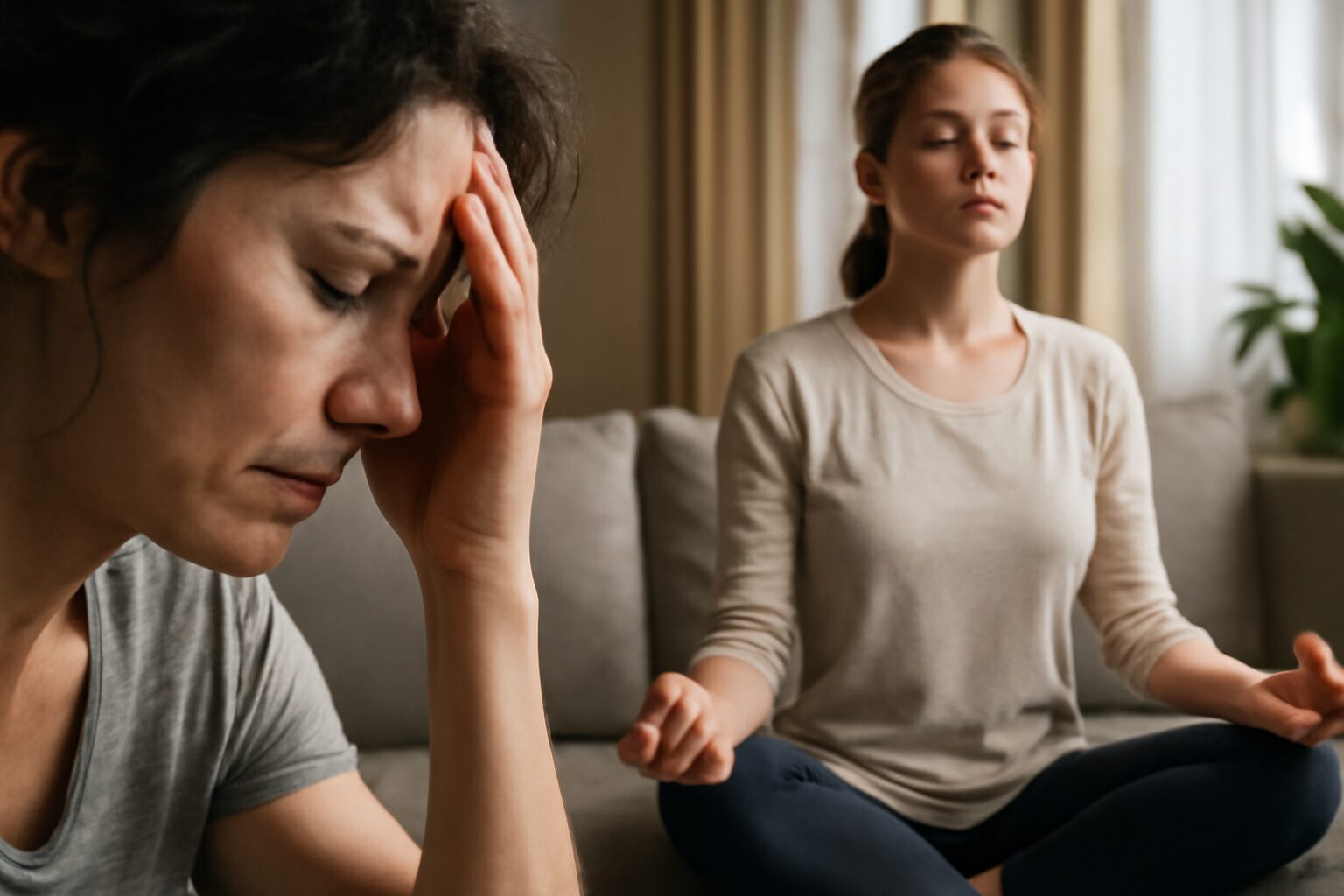

Why Meditation Matters for Anxiety
Anxiety is one of the most widespread mental health concerns in the modern world. Millions of people live with it every day, and it doesn’t only exist in the mind. Anxiety often shows up in the body through symptoms like restlessness, muscle tension, headaches, tightness in the chest, difficulty breathing, or a racing heart. These physical responses can make the experience of anxiety even more overwhelming, creating a cycle of worry and stress that feels hard to escape.
Traditional treatments such as therapy and medication can be life-changing, but many people also search for additional tools they can use daily. They want methods that are natural, accessible, and free of side effects. This is where meditation stands out.
Introducing Meditation as a Solution
Meditation is an ancient practice found in many cultures, now widely used as a modern wellness tool. At its simplest, meditation is the act of training your attention. By focusing on the breath, a sound, or simply the present moment, meditation helps quiet racing thoughts and interrupts the constant “what if” cycle that drives anxiety.
The most popular form for anxiety is mindfulness meditation. In mindfulness, you practice noticing your thoughts and feelings without judging them as good or bad. Instead of fighting anxious thoughts, you observe them and let them pass. This simple shift reduces the power of anxiety over time and helps you feel more balanced and calm.
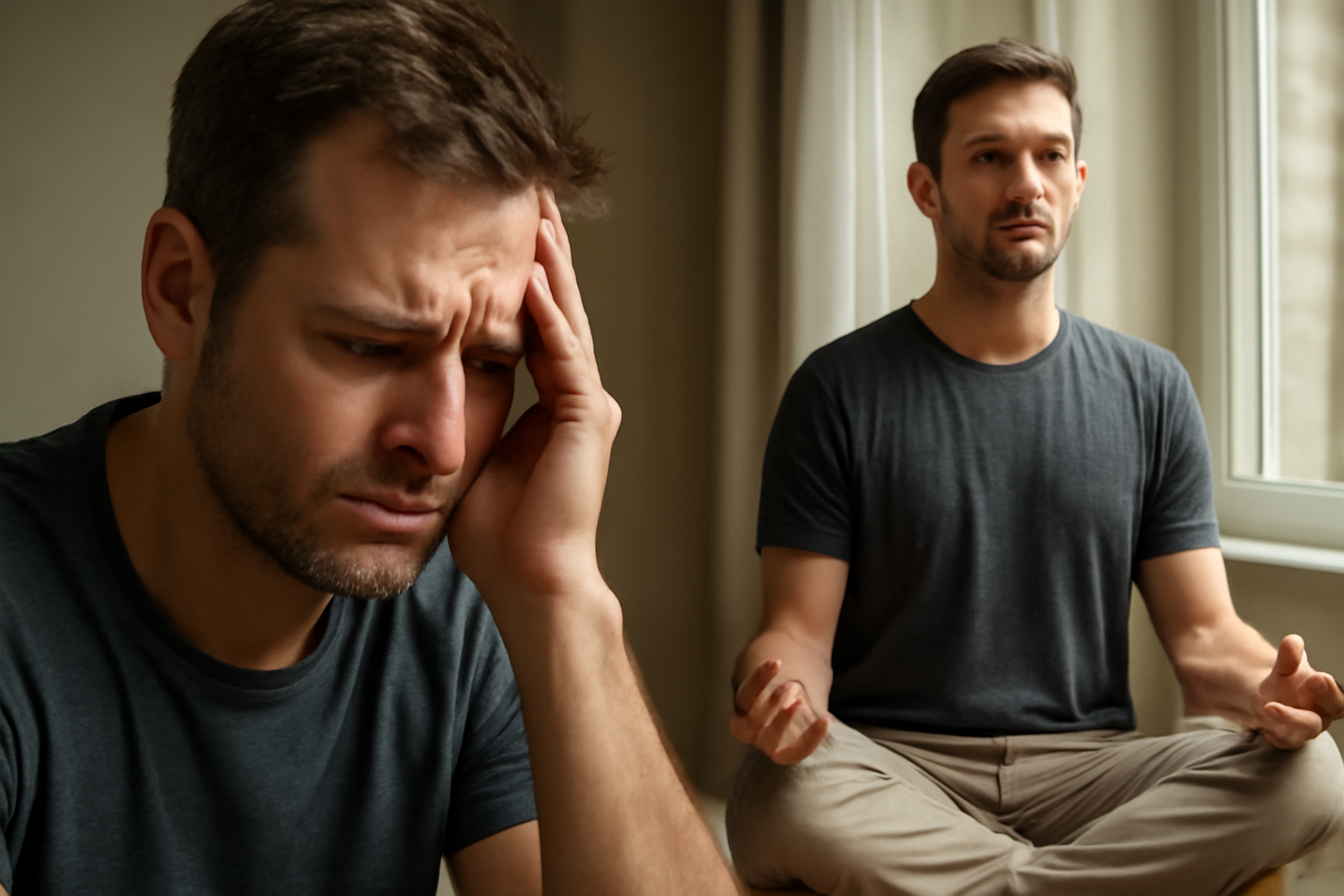
The growing popularity and scientific backing
Over recent years, meditation has gained significant traction not only within wellness communities but also in the realm of scientific research. Studies consistently show that regular meditation practice can lead to measurable decreases in anxiety levels. This growing body of evidence highlights meditation as a viable tool for those seeking to enhance their mental well-being. As we delve deeper into this topic, we will explore the scientific evidence supporting meditation’s role in anxiety reduction and provide practical techniques to help you integrate it into your daily life.
Scientific Evidence Supporting Meditation for Anxiety
Meditation isn’t just a trend it’s backed by science.
- A National Institutes of Health (NIH) study found that mindfulness meditation reduced stress markers more effectively than standard stress management courses.
- Systematic reviews of randomized controlled trials (RCTs) show meditation reduces anxiety symptoms and works as well as other natural therapies like relaxation training or music therapy.
- Meta-analyses show meditation can lower anxiety by up to 58% with consistent practice, even if you only meditate for 10 minutes per day.
One of the most widely studied programs is Mindfulness-Based Stress Reduction (MBSR), which has been shown to be as effective as some medications for anxiety, such as escitalopram.
Practical Benefits of Meditation
Practicing meditation regularly can:
- Reduce anxiety and stress
- Improve sleep quality
- Lower muscle tension and physical symptoms of stress
- Build emotional resilience and self-compassion
- Improve focus and clarity in daily life
Even short, daily sessions add up. With patience and consistency, meditation becomes a powerful tool for long-term mental health.
Types of Meditation for Anxiety
Mindfulness Meditation: Focus on the present moment, usually by observing the breath. Helps reduce overthinking and promotes calm.
Loving-Kindness Meditation: Directs feelings of compassion toward yourself and others. Helpful for reducing self-criticism and building emotional strength.
Progressive Muscle Relaxation: Involves tensing and relaxing each muscle group in the body. Provides fast relief for physical tension caused by anxiety.
Guided Meditations: Led by a teacher, app, or recording. Great for beginners who need structure and support.
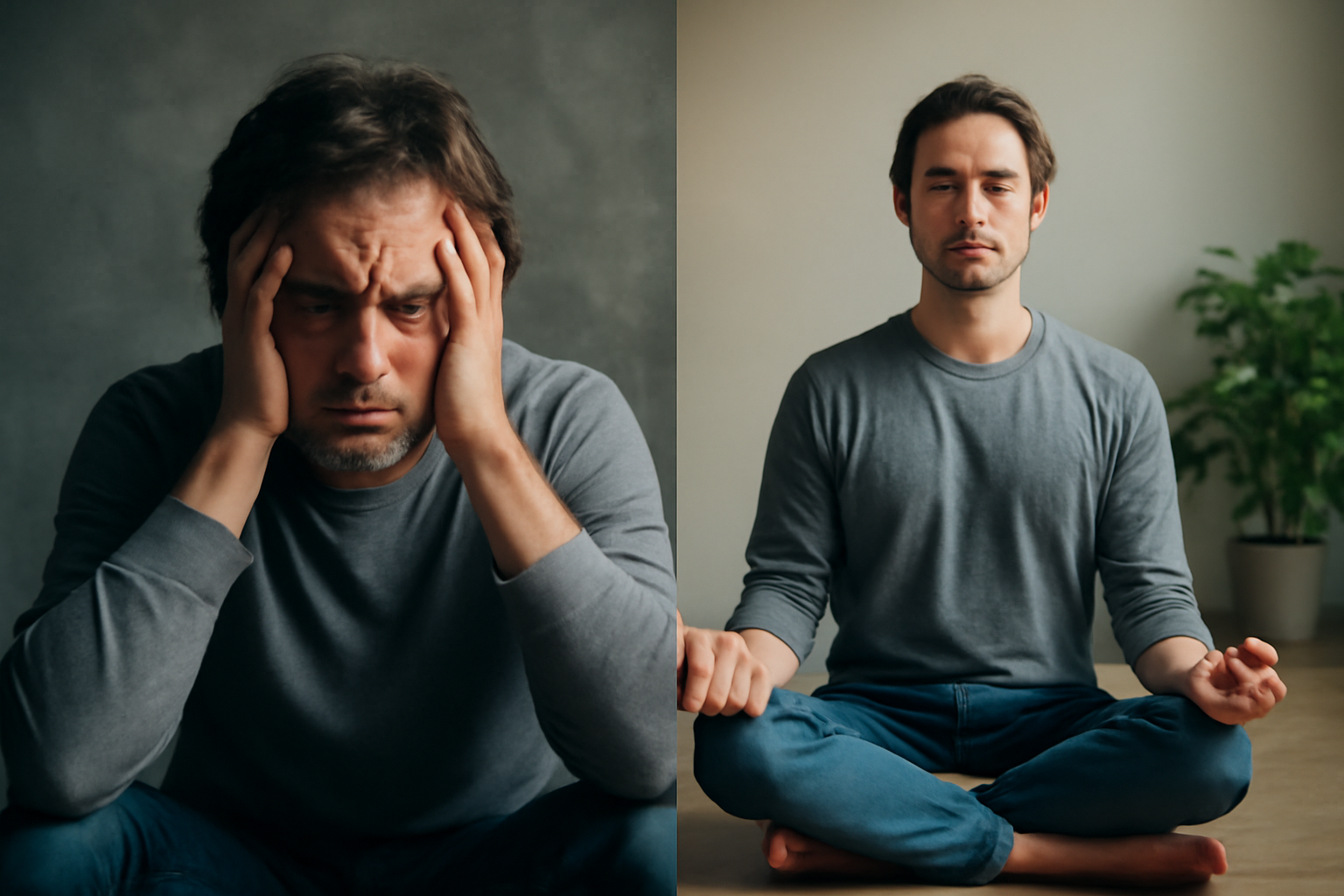
Quick Tips for Beginners
- Start short: Begin with 5–10 minutes. It’s better to practice consistently for a few minutes than aim for long sessions and give up.
- Try different styles: Some people connect best with mindfulness, others with guided meditations or body scans. Explore until you find what feels natural.
- Use technology wisely: Apps and audio tracks can provide structure, especially if your mind tends to wander.
- Be patient: Progress in meditation happens gradually. Each time you notice your mind wandering and gently bring it back, you’re building mental strength.
Comparison of Meditation Techniques
Meditation is not a one-size-fits-all practice. Different techniques offer different benefits, and the best choice often depends on your personal needs, lifestyle, and the specific challenges you face with anxiety. Below are some of the most widely used meditation methods and how they can help.
Mindfulness Meditation
This is the most commonly studied form of meditation for anxiety. The goal is to focus your attention on the present moment, often by observing your breath or physical sensations, while letting thoughts come and go without judgment.
For people with generalized anxiety or racing thoughts, mindfulness meditation is especially powerful because it interrupts cycles of overthinking and teaches the mind to rest in the present. Over time, it strengthens awareness and improves focus, helping you respond to stressful situations with more clarity.
Loving-Kindness Meditation
Also called Metta meditation, this practice involves silently repeating phrases of goodwill and compassion, first toward yourself and then toward others. It may sound simple, but studies show it can significantly reduce self-criticism and boost positive emotions.
For those who struggle with social anxiety, low self-esteem, or negative self-talk, loving-kindness meditation helps build emotional resilience by cultivating kindness and acceptance. It’s especially useful when anxiety is tied to harsh inner judgment or strained relationships.
Progressive Muscle Relaxation
This is a body-centered approach that focuses on relieving physical tension. The practice involves deliberately tensing and then slowly relaxing different muscle groups, one at a time. Because anxiety often creates tightness in the body shoulders, jaw, stomach, or back this method provides quick and noticeable relief. It is ideal for moments of immediate stress or panic, when calming the body directly is the fastest way to calm the mind.
Guided Meditations
For beginners or those who find it hard to sit in silence, guided meditations are an excellent option. These involve following the voice of a teacher, an app, or an audio recording that leads you step by step through breathing, relaxation, or visualization exercises. The structure makes it easier to stay focused, especially if your mind tends to wander. Guided sessions are available on countless apps and platforms, covering topics from stress relief to sleep support.
Body Scan Meditation
This technique is often recommended for relaxation before sleep. It involves bringing awareness to different parts of the body, noticing sensations, and releasing tension. By slowly moving attention from head to toe, you create both physical relaxation and mental calm. Body scan meditation is particularly effective for people whose anxiety peaks at night, helping to prepare the body and mind for restful sleep.
Incorporating Meditation into Daily Life
Making meditation part of your day doesn’t have to be complicated. In fact, short, consistent practices work best:
- Set a regular time: Try morning sessions to set a calm tone or evening sessions to wind down.
- Pair it with a habit: Meditate after brushing your teeth, making coffee, or before bed to create consistency.
- Keep it flexible: If 20 minutes feels too much, start with 5 minutes of mindful breathing. The key is showing up.
Modern tools make meditation more accessible than ever. Apps like Calm, Headspace, and Insight Timer provide thousands of guided practices—from stress relief to sleep support—making it easy to find a routine that matches your lifestyle.
Frequently Asked Questions
What is the best meditation for anxiety?
Mindfulness meditation has the strongest scientific support. But loving-kindness and guided meditations are also highly effective.
How quickly can meditation reduce anxiety?
Some people feel calmer right away. Long-term changes in anxiety levels usually take weeks of consistent practice.
Can meditation replace medication for anxiety?
Meditation can be as effective as some medications for mild to moderate anxiety, but it should complement Not replace professional care for severe anxiety.
Is meditation safe for everyone?
Yes, it’s safe for most people. Those with severe anxiety or past trauma may benefit from guided meditation with a therapist.
Do I need a special space or equipment?
No. A chair, bed, or quiet corner is enough. Props like cushions or blankets can make the practice more comfortable.
What if I can’t stop my thoughts?
That’s completely normal. Meditation isn’t about stopping thoughts but learning to notice them without judgment and gently return to focus.
How long should I meditate each day?
Start with 5–10 minutes. Increase gradually to 20–30 minutes if it feels helpful.
Is meditation religious?
Modern meditation practices are secular. You can benefit without following any spiritual or religious tradition.
Can children or teens benefit from meditation?
Yes. Short, guided meditations are effective for kids and teens, helping with focus, stress, and emotional regulation.
Does meditation help during panic attacks?
Breathing-based meditation can calm the body during a panic attack, but the bigger benefit comes from practicing daily to reduce the frequency and severity of attacks over time.