
Exploring Vitamins for Anxiety Relief
Anxiety is a common mental health challenge affecting millions worldwide. As awareness grows, many people are turning to natural remedies, including vitamins, to help manage their symptoms. Among the myriad of vitamins available, two have emerged as potential frontrunners in the quest for anxiety relief: Vitamin B6 and Vitamin D. Understanding their roles and effectiveness can be crucial for those seeking alternative or complementary treatments for anxiety.
With the wide array of vitamins claiming to alleviate anxiety, it can be overwhelming to determine which might be the most effective. Both Vitamin B6 and Vitamin D have gained significant attention in recent years, supported by scientific studies and expert opinions. These vitamins are not only essential for overall health but also play distinct roles in brain function and mood regulation.
Vitamin B6 is often highlighted for its role in neurotransmitter production, which is vital for maintaining mood stability. On the other hand, Vitamin D, commonly known as the “sunshine vitamin,” has been linked to mood regulation and mental health, with deficiencies often associated with increased anxiety levels. As such, these two vitamins stand out as promising options for those exploring natural anxiety relief.
The Purpose of This Exploration
This blog post aims to delve into the comparative effectiveness of Vitamin B6 and Vitamin D in easing anxiety symptoms. By examining the latest scientific research and clinical findings, we hope to provide a clearer understanding of how these vitamins can contribute to mental well-being. Whether you’re considering adding a new supplement to your routine or simply curious about the potential benefits, this exploration will offer valuable insights into the roles these vitamins play in anxiety management.
Stay tuned as we dive deeper into the mechanisms and evidence supporting Vitamin B6 and Vitamin D as viable options for anxiety relief. Understanding their unique contributions can help you make informed decisions about your mental health and well-being.
Vitamin B6: The Neurochemical Booster
Scientific Mechanism
Vitamin B6 plays a crucial role in the production of neurotransmitters such as gamma-aminobutyric acid (GABA) and serotonin. These neurotransmitters are essential for regulating mood and reducing anxiety. GABA acts as a natural tranquilizer for the brain, while serotonin contributes to feelings of well-being and happiness. By enhancing the synthesis of these chemicals, Vitamin B6 helps stabilize mood and reduce anxiety symptoms.
Clinical Evidence
Recent clinical trials have shown promising results regarding the impact of Vitamin B6 on anxiety. Studies indicate that high-dose B6 supplementation can lead to significant reductions in anxiety symptoms. In fact, some findings suggest that Vitamin B6 is more effective than Vitamin B12 in alleviating anxiety. Participants in these studies reported noticeable improvements in their anxiety levels, highlighting the potential of Vitamin B6 as a natural alternative to standard medications.
Benefits and Limitations
The benefits of Vitamin B6 include improved mood, reduced stress, and enhanced mental clarity. However, it’s important to note that excessive intake can lead to nerve damage and other side effects. Therefore, it’s crucial to adhere to recommended dosages and consult with healthcare professionals before starting any new supplement regimen.
Vitamin D: The Sunshine Vitamin
Role in Anxiety
Vitamin D, often referred to as the “sunshine vitamin,” is vital for mental health. Large-scale population studies have established a link between low Vitamin D levels and increased anxiety symptoms. This vitamin is involved in brain function and the regulation of mood, making it a key player in anxiety management. Ensuring adequate Vitamin D levels can help reduce the risk of anxiety and improve overall mental well-being.
Research Insights
Research consistently shows an inverse relationship between Vitamin D levels and anxiety risk. Higher Vitamin D levels are associated with lower anxiety symptoms, particularly in at-risk populations such as older adults and those with co-morbid depression. Supplementation has been shown to improve anxiety scores significantly, offering a viable option for those seeking natural remedies for anxiety.
Potential Benefits and Concerns
Vitamin D supplementation can lead to improvements in anxiety symptoms, but it’s essential to be mindful of potential concerns. Over-supplementation can result in toxicity, leading to health issues such as hypercalcemia. As with any supplement, it’s important to consult a healthcare provider to determine the appropriate dosage.
Comparative Analysis
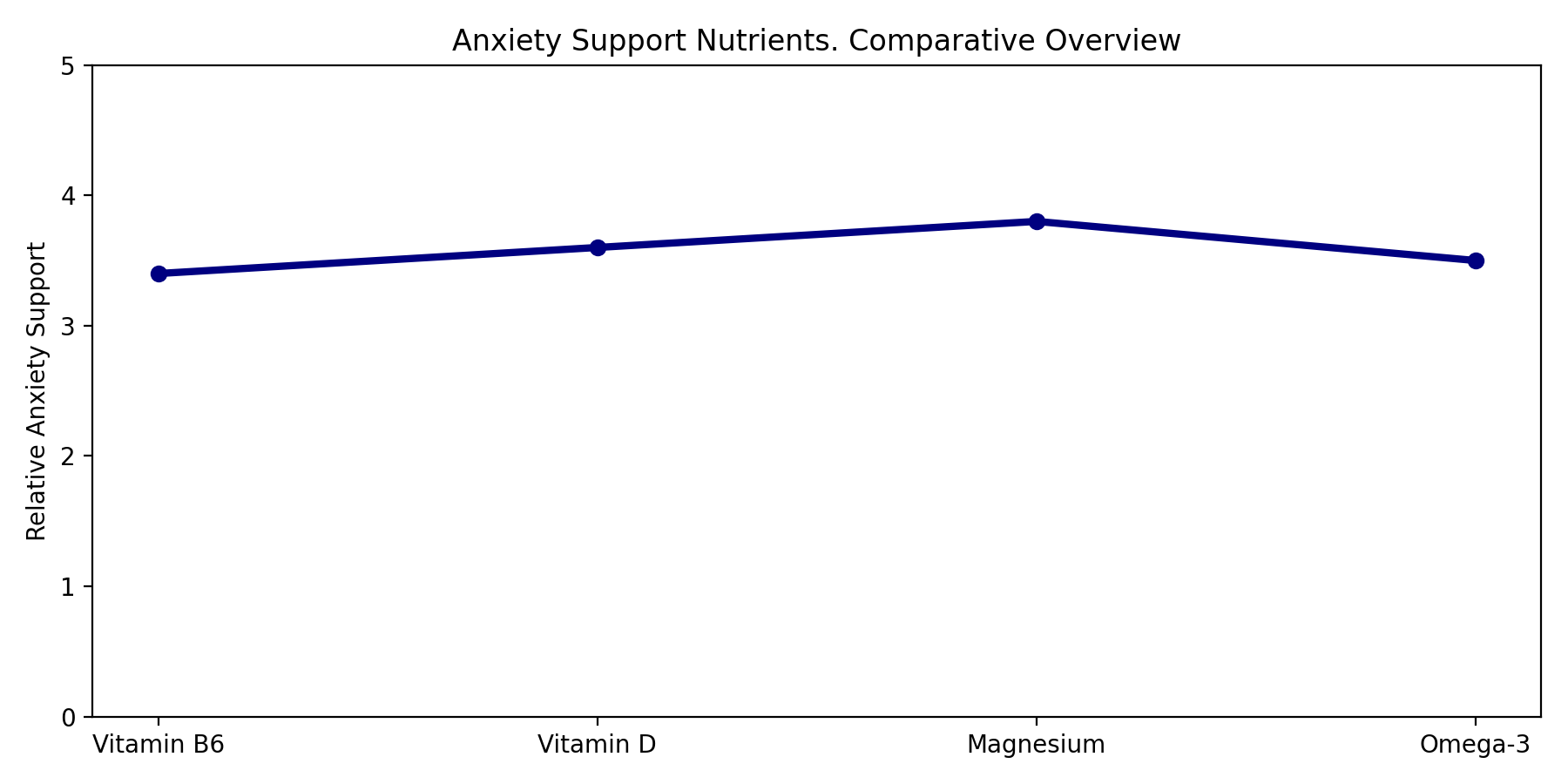
Vitamin B6 vs. Vitamin D for Anxiety Relief
When comparing Vitamin B6 and Vitamin D, both offer unique benefits for anxiety relief. Vitamin B6 enhances neurotransmitter production, directly impacting mood regulation. On the other hand, Vitamin D supports brain function and mood regulation, with deficiencies linked to increased anxiety. While both vitamins are effective, individual needs and health conditions play a crucial role in determining the best option.
Holistic Perspective
In addition to Vitamins B6 and D, other nutrients like magnesium and omega-3 fatty acids are often discussed in the context of anxiety relief. A holistic approach to anxiety management may involve a combination of these nutrients, tailored to individual needs. Understanding the broader nutritional landscape can help individuals make informed decisions about their mental health.
Practical Usage Advice
When considering the incorporation of vitamins into your anxiety management strategy, it’s crucial to approach supplementation with care. For Vitamin B6, the recommended daily intake varies depending on age and gender, but typically ranges from 1.3 to 2.0 mg for adults. Higher doses, often used in clinical trials, should only be taken under medical supervision to avoid potential nerve damage.
Vitamin D supplementation is generally safe when adhering to recommended dosages, which for most adults is around 600 to 800 IU per day. However, some individuals may require higher doses to correct deficiencies, particularly those with limited sun exposure or absorption issues. It’s essential to consult with a healthcare professional to tailor the dosage to your specific needs and avoid the risk of toxicity.
Myths and Misconceptions
Despite the growing popularity of vitamin supplements for anxiety, several myths persist. One common misconception is that more is always better. In reality, excessive intake of vitamins can lead to adverse effects, such as nerve damage from too much Vitamin B6 or hypercalcemia from excessive Vitamin D. Another myth is that vitamins alone can cure anxiety. While they can be beneficial, they are most effective when used as part of a comprehensive approach that includes lifestyle changes and, if necessary, professional therapy.
Conclusion
In conclusion, both Vitamin B6 and Vitamin D have demonstrated potential in alleviating anxiety symptoms, each offering unique benefits. Vitamin B6 enhances neurotransmitter production, while Vitamin D supports overall brain health. However, there is no one-size-fits-all solution when it comes to managing anxiety. Individual health needs and conditions should guide the choice of supplements. Consulting with healthcare providers is essential to ensure safe and effective use of these vitamins as part of a holistic approach to mental well-being.
Looking for the best option is pointless if it is not right for you.
Take the Cenario Quiz and get a personalized, science-backed recommendation in under 3 minutes.
Frequently Asked Questions
What vitamin is best for anxiety?
While there is no universally agreed-upon number one vitamin for anxiety, both Vitamin B6 and Vitamin D are highly regarded for their roles in mood regulation and anxiety relief. The best choice depends on individual health needs and deficiencies.
What deficiency causes anxiety?
Deficiencies in certain vitamins, particularly Vitamin B6 and Vitamin D, have been linked to increased anxiety symptoms. Ensuring adequate levels of these vitamins can help mitigate anxiety and improve overall mental health.
Can I take Vitamin B6 and D together?
Yes, it is generally safe to take both Vitamin B6 and Vitamin D together. They work through different mechanisms and can complement each other in supporting mental well-being. However, it’s important to follow recommended dosages and consult with a healthcare provider.
How long does it take for vitamins to affect anxiety?
The time it takes for vitamins to impact anxiety can vary. Some individuals may notice improvements within a few weeks, while others might take longer. Consistent supplementation and a healthy lifestyle are key to achieving the best results.
Are there any side effects of taking Vitamin B6 or D for anxiety?
Potential side effects of Vitamin B6 include nerve damage if taken in excessive amounts, while Vitamin D over-supplementation can lead to hypercalcemia. It’s crucial to adhere to recommended dosages and consult with a healthcare professional to minimize risks.