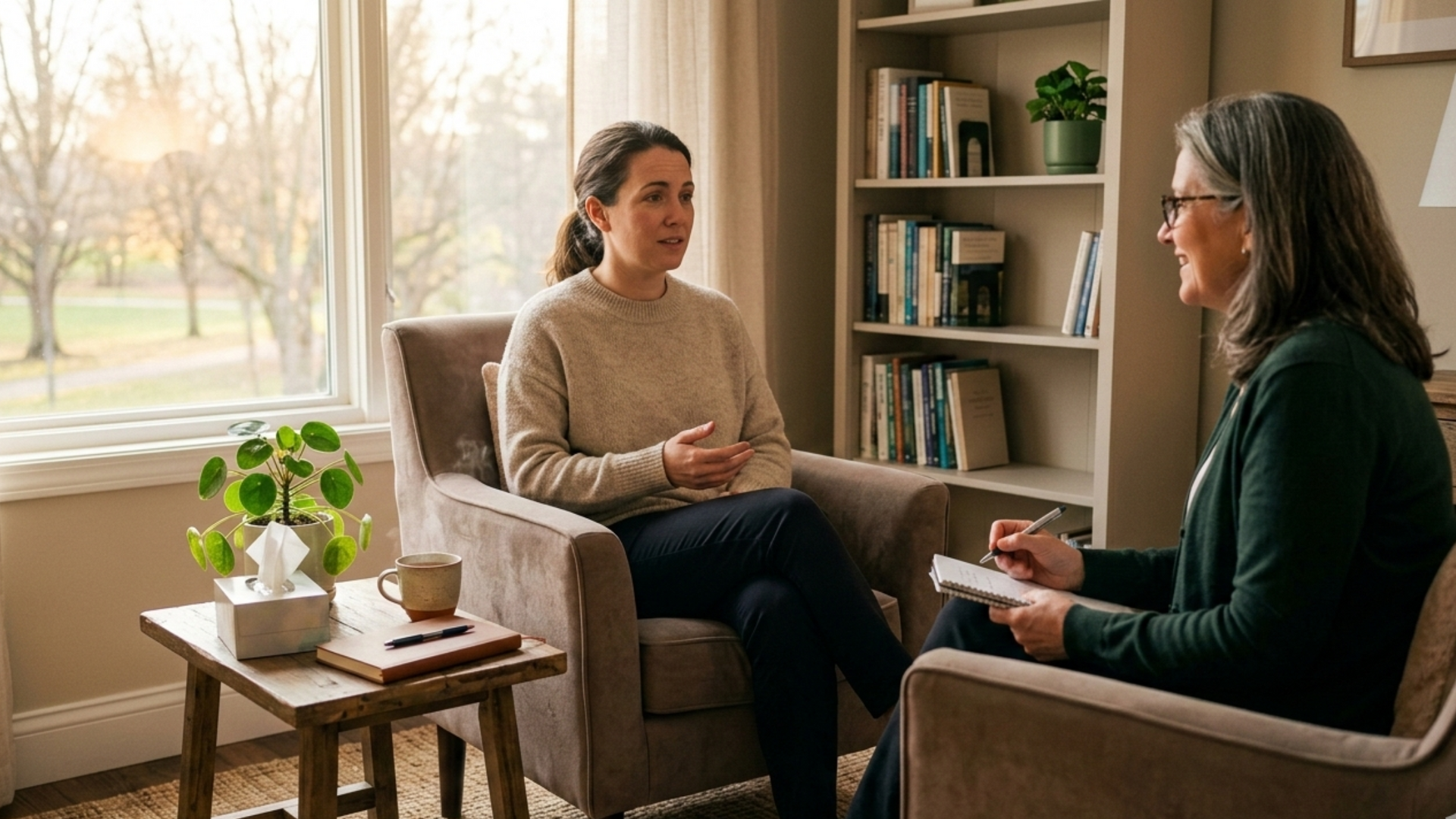

Women’s Mental Health Month is a time dedicated to raising awareness about the unique mental health challenges women face and promoting education, support, and empowerment. Mental health is just as important as physical health, yet it is often overlooked or misunderstood. This month encourages open conversations, reduces stigma, and highlights the importance of accessible care for women of all ages.
Understanding women’s mental health is not just about recognizing problems, it is about creating solutions, building support systems, and promoting long-term well-being.
To continue learning and deepen your understanding, read or explore more in our Knowledge Hub for additional community mental health–related articles, expert insights, and supportive resources. Staying informed is a powerful step toward creating healthier individuals and stronger communities.
Why Women’s Mental Health Deserves Special Attention
Women experience mental health conditions at different rates and in different ways than men. Biological, hormonal, social, and cultural factors all play a role. For example:
- Hormonal changes during puberty, pregnancy, postpartum, and menopause can affect mood and emotional stability.
- Women are more likely to experience anxiety and depression.
- Women often juggle multiple roles, such as caregiver, professional, partner, and parent, which can increase stress levels.
- Gender-based discrimination, unequal pay, and social pressures can impact self-esteem and emotional well-being.
Because of these factors, women may face mental health challenges that require specialized understanding and support.
Common Mental Health Challenges Women Face
1. Depression
Women are nearly twice as likely as men to experience depression. Symptoms may include persistent sadness, loss of interest in activities, fatigue, changes in sleep or appetite, difficulty concentrating, and feelings of worthlessness.
Postpartum depression is another serious condition that affects many women after childbirth. It goes beyond “baby blues” and may require professional treatment.
2. Anxiety Disorders
Women are more likely to be diagnosed with anxiety disorders, including generalized anxiety disorder (GAD), panic disorder, and social anxiety. Anxiety can cause excessive worry, racing thoughts, restlessness, muscle tension, and sleep problems.
High expectations at work, family responsibilities, and social pressures can increase anxiety levels.
3. Trauma and PTSD
Women are more likely to experience certain types of trauma, including domestic violence and sexual assault. These experiences can lead to post-traumatic stress disorder (PTSD), which may include flashbacks, nightmares, emotional numbness, and avoidance behaviors.
Healing from trauma often requires professional therapy and strong emotional support.
4. Eating Disorders
Eating disorders such as anorexia, bulimia, and binge-eating disorder are more common among women. Social pressure to meet unrealistic beauty standards can contribute to body image issues and unhealthy behaviors.
These conditions are serious mental health disorders and require medical and psychological treatment.
If you recognize any of these symptoms in yourself, taking action early can make a significant difference. Take the quiz today to receive personalized supplement recommendations tailored to support your mental wellness and overall health. Your journey toward better well-being can start with one simple step.
The Impact of Hormones on Mental Health
Hormones play a major role in women’s emotional well-being. Changes in estrogen and progesterone levels can influence mood and mental stability. Key life stages include:
- Puberty: Emotional sensitivity may increase due to hormonal shifts.
- Pregnancy and Postpartum: Mood swings, anxiety, or depression may occur.
- Perimenopause and Menopause: Fluctuating hormones can lead to irritability, sleep problems, and mood changes.
Understanding these changes can help women recognize when to seek support instead of blaming themselves for emotional struggles.
Breaking the Stigma
Despite progress, stigma still prevents many women from seeking help. Some may fear being labeled as “too emotional” or “unstable.” Others may feel pressure to appear strong for their families.
Breaking stigma involves:
- Encouraging honest conversations about mental health.
- Sharing personal stories to normalize experiences.
- Providing mental health education in schools and workplaces.
- Supporting policies that improve access to affordable mental healthcare.
Seeking therapy, counseling, or medical support is a sign of strength, not weakness.
Practical Steps for Supporting Women’s Mental Health
1. Prioritize Self-Care
Self-care is not selfish. It includes:
- Getting enough sleep
- Eating balanced meals
- Exercising regularly
- Taking breaks when overwhelmed
Even small daily habits can improve emotional resilience.
2. Build Strong Support Networks
Connection is essential. Talking with trusted friends, family members, or support groups can reduce feelings of isolation.
3. Seek Professional Help When Needed
Therapists, counselors, and psychiatrists are trained to help manage mental health conditions. Early treatment can prevent symptoms from worsening.
4. Practice Stress Management Techniques
Techniques such as journaling, meditation, deep breathing, and mindfulness can reduce anxiety and improve focus.
5. Set Healthy Boundaries
Learning to say “no” and setting limits in relationships and work environments can protect emotional well-being.
The Role of Community and Workplace Support
Communities and workplaces play an important role in supporting women’s mental health. Employers can:
- Offer mental health days.
- Provide counseling services or employee assistance programs.
- Promote flexible work schedules.
- Create safe environments free from harassment.
Schools and community organizations can provide mental health education and resources for women and girls.
Why Awareness Months Matter
Women’s Mental Health Month is not just symbolic. It creates opportunities for education, prevention, and action. Awareness campaigns:
- Encourage early diagnosis and treatment.
- Promote research on women-specific mental health issues.
- Empower women to speak openly about their experiences.
- Strengthen community support systems.
The more we talk about mental health, the easier it becomes to seek help and support others.
Healing Together: A Collective Responsibility
Healing does not happen in isolation. It happens when families listen, communities support, workplaces adapt, and healthcare systems respond effectively.
Women’s Mental Health Month reminds us that emotional well-being is essential for individuals, families, and society as a whole. When women are mentally healthy, they are better able to pursue goals, maintain relationships, and contribute positively to their communities.
By promoting awareness, reducing stigma, and encouraging compassionate conversations, we can move toward a future where every woman feels supported, understood, and empowered to prioritize her mental health.
Healing together starts with understanding, and continues with action.
If you’re ready to take a proactive step toward better mental wellness, take the quiz today to receive personalized supplement recommendations tailored to your unique needs and lifestyle. Small, informed choices can make a meaningful difference in your overall well-being.
Frequently Asked Questions
1. When is Women’s Mental Health Month observed?
Women’s Mental Health Month is typically observed in May in the United States, alongside Mental Health Awareness Month. It focuses on highlighting the specific emotional and psychological challenges women experience.
2. Why are women more likely to experience anxiety and depression?
Women are more likely to experience anxiety and depression due to a combination of biological, hormonal, and social factors. Hormonal changes during puberty, pregnancy, postpartum, and menopause can affect mood. Social pressures, caregiving responsibilities, and gender inequality can also contribute to increased stress.
3. What are early signs that a woman may need mental health support?
Early signs may include persistent sadness, mood swings, fatigue, difficulty sleeping, excessive worry, withdrawal from loved ones, or loss of interest in activities once enjoyed. Recognizing these signs early can help prevent symptoms from worsening.
4. How can families and communities support women’s mental health?
Families and communities can offer support by listening without judgment, encouraging open discussions about emotions, promoting access to professional care, and creating safe environments where women feel valued and respected. Community education and workplace flexibility also play important roles in supporting mental well-being.