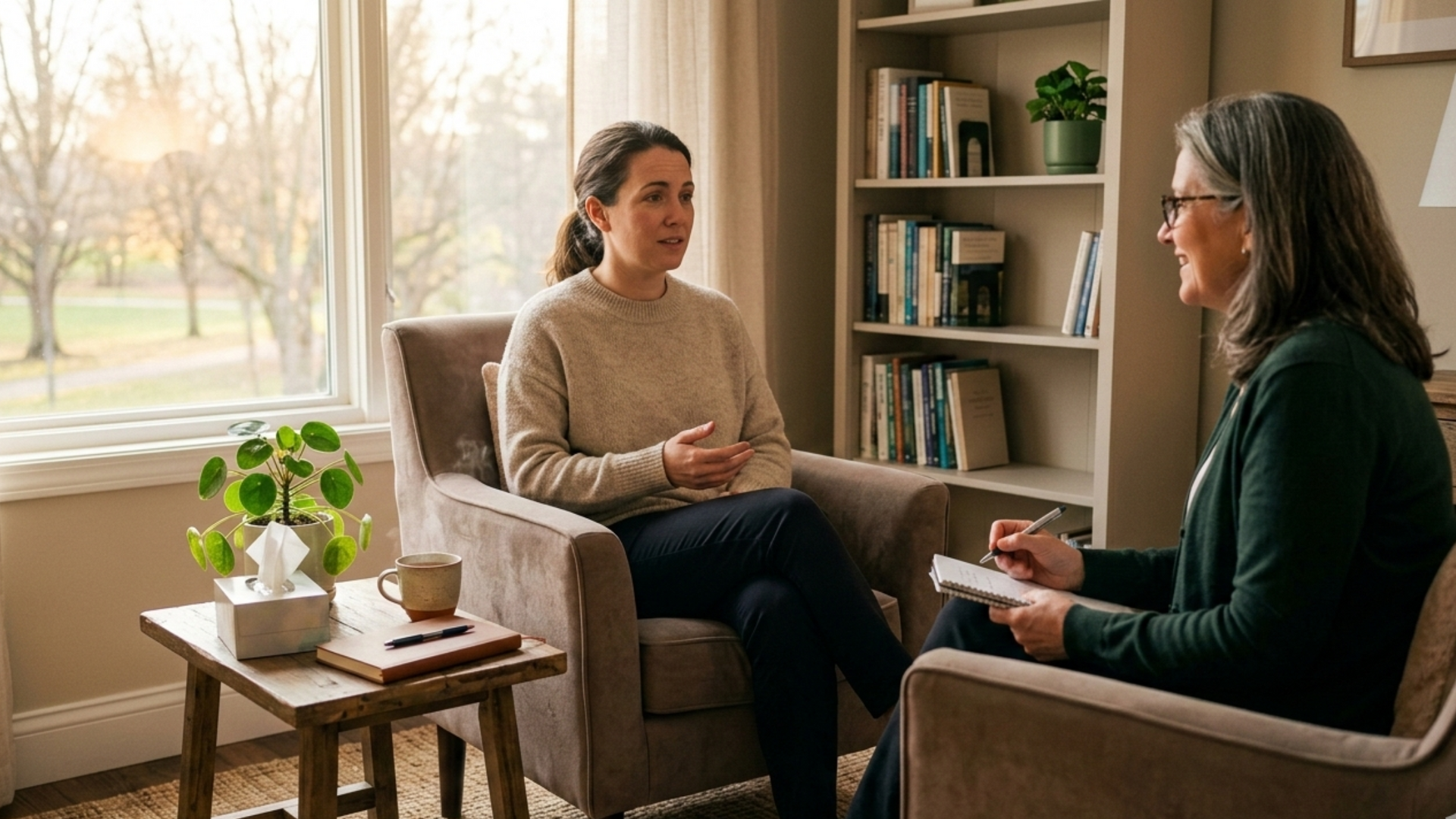

Motherhood is often described as one of life’s greatest joys. It can also be one of its greatest challenges. From sleepless nights with a newborn to navigating teenage emotions, mothers experience a wide range of responsibilities and pressures. While parenting books, social media posts, and advice from family members can be helpful, nothing compares to the comfort of talking with other moms who truly understand what you’re going through. This is where mom support groups become so powerful.
Mom support groups offer a safe space for women to share their experiences, ask questions, and build meaningful connections. In these groups, stories are not judged, they are valued. Through shared experiences, mothers discover that they are not alone, and that realization can make all the difference.
To learn more about community mental health and supportive resources for families, read or explore more in our Knowledge Hub for additional related articles.
What Are Mom Support Groups?
A mom support group is a gathering of mothers who meet regularly to share experiences, challenges, advice, and encouragement. These groups can be:
- In-person, such as community center meetings, church groups, hospital-sponsored groups, or neighborhood gatherings.
- Online, including social media groups, virtual meetups, and parenting forums.
- Specialized, focusing on specific situations such as single mothers, working moms, moms of children with disabilities, new mothers, or mothers dealing with postpartum depression.
The main goal of these groups is simple: support. They create a safe and welcoming environment where mothers can speak openly without fear of criticism.
Why Moms Need Support
Motherhood can feel isolating, especially in today’s fast-paced world. Many moms are balancing careers, household responsibilities, childcare, and personal goals all at once. Social media often presents a picture-perfect version of motherhood, which can make women feel like they are falling short.
Some common challenges mothers face include:
- Sleep deprivation
- Financial stress
- Relationship changes
- Postpartum depression or anxiety
- Work-life balance struggles
- Guilt about parenting choices
Without a support system, these challenges can become overwhelming. Mom support groups help break that isolation. Hearing another mother say, “I’ve been through that too,” can instantly reduce feelings of loneliness and self-doubt.
Taking care of your mental and physical well-being is just as important as caring for your family. Take the quiz today to receive personalized support recommendations designed to fit your unique motherhood journey.
The Power of Shared Stories
Stories are powerful because they connect people on an emotional level. When a mom shares her story, whether it’s about a difficult pregnancy, a child’s health issue, or simply a tough day—other mothers often see parts of themselves in that experience.
Shared stories provide:
1. Emotional Validation
Many moms question whether their feelings are normal. When they hear others express similar worries, frustrations, or fears, it reassures them that their emotions are valid.
2. Practical Advice
Real-life experiences often offer more helpful advice than general parenting tips. For example, a mother who successfully managed her child’s sleep schedule can offer specific strategies that worked for her.
3. Hope and Encouragement
Listening to someone who has overcome a challenging stage in parenting can inspire confidence. A mom struggling with toddler tantrums may feel hopeful after hearing from someone whose child eventually grew out of that phase.
4. Perspective
Sometimes sharing stories helps moms realize that perfection is not the goal. Every family is different, and there is no single “right” way to parent.
Mental Health Benefits
Support groups are not just about conversation—they can significantly improve mental health.
Reducing Stress
Talking about problems can lower stress levels. Instead of keeping worries inside, mothers can express them in a safe environment.
Preventing Depression
Isolation can increase the risk of postpartum depression and anxiety. Regular interaction with supportive peers can help mothers feel more connected and less alone.
Building Confidence
When moms receive encouragement and positive feedback, their confidence grows. They begin to trust their instincts and feel more capable as parents.
Types of Mom Support Groups
Not all support groups are the same. Some are more structured, while others are casual gatherings. Here are a few common types:
1. New Mom Groups
These focus on newborn care, breastfeeding, sleep routines, and adjusting to life with a baby.
2. Working Mom Groups
These groups discuss balancing career and family responsibilities, time management, and workplace challenges.
3. Single Mom Support Groups
Single mothers often face unique financial and emotional pressures. These groups provide understanding and practical help.
4. Special Needs Parenting Groups
Mothers of children with disabilities or medical conditions can share specific resources and emotional support.
5. Online Communities
Virtual groups are especially helpful for moms who live in rural areas or have limited childcare options.
Building Strong Friendships
One of the greatest benefits of mom support groups is the friendships that develop over time. What begins as a weekly meeting can turn into lifelong bonds. These friendships often extend beyond parenting discussions to include family gatherings, birthday celebrations, and emotional support during life’s ups and downs.
When moms feel connected to others who understand their journey, they are more likely to feel confident and resilient. A strong support network can act as a safety net during difficult times.
Overcoming the Fear of Joining
Some mothers hesitate to join a support group because they feel shy, fear judgment, or believe their problems are not “serious enough.” However, most groups are welcoming and built on mutual respect.
If someone feels nervous about joining, they can:
- Attend a meeting just to observe at first.
- Bring a friend for support.
- Start with an online group before meeting in person.
- Remember that everyone else once attended for the first time too.
Taking that first step can open the door to meaningful support.
How to Find a Mom Support Group
Mothers can find support groups through:
- Local hospitals or clinics
- Community centers
- Religious organizations
- Social media platforms
- Parenting websites
- Recommendations from pediatricians or friends
It’s important to find a group that feels comfortable and aligns with personal values and needs.
The Long-Term Impact
The impact of mom support groups goes beyond individual mothers. When mothers feel supported and emotionally healthy, their families benefit as well. Children thrive when their caregivers are confident, calm, and supported.
Support groups also help build stronger communities. When mothers connect, they often share resources, organize events, and create networks that benefit many families.
Conclusion
Motherhood is a journey filled with both joy and challenge. No mother should feel like she has to navigate it alone. Mom support groups offer more than advice, they offer connection, understanding, and strength.
Through shared stories, mothers discover that their struggles are not unique and their efforts are not unnoticed. In listening and being heard, they find courage. In giving and receiving support, they build resilience.
At the heart of every mom support group is a simple but powerful truth: when mothers come together, they grow stronger together.
Take the Quiz: Get Your Personalized Supplement Recommendation
Your health matters too. Take our quick quiz to receive personalized supplement recommendations based on your age, lifestyle, energy levels, and wellness goals.
Take the quiz today and support your motherhood journey with the care you deserve.
Frequently Asked Questions
1. What is a mom support group?
A mom support group is a community where mothers come together to share experiences, offer advice, and provide emotional support. These groups can meet in person or online and are designed to create a safe, non-judgmental space for open conversation.
2. Who can join a mom support group?
Any mother can join a support group. Some groups are open to all moms, while others focus on specific needs such as new mothers, working moms, single moms, or mothers of children with special needs.
3. Are mom support groups confidential?
Most support groups encourage confidentiality to create a safe and trusting environment. Members are typically asked to respect each other’s privacy and not share personal stories outside the group.
4. How can I find a mom support group near me?
You can find mom support groups through local hospitals, community centers, schools, religious organizations, social media platforms, or parenting websites. You can also explore the Knowledge Hub for more community mental health resources and guidance.