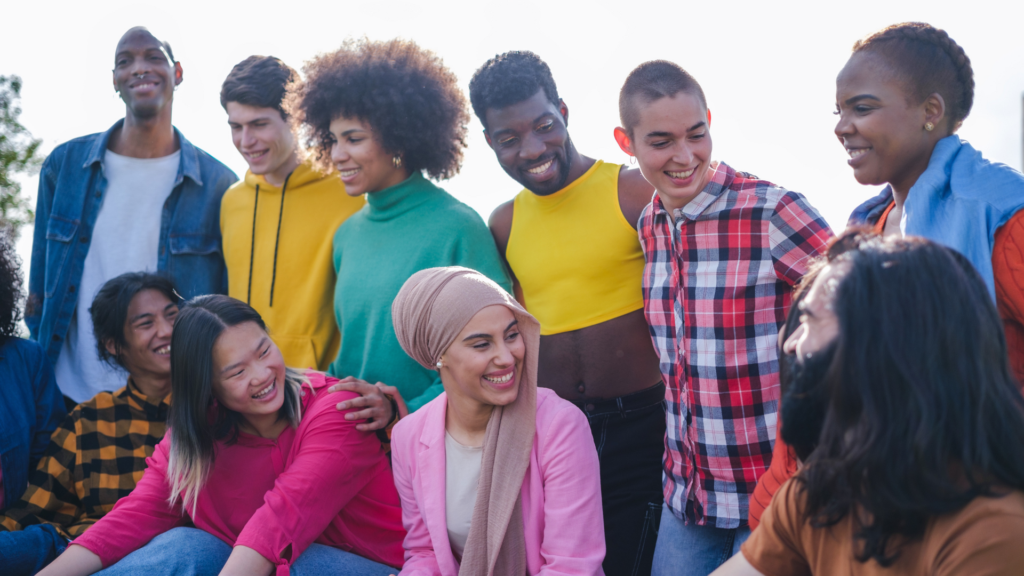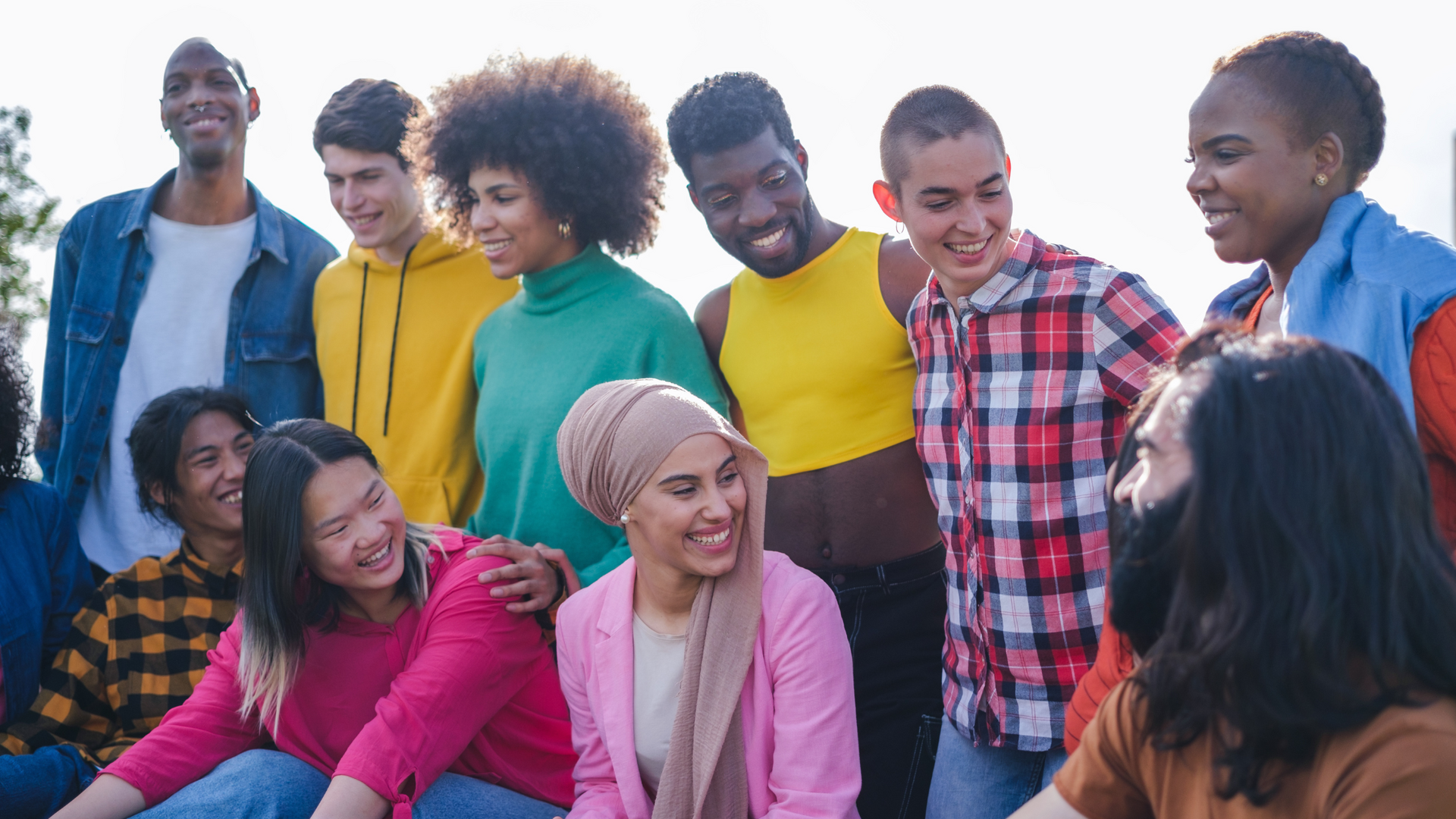

Mental health is a vital part of overall well-being. It shapes how people think, feel, behave, handle stress, build relationships, and make choices. Just like physical health, mental health can change over time. A person may feel emotionally strong and balanced at one point in life and struggle at another. Every society in the world experiences mental health challenges, but the way people understand, describe, and treat those challenges is strongly influenced by culture.
Culture includes shared beliefs, traditions, values, language, religion, and social expectations. It teaches people what is considered normal, acceptable, or shameful. Because culture shapes how people view emotions, illness, family roles, and spirituality, it also shapes how mental health is understood. What is seen as a medical condition in one culture might be viewed as a spiritual issue, family matter, or personal weakness in another. For this reason, mental health does not look the same everywhere.
Understanding these cultural differences helps people become more empathetic and open-minded. It also helps doctors, counselors, and other professionals provide care that respects a person’s background and beliefs.
To continue learning about this topic, read or explore more in our Knowledge Hub for additional community mental health–related articles and resources.
What Is Mental Health?
Mental health refers to emotional, psychological, and social well-being. A mentally healthy person is generally able to manage everyday stress, maintain relationships, work toward goals, and recover from challenges. This does not mean the person is always happy. Instead, it means they can cope with both positive and negative experiences in a balanced way.
Mental health conditions such as depression, anxiety disorders, bipolar disorder, and schizophrenia can affect people in any country or culture. However, the signs that are recognized, the language used to describe them, and the treatments chosen often depend on cultural beliefs.
For example, one culture may describe depression mainly as deep sadness, while another may focus more on physical pain or exhaustion. The experience may be similar, but the way it is expressed can be very different.
Culture and Its Influence on Mental Health
Culture influences mental health in several important ways. It affects how people express emotions, whether mental illness is accepted or stigmatized, who people turn to for help, and what treatments are considered appropriate.
In some cultures, openly talking about feelings is encouraged. Children may grow up learning to describe their emotions clearly. In other cultures, emotional control is highly valued. Expressing sadness, fear, or anger openly may be seen as weakness or lack of discipline.
Culture also influences help-seeking behavior. In certain societies, people immediately turn to medical professionals. In others, they may first seek advice from family members, religious leaders, or traditional healers. None of these responses are random. They are shaped by long-standing traditions and shared beliefs.
Western Cultures: Medical Models and Individual Expression
In many Western countries, such as the United States, Canada, and much of Europe, mental health is commonly viewed through a medical or psychological model. This means mental illnesses are treated as health conditions that can be diagnosed, studied, and managed with therapy, medication, or a combination of both.
Western cultures often value individualism. People are encouraged to focus on personal goals, independence, and self-expression. Because of this, therapy often centers on exploring personal feelings, childhood experiences, and thought patterns. Talking openly about emotions is generally considered healthy and mature.
For instance, depression is typically described as persistent sadness, loss of interest in activities, low motivation, and feelings of worthlessness. Anxiety may be described as excessive worry, nervousness, or panic attacks. There are public awareness campaigns, school programs, and workplace initiatives that promote mental health education.
Although stigma still exists, especially regarding severe mental illnesses, many Western societies have made significant progress in encouraging open discussion and professional treatment.
Asian Cultures: Social Harmony and Physical Expression
In many Asian cultures, including China, Japan, and Korea, maintaining social harmony and protecting family reputation are highly valued. People often see themselves as part of a larger group rather than as completely independent individuals. Because of this, personal struggles may be kept private to avoid causing worry or shame for the family.
Instead of directly expressing emotional pain, individuals may describe physical symptoms such as headaches, stomach problems, fatigue, or sleep disturbances. This pattern is sometimes called somatization, where emotional distress is experienced or communicated through physical discomfort. This does not mean the pain is imagined. The physical symptoms are real, but they are closely connected to emotional stress.
In some communities, seeking professional mental health services may carry stigma. Families may prefer to handle concerns internally or consult traditional healers. However, younger generations are increasingly speaking out about mental health and seeking therapy, especially in urban areas.
African Cultures: Spiritual Meaning and Community Strength
Across many African societies, mental health is often understood within a spiritual and community-centered framework. Some people may believe that emotional or psychological distress is connected to spiritual imbalance, ancestral influence, or disrupted relationships within the community.
Because of these beliefs, individuals may seek help from traditional healers, elders, or religious leaders before seeking hospital-based treatment. Healing practices may involve prayer, rituals, or community gatherings.
Community support is one of the strongest protective factors in many African cultures. Extended families often live close to one another and provide emotional, financial, and practical assistance. This strong social network can reduce feelings of isolation and promote resilience.
However, misunderstanding and stigma may still exist, especially regarding severe mental disorders. Education and collaboration between traditional and medical systems are becoming increasingly important in improving mental health care.
Middle Eastern Cultures: Faith, Family, and Responsibility
In many Middle Eastern cultures, religion plays a central role in daily life. Faith often provides meaning, comfort, and guidance during difficult times. Emotional struggles may be understood as spiritual challenges or tests of faith. Prayer and consultation with religious leaders are common sources of support.
Family is also extremely important. Decisions about health are often made collectively rather than individually. While this can provide strong emotional backing, concerns about family honor and social reputation may discourage open discussion of mental illness outside the family circle.
At the same time, awareness about mental health is growing in many Middle Eastern countries. More people are recognizing that faith and professional mental health care can work together rather than oppose each other.
Latin American Cultures: Emotional Openness and Cultural Expressions
In many Latin American cultures, emotional expression is often more visible and socially accepted. Strong family ties provide comfort and protection during times of stress. Extended families frequently offer close support.
There are also culturally specific ways of describing distress. Terms like nervios describe a state of emotional tension, irritability, or anxiety. Ataque de nervios refers to intense emotional episodes that may include crying, shaking, or shouting, often triggered by stressful events. These expressions are understood within cultural context and may not fit perfectly into Western psychiatric categories.
Traditional healers, such as curanderos, may work alongside medical professionals, combining spiritual guidance with emotional support.
Indigenous Cultures: Balance, Connection, and Holistic Healing
Many Indigenous cultures around the world see mental health as inseparable from physical health, spirituality, community, and connection to land. Well-being is often described as a balance between mind, body, spirit, and nature.
Mental distress may be viewed as a disruption of this balance rather than simply a disease. Healing practices may include ceremonies, storytelling, time in nature, music, and community rituals. These practices aim to restore harmony and strengthen identity and belonging.
This holistic view reminds us that mental health is not only about symptoms but also about meaning, connection, and cultural identity.
Stigma Across Cultures
Despite cultural differences, stigma surrounding mental illness exists in many parts of the world. People may fear being labeled as weak, unstable, or dangerous. This can lead to shame, silence, delayed treatment, and discrimination.
Reducing stigma requires education, open conversation, and culturally respectful services. When people understand that mental illness is not a personal failure, they are more likely to seek help and support others.
The Importance of Cultural Sensitivity
Mental health professionals must understand that culture shapes how symptoms appear and how healing occurs. Cultural sensitivity means listening carefully, respecting beliefs, avoiding stereotypes, and adapting treatment when necessary.
For example, involving family members in therapy may be important for someone from a collectivist culture. Recognizing spiritual beliefs may also strengthen trust between patient and provider.
When care respects cultural values, outcomes improve and patients feel understood rather than judged.
Conclusion
Mental health is a universal part of human life, but it is deeply shaped by culture. Different societies have unique ways of understanding emotional pain, expressing symptoms, and seeking support. Some emphasize medical treatment and personal therapy, while others focus on spirituality, family involvement, or restoring balance within the community.
By learning about these differences, we build empathy and reduce misunderstanding. In a world that is increasingly connected, recognizing cultural perspectives on mental health is not only helpful but necessary. Respecting these differences ensures that all people can receive compassionate, effective, and culturally appropriate care.
If you are interested in improving your own mental well-being, consider taking the next step. Take our quiz to receive a personalized supplement recommendation tailored to your needs and lifestyle. Understanding your body and mind is the first step toward better overall health.
Frequently Asked Questions
1. Why does mental illness look different in different cultures?
Mental illness can look different across cultures because culture influences how people understand emotions, express distress, and seek help. While the biological aspects of mental health conditions may be similar worldwide, the way symptoms are described and interpreted can vary. For example, in some cultures depression may be described mainly as sadness and hopelessness, while in others it may be expressed through physical symptoms like headaches or fatigue. Cultural beliefs about spirituality, family roles, and social expectations also shape how people respond to mental health challenges.
2. Is one cultural approach to mental health better than another?
No single cultural approach is completely better than another. Each culture has strengths in how it supports mental health. Some cultures emphasize professional therapy and medical treatment, which can be effective for diagnosing and managing conditions. Others focus on strong family networks, community support, or spiritual practices, which can provide comfort and resilience. The most effective mental health care often combines medical knowledge with respect for cultural beliefs and values.
3. How can we reduce stigma around mental health in different cultures?
Reducing stigma begins with education and open conversation. When people understand that mental health conditions are not signs of weakness or failure, they are more likely to show compassion and seek help when needed. Schools, communities, religious leaders, and media can all play a role in spreading awareness. Providing culturally sensitive mental health services also helps, because people are more comfortable seeking support when their beliefs and traditions are respected.