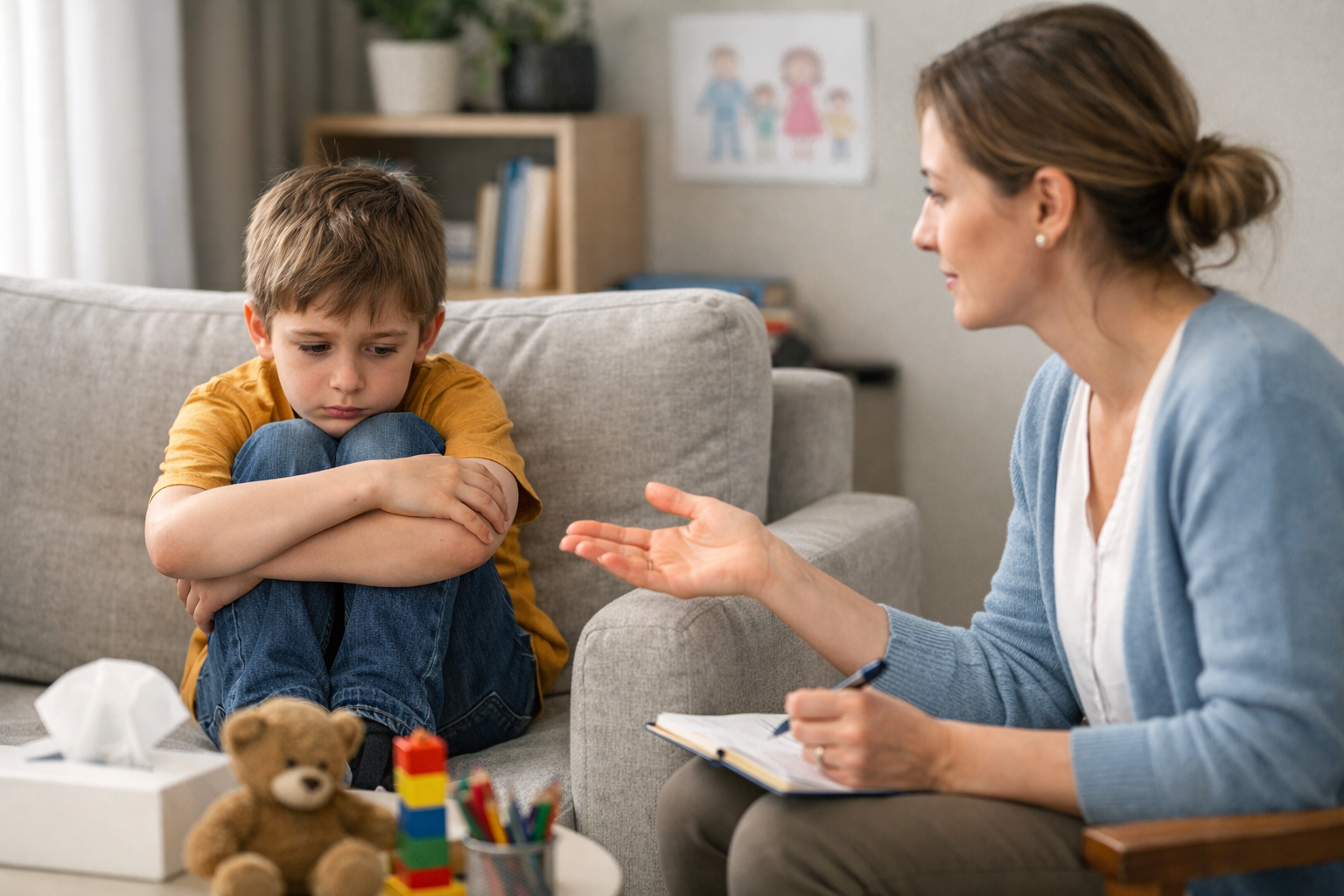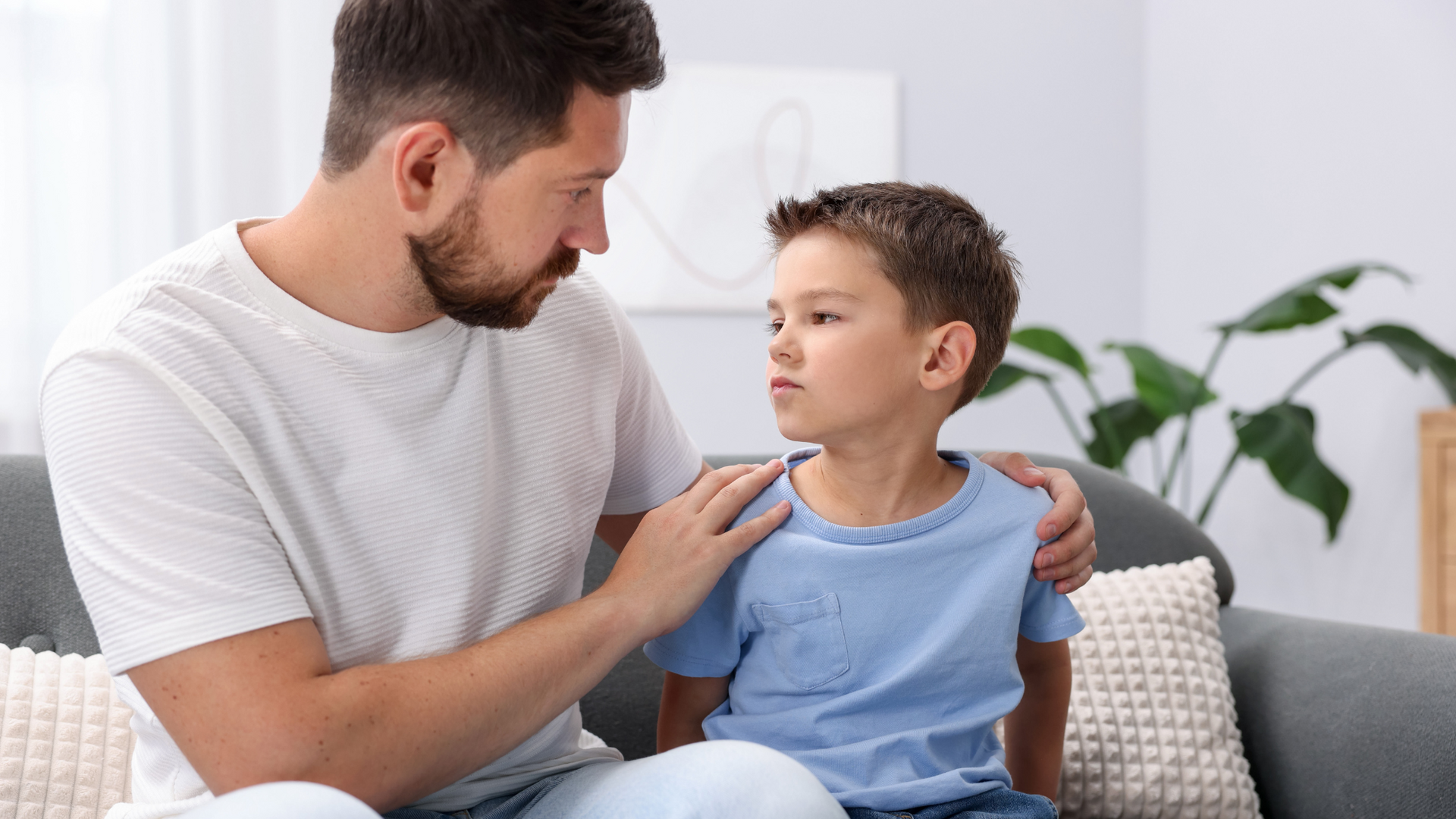

Bipolar disorder is often thought of as an adult mental health condition. However, children and teenagers can also experience bipolar disorder, and when they do, it can affect their emotions, behavior, school performance, and relationships in serious ways. Because childhood is already a time of strong emotions and rapid change, bipolar disorder in children is sometimes misunderstood or misdiagnosed.
This article explains what bipolar disorder in children looks like, how it is diagnosed, and how families and professionals can provide effective care and support. For readers who want to explore related topics, especially how mood disorders like depression affect young people, you can also visit this helpful knowledge hub for more in-depth information.
What Is Bipolar Disorder?
Bipolar disorder is a serious mental health condition that causes extreme changes in mood, energy, and behavior. These shifts are much stronger than normal ups and downs. They are not just “bad days,” but intense episodes that can last for days or weeks and interfere with a child’s school life, friendships, and family relationships.
In children, bipolar disorder may look different than it does in adults. Mood changes can happen more quickly, and irritability is often more common than extreme happiness during manic episodes.
A manic episode is a period of unusually high energy or mood. A child may seem overly excited, very talkative, or unusually confident. They might sleep very little but still feel energetic. Some children become easily angered or act impulsively, which can lead to problems at home or school.
A depressive episode is a period of very low mood and energy. A child may feel sad, hopeless, or lose interest in activities they once enjoyed. They may feel tired, have trouble concentrating, or show changes in sleep and appetite. In children, depression often appears as irritability instead of clear sadness.
Sometimes, children experience mixed episodes, where symptoms of mania and depression happen at the same time. These mood shifts are intense and disruptive, which is why early recognition and professional support are important.
Signs and Symptoms of Bipolar Disorder in Children
Children with bipolar disorder do not always show the same symptoms as adults. Their mood changes may be faster, and irritability is often more common than extreme happiness during manic episodes.
1. Signs of Mania in Children
During a manic episode, a child may:
- Feel extremely happy or “on top of the world”
- Become very irritable or easily angered
- Talk very fast or jump quickly between topics
- Have racing thoughts
- Need very little sleep but still have high energy
- Show unusually high confidence or risky behavior
- Act impulsively without thinking about consequences
- Have difficulty concentrating
In some cases, children may also experience grandiose thinking, such as believing they have special powers or abilities beyond what is realistic.
2. Signs of Depression in Children
During a depressive episode, a child may:
- Feel very sad, empty, or hopeless
- Lose interest in activities they once enjoyed
- Feel tired or have low energy
- Sleep too much or too little
- Have changes in appetite
- Struggle to focus or make decisions
- Feel worthless or guilty
- Talk about death or suicide
Depression in children may also show up as irritability rather than sadness.
3. Rapid Mood Changes
One of the most challenging aspects of bipolar disorder in children is that mood changes can happen quickly. A child might shift from excitement to anger or sadness within a short period of time. These mood swings are more intense and disruptive than normal emotional changes.
How Is Bipolar Disorder Diagnosed in Children?
Diagnosing bipolar disorder in children can be complex. Many of the symptoms overlap with other conditions such as:
- Attention-Deficit/Hyperactivity Disorder (ADHD)
- Oppositional Defiant Disorder (ODD)
- Anxiety disorders
- Depression
Because of this overlap, a careful and thorough evaluation is necessary.
The Diagnostic Process
A mental health professional, such as a child psychiatrist or psychologist, will:
- Conduct detailed interviews with the child and parents
- Review the child’s medical and mental health history
- Ask about family history of mood disorders
- Gather information from teachers or caregivers
- Rule out other medical or psychological conditions
There is no blood test or brain scan that can diagnose bipolar disorder. Diagnosis is based on patterns of behavior and mood over time.
What Causes Bipolar Disorder in Children?
There is no single cause of bipolar disorder. Instead, it likely develops from a combination of factors:
1. Genetics
Children with a family history of bipolar disorder are at higher risk. Genetics play a strong role, but having a relative with the disorder does not guarantee a child will develop it.
2. Brain Chemistry
Imbalances in brain chemicals called neurotransmitters may contribute to mood instability.
3. Environmental Stress
Stressful life events, trauma, or major changes may trigger symptoms in children who are already vulnerable.
Treatment and Care Options
Bipolar disorder is a long-term condition, but with proper treatment and support, children can lead healthy and productive lives.
1. Medication
Medication is often an important part of treatment. Doctors may prescribe:
- Mood stabilizers
- Atypical antipsychotics
- Sometimes antidepressants (with careful monitoring)
Medication helps regulate mood swings and reduce the severity of episodes. It is important that medications are managed by a qualified child psychiatrist.
2. Therapy
Therapy is a key part of treatment and may include:
- Cognitive Behavioral Therapy (CBT) – Helps children understand and manage their thoughts and behaviors.
- Family-focused therapy – Teaches families how to communicate better and respond to mood episodes.
- Psychoeducation – Helps the child and family learn about bipolar disorder and how to manage it.
Therapy provides coping skills and emotional support that medication alone cannot offer.
3. School Support
Children with bipolar disorder may struggle academically or socially. Schools can help by:
- Providing accommodations (extra time on assignments, flexible schedules)
- Offering counseling services
- Creating structured and predictable environments
Communication between parents and teachers is essential.
4. Healthy Lifestyle Habits
Daily habits play a major role in managing symptoms:
- Consistent sleep schedule
- Regular exercise
- Balanced nutrition
- Limited screen time
- Stress management techniques
Sleep is especially important, as lack of sleep can trigger manic episodes.
Supporting a Child with Bipolar Disorder
Parents and caregivers can make a powerful difference in a child’s life. Support includes:
- Staying calm during mood episodes
- Maintaining clear routines
- Encouraging open communication
- Monitoring for warning signs of mood shifts
- Seeking professional help early
It is also important for caregivers to take care of their own mental health. Supporting a child with bipolar disorder can be emotionally demanding.
When to Seek Immediate Help
If a child:
- Talks about suicide
- Expresses a desire to harm themselves or others
- Shows extreme behavior changes
- Becomes disconnected from reality
Immediate professional help is necessary. In emergency situations, contact local emergency services or a crisis hotline.
Long-Term Outlook
With early diagnosis, proper treatment, and strong family support, many children with bipolar disorder learn to manage their symptoms successfully. While the condition is chronic, it does not define a child’s future. Many individuals with bipolar disorder grow up to lead fulfilling lives, succeed in school and careers, and build healthy relationships.
Final Thoughts
Bipolar disorder in children is real, serious, and often misunderstood. Recognizing the signs early, seeking accurate diagnosis, and providing consistent care can make a life-changing difference. Awareness and education are key. When families, schools, and healthcare professionals work together, children with bipolar disorder can thrive despite the challenges they face.
Understanding is the first step toward support, and support can change everything. If you’re looking for additional ways to support your child’s overall mental wellness, you can also take the Cenario quiz to get personalized supplement recommendations tailored to individual needs and lifestyle.
Frequently Asked Questions
1. At what age can bipolar disorder be diagnosed in children?
Bipolar disorder can be diagnosed in children as young as early elementary school age, but it is more commonly identified during late childhood or adolescence. Diagnosis depends on clear patterns of manic and depressive episodes over time. Because symptoms can overlap with other conditions like ADHD or depression, a careful evaluation by a child psychiatrist or psychologist is essential.
2. How is bipolar disorder different from normal mood swings in children?
All children experience mood changes as part of normal development. However, bipolar disorder involves extreme mood shifts that are intense, long-lasting, and disruptive to daily life. These episodes significantly affect school performance, relationships, sleep, and behavior. The key difference is severity, duration, and impact on functioning.
3. Can children with bipolar disorder live normal, successful lives?
Yes. With early diagnosis, proper treatment, therapy, and strong family support, many children with bipolar disorder grow up to live healthy and fulfilling lives. Consistent care, structured routines, and emotional support greatly improve long-term outcomes. Managing the condition is an ongoing process, but success is absolutely possible with the right help.