
Depression is a complex mental health condition that affects millions of people worldwide. While most are familiar with the emotional toll of feeling depressed, fewer realize that depression can also significantly impact cognitive function, including memory. Many individuals with major depressive disorder experience memory problems, difficulty concentrating, and what’s commonly described as brain fog.
So, can depression cause memory loss? The answer is yes, and the link between depression and memory is stronger than many people realize. In this blog post, we’ll explore how depression affects the brain, why it causes memory issues, and how to manage these symptoms with effective treatment options.
What Is Major Depressive Disorder?
Major depressive disorder (MDD) is a serious mental health condition characterized by persistent low mood, lack of interest in activities, and a range of physical and emotional symptoms. It can affect anyone, regardless of age, gender, or background.
Common symptoms include:
- Persistent sadness or feeling depressed most of the day
- Loss of interest or pleasure in previously enjoyable activities
- Changes in appetite or weight
- Sleep disturbances
- Fatigue or lack of energy
- Feelings of worthlessness or guilt
- Trouble focusing or making decisions
- Thoughts of death or suicide
Among these symptoms, cognitive changes such as memory loss and concentration difficulties are often overlooked, yet they significantly affect daily life.
Depression and Memory: What’s the Connection?
1. Effect on Memory and Brain Function
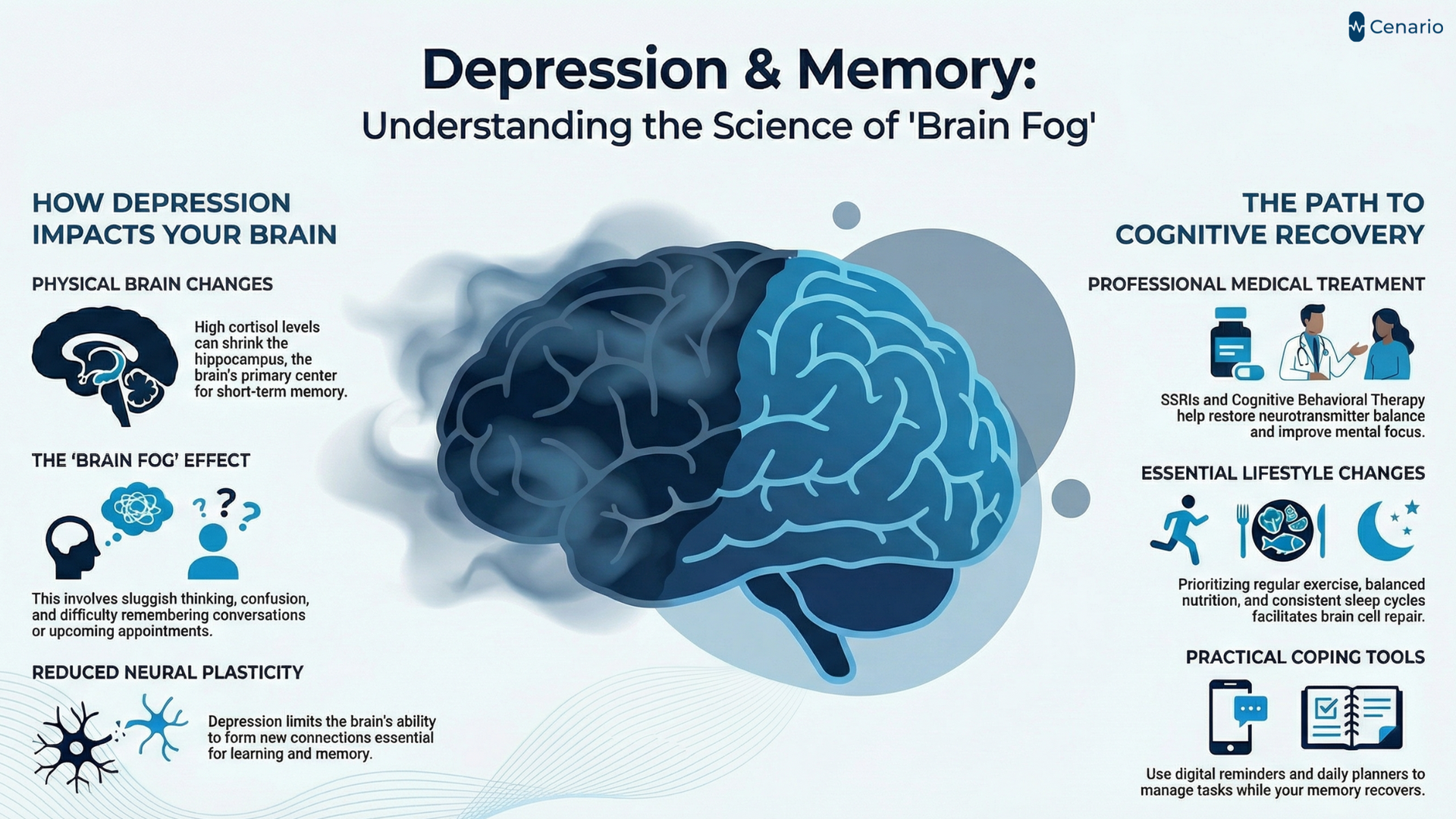
Depression has a real, measurable impact on the brain. Key brain regions responsible for memory and thinking, including the hippocampus, amygdala, and prefrontal cortex — can become impaired during depressive episodes. The hippocampus, which is vital for short-term memory, may shrink in people with chronic depression, affecting the brain’s ability to store and retrieve information.
2. Short-Term vs. Long-Term Memory
Depression mainly affects:
- Short-term memory: You may forget what someone just said or misplace everyday items.
- Prospective memory: You might forget to do things in the future, like attending appointments.
While long-term memory is generally less affected, chronic depression can still make it harder to access stored information.
3. Brain Fog and Cognitive Slowness
Many people describe brain fog during depression, a condition marked by forgetfulness, sluggish thinking, and confusion. While it’s not a formal medical term, brain fog is a hallmark cognitive symptom of depression and may signal early stages of memory decline.
Why Does Depression Cause Memory Problems?
Several biological and psychological factors contribute to the memory issues seen in depression:
- Elevated cortisol levels: Depression often leads to increased stress hormone production, especially cortisol, which can damage brain cells over time and impair memory function.
- Reduced brain plasticity: Depression may reduce the brain’s ability to form new neural connections, which is crucial for learning and memory.
- Decreased neurotransmitter activity: Chemicals like serotonin, dopamine, and norepinephrine play a role in mood regulation and cognitive function. Selective serotonin reuptake inhibitors (SSRIs), commonly prescribed to treat depression, help restore balance, potentially improving memory problems.
- Poor lifestyle factors: Lack of sleep, poor nutrition, and low physical activity — often present in people with depression, can worsen memory loss and reduce cognitive performance.
- Co-existing health conditions: Other health conditions, such as anxiety, thyroid issues, or even early stages of Alzheimer’s disease, can compound memory difficulties.
Who Is at Increased Risk?
Anyone with major depressive disorder can experience memory problems, but certain groups face an increased risk:
- Older adults (risk of cognitive decline and dementia)
- People with chronic, untreated depression
- Those with co-existing conditions like anxiety or substance abuse
- Individuals with a family history of cognitive disorders
Can Memory Improve After Depression Treatment?
Yes. One of the most hopeful aspects of depression-related memory loss is that it’s often reversible. When you treat depression effectively, many of the cognitive symptoms, including brain fog and short-term memory issues, can improve significantly.
Treatment Options for Depression and Memory Loss
Here are some of the most effective treatment options for addressing depression and memory problems:
- Medication
- Selective serotonin reuptake inhibitors (SSRIs) help balance brain chemistry and improve both mood and cognitive function.
- Psychotherapy
- Cognitive Behavioral Therapy (CBT) helps reframe negative thoughts and can improve focus and memory.
- Lifestyle Changes
- Regular exercise, a balanced diet, and adequate sleep are essential for brain health.
- Mindfulness practices can reduce stress and improve clarity.
- Cognitive Training
- Brain games, puzzles, or memory exercises help rebuild cognitive strength.
Coping Tips for Memory Issues During Depression
- Use lists, planners, or digital reminders
- Establish consistent daily routines
- Break tasks into smaller, manageable parts
- Minimize distractions while working or studying
- Practice self-compassion healing takes time
Final Thoughts
So, can depression cause memory loss? Absolutely. But the silver lining is that memory problems related to depression are often temporary and treatable. Understanding the effect on memory and taking proactive steps, whether through therapy, medication, or lifestyle changes — can restore both your mental sharpness and emotional well-being.
If you’re feeling depressed and experiencing brain fog, forgetfulness, or other cognitive symptoms, don’t wait. Seeking support is the first and most important step toward recovery.
Take the First Step Toward a Sharper Mind
Not sure where to begin? Take our quick quiz to get a personalized supplement recommendation designed to support mental clarity, improve memory, and help you feel like yourself again.
It’s fast, science-backed, and tailored just for you.
Frequently Asked Questions
1. Can depression-related memory loss lead to Alzheimer’s disease?
While depression doesn’t directly cause Alzheimer’s disease, studies suggest that chronic depression, especially in older adults, may increase the risk of cognitive decline. Treating depression early may help reduce long-term risks.
2. Do antidepressants improve memory problems caused by depression?
Yes, especially SSRIs. These medications can alleviate depressive symptoms and, in many cases, improve concentration and short-term memory. However, side effects vary, so consult your doctor about the best option.
3. Is memory loss a sign of early dementia or just depression?
It can be hard to tell. Memory issues in major depressive disorder often resemble early signs of dementia, but unlike dementia, they are usually reversible with proper treatment. If you’re unsure, speak with a healthcare professional for an accurate diagnosis.