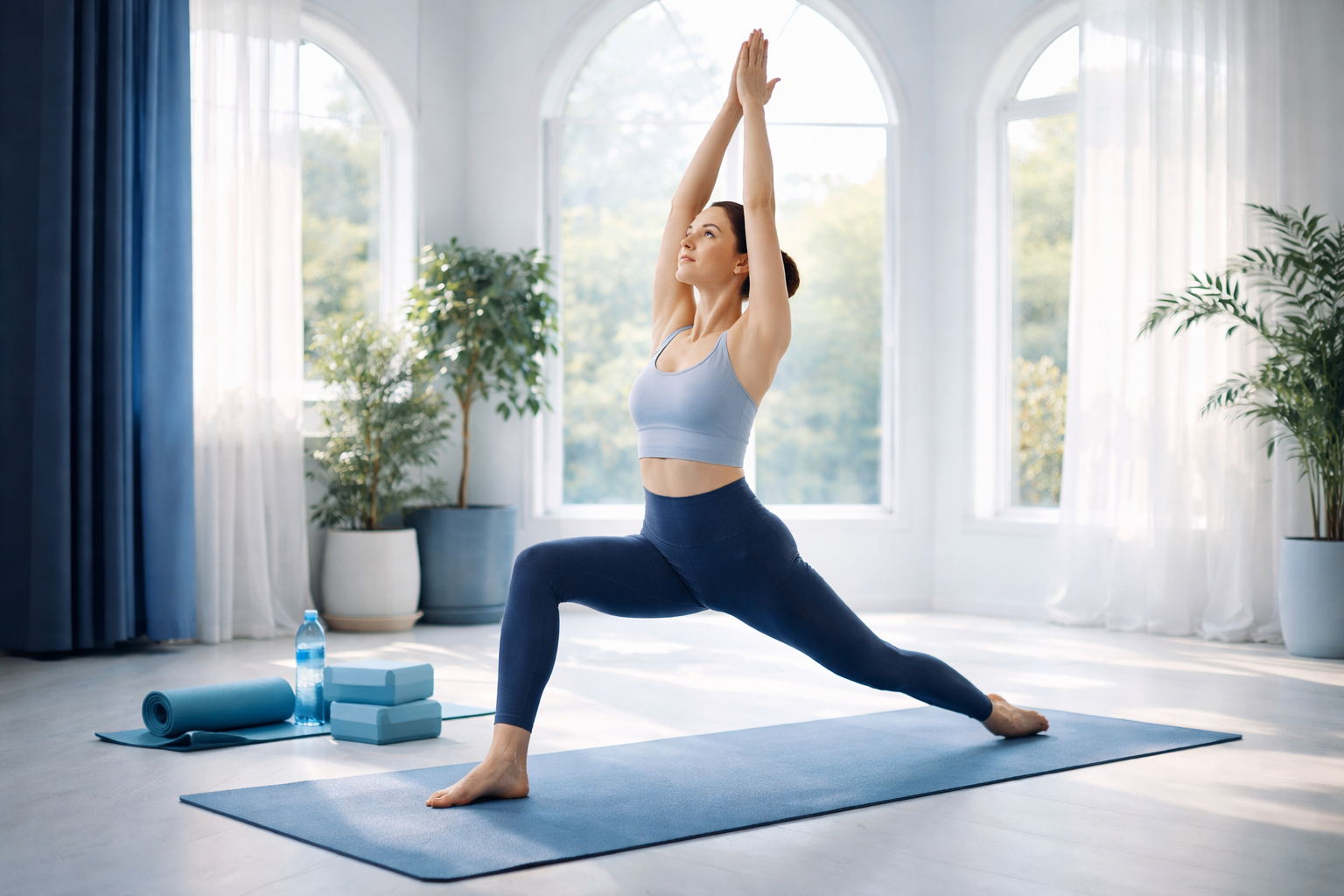

Discover self-comfort: transform stress into serenity. In today’s fast-paced world, feeling anxious, low, or overwhelmed is common. Learning how to comfort yourself is not a luxury. It is a practical skill that helps you steady your emotions, reduce physical tension, and regain focus when life feels heavy.
Understand self-comfort
Self-comfort goes beyond casual self-care. It means using deliberate techniques to soothe both body and mind when you feel distressed. That can include self-soothing practices, sensory grounding, gentle movement, and kind internal language. Each of these categories helps interrupt the cycle of escalation so you can feel safer and more present.
Why learning how to comfort yourself matters
When you can comfort yourself, you lower immediate stress and build long-term resilience. Practicing self-comfort teaches your nervous system to recover faster after a stressful event. It also reduces reliance on external distractions that only offer temporary relief. Over time, it becomes easier to handle intense feelings and prevent small stresses from becoming crises.
What this guide will do for you
This post series will introduce the core areas readers search for when asking how to comfort yourself: self-soothing techniques that affect the body, sensory grounding to anchor attention, self-compassion for emotional validation, and ways to shape a safe, calming environment. You will get clear categories and simple rationale here, with practical routines and scripts reserved for the next section so you can try them step by step.
Quick note on language and options
People use many phrases for this idea. You might see terms like self-soothe, comfort yourself when anxious, calming techniques for stress, sensory grounding exercises, or self-compassion practices. All of these point to the same goal: helping you feel steadier in the moment.
Want a tailored starting point? Try the comfort plan quiz to identify a few personalized actions, or browse the dictionary of techniques to learn more about each option. The next section will move from overview to concrete, ready-to-use strategies you can try immediately.
Self-soothing techniques that work
This section gives clear, practical actions you can use the next time you need to comfort yourself. Pick one or two techniques to try, then adjust based on how you feel. The goal is short, reliable ways to bring down intensity and steady your nervous system.
Body-based calming
- Diaphragmatic breathing: place a hand on your belly, inhale slowly for four counts, hold for two, exhale for six. Repeat five times and notice your pulse slow.
- Box breathing: inhale four, hold four, exhale four, hold four. Use when thoughts feel scattered.
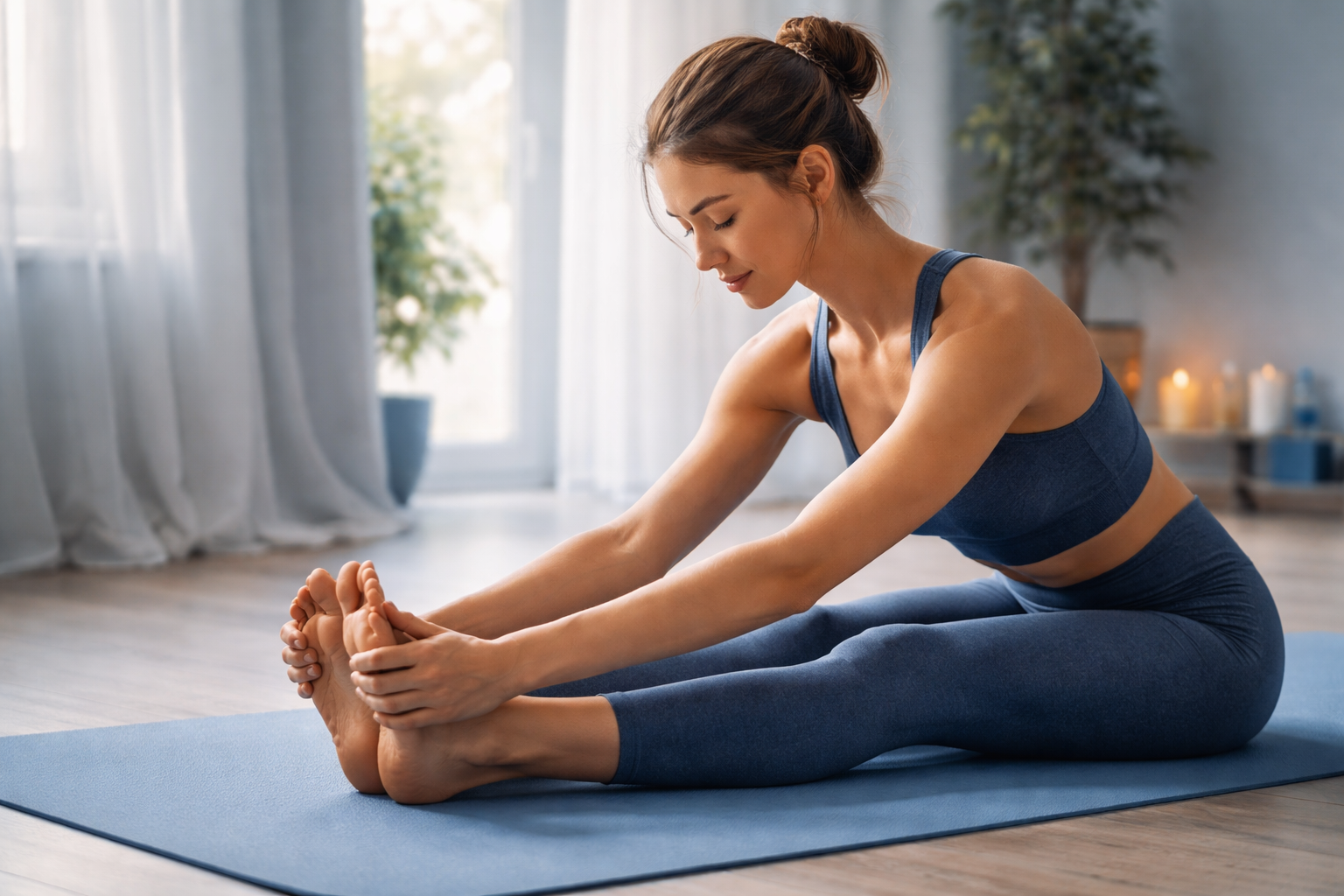
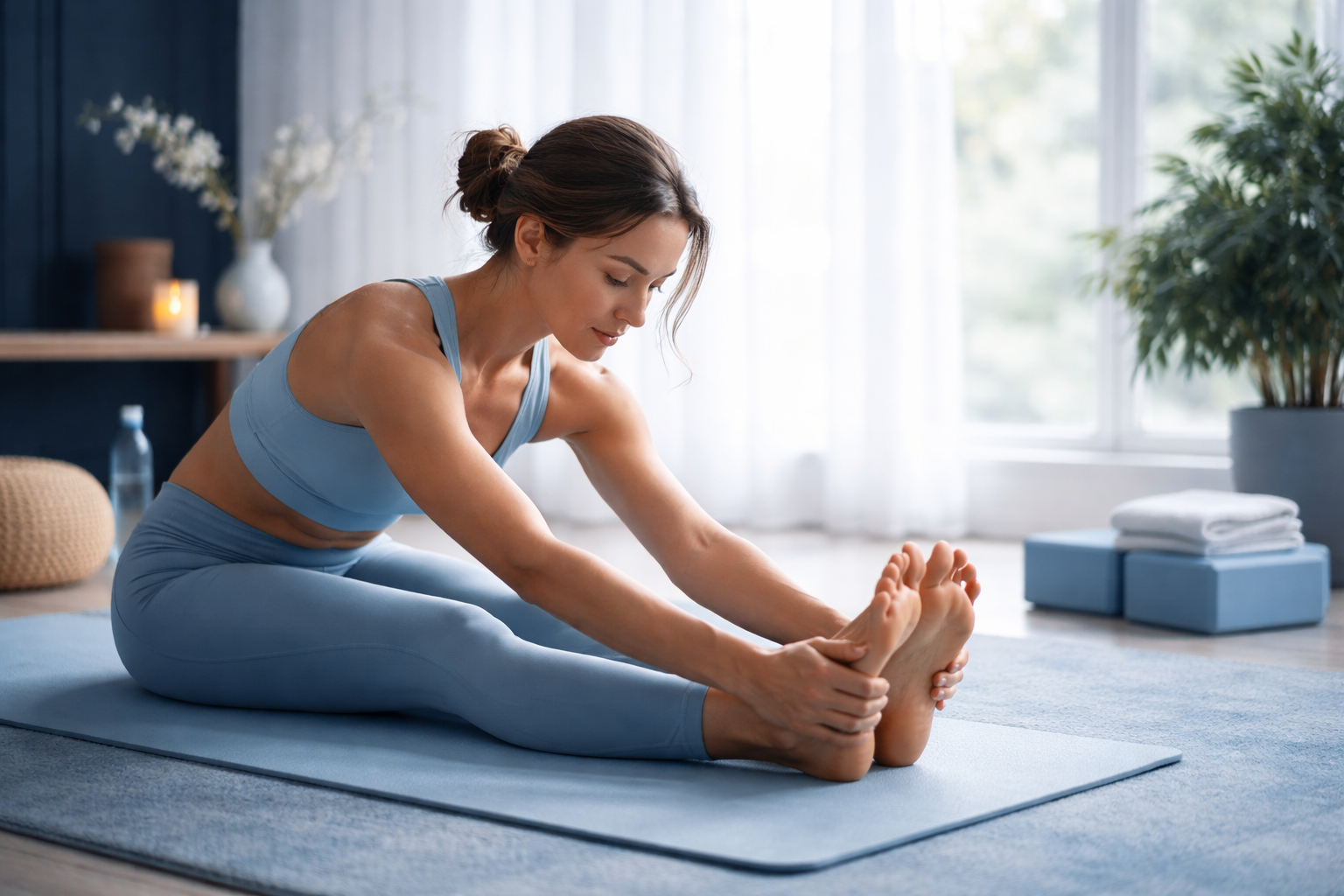
- Gentle movement: try neck rolls, shoulder circles, or a short stretching sequence for 3 to 5 minutes to release tension.
- Self-touch: a self-hug, hand over heart, or holding a warm mug can increase feelings of safety.
Sensory grounding and quick anchors
Grounding uses the senses to bring you back to the present. These are especially helpful when you are overwhelmed and need immediate relief.
- 5-4-3-2-1 method: name five things you see, four you feel, three you hear, two you smell, one you taste.
- Visual focus: find one calming color in your environment and study its details for one minute.
- Sound anchors: create a short playlist of three songs that calm you, and play one as a reset.
- Temperature cue: splash cool water on your wrists or hold a warm compress for immediate physical feedback.
Creative outlets for release
Creative activities provide safe expression without needing words. Choose options that feel doable in the moment.
- Quick sketching or coloring for sensory focus.
- Freewriting for five minutes to let feelings pour out.
- Movement like dancing or pacing while listening to music.
Practice self-compassion and process emotions
Comforting yourself often starts with the words you use. Self-compassion helps you acknowledge pain without adding shame.
Use gentle, validating language
- Try phrases such as I am struggling right now, this is hard, or I am doing the best I can in this moment.
- Talk to yourself as you would a friend: soften the inner critic and name the feeling, for example I feel anxious and that makes sense.
Mindfulness and safe emotional release
- Brief body scan: notice points of tension and breathe into them for two to three breaths.
- Catharsis options: if you need to cry, journal, or move, create a safe window to express without judgment.
- Allow thoughts to pass: imagine them floating by like clouds rather than fighting them.
Create a safe, soothing environment
Small changes to your surroundings can make self-comfort easier to access. Think of your space as a tool you can shape.
Comforting space elements
- Soft lighting, a cozy blanket, and a dedicated chair or corner that signals rest.
- Easy-access items: a favorite scent, a tactile object, or a predictable playlist kept where you can reach them quickly.
- Declutter one small area so the space feels calmer in moments of stress.
Rituals that anchor emotion
Rituals add meaning to ordinary acts and help you process feelings. Examples include a five-minute warm shower, a short tea ritual, or a two-minute breathing start to the day.
Build a personal comfort plan
Plan ahead so you know what to do when distress arrives. A simple template lets you act without second-guessing.
Match triggers to actions
- Identify common triggers (racing thoughts, exhaustion, loneliness) and list one fast action and one longer action for each.
- Fast action example: three deep breaths + grounding sound. Longer action: 20-minute walk or journaling session.
Practice and quick routine
Practice techniques when calm so they become automatic under stress. Use this five-minute routine as a starter for how to comfort yourself on short notice:
- Two minutes of diaphragmatic breathing.
- One self-compassion phrase aloud.
- One sensory anchor, such as holding a warm mug or listening to a calming track.
- Brief check-in: rate your intensity 1 to 10 and note whether you need more time or additional support.
Want guided templates and tools to build your plan? Explore product types and try a few tailored flows in our quizzes and exercises. If comforting yourself feels consistently hard, consider reaching out to a mental health professional for extra support.
Refine your personal comfort plan
You already have the basics: triggers, quick actions, and a starter routine. Now make your plan resilient and realistic. The goal is not to have a perfect script but a simple, trusted set of options you can reach for without thinking. That preparedness is what makes how to comfort yourself work when emotions spike.
Tailor actions by time and energy
Not every comfort action fits every moment. Build three tiers in your plan so you can choose by how much time or energy you have:
- One-minute fixes: hand on heart, single deep breath, sip of water.
- Five- to ten-minute resets: diaphragmatic breathing, a short grounding routine, a song from your calm playlist.
- Longer supports (20+ minutes): walk outside, a warm shower, journaling or creative expression.
Create a portable comfort kit
Keep a small kit you can use at home or take with you. The physical cue makes it easier to remember how to comfort yourself and reduces decision fatigue.
- A tactile item (small stone, stress ball)
- A scent (essential oil roller or tea sachet)
- A short printed script or affirmation you can read aloud
- Headphones and a calming playlist or an offline audio guide
Use a simple decision flow when you don’t know what’s wrong
If you feel off but can’t name it, follow a three-step mini-flow:
- Do a 30-second body scan and rate intensity 1 to 10.
- If intensity is 1 to 4, choose a one-minute fix. If 5 to 7, do a five-minute reset. If 8 or above, pick a longer support and consider reaching out to someone trusted.
- After the action, note what changed and whether you need another step.
Track outcomes and iterate
Record quick before/after notes so you learn what truly helps. A simple log with four fields is enough: trigger, action, intensity before, helpfulness rating. Over weeks you will see patterns and build a personalized toolkit for how to comfort yourself that actually works.
Scripts and short prompts you can use now
Having a few ready lines reduces the mental load of comforting yourself. Try these short scripts aloud or in your head:
- “I am here with this feeling. I will care for myself right now.”
- “This is hard. I am safe enough to slow down and breathe.”
- “I do not need to fix everything. I can take one small step.”
Know when to step up care
Self-comfort helps most everyday distress, but sometimes you need more. Consider professional help or immediate support if you notice persistent high intensity, loss of daily functioning, or thoughts of harm. Make a part of your plan a clear escalation path so you do not have to decide in the moment.
Want tools to build and test your comfort plan? Take the comfort plan quiz, explore tailored templates in product types, or try guided flows in our quizzes and exercises. Small, repeated practice makes how to comfort yourself faster and more effective over time.
Start today: create one three-tiered response for a single trigger, try it for a week, and adjust. The first step is simple readiness.
Frequently Asked Questions
What is the difference between self-care and self-comfort?
Self-care covers ongoing habits like sleep, exercise, and nutrition while self-comfort refers to immediate, on-the-spot actions you take to soothe distress. Learning how to comfort yourself gives you tools to manage moments of upset without replacing broader self-care routines.
Can self-comfort techniques replace professional therapy?
Self-comfort techniques are useful for everyday distress and early stress regulation, but they are not a replacement for professional therapy when symptoms are severe or persistent. If self-comfort does not reduce distress or if you struggle to function, seek professional guidance while continuing to use strategies for how to comfort yourself between sessions.
How can I make self-comfort a habit?
Make it simple and repeatable: pick one short routine, practice it when calm, and pair it with an existing habit like brushing your teeth or making morning coffee. Tracking quick outcomes helps you learn what works so how to comfort yourself becomes automatic over time.