
In today’s fast-paced world, many individuals appear successful and composed while silently battling an internal storm. This is often the reality for people with high functioning depression—a lesser-known yet equally serious form of depression that is often misunderstood or dismissed.
This comprehensive guide explores the symptoms of high functioning depression, how it differs from other types like major depressive disorder, and how to recognize it in yourself or others. Understanding this condition is a vital step toward better mental health, awareness, and healing.
What Is High-Functioning Depression?
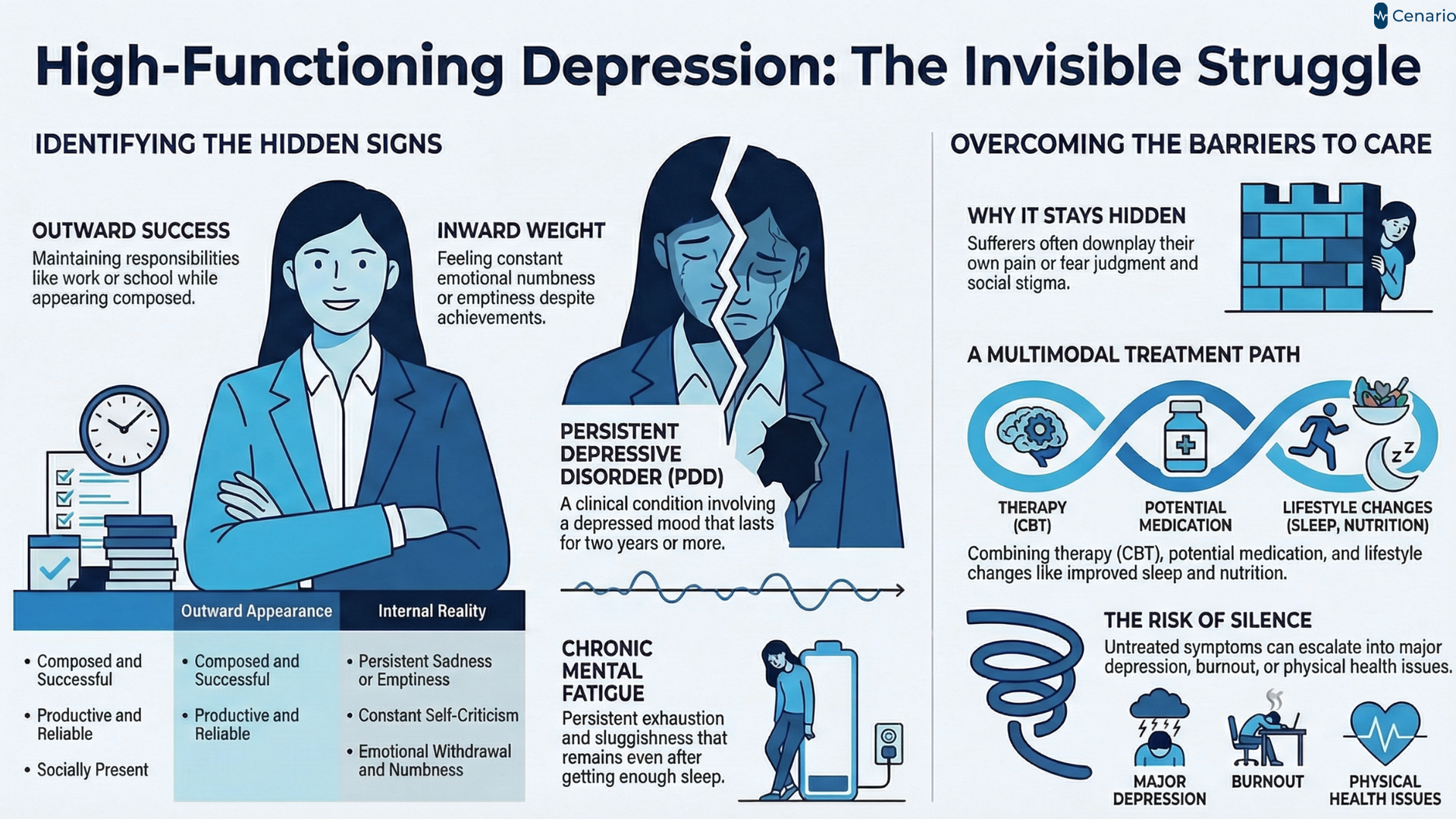
Though high-functioning depression is not a formal clinical diagnosis, it’s a commonly used term to describe individuals who experience chronic depressive symptoms while still managing to maintain their daily responsibilities, like work, school, caregiving, or relationships.
The term is closely associated with Persistent Depressive Disorder (PDD), formerly called dysthymia. This type of persistent depression involves a depressed mood that lasts for two years or more. Unlike major depression, which may cause noticeable disruptions to daily functioning, high-functioning depression can be more subtle but equally impactful.
Common Symptoms of High-Functioning Depression
Recognizing the signs of depression in high-functioning individuals can be tricky, as many people hide their pain well. Here are the most notable symptoms of high functioning depression:
1. Persistent Sadness or Emptiness
The person may seem “fine” but constantly feels a low-level emotional weight or emotional numbness that never fully goes away.
2. Loss of Interest in Daily Life
Activities that once brought joy may now feel meaningless. This includes hobbies, social gatherings, or even celebrating achievements.
3. Constant Self-Criticism
Despite functioning well, individuals often feel like they’re not doing enough or aren’t “good enough,” feeding a cycle of self-blame and low self-esteem.
4. Physical and Mental Fatigue
Even when getting enough sleep, they may feel drained and sluggish throughout the day. This ongoing exhaustion impacts focus, productivity, and emotional resilience.
5. Sleep and Appetite Changes
Trouble sleeping or oversleeping, along with changes in eating habits, are common signs of depression, including in high-functioning forms.
6. Emotional Withdrawal
Although people with high functioning depression may still socialize, there is often an emotional disconnect. They may feel isolated even when surrounded by friends and family.
7. Irritability or Frustration
Instead of showing visible sadness, some people express their inner turmoil through irritability, impatience, or sudden mood shifts.

Why High-Functioning Depression Is Often Overlooked
This condition is challenging to diagnose because individuals often:
- Appear outwardly successful or composed
- Downplay or dismiss their own emotional pain
- Avoid seeking help out of fear of judgment or stigma
- Believe their symptoms don’t meet the threshold for major depressive disorder
Unfortunately, untreated high-functioning depression can escalate into major depression, increase the risk of burnout, and negatively affect physical health.
The Impact on Daily Life
People with high functioning depression often experience:
- Difficulty finding motivation
- Struggles maintaining personal relationships
- Feeling emotionally drained by routine activities
- Guilt for not feeling “happy enough” despite apparent success
This emotional disconnect from daily life can worsen over time, especially without the support of health professionals.
Treatment Plans for High-Functioning Depression
Even if you’re functioning “well,” you deserve help. Effective treatment plans can include:
1. Therapy
Cognitive-behavioral therapy (CBT), talk therapy, or interpersonal therapy can help address underlying thought patterns and emotional blocks.
2. Medication
In some cases, antidepressants may be prescribed by a psychiatrist to help regulate mood and energy levels.
3. Lifestyle Changes
Improving sleep, exercise, and nutrition habits can support emotional balance. Self-care is crucial for managing long-term persistent depression.
4. Support Network
Talking with friends and family or joining support groups can reduce isolation and increase accountability.
Working with a mental health provider is key to creating a personalized and sustainable treatment approach.
Final Thoughts
High-functioning depression may not be loud, but it is deeply real. Just because someone can perform doesn’t mean they aren’t in pain. If you or someone you know shows symptoms of high functioning depression, take it seriously. Seeking help isn’t a weakness, it’s a step toward healing.
Take our quick quiz to get a personalized supplement recommendation designed to support mood, focus, and long-term mental wellness.
Start your journey toward feeling better, naturally and holistically.
Frequently Asked Questions
1. Is high-functioning depression the same as persistent depressive disorder?
Not quite. High-functioning depression is a general term used to describe someone who appears to cope well outwardly while struggling internally. Persistent Depressive Disorder (PDD) is the clinical term, marked by a depressed mood lasting at least two years. While symptoms often overlap, only PDD is formally diagnosable by a mental health professional.
2. Can high-functioning depression develop into major depression?
Yes. Without proper treatment, chronic low-level symptoms can intensify and lead to major depressive disorder, which involves more severe emotional and physical challenges. Early support can reduce this risk and improve long-term outcomes.
3. How can I support a loved one who might be struggling?
Start with compassion. Gently express your concerns and offer to listen without judgment. Encourage them to talk to a therapist or doctor, and remind them they don’t have to go through it alone. Even small gestures of support from friends and family can make a meaningful impact.