

Awareness of gut health is growing fast, and for good reason. More people now see gut balance as a cornerstone of overall well-being, not just a digestion issue. When the bacteria in your intestines are in the right proportion, many parts of your body benefit. That simple shift can improve digestion, sharpen mood, strengthen immunity, and help regulate metabolism.
Understanding gut balance
What gut balance means
Gut balance describes the equilibrium between beneficial and potentially harmful microbes in the gut microbiome. A balanced gut microbiome supports nutrient absorption, keeps inflammation in check, and helps produce metabolites that feed your cells. When this balance tilts toward harmful species, common issues like bloating, irregular bowel habits, low energy, and even mood changes may follow.
Why gut balance matters for daily life
Good gut balance influences more than digestion. It plays a role in immune training, blood sugar control, and how your brain feels. Short-chain fatty acids that arise from healthy bacteria have downstream effects on metabolic health and inflammation. That connection explains why people who focus on microbiome balance often report better energy, clearer thinking, and fewer chronic symptoms.
Personalized approaches are rising
No single plan fits everyone. Interest in personalized nutrition and lifestyle changes for gut balance is strong because genetics, diet, medications, and stress shape each person’s microbial mix. Practical steps like increasing diverse fibers, adding fermented foods, and managing stress are common starting points. For tailored recommendations, healthcare providers or a registered dietitian can guide choices based on symptoms and testing.
Synonyms and related terms to know
* Microbiome balance
* Balanced gut harmony
* Healthy gut ecosystem
* Gut microbiome balance for digestion
In part two we’ll dive into how the microbiome works, the role of short-chain fatty acids, and evidence-based ways to restore gut balance through diet, targeted probiotics and prebiotics, and lifestyle changes. For now, understanding the concept and why it matters is the first step toward lasting health improvementsz
How the gut microbiome supports overall health
The microbes in your gut do more than help you digest food. They produce metabolites that feed intestinal cells, shape immune responses, and influence hormones that affect appetite and mood. Short-chain fatty acids such as acetate and butyrate are key outputs of fiber fermentation. These compounds help regulate blood sugar, strengthen the gut barrier, and reduce low-grade inflammation that can worsen metabolic and cardiovascular risk.
Key mechanisms behind gut balance
Metabolite production: SCFAs are produced when diverse fibers are fermented. They supply energy for colon cells and signal to distant organs.
Barrier integrity: Certain bacteria stimulate mucus and tight-junction proteins, limiting harmful bacteria from entering circulation.
Immune modulation: A balanced microbiome helps calibrate immune activity, lowering chronic inflammatory signals linked to disease.
Neural signaling: Microbial metabolites influence vagal pathways and neurotransmitter precursors, shaping mood and stress responses.
Practical dietary strategies to restore gut balance
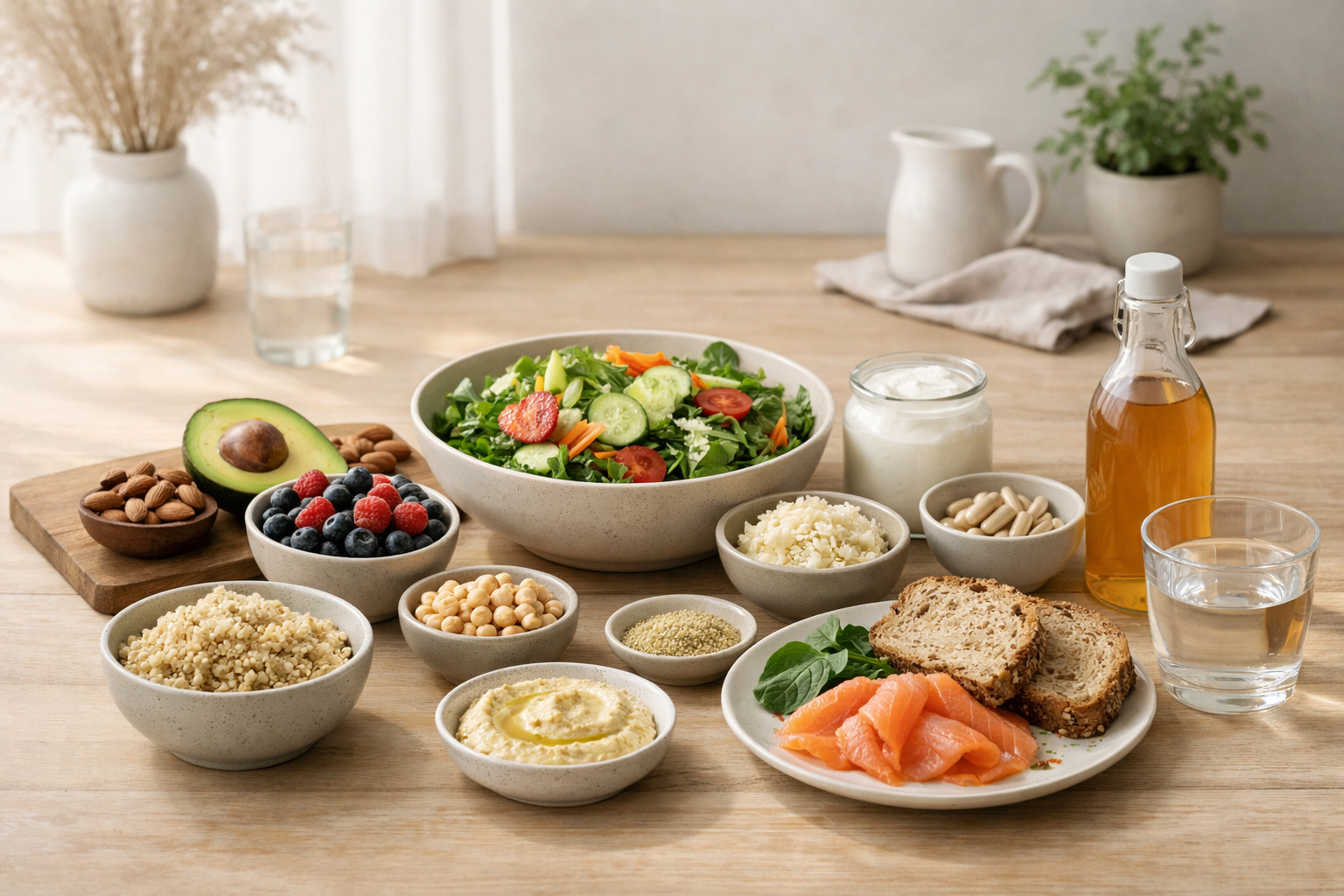
Small, consistent dietary changes often yield the largest shifts in microbiome composition. Aim for variety rather than single “superfoods.” A mix of fermentable fibers, fermented foods, and polyphenol-rich ingredients creates an environment that favors beneficial species.
What to include daily
* Multiple types of fiber from whole grains, legumes, vegetables, and fruits to feed different bacterial groups.
* Fermented foods like yogurt, kefir, tempeh, and sauerkraut for live cultures and potential digestive benefits.
* Resistant starch sources such as cooled potatoes, green bananas, and certain whole grains to boost butyrate production.
* Foods rich in polyphenols such as berries, cocoa, and green tea that selectively support beneficial microbes.
Probiotics, prebiotics, and targeted supplements
When diet alone is not enough, targeted supplements can help restore gut balance. Probiotics are live microorganisms that may improve symptoms like irregular stools or bloating when chosen correctly. Prebiotics are fermentable compounds that selectively feed helpful microbes. Combining the two into a synbiotic may amplify effects in some people.
Choosing effective products
* Look for products with clinically studied strains and clearly labeled colony-forming unit counts.
* Strain matters. Different strains show benefits for digestion, immune markers, or metabolic outcomes.
* Timing can influence survival. Some strains perform better when taken with food; check product instructions.
* Consider multi-strain formulations when dealing with multiple symptoms, but consult a clinician for complex conditions.
Lifestyle habits that reinforce gut balance
Diet and supplements work best when paired with supportive habits. Chronic stress, poor sleep, and sedentary behavior can shift the microbiome toward less favorable profiles. Simple, evidence-aligned steps can help maintain gains made through nutrition.
Daily habits to prioritize
1. Manage stress with breathwork, short mindfulness sessions, or social connection to reduce gut-brain tension.
2. Move regularly. Moderate exercise promotes microbial diversity and improves metabolic signals.
3. Sleep consistently. Irregular or insufficient sleep alters microbial rhythms and may impair recovery.
4. Avoid unnecessary antibiotics and ultra-processed, high-sugar foods that damage microbial diversity.
Putting it together: a balanced plan
Restoring gut balance is a process. Start with food diversity and fiber, add fermented foods, and use evidence-backed supplements when needed. Track changes in symptoms and energy, and involve a healthcare professional for persistent or severe issues. Tailored approaches tend to be most effective because individual microbiomes respond differently.
If you want personalized next steps, try Cenario quiz to identify priorities and product matches that may help support balanced gut harmony.
Scientific perspectives on gut balance
Recent research expands how we think about gut balance beyond digestion. The gut microbiome communicates with the brain, influences immune signaling, and helps set metabolic tone. Microbial metabolites such as short-chain fatty acids support gut barrier function, lower low-grade inflammation, and send biochemical signals that reach distant organs. Those pathways help explain links between gut balance and conditions like insulin resistance, obesity, and cardiovascular risk.
How the gut brain axis shapes mood and cognition
Microbes affect mood through multiple routes. They produce precursors for neurotransmitters, modulate vagal nerve signaling, and change circulating inflammatory markers that influence brain function. Small clinical studies show that improving gut balance with dietary fiber, fermented foods, or targeted probiotics can reduce anxiety symptoms for some people. These findings are encouraging but also highlight variability. Individual response depends on baseline microbiota, diet, and lifestyle.
Role of microbes in reducing inflammation and chronic disease risk
Balanced microbial communities help maintain a strong intestinal barrier and prevent unintended immune activation. When microbial diversity falls and harmful species rise, bacterial components can trigger systemic inflammation. Over time, chronic inflammation contributes to metabolic disruption and vascular damage. Practical approaches that restore gut balance aim to increase beneficial SCFA producers and reduce inflammation without promising instant solutions.
Practical tips to maintain gut balance
Focus on consistent, manageable steps rather than quick fixes. Small habits sustained over weeks produce measurable shifts in microbial composition and symptom relief for many people.
* Rotate fibers: Introduce a wide range of plant fibers across the week. Think legumes one day, cruciferous vegetables another, oats and fruit on other days. Diversity feeds different bacterial groups.
* Introduce fermented foods slowly: Start with a tablespoon of yogurt or kefir per day or small servings of sauerkraut. Increase gradually to monitor tolerance.
* Use targeted prebiotics with caution: Foods like garlic, onions, leeks, and bananas feed beneficial bacteria but may cause gas for sensitive people. Try small portions and track symptoms.
* Trial a probiotic thoughtfully: Choose a product with documented strains for your goal, follow the label, and give it 4 to 8 weeks to evaluate effects. If needed, consult a clinician before continuing.
* Track changes: Keep a simple diary of meals, sleep, stress, and bowel habits to see what shifts your gut balance and symptoms.
* Practical travel and social tips: Pack shelf-stable fermented snacks, prioritize fiber-rich meals, and aim for sleep consistency on trips to protect gut balance.

Restoring gut balance
Restoration is a stepwise process. Start by adding fiber diversity and one fermented food, adjust lifestyle factors like sleep and movement, and consider a targeted supplement if symptoms persist. Monitor how you feel and seek personalized advice for complex concerns or chronic conditions.
Ready to take control of your gut balance? Begin with small changes today and track progress over several weeks. If you would like tailored guidance, our quiz and guides can point you to practical next steps.
Take Cenario quiz now!
Frequently Asked Questions
How long does it take to see changes in gut balance?
Some people notice symptom shifts within a few days to weeks after adding fiber and fermented foods, while measurable microbiome changes often take four to twelve weeks. The rate of change in gut balance depends on diet, medications, sleep, and baseline microbiota.
Can gut balance affect my sleep and energy levels?
Yes. Gut balance influences production of metabolites and inflammatory signals that interact with sleep regulation and energy metabolism. Improving gut balance through diet and habits can lead to steadier energy and better sleep for many people.
Is microbiome testing useful for guiding gut balance changes?
Microbiome testing can offer insights about diversity and specific bacterial groups, but results are best used alongside clinical evaluation. Testing may inform personalized strategies to improve gut balance, especially when symptoms persist despite basic dietary and lifestyle steps.