
Surviving a suicide attempt is a life-changing experience. It can bring a mix of emotions, relief, shame, confusion, fear, gratitude, or even numbness. For many survivors, the journey after an attempt is not simple. It takes time, patience, and support to heal. But recovery is possible. With the right care and understanding, survivors can rebuild their lives and rediscover hope.
This blog post explores what recovery looks like, the importance of support, and how hope can grow even after deep pain.
Read more and take a deeper dive into recovery insights, coping strategies, and expert-backed resources in our Knowledge Hub.
Understanding the Aftermath of a Suicide Attempt
After surviving a suicide attempt, a person may experience physical, emotional, and psychological effects. These can include:
- Feelings of guilt or embarrassment
- Fear of being judged
- Anxiety about the future
- Depression or ongoing suicidal thoughts
- Physical injuries or health complications
It’s important to understand that these reactions are common. Surviving an attempt does not mean the pain instantly disappears. In many cases, the emotional struggles that led to the attempt still need to be addressed.
Healing begins with recognizing that survival itself is significant. It is an opportunity for change and recovery.
The Importance of Medical and Mental Health Care
After a suicide attempt, professional care is often essential. This may include:
1. Medical Treatment
Immediate medical attention helps address any physical harm caused by the attempt. Follow-up care ensures long-term health and safety.
2. Therapy and Counseling
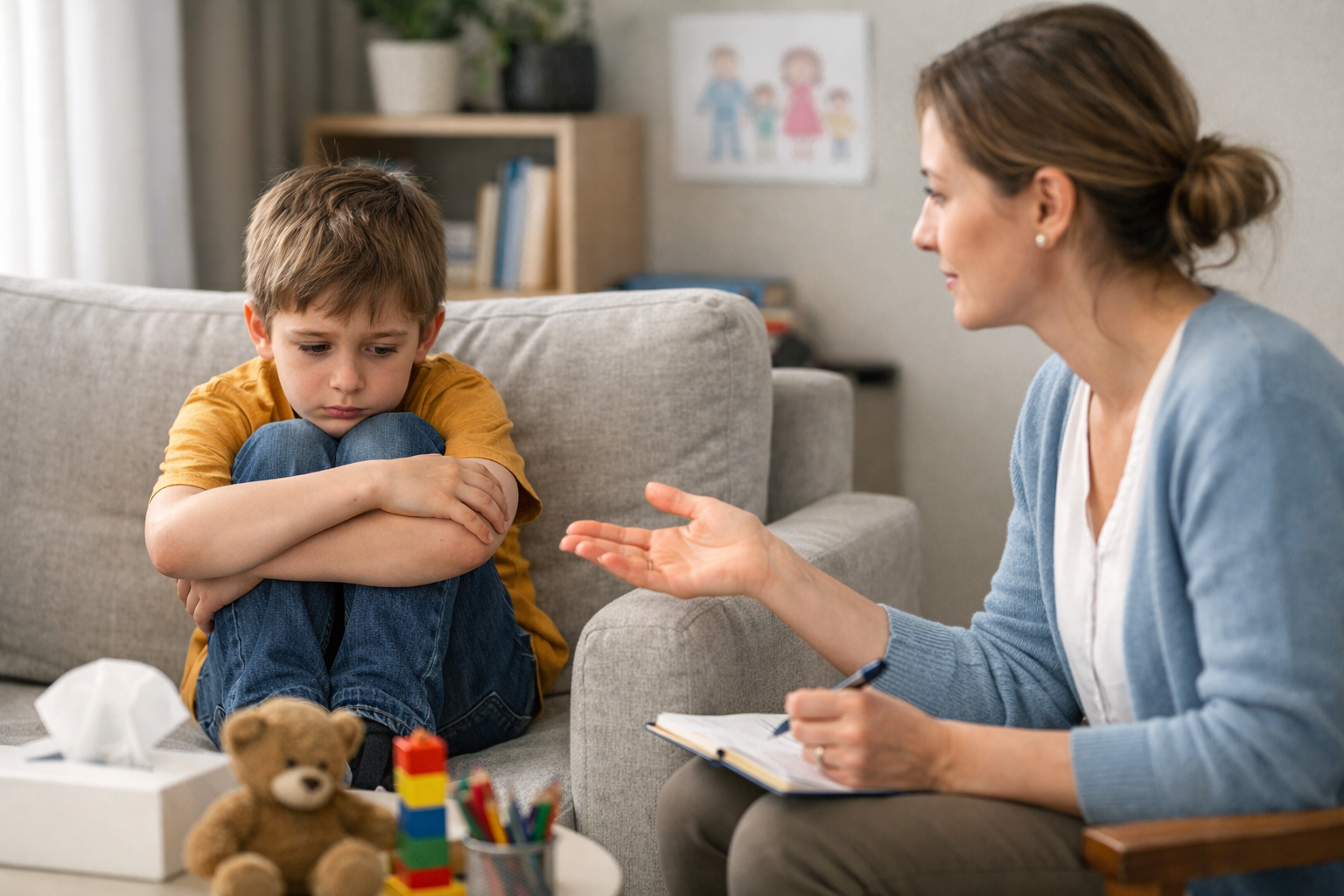
Talking with a licensed mental health professional can help survivors understand the thoughts and feelings that led to the attempt. Therapy provides tools for coping with stress, depression, trauma, or other underlying conditions.
Common therapy approaches include:
- Cognitive Behavioral Therapy (CBT)
- Dialectical Behavior Therapy (DBT)
- Trauma-focused therapy
3. Medication
In some cases, doctors may prescribe medication to treat depression, anxiety, bipolar disorder, or other mental health conditions.
Getting professional help is not a sign of weakness. It is a step toward strength and stability.
Building a Support System
No one should go through recovery alone. Support from others can make a powerful difference.
Family and Friends
Loved ones may not always know what to say, but their presence matters. Honest conversations, patience, and understanding help create a safe environment for healing.
If you are supporting a survivor:
- Listen without judgment
- Avoid blaming or shaming
- Encourage professional help
- Check in regularly
Support Groups
Connecting with others who have survived suicide attempts can reduce feelings of isolation. Hearing similar stories reminds survivors that they are not alone.
Coping Strategies for Recovery
Recovery is a process, not a quick fix. Healthy coping strategies can help survivors manage difficult emotions.
1. Creating a Safety Plan
A safety plan outlines steps to take if suicidal thoughts return. It may include:
- Warning signs to watch for
- Coping strategies
- Contact information for trusted people
- Crisis hotline numbers
2. Developing Healthy Habits
Small changes can support mental health:
- Regular sleep
- Balanced nutrition
- Physical activity
- Limiting alcohol or drug use
3. Expressing Emotions
Writing in a journal, creating art, or talking openly about feelings can help release emotional pressure.
4. Practicing Self-Compassion
Many survivors struggle with shame. It’s important to replace self-criticism with kindness. Surviving means there is still a chance for growth, healing, and new beginnings.
Finding Meaning and Hope
One of the most powerful parts of recovery is discovering meaning after survival. For some, this may include:
- Strengthening relationships
- Pursuing education or career goals
- Volunteering or helping others
- Advocating for mental health awareness
Survivors often develop deeper empathy and resilience. The experience, while painful, can lead to personal growth and a renewed appreciation for life.
Hope does not always appear suddenly. Sometimes it begins as a small decision, to seek help, to try again, or to stay one more day. Over time, that small decision can grow into lasting change.

Reducing Stigma Around Suicide Attempts
Many survivors stay silent because of stigma. Society often misunderstands suicide and mental health struggles. We must shift the conversation from blame to compassion.
Mental health conditions are real and treatable. Talking openly about suicide prevention and recovery saves lives. When survivors share their stories, they help others feel less alone.
When to Seek Immediate Help
If you or someone you know is experiencing thoughts of suicide or feeling unsafe, immediate help is available. In the United States, you can call or text 988, the Suicide and Crisis Lifeline. If you are outside the U.S., local emergency services or crisis hotlines in your country can provide support.
Reaching out in a crisis can feel difficult, but it can be lifesaving.
A Message to Survivors
If you are a suicide attempt survivor, your life has value. Surviving means there is still time for healing, change, and connection. Recovery may not be easy, but you are not alone, and your story is not over.
Each day forward is a step toward strength. Hope may start small, but it can grow brighter with support, care, and courage.
You matter. Your life matters. And recovery is possible.
Final Thoughts
Recovering after a suicide attempt is not about becoming “perfect” or never struggling again. It is about learning new ways to cope, building stronger support systems, and choosing, again and again to keep going. Healing does not happen overnight. Some days will feel heavier than others. But progress is still progress, even when it feels small.
Survival is not the end of the story. It is the beginning of a new chapter. With professional care, supportive relationships, and daily self-care practices, survivors can move from simply surviving to truly living.
If you are walking this path, remember: asking for help is courage. Staying is courage. Healing is courage.
And courage grows stronger with support.
Take the Next Step Toward Supporting Your Mental Wellness
While therapy, medical care, and strong relationships are the foundation of recovery, overall wellness also plays an important role in mental health. Proper nutrition, balanced habits, and supportive supplements (when recommended by a healthcare provider) can contribute to improved mood, energy, and resilience.
If you’re interested in learning how nutritional support may fit into your wellness journey, consider taking our Personalized Supplement Recommendation Quiz.
What You’ll Get:
- A customized supplement recommendation based on your lifestyle and needs
- Guidance designed to support mood balance, stress management, and overall wellness
- Simple, science-informed suggestions to complement not replace professional care
Your mental health journey is personal. Your wellness plan should be too.
Take the quiz today and discover personalized supplement recommendations designed just for you.
Because supporting your mind and body together can make a meaningful difference.
Frequently Asked Questions
1. Is it normal to still have suicidal thoughts after surviving an attempt?
Yes, it can be normal. Surviving a suicide attempt does not automatically make suicidal thoughts disappear. Many people continue to struggle for some time. What matters most is not facing those thoughts alone. Ongoing therapy, a safety plan, and regular check-ins with a mental health professional can help reduce the intensity and frequency of these thoughts over time. If thoughts become overwhelming or feel unsafe, immediate support from a crisis hotline or emergency services is important.
2. How can family and friends best support a suicide attempt survivor?
Support begins with listening without judgment. Avoid blaming, criticizing, or minimizing their feelings. Instead, offer patience, understanding, and consistent check-ins. Encourage professional help and remind them that recovery is a process. Small gestures, like sending a message, spending time together, or simply asking how they are doing, can make a powerful difference.
3. How long does recovery take after a suicide attempt?
Recovery looks different for everyone. Some people begin feeling better within weeks with proper treatment, while others may need months or longer to stabilize and heal. Factors such as access to therapy, medication, support systems, and personal circumstances all play a role. Healing is not linear, there may be setbacks, but steady support and professional care greatly improve long-term outcomes.