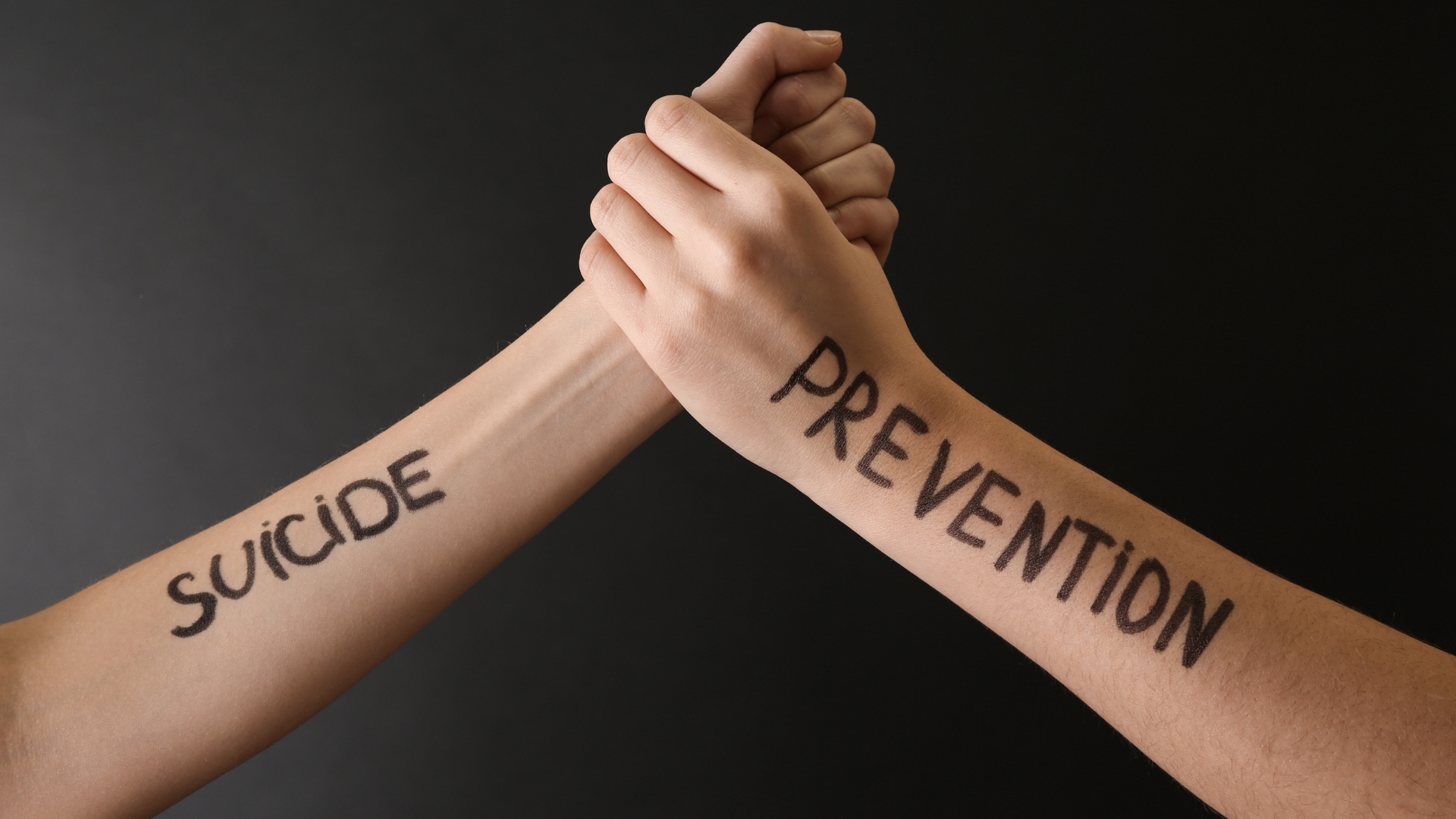

In today’s fast-paced digital world, where social media pressures and personal struggles often go unnoticed, mental health has become a growing concern. Depression, one of the leading causes of suicidal thoughts, is increasingly prevalent, yet still widely misunderstood. For a deeper understanding of depression’s impact on mental well-being, you can explore Cenario’s [knowledge hub].
Suicide is not simply a response to one issue, it’s often the result of compounded emotional pain, stigma, and lack of accessible health care. But here’s the truth: suicide is preventable. With timely awareness, compassionate support, and early action, we can make a lasting difference in the lives of those who are struggling.
Understanding the Scope of the Crisis
Every year, nearly 700,000 people die by suicide, according to the World Health Organization. It’s the fourth leading cause of death among individuals aged 15–29, yet suicide affects people of all ages and backgrounds.
Suicide often stems from a mix of factors, including mental illness, trauma, substance abuse, social isolation, and more recently, the pressures of social media and online harassment. These platforms, while helpful for connection, can sometimes worsen feelings of inadequacy, comparison, and cyberbullying, all of which can harm mental health.
The Importance of Awareness in Suicide Prevention
Raising mental health awareness is the first and most powerful step in suicide prevention. Education helps identify signs that someone may be struggling, allowing timely intervention.
Common Warning Signs of Suicide:
- Talking about feeling hopeless or being a burden
- Withdrawing from social circles or hobbies
- Sleeping too much or too little
- Drastic mood swings or behavioral changes
- Increased use of drugs or alcohol
- Expressing thoughts of death, dying, or self-harm on social media
Recognizing these signs and taking them seriously can literally save lives.
Support Systems: Everyone Has a Role
You don’t need to be a mental health professional to make a difference. Being present, listening, and showing compassion are some of the most powerful tools you have.
Ways to Offer Support:
- Start a conversation: “I noticed you haven’t seemed like yourself. Do you want to talk?”
- Be a nonjudgmental listener: Let them speak freely, without trying to “fix” everything.
- Encourage professional help: Offer to assist them in finding a therapist, doctor, or health care provider.
- Share resources: Point them to trusted crisis lines, mental health organizations, or community support groups.
- Monitor social media: Sometimes individuals express suicidal thoughts indirectly through posts, memes, or comments. Don’t ignore these signals.
Early Action and the Role of Health Care
Early mental health screening and open conversations during routine health care visits can play a significant role in prevention. Doctors, nurses, and therapists are often the first point of contact, and when trained to ask the right questions, they can detect distress early.
More health care systems are now integrating mental health checks into primary care, offering better access to therapy, crisis support, and follow-ups. Alongside professional support, personalized wellness strategies can also make a difference, you can take the Cenario quiz to get personalized supplement recommendations designed to support your mental well-being and discover options tailored to your needs.
Breaking the Stigma Around Mental Health
The stigma around suicide and mental illness can be deadly. Many people are afraid to ask for help because they worry about being labeled or judged.
But it’s time to treat mental health like any other health issue, with empathy, seriousness, and support. Talking openly about depression, anxiety, suicidal thoughts, or burnout reduces stigma and encourages others to seek help before it’s too late.
Resources That Can Help
If you or someone you know is struggling, don’t wait. Help is available 24/7 from the following:
- National Suicide Prevention Lifeline (USA): Dial 988
- Crisis Text Line: Text HOME to 741741
- Lifeline (Australia): 13 11 14
- Samaritans (UK): Call 116 123
Many health care providers also offer crisis support or emergency mental health appointments.
Conclusion: We All Have a Role to Play
Suicide prevention begins with awareness and grows through compassion. By watching for signs, offering support, and encouraging early action through health care systems or community services, we can build a world where mental health is prioritized, and no one has to suffer in silence.
Whether you’re a parent, teacher, friend, or even an online follower, you could be someone’s lifeline.
“Let us remain present, speak with intention, and advocate for the importance of mental health.”
Take our short quiz Quizto get a personalized supplement recommendation designed to support your mood, focus, and emotional well-being, because your mental health deserves care, too.
Frequently Asked Questions
1. Can social media impact mental health and increase suicide risk?
Yes. While social media can be a positive outlet for connection, it can also contribute to feelings of loneliness, anxiety, and low self-esteem. Cyberbullying and harmful content can increase the risk of suicidal thoughts, especially among teens.
2. What should I do if someone posts suicidal messages on social media?
Take it seriously. Reach out privately, express concern, and encourage them to seek help. You can also report the content to the platform, most have emergency response protocols to support users in crisis.
3. How can health care professionals help with suicide prevention?
Doctors and therapists can screen for depression, anxiety, and suicidal thoughts during regular checkups. Health care systems also provide therapy, psychiatric evaluations, and referrals to crisis services.