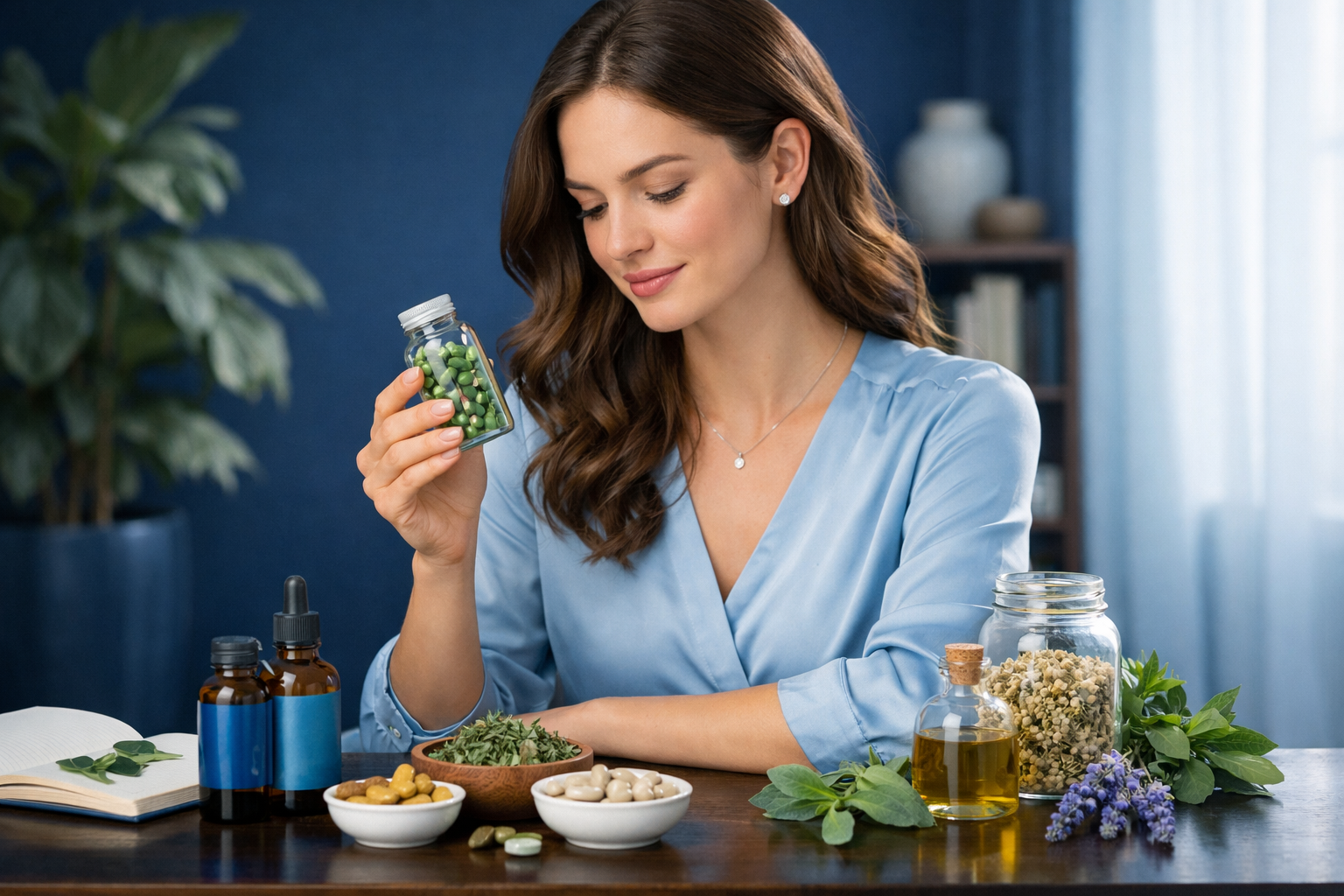

In recent years, there has been a growing interest in exploring natural alternatives for managing depression. Many individuals are turning towards nature-derived solutions, seeking to harness the power of natural antidepressants to support mental health. This shift is driven by a desire to find effective treatments with fewer side effects compared to conventional medications.
Understanding Depression and Its Challenges
Depression is a prevalent mental health condition that affects millions of people worldwide. It can significantly impact daily life, causing symptoms such as persistent sadness, loss of interest in activities, and fatigue. While conventional antidepressants are commonly prescribed, they often come with a range of side effects, including weight gain, insomnia, and sexual dysfunction. Additionally, these medications may not be effective for everyone, prompting many to seek alternative solutions.
The Appeal of Natural Antidepressants
Natural antidepressants are gaining attention as promising alternatives or complements to traditional treatments. These options are often perceived as safer and more holistic, aligning with a broader trend towards integrative health approaches. By focusing on natural remedies, individuals hope to manage their symptoms effectively while minimizing adverse effects.
The Purpose of This Exploration
This blog post aims to explore the most effective natural antidepressants, supported by scientific evidence. We will delve into various options, examining their potential benefits and considerations. Our focus will include well-researched remedies such as St. John’s Wort, omega-3 fatty acids, saffron, probiotics, vitamin D, lavender, and SAMe. Each of these options offers unique benefits, and understanding their efficacy and safety is crucial for anyone considering them as part of their mental health strategy.
By shedding light on these natural alternatives, we aim to provide valuable insights for individuals seeking to enhance their mental well-being. Whether used alone or in conjunction with conventional treatments, natural antidepressants offer a promising avenue for those looking to improve their mental health naturally and safely. As we continue, we will explore the evidence supporting these remedies, helping you make informed decisions about your mental health journey.
Not sure what applies to you?
Use the Cenario quiz to narrow options before making changes.
Exploring Effective Natural Antidepressants
St. John’s Wort: A Time-Tested Remedy
St. John’s Wort has long been recognized for its potential to alleviate symptoms of mild-to-moderate depression. Numerous clinical trials have shown its effectiveness, often comparing it favorably to selective serotonin reuptake inhibitors (SSRIs). However, it’s crucial to be aware of its interactions with other medications, which can be significant. Consulting with a healthcare provider is essential before incorporating this herb into your regimen.
Traditionally, St. John’s Wort has been used in various cultures for its mood-enhancing properties. Today, it remains a popular choice for those seeking natural alternatives to conventional antidepressants.
Omega-3 Fatty Acids: Supporting Brain Health
Omega-3 fatty acids, commonly found in fish oil, have shown moderate efficacy in supporting mental health, particularly for individuals experiencing mild depressive symptoms. These essential fats are believed to improve brain function and possess anti-inflammatory properties, which may contribute to their mood-stabilizing effects.
While omega-3s are beneficial for overall health, their effectiveness in treating major depression is less consistent. They are often used in conjunction with other treatments to enhance their benefits.
Saffron: A Spice with Mood-Boosting Potential
Saffron, a spice derived from the Crocus sativus flower, is gaining recognition for its antidepressant properties. Emerging studies suggest that saffron may be as effective as conventional antidepressants, possibly due to its ability to modulate serotonin levels in the brain.
Traditionally used in various cultures for its culinary and medicinal properties, saffron is now becoming a popular natural remedy for depression, offering a promising alternative for those seeking non-pharmaceutical options.
Probiotics: The Gut-Brain Connection
The gut-brain axis is a burgeoning area of research, with probiotics playing a crucial role in this connection. Emerging evidence indicates that maintaining a healthy gut microbiome can positively impact mood and mental health.
Probiotics may serve as an adjunctive therapy, complementing other treatments to enhance their overall effectiveness. They offer a novel approach to managing depression by targeting gut health.
Vitamin D: The Sunshine Vitamin
Vitamin D is essential for overall health, and its deficiency has been linked to depressive symptoms. Supplementation can be particularly beneficial for individuals with low levels of this vitamin, helping to improve mood and mental well-being.
It’s important to follow recommended dosages and consult with a healthcare provider to ensure safe and effective use of vitamin D supplements.
Lavender: Calming and Uplifting
Lavender is well-known for its anxiolytic and antidepressant effects. Moderate evidence supports its use in alleviating symptoms of anxiety and depression, making it a popular choice for those seeking natural remedies.
Historically, lavender has been used for its calming properties, and today it is available in various forms, such as essential oils and teas, to support mental health.
SAMe: A Biochemical Support
S-adenosyl methionine (SAMe) is a naturally occurring compound in the body that plays a role in various biochemical processes, including mood regulation. Evidence suggests that SAMe can be effective as a monotherapy or in combination with other treatments for depression.
Understanding its synthesis pathways and effects on mood can help individuals make informed decisions about incorporating SAMe into their mental health strategy.
Other Natural Candidates
In addition to the well-researched options, several other natural candidates show promise in supporting mental health. These include folic acid, zinc, tryptophan, rhodiola, lemon balm, chamomile, and bitter orange. While evidence for these supplements is still emerging, they offer potential benefits for those exploring natural antidepressants.
Exercise: A Powerful Lifestyle Medicine
Exercise is a highly effective natural antidepressant, often equated with conventional medications in terms of its impact on mental health. Regular physical activity is known to boost mood, reduce anxiety, and improve overall well-being.
Incorporating exercise into a mental health strategy can complement other treatments, enhancing their effectiveness and providing a holistic approach to managing depression.
By considering these natural antidepressants, individuals can explore a range of options to support their mental health. It’s essential to consult with healthcare providers to ensure safe and effective integration of these remedies into a comprehensive mental health strategy.
Integrating Natural Antidepressants Safely
Combining natural antidepressants with conventional treatments can offer a holistic approach to managing depression. However, it is crucial to emphasize the importance of professional guidance when integrating these remedies into one’s mental health regimen. Consulting with healthcare providers ensures that any potential interactions, especially with supplements like St. John’s Wort, are carefully managed.
Safety Warnings and Considerations
Natural antidepressants, while generally perceived as safer, can still pose risks if not used correctly. St. John’s Wort, for instance, is known for its significant drug interactions, which can affect the efficacy of other medications. Therefore, it is essential to discuss any natural supplement use with a healthcare provider to ensure safety and avoid adverse effects.
Practical Guidance for Choosing Natural Antidepressants
Selecting the right natural antidepressant involves considering efficacy, safety, and personal health conditions. Individuals should evaluate the scientific evidence supporting each option and assess their own health needs. For example, those with a vitamin D deficiency might benefit from supplementation, while others might find relief with omega-3 fatty acids or probiotics.
Consulting with Healthcare Providers
Before starting any natural antidepressant, it’s vital to have a conversation with a healthcare provider. This ensures that the chosen remedy aligns with one’s overall health strategy and does not interfere with existing treatments. Professional guidance helps tailor an effective and safe approach to using natural antidepressants.
Get your personalized starting point
Take the Cenario quiz to identify what fits your needs.
Frequently Asked Questions
What are the most effective natural antidepressants?
The most effective natural antidepressants include St. John’s Wort, omega-3 fatty acids, and saffron. These options have strong evidence supporting their efficacy in alleviating symptoms of depression, particularly mild-to-moderate cases.
Are natural antidepressants safe to use?
Natural antidepressants are generally safe when used correctly, but it is crucial to consult healthcare providers due to potential interactions with medications. For instance, St. John’s Wort can interact with various drugs, affecting their effectiveness.
Can natural antidepressants replace conventional medications?
Natural antidepressants are best used as complementary treatments rather than replacements for conventional medications, especially in cases of major depression. They can enhance the overall treatment strategy but should not be solely relied upon for severe depression.
How long does it take for natural antidepressants to work?
The time it takes for natural antidepressants to work can vary. Some individuals may notice improvements within a few weeks, while others might require a longer period. It is essential to have patience and consult with healthcare providers to monitor progress.
What are the potential side effects of natural antidepressants?
Potential side effects of natural antidepressants vary depending on the supplement. St. John’s Wort may cause sensitivity to sunlight and digestive issues, while omega-3 fatty acids can lead to mild gastrointestinal discomfort. Always consult a healthcare provider to understand specific side effects and ensure safe use.