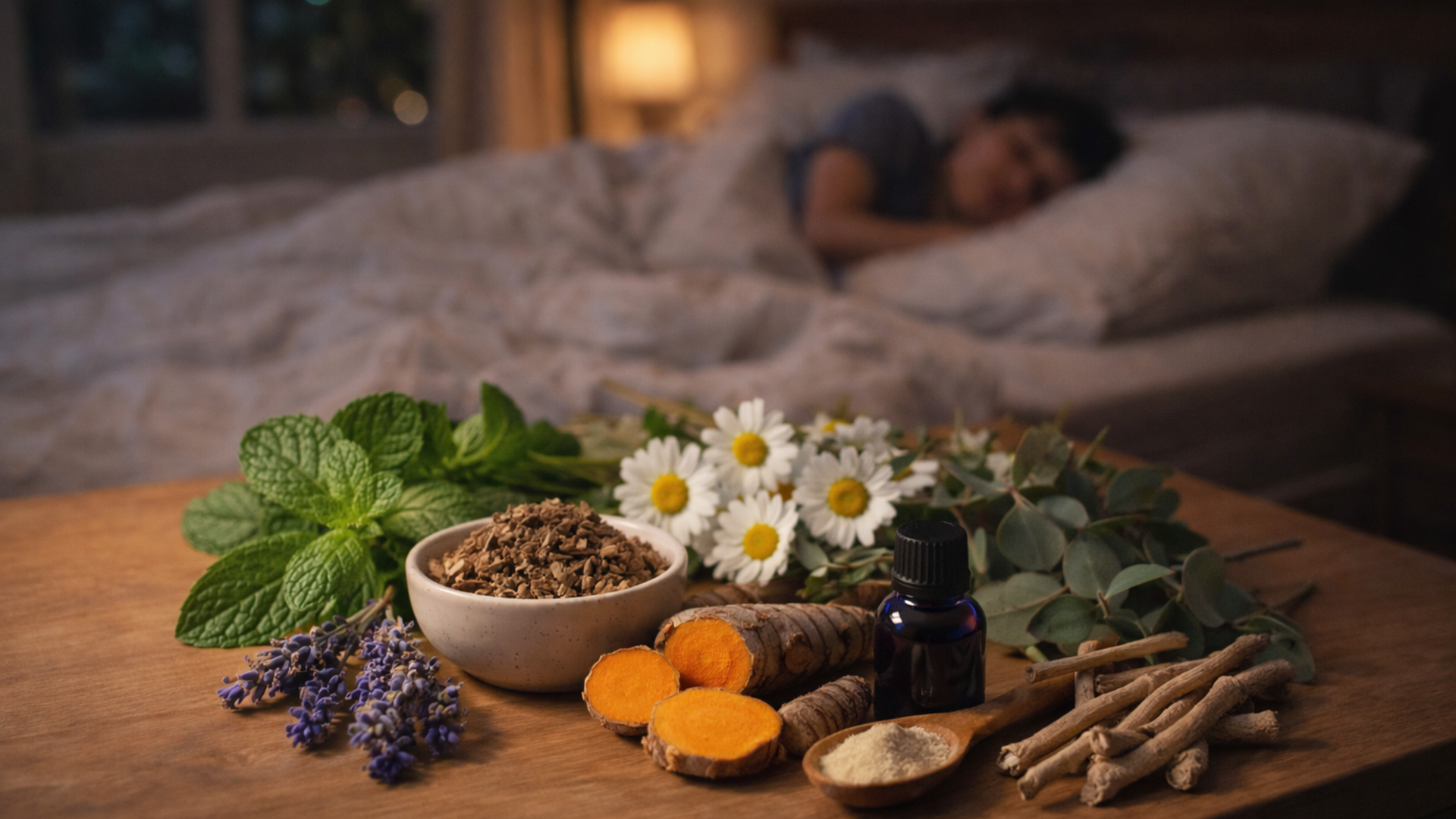

Sleep apnea is a serious sleep disorder that affects millions of people worldwide. It causes repeated pauses in breathing during sleep, which can lead to poor rest, daytime fatigue, and long-term health problems. While medical treatments such as CPAP machines and oral appliances are commonly prescribed, many people are also interested in natural and herbal approaches to support their overall sleep health.
This article explores herbal remedies for sleep apnea, how they may help, and how they can be used safely as part of a holistic approach.
Read more and explore additional sleep and insomnia-related articles at Knowledge Hub to discover helpful tips, expert insights, and natural strategies for better rest and overall wellness.
Understanding Sleep Apnea
There are three main types of sleep apnea:
- Obstructive Sleep Apnea (OSA) – The most common type. It occurs when throat muscles relax too much during sleep, blocking the airway.
- Central Sleep Apnea (CSA) – Happens when the brain fails to send proper signals to the muscles that control breathing.
- Complex Sleep Apnea Syndrome – A combination of both types.
Common symptoms include:
- Loud snoring
- Gasping for air during sleep
- Morning headaches
- Dry mouth
- Difficulty concentrating
- Excessive daytime sleepiness
Sleep apnea should always be evaluated by a healthcare provider because untreated sleep apnea increases the risk of heart disease, stroke, diabetes, and high blood pressure.
Herbal remedies do not replace medical treatment, but they may support better breathing, relaxation, and sleep quality.
How Herbal Remedies May Help
Herbal remedies for sleep apnea focus on:
- Reducing inflammation in airways
- Supporting respiratory health
- Promoting relaxation
- Improving sleep quality
- Helping with weight management (a key factor in OSA)
Let’s look at some commonly discussed herbs.
1. Valerian Root
What It Does
Valerian root is one of the most widely used herbal sleep aids. It has natural calming properties that help relax the nervous system. It works by increasing levels of gamma-aminobutyric acid (GABA), a chemical in the brain that promotes relaxation and reduces nervous tension.
How It May Help Sleep Apnea
Valerian root does not correct the physical airway blockage that occurs in obstructive sleep apnea. However, it may support overall sleep quality by:
- Reducing anxiety around bedtime
- Helping the body fall asleep faster
- Promoting deeper, more restful sleep
- Decreasing nighttime restlessness
For people who struggle with insomnia alongside sleep apnea, valerian may help improve sleep comfort.
How to Use
Valerian is available as capsules, tablets, teas, or liquid extracts. It is usually taken 30–60 minutes before bedtime.
Important: Do not combine valerian with alcohol, sedatives, or other sleep medications unless approved by a healthcare provider.
2. Chamomile
What It Does
Chamomile is well known for its gentle calming effects. It contains antioxidants and anti-inflammatory compounds that may soothe the body and mind.
How It May Help
Chamomile may:
- Promote relaxation before bed
- Reduce mild inflammation
- Support better sleep quality
- Help ease stress-related sleep disturbances
Although it does not treat airway obstruction, chamomile can improve overall sleep comfort, which may reduce frequent awakenings.
How to Use
Drinking a warm cup of chamomile tea 30 minutes before bed can become part of a calming nighttime routine that signals the body it is time to rest.
3. Peppermint
What It Does
Peppermint contains menthol, which has natural decongestant and anti-inflammatory properties.
How It May Help Sleep Apnea
Peppermint may support easier breathing by:
- Opening nasal passages
- Reducing nasal congestion
- Improving airflow
- Supporting sinus health
For individuals whose snoring or mild breathing issues are worsened by nasal blockage, peppermint may provide temporary relief.
How to Use
Peppermint tea or steam inhalation may help clear nasal passages before bedtime.
4. Eucalyptus
What It Does
Eucalyptus oil contains compounds that help reduce mucus buildup and inflammation in the respiratory tract.
How It May Help
Eucalyptus may:
- Open airways
- Improve sinus drainage
- Support clearer breathing
- Reduce congestion that worsens snoring
While it does not cure sleep apnea, improved airflow can make breathing more comfortable at night.
How to Use
Add a few drops of eucalyptus oil to hot water and carefully inhale the steam. It can also be used in a diffuser.
Warning: Never ingest eucalyptus oil unless directed by a qualified healthcare professional.
5. Lavender
What It Does
Lavender is widely used in aromatherapy because of its calming and stress-reducing effects.
How It May Help
Lavender may:
- Reduce stress and anxiety
- Promote deeper, more restorative sleep
- Help regulate sleep patterns
- Create a relaxing sleep environment
While it does not fix airway collapse, better sleep quality can reduce nighttime awakenings and improve overall rest.
How to Use
Use lavender essential oil in a diffuser or apply diluted oil to the skin before bed.
6. Thyme
What It Does
Thyme is traditionally used to support respiratory health. It contains compounds that may help strengthen respiratory muscles and reduce inflammation.
How It May Help
Some traditional remedies suggest thyme may:
- Support throat muscle tone
- Reduce mild snoring
- Improve respiratory comfort
Although scientific research is limited, thyme remains a popular ingredient in herbal respiratory blends.
How to Use
Thyme can be consumed as a tea or used in cooking to support respiratory wellness.
7. Turmeric
What It Does
Turmeric contains curcumin, a powerful anti-inflammatory and antioxidant compound.
How It May Help
Turmeric may:
- Reduce airway inflammation
- Support lung function
- Help manage weight-related inflammation
- Improve overall metabolic health
Since obesity is a major risk factor for obstructive sleep apnea, turmeric’s anti-inflammatory and metabolic benefits may indirectly support symptom improvement.
How to Use
Turmeric can be added to meals, consumed as tea, or taken as a supplement. Combining it with black pepper improves absorption.
8. Ashwagandha
What It Does
Ashwagandha is an adaptogenic herb that helps the body manage stress and balance hormones.
How It May Help
Ashwagandha may:
- Lower cortisol (stress hormone) levels
- Support healthy sleep cycles
- Reduce nighttime anxiety
- Improve overall sleep quality
Since stress can worsen sleep disturbances, managing it may indirectly improve rest for individuals with sleep apnea.
How to Use
Ashwagandha is available in capsules, powders, or liquid extracts and is often taken in the evening.
Important Reminder
Herbal remedies can support relaxation, reduce inflammation, and improve sleep quality. However, they do not replace medical treatment for moderate or severe sleep apnea. If you experience loud snoring, choking during sleep, or extreme daytime fatigue, consult a healthcare provider for proper diagnosis and treatment.
Want Personalized Supplement Recommendations?
Everyone’s sleep challenges are different.
Take the quiz to get personalized supplement recommendations tailored to your sleep needs, stress levels, and overall health goals.
Discover the right natural support to help you sleep better and wake up feeling refreshed.
Holistic Lifestyle Support for Sleep Apnea
Herbal remedies work best when combined with healthy lifestyle changes.
1. Maintain a Healthy Weight
Excess weight, especially around the neck, can worsen obstructive sleep apnea. Even modest weight loss can significantly reduce symptoms.
2. Sleep Position
Sleeping on your back can cause the tongue and soft tissues to collapse into the airway. Sleeping on your side may reduce airway obstruction.
3. Regular Exercise
Exercise improves lung function, heart health, and weight control. It may also improve sleep quality.
4. Avoid Alcohol Before Bed
Alcohol relaxes throat muscles and can worsen apnea episodes.
5. Practice Good Sleep Hygiene
- Go to bed at the same time each night
- Avoid screens before bed
- Keep your room cool and dark
- Create a calming bedtime routine
Important Safety Considerations
- Herbal remedies are not a cure for sleep apnea.
- Severe sleep apnea requires medical treatment such as CPAP therapy.
- Always consult a healthcare professional before starting herbal supplements, especially if you:
- Take prescription medications
- Have heart disease
- Are pregnant or breastfeeding
- Have severe breathing disorders
Combining herbal support with medical treatment can be part of a comprehensive care plan.
When to See a Doctor
Seek medical evaluation if you experience:
- Loud chronic snoring
- Pauses in breathing during sleep
- Severe daytime sleepiness
- Morning headaches
- High blood pressure
A sleep study may be necessary to diagnose sleep apnea properly.
Final Thoughts
Herbal remedies for sleep apnea can play a supportive role in improving relaxation, reducing inflammation, and enhancing overall sleep quality, but they are not a replacement for medical treatment. The most effective approach often combines professional medical guidance, healthy lifestyle changes, weight management, stress reduction, and carefully selected herbal support. If you suspect you have sleep apnea or experience ongoing symptoms such as loud snoring, choking during sleep, or excessive daytime fatigue, it is important to consult a healthcare provider for proper diagnosis and treatment. With the right combination of care and natural support, achieving better sleep and improved long-term health is possible.
Ready to find the right natural support for your sleep needs? Take the quiz to get personalized supplement recommendations tailored to your body, lifestyle, and sleep goals.
Frequently Asked Questions
1. Can herbal remedies cure sleep apnea?
No, herbal remedies cannot cure sleep apnea. Sleep apnea is a medical condition that often requires treatments such as CPAP therapy, oral appliances, or other medical interventions. However, certain herbs may help support relaxation, reduce inflammation, and improve overall sleep quality when used alongside professional treatment.
2. Are herbal remedies safe to use with CPAP therapy?
In most cases, herbal teas and mild natural supplements are safe to use alongside CPAP therapy, but it is important to consult your healthcare provider first. Some herbs may interact with medications, sedatives, or other treatments, so professional guidance ensures safety and effectiveness.
3. Which herbal remedy is best for snoring related to sleep apnea?
There is no single “best” herb for everyone. Peppermint and eucalyptus may help with nasal congestion, while valerian and lavender may support relaxation and better sleep quality. The right option depends on the underlying cause of your symptoms, which is why personalized guidance can be helpful.