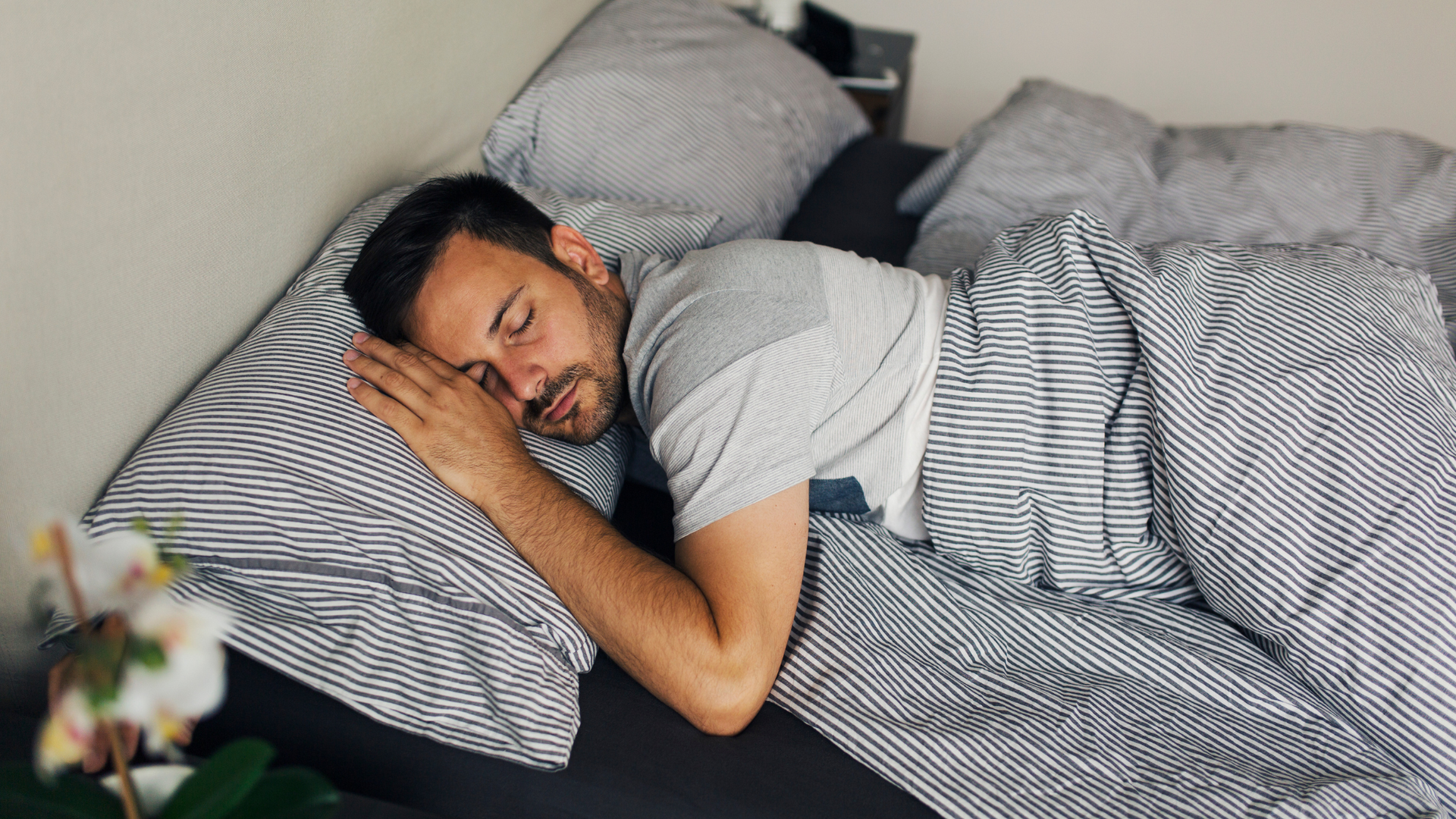

Struggling to fall asleep quickly is a common problem, especially in our fast-paced, digitally connected world. If you often lie awake at night watching the minutes tick by, you’re not alone. But the good news is that with the right relaxation techniques, habits, and sleep environment, you can train your body and mind to fall asleep faster and wake up more refreshed.
In this comprehensive guide, we’ll explore 15 science-backed strategies that not only help you fall asleep fast but also improve sleep quality over time. Whether you’re battling a restless mind or an uncomfortable bed, there’s something here that can help you tonight.
1. Stick to a Consistent Circadian Rhythm
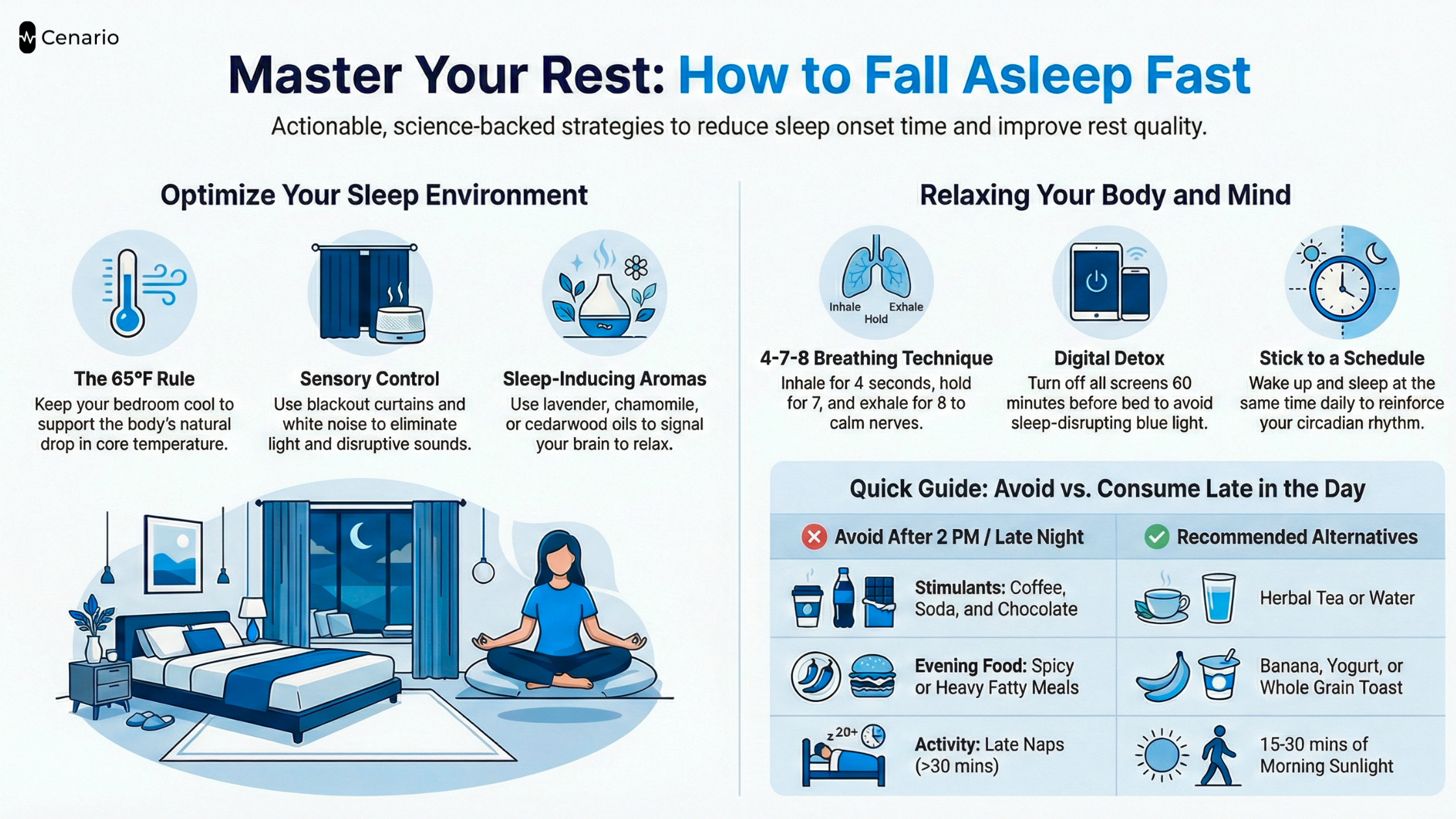
Your body has an internal clock known as the circadian rhythm, which governs your sleep-wake cycle. Disrupting this natural rhythm, like sleeping in on weekends or staying up late, can confuse your body, making it harder to fall asleep quickly.
Tip: Go to bed and wake up at the same time every day, even on weekends. This consistency reinforces your circadian rhythm and makes it easier to drift off at night.
2. Create the Ideal Sleep Environment
Your sleep environment has a massive influence on how quickly and deeply you sleep. A bedroom that is too bright, noisy, or warm can delay sleep and affect its quality.
Here’s how to optimize your sleep environment:
- Cool the room: Aim for a temperature around 65°F (18°C), which supports the body’s natural drop in core temperature during sleep.
- Use blackout curtains: Eliminate light that might interrupt melatonin production.
- Minimize noise: Use white noise machines, earplugs, or calming nature sounds to block out disruptive noise.
- Invest in comfort: A supportive mattress and pillow suited to your sleep style can make a major difference.
Creating the perfect sleep environment is essential for helping you fall asleep faster and stay asleep longer.
3. Try Progressive Muscle Relaxation
Progressive muscle relaxation (PMR) is a powerful technique that helps release tension in the body, perfect if you often lie awake with tight muscles or stress.
How to do it:
- Start at your feet: tense your muscles for 5 seconds, then release.
- Move upward through your body: calves, thighs, abdomen, chest, arms, hands, neck, and face.
- Focus on your breath as you relax each muscle group.
PMR combines physical release with mental calm, making it one of the best relaxation techniques for falling asleep faster.
4. Establish a Relaxing Bedtime Routine
Rushing into bed after checking your phone or watching an action-packed movie won’t help your brain wind down. Instead, establish a wind-down routine at least 30–60 minutes close to bedtime.
Include calming habits such as:
- Taking a warm bath or shower
- Gentle yoga or stretching
- Journaling
- Listening to soft music or white noise
- Practicing mindfulness or deep breathing
These activities signal to your body that sleep is approaching, making it easier to relax and fall asleep.
5. Use the 4-7-8 Breathing Technique
This breathing pattern is one of the most effective relaxation techniques to calm the nervous system.
Steps:
- Breathe in through your nose for 4 seconds.
- Hold your breath for 7 seconds.
- Exhale slowly through your mouth for 8 seconds.
- Repeat the cycle 3–4 times.
Many people report falling asleep faster just by doing this exercise, especially when their mind is racing.
6. Limit Exposure to Screens Close to Bedtime
Screens emit blue light, which interferes with melatonin, the hormone that signals your body it’s time to sleep. Using devices close to bedtime can disrupt your circadian rhythm and keep your brain alert.
Recommendation: Turn off screens at least 1 hour before bed, or use a blue light filter if necessary.
7. Avoid Stimulants Late in the Day
Consuming caffeine or nicotine late in the day can keep you alert when you’re trying to wind down.
Avoid: Coffee, soda, energy drinks, and chocolate after 2 PM.
Even if you don’t feel jittery, these substances can delay your ability to fall asleep.
8. Practice Mindfulness Meditation
Mindfulness and guided meditation are excellent relaxation techniques that calm the mind and body. They’ve been shown to reduce stress and help people fall asleep faster, especially those dealing with anxiety or overthinking.
Apps like Calm, Headspace, or Insight Timer provide sleep-specific meditations.
9. Use Aromatherapy to Enhance Your Sleep Environment
Scents like lavender, chamomile, and cedarwood promote calm and relaxation.
Ways to use essential oils:
- Diffuse them in your bedroom
- Add a few drops to your pillow
- Use them in a warm bath before bed
A calm sleep environment enhanced with soothing aromas helps your mind associate the space with rest and calm.
10. Limit Long or Late Daytime Naps
While short naps can recharge you, long naps or ones taken close to bedtime can interfere with your ability to fall asleep faster at night.
Tip: Keep naps under 30 minutes and before 3 PM to preserve your natural circadian rhythm.
11. Eat Light at Night
Going to bed after a heavy meal can cause discomfort and indigestion, making it harder to sleep.
Do: Have a light snack if you’re hungry before bed, like a banana, yogurt, or whole grain toast.
Avoid rich, spicy, or fatty foods close to bedtime.
12. Use White Noise to Block Distractions
If you live in a noisy environment, white noise machines or apps can help mask sounds and create a consistent audio backdrop.
This is especially helpful if you often lie awake due to random or sudden noises interrupting your sleep.
13. Journal to Clear Your Mind
Writing down thoughts, worries, or plans for the next day helps free up mental space. If you’re the type who lies awake thinking, this strategy can significantly help you fall asleep faster.
Bonus tip: Keep a gratitude journal to end the day with a positive mindset.
14. Get Sunlight in the Morning
Exposure to natural sunlight early in the day helps regulate your circadian rhythm and promotes melatonin production later in the evening.
Tip: Spend at least 15–30 minutes outside each morning for optimal benefits.
15. Seek Medical Help for Persistent Sleep Issues
If you consistently struggle to fall asleep, wake up frequently, or feel tired despite rest, you may have a sleep disorder like insomnia or sleep apnea. Professional help can identify root causes and offer long-term solutions to improve sleep.
Final Thoughts: Better Sleep Starts with Better Habits
You don’t have to rely on sleeping pills or hope for a miracle. By improving your sleep environment, practicing effective relaxation techniques like progressive muscle relaxation, and aligning with your circadian rhythm, you can train your body to fall asleep faster and sleep more deeply.
Start with two or three tips from this list, apply them consistently, and observe the changes. With time and practice, restful sleep will become a habit, not a struggle.
Ready to Take Your Sleep to the Next Level?
Take our quick Sleep Quiz to get a personalized natural supplement recommendation, designed to match your unique sleep challenges and support your journey toward better rest.
Frequently Asked Questions
1. Why do I lie awake at night even when I’m tired?
Lying awake despite feeling tired is often caused by stress, anxiety, an irregular circadian rhythm, or overstimulation from screens close to bedtime. It could also be due to poor sleep environment conditions, like noise or an uncomfortable bed. Incorporating relaxation techniques like progressive muscle relaxation can help quiet your mind and body so you can fall asleep more easily.
2. What is the best way to improve sleep naturally?
Improving your sleep environment, following a consistent sleep schedule, avoiding stimulants, and practicing stress-reducing habits before bed are some of the most effective natural methods. Techniques like deep breathing, meditation, or progressive muscle relaxation can help you fall asleep faster without needing medications.
3. How does white noise help you sleep better?
White noise works by masking background sounds that might disrupt your sleep—like traffic, barking dogs, or neighbors. By creating a consistent audio atmosphere, it reduces sensory distractions and can help you fall asleep faster and stay asleep longer, especially if you’re a light sleeper.