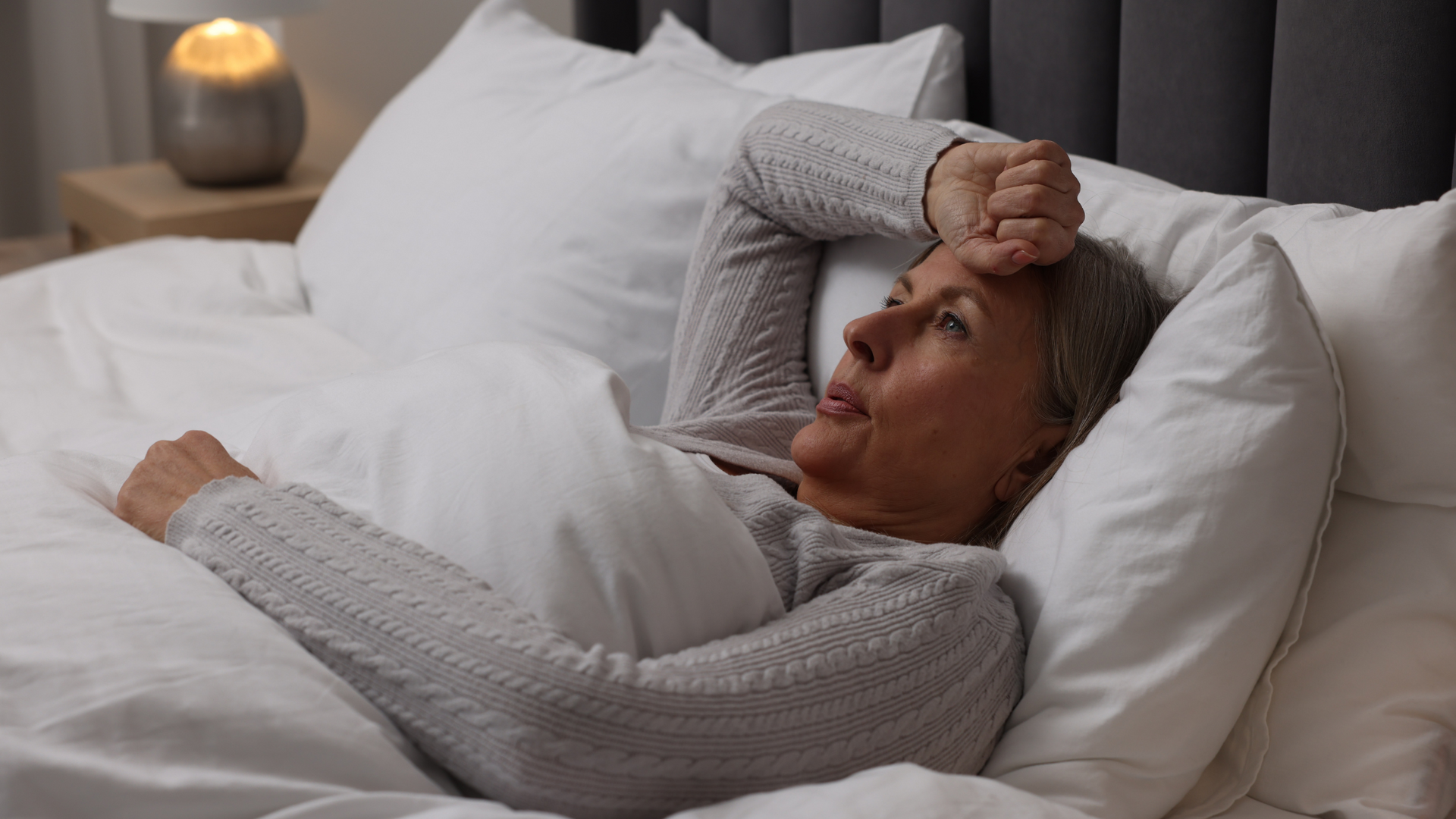

Many people notice that their sleep changes throughout the month. You might fall asleep easily one week but struggle with insomnia the next. If you menstruate, these changes are often linked to your hormones. Understanding how the menstrual cycle affects sleep can help you manage insomnia and feel more rested.
In this article, we’ll explore how hormones influence sleep, why insomnia is common before and during your period, and what you can do to improve your rest. Read more or dive deeper into related health and wellness topics in our blogs here at Knowledge Hub to continue learning how your body works and how to support it better.
Understanding the Menstrual Cycle
The menstrual cycle usually lasts about 28 days, though it can range from 21 to 35 days. It has four main phases:
- Menstrual Phase (Days 1–5) – Your period begins. Hormone levels are low.
- Follicular Phase (Days 1–13) – Estrogen starts to rise, preparing the body for ovulation.
- Ovulation (Around Day 14) – An egg is released. Estrogen peaks.
- Luteal Phase (Days 15–28) – Progesterone rises, and if pregnancy does not occur, both estrogen and progesterone drop before the next period.
These hormonal changes do more than regulate reproduction. They also affect mood, body temperature, energy levels, and especially sleep.
The Role of Hormones in Sleep
Two main hormones estrogen and progesterone play a major role in sleep patterns.
Estrogen
Estrogen helps regulate mood and supports the production of serotonin, a brain chemical that influences sleep. Higher estrogen levels are generally linked to:
- Better sleep quality
- Fewer nighttime awakenings
- Improved mood
When estrogen levels drop right before menstruation, some people experience mood swings, anxiety, and difficulty sleeping.
Progesterone
Progesterone has a calming effect on the brain. It can make you feel sleepy, especially after ovulation during the luteal phase. However, progesterone also raises body temperature slightly, which can interfere with deep sleep. As progesterone drops sharply before your period, it may lead to:
- Trouble falling asleep
- Restless sleep
- Frequent waking
The sudden hormone shift is one reason insomnia is common in the days leading up to menstruation.
Why Insomnia Is Worse Before Your Period
Many people experience premenstrual syndrome (PMS) in the luteal phase. PMS symptoms can include:ce premenstrual syndrome (PMS) in the luteal phase. PMS symptoms can include:premenstrual syndrome (PMS) in the luteal phase. PMS symptoms can include:
- Mood swings
- Anxiety or irritability
- Bloating
- Breast tenderness
- Headaches
- Cramps
These symptoms can make it hard to relax at night. Pain and discomfort may keep you awake, while emotional changes can make your mind race.
In some cases, individuals may have Premenstrual Dysphoric Disorder (PMDD), a more severe form of PMS. PMDD can cause intense mood changes, depression, and severe insomnia.
Body Temperature and Sleep
Your body naturally cools down before sleep. This drop in temperature signals your brain that it’s time to rest.
During the luteal phase, progesterone increases your body temperature by about 0.5 to 1 degree Fahrenheit. Even this small change can:
- Make it harder to fall asleep
- Reduce deep sleep
- Increase night sweats
If you’ve ever felt unusually warm at night before your period, hormones may be the reason.
Cramps and Physical Discomfort
Menstrual cramps are caused by the release of chemicals called prostaglandins. These chemicals help the uterus contract but can also cause pain and inflammation.
Pain is a common cause of insomnia. If cramps wake you up or prevent you from getting comfortable, your sleep quality may suffer. Poor sleep can also increase your sensitivity to pain, creating a cycle that’s hard to break.
The Connection Between Sleep and Mood
Lack of sleep can worsen emotional symptoms, and emotional stress can make insomnia worse. This creates a cycle:
- Hormone levels change.
- Mood becomes unstable.
- Sleep becomes disrupted.
- Poor sleep worsens mood.
Breaking this cycle is important for both mental and physical health.
How to Improve Sleep During Your Cycle
Although hormonal changes are natural, there are ways to reduce insomnia and improve sleep quality.
1. Keep a Consistent Sleep Schedule
Go to bed and wake up at the same time every day, even on weekends. This helps regulate your body’s internal clock and improves overall sleep consistency.
2. Create a Cool Sleep Environment
Since body temperature rises in the luteal phase:
- Keep your bedroom slightly cooler.
- Use breathable bedding.
- Consider a fan if needed.
A cooler environment helps signal to your body that it’s time to rest.
3. Manage Stress
Relaxation techniques can calm your nervous system and make it easier to fall asleep:
- Deep breathing exercises
- Gentle yoga
- Meditation
- Journaling before bed
Lowering stress levels is especially important before your period, when mood changes can interfere with sleep.
4. Limit Caffeine and Sugar
Caffeine can stay in your system for hours and may worsen anxiety or restlessness. Try to avoid it in the afternoon and evening, especially in the days leading up to your period. Reducing excess sugar can also help stabilize energy levels and mood.
5. Exercise Regularly
Light to moderate exercise can reduce PMS symptoms and improve sleep quality. Activities like walking, stretching, or swimming are great options. However, avoid intense workouts close to bedtime, as they may make it harder to fall asleep.
6. Manage Pain
Over-the-counter pain relievers, heating pads, or warm baths can help reduce cramps and muscle tension. Managing discomfort before bed can significantly improve your ability to fall and stay asleep.
7. Consider Supportive Supplements
Certain supplements may support relaxation and hormonal balance during your cycle. For example:
- Magnesium may help relax muscles, reduce cramps, and promote better sleep.
- Vitamin B6 may support mood balance during PMS.
- Melatonin (in small doses) may help regulate your sleep-wake cycle if insomnia becomes frequent.
Always consult a healthcare professional before starting any new supplement, especially if you have existing health conditions or take medication.
If you’re unsure which nutrients or supplements may best support your sleep and hormonal health, take the quiz to get personalized supplement recommendations tailored to your body’s needs.
8. Track Your Cycle
Using a period-tracking app or calendar can help you predict when sleep problems might occur. This allows you to prepare with extra self-care, adjust your routine, and support your body during more sensitive phases of your cycle.
When to See a Doctor
Occasional sleep disturbances are normal. However, you should speak with a healthcare provider if:
- Insomnia lasts more than two weeks
- PMS symptoms are severe
- You suspect PMDD
- Sleep problems interfere with school, work, or daily life
Treatment options may include lifestyle changes, therapy, hormonal birth control, or other medications.
Final Thoughts
Hormonal changes during the menstrual cycle can strongly affect sleep. Fluctuations in estrogen and progesterone influence mood, body temperature, and brain chemistry, all of which play a role in insomnia.
While it can be frustrating to lose sleep each month, understanding the connection between hormones and rest is the first step toward better management. With healthy habits, balanced nutrition, and the right support, you can reduce sleep disruptions and feel more balanced throughout your cycle, naturally.
If you’re ready to support your sleep and hormones in a more natural way, explore our recommended solutions and take the quiz to discover personalized options designed specifically for your body’s needs.
Frequently Asked Questions
1. Is it normal to have insomnia before my period?
Yes, it is common. Many people experience sleep disturbances during the luteal phase (the week or two before their period). This happens because estrogen and progesterone levels rise and then drop suddenly, which can affect mood, body temperature, and sleep patterns.
2. Why do I feel more anxious at night before my period?
Hormonal shifts can affect brain chemicals like serotonin, which helps regulate mood and sleep. When hormone levels change, you may feel more anxious, restless, or emotionally sensitive, especially at night when there are fewer distractions.
3. Can PMS make sleep quality worse even if I fall asleep easily?
Yes. Even if you fall asleep quickly, PMS symptoms such as cramps, headaches, bloating, or night sweats can cause you to wake up more often. This reduces deep, restorative sleep and may leave you feeling tired the next day.
4. Will improving my sleep help reduce PMS symptoms?
Better sleep can improve mood, reduce stress, and lower pain sensitivity. While it may not completely eliminate PMS, consistent, high-quality sleep can make symptoms more manageable and help you feel more balanced throughout your cycle.