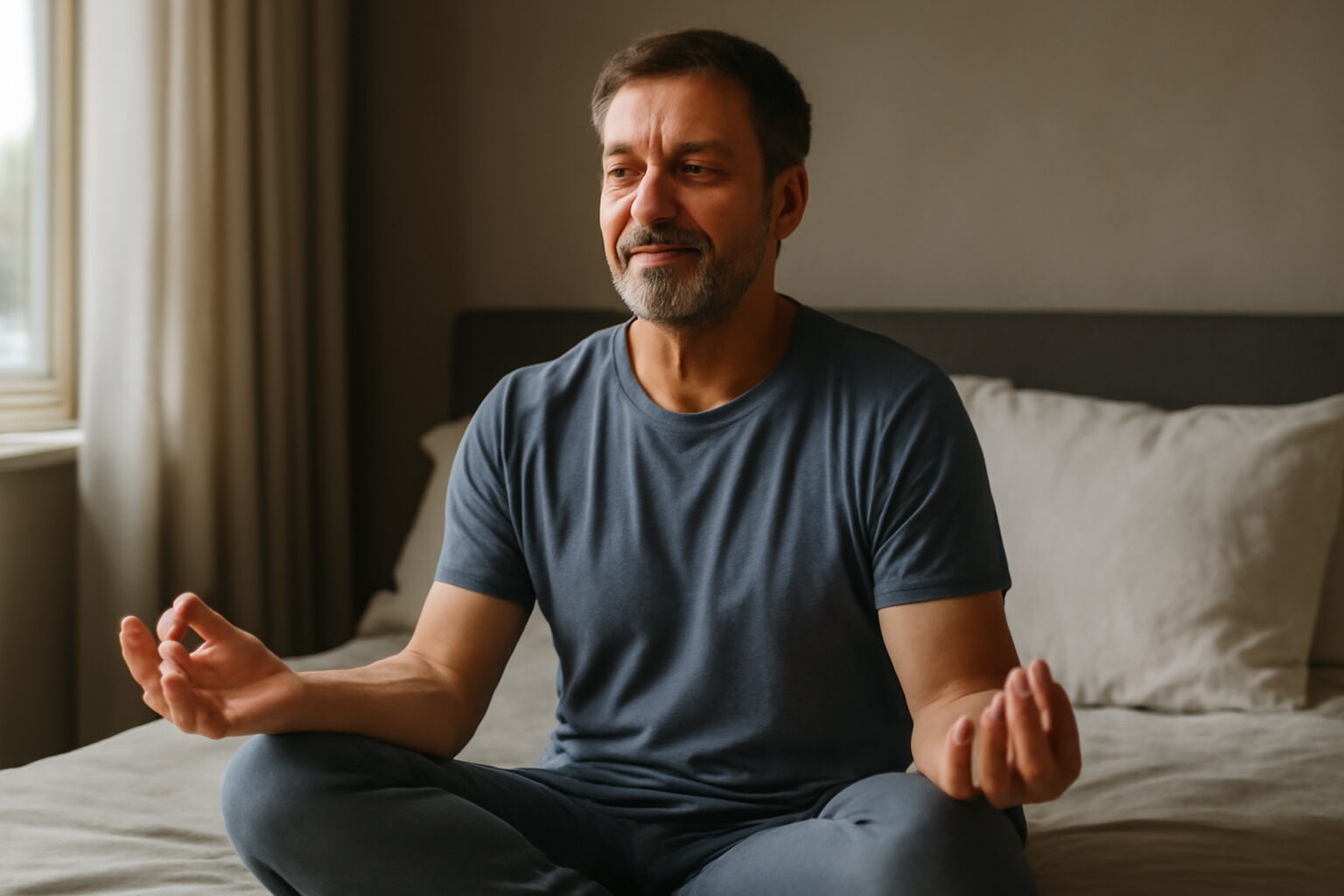

Meditation for Sleep and Anxiety
Meditation has become a powerful practice. It can improve sleep quality and reduce anxiety. Many people face these issues in today’s busy world.
Meditation is becoming popular as a natural remedy. It helps create calm and promotes restful sleep without using medication. This holistic approach helps both mental and physical health. It offers a lasting solution to common problems that affect millions.
Understanding the prevalence of sleep disorders and anxiety
In our modern society, sleep disorders and anxiety are prevalent, affecting a significant portion of the population. The pressures of daily life, coupled with constant connectivity and information overload, contribute to these conditions.
Insomnia makes it hard to fall asleep or stay asleep. It is a common sleep disorder that affects both physical and emotional health. Anxiety, on the other hand, can manifest as persistent worry or fear, often leading to a vicious cycle of sleepless nights and heightened stress levels.
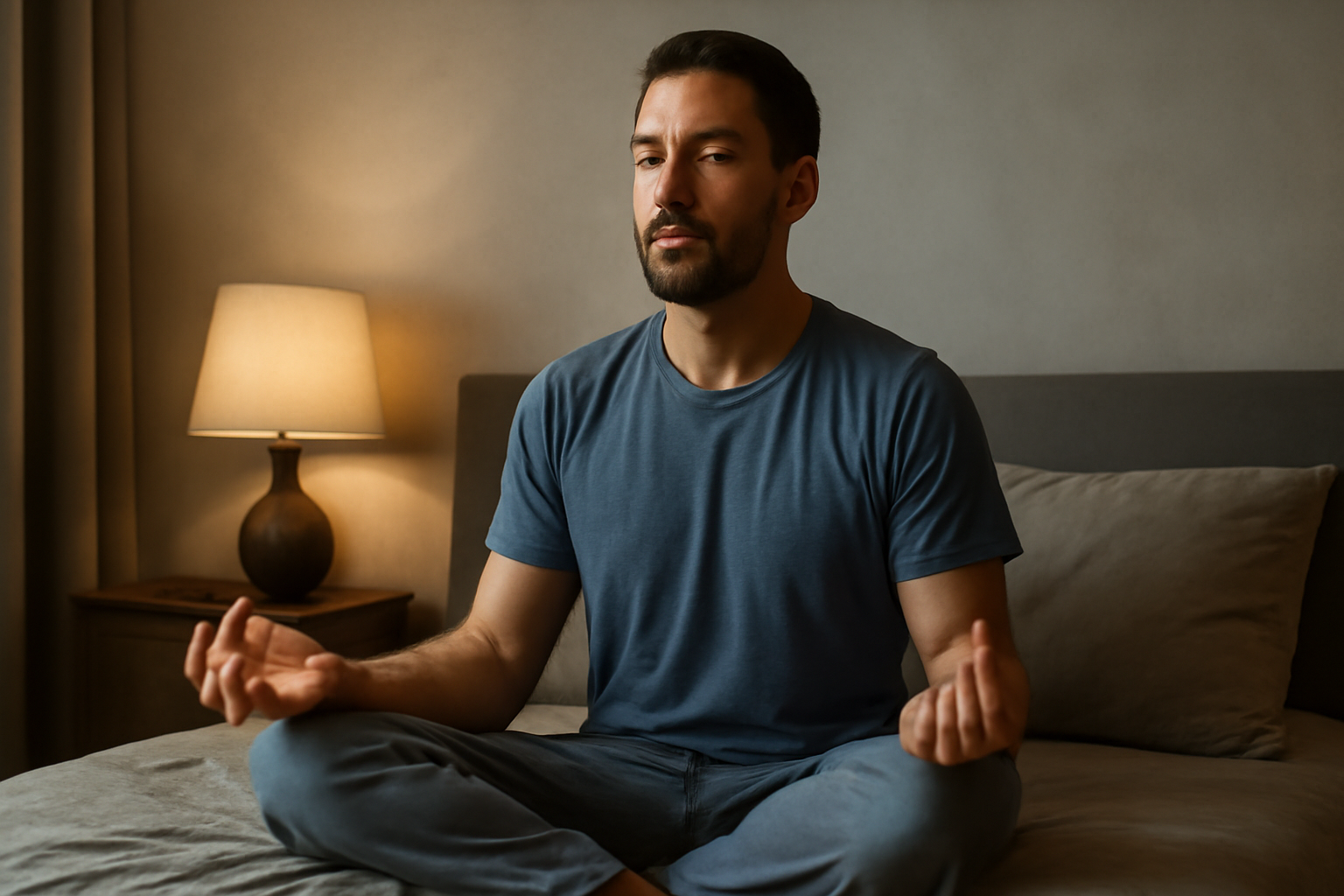
Long-term effects and considerations
As you start meditating for sleep and anxiety, keep in mind the long-term benefits. Also, consider a few important factors.
Research shows that the early benefits of meditation often last for several months. This leads to better sleep and less anxiety. However, achieving these sustained benefits relies on consistency and finding individualized strategies that work best for you.
While meditation is a powerful tool, it’s not a one-size-fits-all solution. Meditation is different from other treatments for sleep and anxiety. These treatments include cognitive behavioral therapy (CBT) and medication. Each method has its own strengths and weaknesses.
Meditation offers a natural, non-invasive option with minimal side effects, making it an attractive choice for many. For some people, especially those with severe cases, a mix of therapies may be needed for optimal results.
It’s also crucial to acknowledge that meditation may not be universally effective for everyone. Factors such as personal preferences, lifestyle, and specific health conditions can influence how well meditation works for you. Therefore, it’s essential to approach this practice with an open mind and be willing to adapt your techniques as needed.
Frequently Asked Questions
How quickly can meditation improve my sleep?
Initial improvements in sleep quality from meditation can often be seen within a few weeks of consistent practice. However, for long-term benefits, it’s important to maintain a regular meditation routine.
Is meditation effective for severe anxiety?
Meditation can significantly reduce anxiety levels, but for those with severe anxiety, it’s advisable to consult a healthcare professional to develop a a comprehensive treatment plan that may include meditation as a complementary practice.
Can meditation replace medication for sleep disorders?
While meditation can complement traditional treatments for sleep disorders, it should not replace prescribed medication without professional guidance. It’s important to discuss any changes to your treatment plan with your healthcare provider.
What is the best time to meditate for sleep improvement?
Evening meditation routines are often recommended to help calm the mind and prepare the body for sleep. However, the best time can vary depending on individual preferences and schedules.
Are there any side effects of meditation?
Meditation is generally safe, but some individuals may experience discomfort or emotional release during practice. It’s important to start slowly and seek guidance if needed to ensure a positive experience.