
Sleep is not a luxury, it is a biological necessity. For teenagers, getting enough high-quality sleep is especially important because their bodies and brains are still developing. Yet many teens struggle to fall asleep or stay asleep due to academic stress, social pressures, screen time, changing hormones, and busy schedules.
While prescription sleep medications may sometimes be necessary, many teens and parents prefer to start with natural sleep aids and healthy lifestyle changes. This article explores safe, evidence-based natural sleep options for teenagers, how they work, and when to seek professional help.
To learn more about sleep health, insomnia solutions, and expert-backed wellness tips, read more or explore additional articles at the Knowledge Hub.
Why Sleep Is So Important for Teenagers
Teenagers need 8–10 hours of sleep per night, according to the American Academy of Sleep Medicine. However, studies show that most teens get far less.
Lack of sleep in teens can lead to:
- Difficulty concentrating
- Lower academic performance
- Mood swings, anxiety, or depression
- Weakened immune system
- Increased risk of accidents
- Hormonal imbalances
- Long-term health issues like obesity and heart disease
During adolescence, the body’s internal clock (circadian rhythm) shifts. Teens naturally feel more awake at night and have difficulty waking early. This biological shift, combined with school start times and screen exposure, often results in chronic sleep deprivation.
Before turning to medication, it’s important to explore natural and behavioral solutions.
1. Establishing Healthy Sleep Habits (Sleep Hygiene)
The most effective “natural sleep aid” is often not a supplement, but better sleep habits.
Consistent Sleep Schedule
Encourage going to bed and waking up at the same time every day—even on weekends. Large weekend sleep-ins can disrupt the body’s rhythm.
Reduce Screen Time Before Bed
Phones, tablets, and laptops emit blue light, which suppresses melatonin (the sleep hormone). Teens should:
- Stop using screens 60–90 minutes before bed
- Use blue-light filters if needed
- Avoid social media and stimulating content at night
Create a Sleep-Friendly Environment
The bedroom should be:
- Cool (around 60–67°F or 15–19°C)
- Dark (use blackout curtains if needed)
- Quiet (white noise machines can help)
Limit Caffeine
Caffeine can stay in the body for 6–8 hours. Teens should avoid:
- Coffee in the afternoon
- Energy drinks
- Large amounts of soda
- Pre-workout supplements
Improving sleep hygiene alone often significantly improves sleep quality.
2. Melatonin: The Most Common Natural Supplement
What Is Melatonin?
Melatonin is a hormone naturally produced by the pineal gland in the brain. It helps regulate the sleep-wake cycle.
Is It Safe for Teens?
Melatonin is generally considered safe for short-term use in teenagers. However:
- It should be used under medical guidance.
- Start with a low dose (0.5–3 mg).
- Take it 30–60 minutes before bedtime.
When Is It Helpful?
Melatonin works best for:
- Delayed sleep phase syndrome (common in teens)
- Difficulty falling asleep (not staying asleep)
Potential Side Effects
- Morning grogginess
- Headaches
- Vivid dreams
- Hormonal concerns with long-term, unsupervised use
Melatonin is not meant to replace healthy habits. It should support a structured bedtime routine.
3. Herbal Sleep Aids
Some plant-based remedies may help promote relaxation and sleep. However, natural does not always mean risk-free.
Chamomile
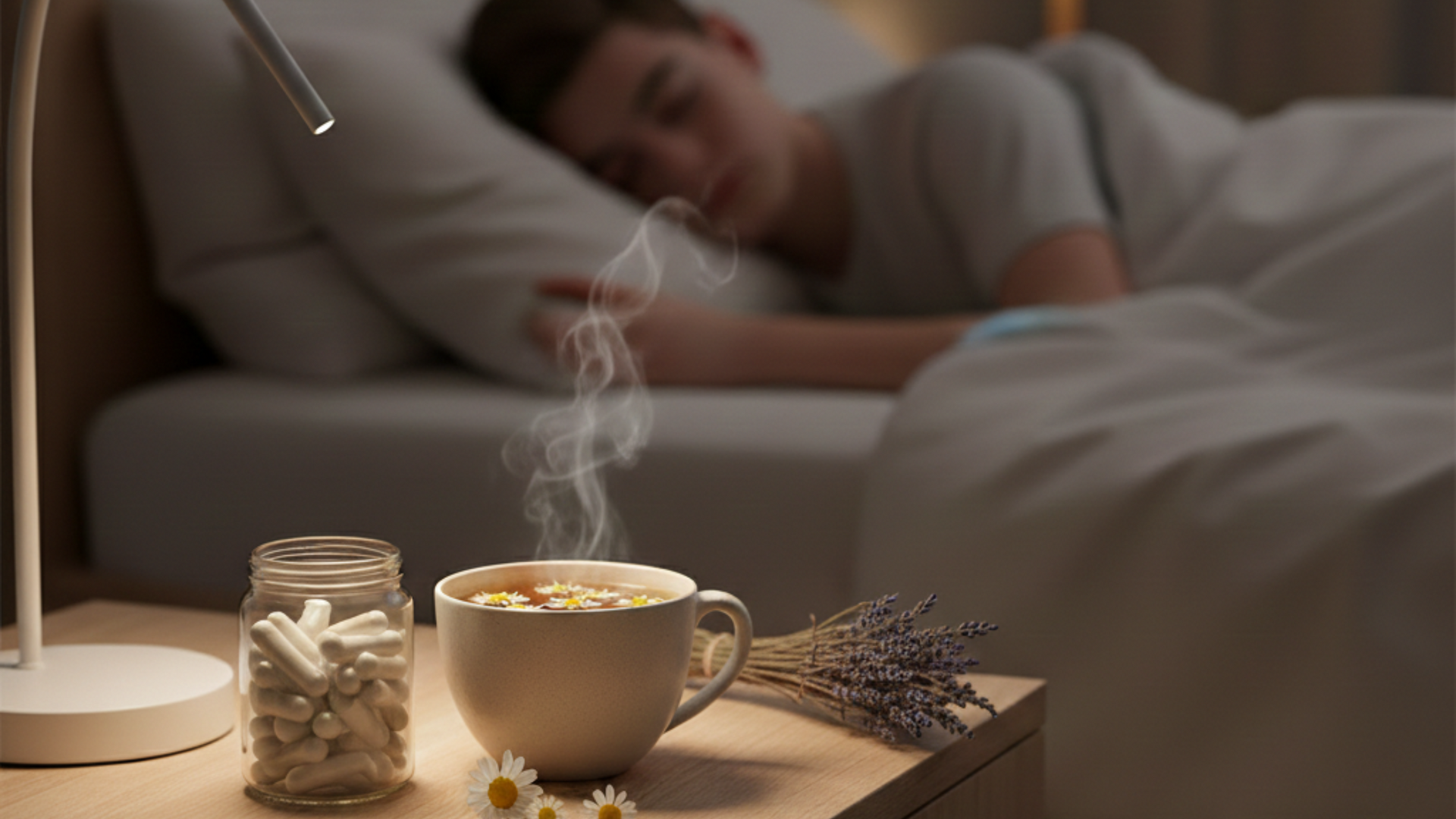
Chamomile tea is one of the safest and mildest sleep remedies.
How it works:
It contains apigenin, an antioxidant that binds to receptors in the brain that promote sleepiness.
Best for:
Mild anxiety or difficulty relaxing before bed.
Safety:
Generally safe for teens unless allergic to ragweed or similar plants.
Lavender
Lavender can be used as:
- Essential oil (diffuser)
- Pillow spray
- Warm bath additive
How it works:
Lavender may reduce anxiety and calm the nervous system.
Safety:
Safe when used aromatically. Essential oils should not be ingested unless directed by a healthcare professional.
Valerian Root
Valerian is sometimes used for insomnia and anxiety.
Important:
Research in teenagers is limited. It may cause:
- Dizziness
- Headaches
- Digestive upset
Valerian should only be used with medical supervision.
4. Magnesium
Magnesium is a mineral involved in muscle relaxation and nervous system regulation.
How It Helps
Magnesium may:
- Relax muscles
- Reduce anxiety
- Support melatonin production
Types of Magnesium
- Magnesium glycinate (gentle and calming)
- Magnesium citrate (may cause digestive effects)
Safety
Magnesium is generally safe in appropriate doses, but too much can cause diarrhea or stomach upset. Teens should consult a healthcare provider before starting supplements.
Take our quick quiz now to get a personalized supplement recommendation tailored to your unique sleep needs and start improving your rest today.
5. Relaxation Techniques and Mind-Body Methods
Sometimes sleep problems are caused by stress, racing thoughts, or anxiety. Non-supplement approaches can be highly effective.
Deep Breathing
Techniques like the 4-7-8 breathing method help slow heart rate and calm the nervous system.
Progressive Muscle Relaxation
This involves tensing and relaxing different muscle groups to reduce physical tension.
Meditation and Mindfulness
Apps or guided recordings can help teens:
- Focus on breathing
- Reduce anxious thoughts
- Improve emotional regulation
Journaling Before Bed
Writing down worries or a to-do list can help clear the mind and reduce nighttime overthinking.
These techniques are completely safe and can have long-term mental health benefits.
6. Physical Activity
Regular exercise improves sleep quality by:
- Reducing stress hormones
- Increasing natural melatonin
- Promoting physical tiredness
However:
- Avoid intense workouts 1–2 hours before bedtime.
- Morning or afternoon exercise is ideal.
Even 30 minutes of walking can improve sleep.
7. Nutrition and Sleep
What teens eat affects how they sleep.
Helpful Foods
- Bananas (contain magnesium)
- Almonds
- Oatmeal
- Warm milk
- Turkey (contains tryptophan)
Foods to Avoid at Night
- Sugary snacks
- Spicy foods
- Heavy meals
- Energy drinks
Eating a light, balanced snack before bed can prevent nighttime hunger without disrupting sleep.
When to See a Doctor
Natural remedies are helpful, but persistent sleep problems may signal a deeper issue.
Consult a healthcare professional if a teen experiences:
- Chronic insomnia (lasting more than 2–3 weeks)
- Loud snoring or breathing pauses (possible sleep apnea)
- Severe anxiety or depression
- Extreme daytime sleepiness
- Dependence on sleep aids
Sometimes sleep issues are linked to mental health conditions, ADHD, hormonal changes, or medical problems that require professional treatment.
Important Safety Guidelines
- Always consult a pediatrician before starting supplements.
- Avoid combining multiple sleep supplements without medical advice.
- Never mix sleep aids with alcohol or other medications.
- Start with lifestyle changes before supplements.
Teen brains are still developing, so caution is essential.
Final Thoughts
Sleep is essential for teenage growth, brain development, emotional health, and academic success. While natural sleep aids like melatonin, chamomile, magnesium, and relaxation techniques can be helpful, they work best when combined with strong, consistent sleep habits. Supplements alone are not a complete solution; they should support a healthy foundation rather than replace it.
The safest and most effective approach starts with maintaining a consistent sleep schedule, reducing screen time before bed, managing stress in healthy ways, eating a balanced diet, and engaging in regular physical activity. These habits regulate the body’s internal clock, support natural melatonin production, and improve overall sleep quality.
Natural sleep aids can provide additional support, but they are not magic fixes. When used responsibly and with proper guidance, they can help teenagers develop healthier, long-term sleep patterns that continue into adulthood.
By prioritizing sleep now, teens can protect their mental clarity, emotional stability, physical health, and overall well-being for years to come. If you’re unsure which supplements or sleep strategies may be right for you, consider taking our quick quiz to receive a personalized supplement recommendation designed specifically for your needs and lifestyle.
Frequently Asked Questions
1. Is melatonin safe for teenagers to take every night?
Melatonin is generally considered safe for short-term use in teenagers when taken at the correct dose and under medical supervision. However, it is not usually recommended as a long-term nightly solution unless advised by a healthcare provider. Since teens are still developing, it’s important to use the lowest effective dose and focus primarily on improving sleep habits first.
2. How much sleep does a teenager actually need?
Most teenagers need between 8 to 10 hours of sleep per night for optimal physical health, brain function, and emotional well-being. Consistently getting less than this amount can affect concentration, mood, immune health, and academic performance. Even if a teen feels “used to” less sleep, their body and brain still require adequate rest to function properly.
3. When should a teen see a doctor for sleep problems?
A teen should see a doctor if sleep problems last longer than two to three weeks, significantly affect daily functioning, or are accompanied by symptoms like loud snoring, breathing pauses during sleep, extreme daytime fatigue, anxiety, or depression. Persistent insomnia may be linked to an underlying medical or mental health condition that requires professional evaluation and treatment.