Sleep is supposed to be a time of rest and recovery. But for some people especially children, sleep can become a source of fear and confusion. Two of the most common nighttime disturbances are nightmares and night terrors. Although these terms are often used interchangeably, they are actually very different conditions.
Understanding the difference between night terrors and nightmares is important for parents, caregivers, and individuals who experience them. In this article, we’ll explore what each one is, what causes them, how they affect the brain, and what you can do to manage them.
If you’re interested in learning more about sleep health, mental wellness, and child development, read more and dive deeper into related insights in our Knowledge Hub, where we share expert-backed blogs and helpful resources.
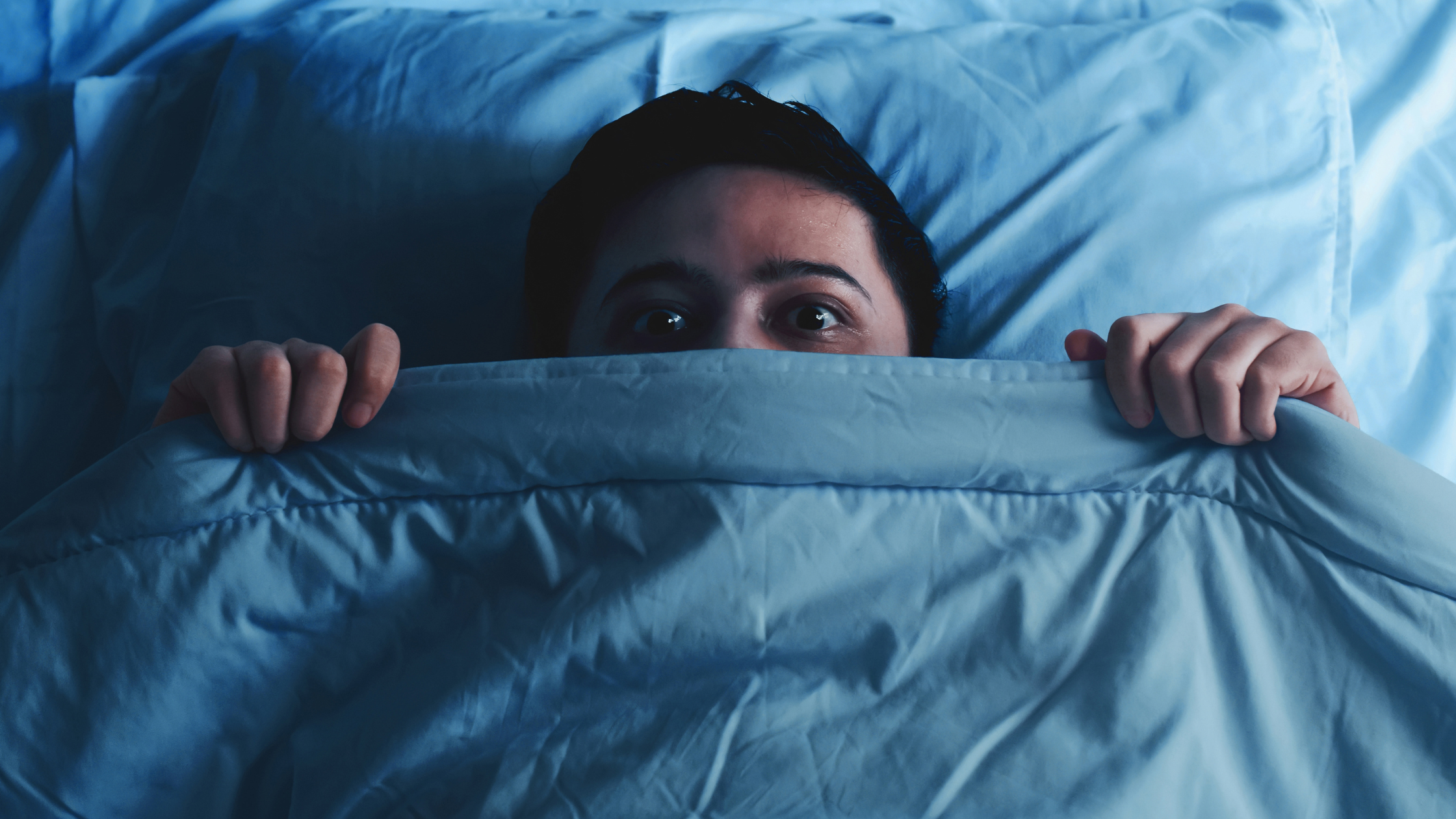
What Are Nightmares?
A nightmare is a vivid, disturbing dream that feels real enough to wake you up. Unlike ordinary dreams, nightmares trigger strong negative emotions such as fear, panic, sadness, or anxiety, that can linger even after you open your eyes.
Nightmares happen during REM (Rapid Eye Movement) sleep, the stage of sleep when the brain is highly active. During REM sleep, your brain processes emotions, memories, and experiences from the day. Because the brain is so active during this stage, dreams often feel detailed, intense, and realistic.
Nightmares are most likely to occur in the second half of the night, when REM sleep periods become longer and more frequent.
Key Features of Nightmares
Here’s what typically makes a nightmare different from other sleep disturbances:
- They occur during REM sleep
- They usually happen later in the night
- The person wakes up fully and quickly
- The dream is often clearly remembered
- Strong emotions (fear, anxiety, sadness) are present
- The person can usually be comforted easily
Because the person becomes fully awake, they can often describe the dream in detail. For example, a child might say they were being chased by a monster, or an adult might describe a stressful or threatening situation.
What Do Nightmares Feel Like?
Nightmares often involve situations where the dreamer feels:
- Threatened or chased
- Trapped or powerless
- Embarrassed or humiliated
- Injured or in danger
- Separated from loved ones
For children, nightmares commonly include imaginary fears, such as monsters, ghosts, or being lost. In adults, nightmares are more likely to connect to real-life stress, trauma, work pressure, relationship issues, or past experiences.
In some cases, especially in people with post-traumatic stress disorder (PTSD), nightmares may replay a traumatic event in a very realistic and distressing way.
Why Do Nightmares Happen?
Nightmares are usually the brain’s response to emotional stress or overstimulation. Since REM sleep plays an important role in processing emotions, anything that increases emotional tension can influence dreams.
Common Causes and Triggers:
1. Stress and Anxiety
Daily worries about school, work, relationships, or health can appear in dreams in exaggerated or symbolic ways.
2. Trauma (PTSD)
People who have experienced accidents, violence, abuse, or other traumatic events may relive those experiences during sleep.
3. Sleep Deprivation
When you don’t get enough sleep, your REM cycles can become irregular, increasing the chances of intense dreams when you finally rest.
4. Fever or Illness
High body temperature can make dreams more vivid and unusual.
5. Medications
Some antidepressants, blood pressure medications, or drugs that affect brain chemistry can increase dream intensity.
6. Frightening Content Before Bed
Watching horror movies, reading scary stories, or playing intense video games before sleep can influence dream content.
Are Nightmares Normal?
Yes, occasional nightmares are completely normal, especially in children. As children grow and learn to understand the world, their brains process new emotions and fears through dreams.
However, nightmares may become a concern if they:
- Happen several times per week
- Cause fear of going to sleep
- Lead to ongoing sleep loss
- Affect school, work, or daily life
- Are connected to trauma
When nightmares are frequent and disruptive, this condition is sometimes called nightmare disorder, and it can be treated with therapy, stress management techniques, or medical support if needed.

What Are Night Terrors?
Night terrors, also known as sleep terrors, are sudden, intense episodes of fear that happen during deep sleep. They are much more dramatic than nightmares and can be frightening to witness, especially for parents.
Night terrors occur during non-REM (NREM) sleep, specifically during the deepest stage of sleep. This stage is when the body is fully relaxed and focused on physical restoration. Because of this, night terrors usually happen in the first third of the night, often within 1–3 hours after falling asleep.
Unlike nightmares, the person experiencing a night terror is not fully awake, even though they may sit up, scream, or appear terrified. In reality, they are stuck between being asleep and partially awake.
What Happens During a Night Terror?
A typical night terror episode can look very intense. The person may:
- Suddenly sit upright in bed
- Scream or shout loudly
- Cry uncontrollably
- Thrash, kick, or push away others
- Breathe rapidly
- Sweat heavily
- Have a fast heartbeat
- Appear confused or panicked
Their eyes may be open, but they usually do not recognize familiar people and may not respond when spoken to.
Even though it looks like they are awake, their brain is still mostly in deep sleep. This is why they are often very difficult to wake up.
Memory and Awareness
One of the biggest differences between night terrors and nightmares is memory.
After a night terror:
- The person usually has little or no memory of the event.
- They may wake up in the morning with no idea anything happened.
- If they do remember something, it is often only a vague feeling of fear.
This happens because the episode takes place during deep sleep, not during dream-heavy REM sleep.
Why Do Night Terrors Happen?
Night terrors are believed to occur when the brain has trouble transitioning smoothly between sleep stages. Instead of moving calmly from deep sleep to lighter sleep, the brain becomes partially activated. This sudden activation triggers a fight-or-flight response, the same response the body uses when facing real danger.
Several factors may increase the risk:
- Sleep deprivation
- Irregular sleep schedules
- Stress or emotional tension
- Fever or illness
- Family history of night terrors
- Certain medications
Night terrors tend to run in families, suggesting there may be a genetic link.
Who Is Most Affected?
Night terrors are most common in children between the ages of 3 and 12. During early childhood, the brain is still developing its sleep patterns, which may explain why these episodes are more frequent at that age.
The good news is that most children outgrow night terrors by adolescence as their nervous system matures.
Although less common, night terrors can also occur in adults. In adults, they may be associated with high stress levels, underlying sleep disorders, or mental health conditions. Adult cases may require medical evaluation if they are frequent or severe.
How Long Do Night Terrors Last?
Most episodes last between 5 and 20 minutes, though they can feel much longer to someone watching. After the episode ends, the person usually settles back into sleep without fully waking up.
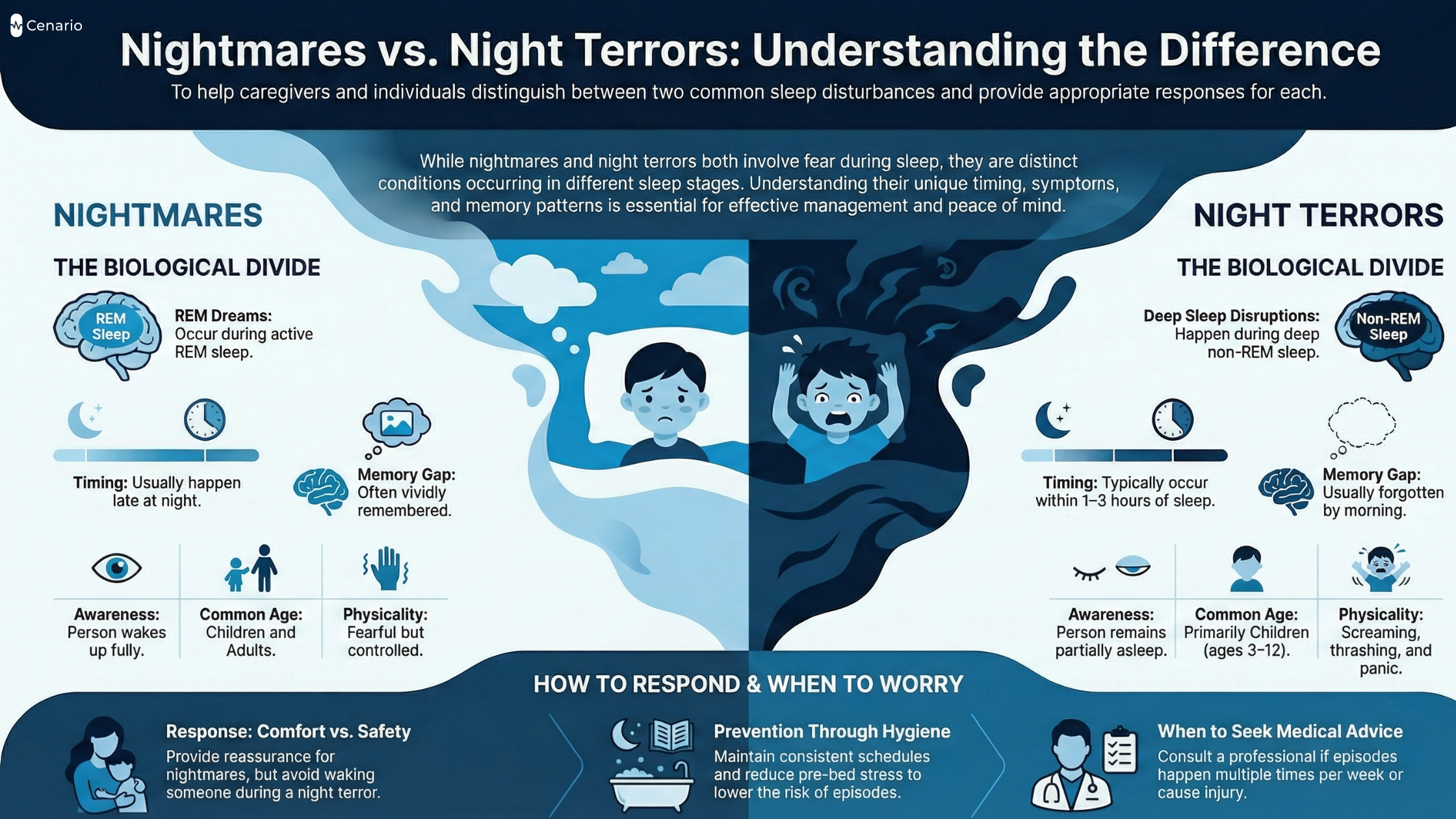
The Major Differences at a Glance
Here is an updated and clearer comparison chart showing the key differences between nightmares and night terrors:
| Feature | Nightmares | Night Terrors |
|---|---|---|
| Type of Sleep | Occur during REM sleep (dream stage) | Occur during deep non-REM sleep |
| Time of Night | Usually in the second half of the night | Usually in the first third of the night (1–3 hours after sleep begins) |
| Level of Awareness | Person fully wakes up | Person is partially asleep, not fully awake |
| Memory of Event | Dream is usually clearly remembered | Little or no memory the next day |
| Behavior During Episode | Crying, fear, calling for help | Screaming, thrashing, sitting up, intense panic |
| Ease of Comforting | Usually easy to comfort | Very difficult to comfort or wake |
| Emotional Intensity | Fearful but controlled | Extreme panic and physical reaction |
| Common Age Group | Children and adults | Mostly children (ages 3–12) |
| Cause | Often linked to stress, anxiety, trauma | Linked to disrupted deep sleep or sleep stage transitions |
| Risk of Injury | Low | Slightly higher due to movement or thrashing |
This chart highlights that while both involve fear during sleep, they differ in sleep stage, awareness, memory, intensity, and age group.
What Happens in the Brain?
To understand the difference fully, it helps to know a little about how sleep works.
Sleep has two main types:
- REM sleep – When most dreaming occurs. The brain is active, similar to when you are awake.
- Non-REM sleep – Deep, restorative sleep when the body repairs itself.
Nightmares and REM Sleep
During REM sleep, the brain processes emotions and memories. The amygdala, the part of the brain responsible for fear, is very active. If stress or anxiety is present, it may trigger frightening dreams.
Because REM sleep is close to wakefulness, a person can easily wake up and remember the dream.
Night Terrors and Non-REM Sleep
Night terrors happen during deep non-REM sleep, when the brain is transitioning between sleep stages. The brain is partially aroused, but not fully awake. This causes intense physical reactions without conscious awareness.
In simple terms:
- The body reacts as if in danger.
- The brain is not fully alert.
- The person is stuck between sleeping and waking.
Who Is More Likely to Experience Them?
Nightmares
- Common in both children and adults
- More frequent during stressful life events
- Common in people with anxiety or PTSD
Night Terrors
- Most common in young children
- Sometimes run in families
- Can occur in adults, but less frequently
- More likely when a person is sleep-deprived
Adults who experience night terrors may need medical evaluation, as it can sometimes be linked to underlying sleep disorders.
How Should You Respond?
If Someone Has a Nightmare:
- Gently comfort them
- Offer reassurance
- Encourage relaxation
- Help them return to sleep
Because they are awake and aware, emotional support works well.
If Someone Has a Night Terror:
- Do not try to shake or force them awake
- Make sure they are safe from injury
- Speak calmly and softly
- Wait for the episode to pass (usually 5–15 minutes)
Trying to wake someone during a night terror can make them more confused and upset.
When Should You Be Concerned?
Most nightmares and night terrors are harmless and temporary. However, you should consider seeking medical advice if:
- Episodes happen multiple times per week
- Sleep is severely disrupted
- Daytime functioning is affected
- There is risk of injury
- Nightmares are related to trauma
A healthcare provider may recommend therapy, stress management, improved sleep habits, or in rare cases, medication.
Ready to Improve Your Sleep?
If restless nights, nightmares, or sleep disruptions are affecting your well-being, don’t guess what your body needs. Take our quick sleep quiz to receive personalized supplement recommendations designed to support deeper sleep, relaxation, and overall recovery.
Your sleep challenges are unique, your solution should be too. Start the quiz today and take the first step toward calmer nights and more energized mornings.
Prevention and Management Strategies
Although you cannot completely prevent night disturbances, certain habits can reduce the risk.
1. Maintain a Consistent Sleep Schedule
Going to bed and waking up at the same time each day helps regulate sleep cycles.
2. Reduce Stress Before Bed
Try:
- Reading calming material
- Deep breathing exercises
- Gentle stretching
- Avoiding scary movies or intense discussions
3. Create a Comfortable Sleep Environment
- Keep the room dark and quiet
- Use a nightlight if needed for children
- Maintain a cool room temperature
4. Limit Stimulants
Avoid caffeine, heavy meals, and electronics close to bedtime.
Final Thoughts
Night terrors and nightmares may seem similar because they both involve fear during sleep. However, they are very different conditions with different causes, symptoms, and treatments.
Nightmares are frightening dreams that occur during REM sleep and are usually remembered.
Night terrors are intense episodes of fear that occur during deep non-REM sleep and are rarely remembered.
For most people, these events are a normal part of development or temporary stress. With proper sleep habits, stress management, and emotional support, they often improve over time.
Understanding the difference helps reduce fear, confusion, and unnecessary worry. If episodes become frequent or severe, seeking medical advice is always a wise step.
Sleep should be a time of peace, not panic and knowing what’s happening is the first step toward better rest.
If you’re looking to further support your sleep health, consider taking our quick sleep quiz to receive personalized supplement recommendations designed to support relaxation, deeper rest, and overall sleep quality. A few simple insights could help you build a more restful nighttime routine tailored to your needs.
Frequently Asked Questions
1. Can a person have both nightmares and night terrors?
Yes, although they are different conditions, a person can experience both at different times. Nightmares occur during REM sleep and are remembered, while night terrors happen during deep non-REM sleep and are usually not remembered. However, it is uncommon for both to happen frequently in the same individual without underlying stress or sleep disruption.
2. Are night terrors a sign of a mental health problem?
In children, night terrors are usually not linked to mental health disorders and are considered a normal part of development. In adults, however, frequent night terrors may sometimes be connected to high stress, trauma, anxiety disorders, or other sleep conditions. If episodes are severe or persistent, medical evaluation is recommended.
3. How can I reduce nightmares or night terrors naturally?
Improving sleep hygiene can significantly reduce both conditions. Helpful steps include maintaining a consistent sleep schedule, limiting screen time before bed, managing stress through relaxation techniques, and creating a calm sleep environment. For trauma-related nightmares, therapy such as cognitive behavioral therapy (CBT) can be especially effective.