

Introduction
Struggling to fall asleep at the right time or waking up groggy can throw off your entire day. Whether it’s jet lag, shift work, or inconsistent sleep habits, an unbalanced sleep cycle affects mental clarity, mood, and overall well-being. Sleep isn’t just passive—it’s crucial for mental health, physical recovery, and emotional balance. When your sleep cycle is off, it can lead to irritability, trouble focusing, and even long-term health issues if left unchecked.
If you need a quick fix, this guide will teach you how to reset your sleep cycle in one night, helping you regain control over your rest and well-being. By understanding the science behind your sleep patterns and applying practical, evidence-based strategies, you can achieve more restful, refreshing sleep starting tonight.
Understanding Your Sleep Cycle
Your sleep cycle runs on a circadian rhythm—an internal clock that governs your sleep-wake patterns over a 24-hour period. This rhythm influences when you feel awake and when you feel sleepy, heavily affected by external cues like light and temperature. It controls the release of melatonin (the sleep hormone) and cortisol (the hormone that helps you feel alert).
Sleep itself has stages: light sleep, deep sleep, and REM (rapid eye movement) sleep. Each stage serves a unique purpose, from repairing your body and supporting your immune system to strengthening memory and processing emotions. Your body ideally cycles through these stages several times each night, with each cycle lasting around 90 minutes.
Factors like light exposure, meal timing, stress, and physical activity influence this rhythm. Disruptions—like late-night screen time, inconsistent sleep schedules, or time zone changes—can lead to insomnia, fatigue, mood swings, and poor cognitive function. Understanding how your sleep cycle works is the first step to effectively resetting it.

Step-by-Step Guide to Reset Your Sleep Cycle in One Night
1. Wake Up Early (Even If You Didn’t Sleep Well)
To reset your sleep cycle effectively, start by waking up early, ideally around sunrise. Even if you’ve had a rough night, resist the urge to sleep in. This helps realign your circadian rhythm with the natural light-dark cycle. Set an alarm to ensure you wake up on time, and avoid the snooze button—fragmented sleep can make you feel groggier. Waking up early increases your sleep pressure, making it easier to fall asleep at your desired bedtime.
2. Get Plenty of Natural Light
Exposure to natural sunlight in the morning is key because it signals to your brain that it’s time to be awake. This process helps regulate your internal clock by boosting serotonin, which improves mood, focus, and alertness during the day, and converts into melatonin at night to promote sleep. Aim for at least 30 minutes of sunlight—go for a morning walk, sit near a sunny window, or enjoy your coffee outside. The earlier you get light exposure, the more effectively you can shift your sleep cycle.
3. Avoid Napping
While napping might seem like a good way to catch up on lost sleep, it can interfere with your body’s natural sleep drive, making it harder to fall asleep at night. If you must nap, keep it short—10 to 20 minutes—and do it before 3 PM. Short naps can give you an energy boost without affecting nighttime sleep. However, skipping naps altogether increases sleep pressure, helping you fall asleep faster and enjoy deeper sleep when bedtime comes.
4. Exercise Early in the Day
Physical activity helps regulate your sleep-wake cycle by using up energy and reducing stress hormones. Aim for at least 30 minutes of moderate exercise in the morning or early afternoon, like brisk walking, jogging, cycling, or yoga. Morning exercise reinforces your body’s natural circadian cues, signaling that it’s daytime. Avoid vigorous workouts close to bedtime—adrenaline and elevated body temperature can make it harder to wind down and fall asleep.
5. Eat Light, Early Dinners
What and when you eat can greatly impact your sleep. Heavy meals, spicy foods, or high-fat dishes late at night can cause discomfort, indigestion, or acid reflux, disrupting your rest. Aim to have dinner at least three hours before bedtime, focusing on sleep-promoting foods like complex carbs (quinoa, brown rice), lean proteins (turkey, tofu), and magnesium-rich vegetables (spinach, broccoli). Tryptophan-rich foods, like bananas, nuts, and seeds, can also support melatonin production.
6. Establish a Relaxing Bedtime Routine
A consistent, calming bedtime routine signals to your brain that it’s time to transition from wakefulness to sleep. Start winding down at least an hour before your target bedtime. Try activities like:
- Reading a book (preferably something light)
- Gentle yoga or stretching exercises
- Meditation, deep breathing, or muscle relaxation
- Listening to calming music or nature sounds
Avoid screens—phones, tablets, computers, and TVs—as blue light suppresses melatonin, making it harder to fall asleep. If you need to use devices, activate blue light filters or wear blue light-blocking glasses.
7. Use Sleep Supplements Wisely
Natural sleep supplements can be helpful when resetting your sleep cycle, especially if you’re adjusting to a new schedule due to travel, work changes, or sleep issues. Consider:
- Melatonin: A hormone that regulates sleep. A low dose (0.5–3 mg) 30–60 minutes before bed can signal your body that it’s time to sleep.
- Magnesium: Helps relaxation by regulating neurotransmitters and calming the nervous system.
- L-Theanine: Found in green tea, it promotes relaxation without causing drowsiness.
Consult with a healthcare professional before starting new supplements, especially if you have health conditions or take medication.
8. Create the Perfect Sleep Environment
Optimizing your bedroom can significantly improve your ability to fall and stay asleep. Create a space that’s cool, dark, quiet, and comfortable:
- Temperature: Keep the room cool (60–67°F or 15–19°C). A drop in body temperature signals your body that it’s time to sleep.
- Darkness: Use blackout curtains, an eye mask, or cover any electronic lights to promote melatonin production.
- Noise Control: Reduce disruptive sounds with earplugs, white noise machines, or calming background noises like rain or ocean waves.
- Comfort: Invest in a supportive mattress and pillows. Ensure your bedding is clean and cozy.
- Declutter: A tidy room promotes calm, helping you relax before bed.
By following these steps, you can effectively reset your sleep cycle in just one night, setting the stage for healthier, more restorative sleep long-term. Consistency is key—repeating these habits regularly will reinforce your natural sleep-wake rhythms.
Explore Cenario’s range of sleep supplements to find natural solutions tailored to your unique needs. Always consult with a healthcare professional before starting any new supplement, especially if you have existing health conditions or are on medication.

The Role of Melatonin in Resetting the Sleep Cycle
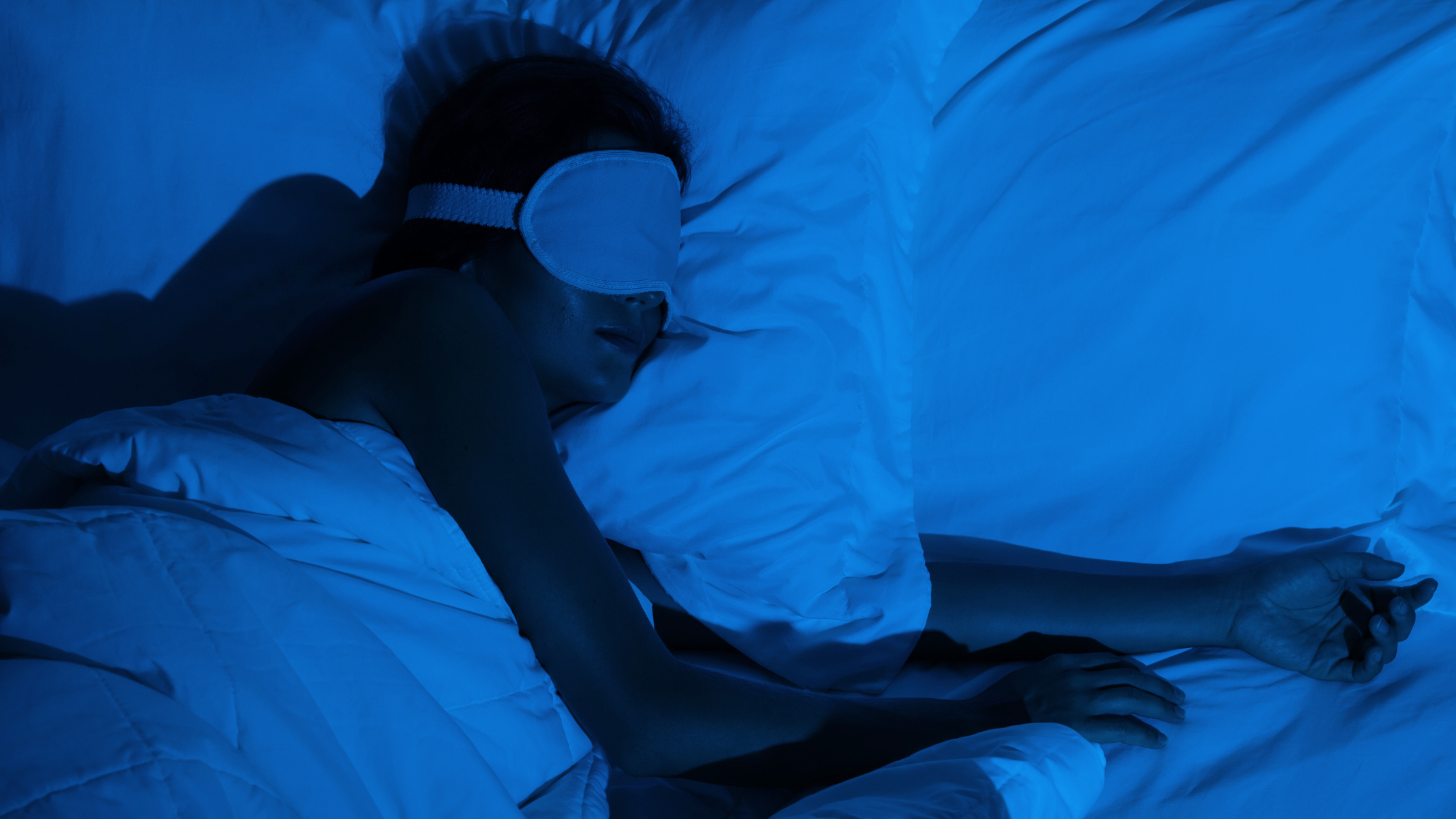
Melatonin is a natural hormone produced by the pineal gland in the brain. It plays a key role in regulating your sleep-wake cycle. Melatonin production increases in response to darkness, signaling to your body that it’s time to wind down. Conversely, exposure to light—especially blue light from screens—can suppress melatonin, making it harder to fall asleep.
When resetting your sleep cycle, melatonin supplements can be beneficial. They’re often used to combat jet lag, shift work sleep issues, and insomnia. Melatonin works best when taken 30–60 minutes before your target bedtime. Start with a low dose (0.5–1 mg) to avoid grogginess the next day.
The Impact of Blue Light and How to Minimize Its Effects
Blue light from smartphones, tablets, computers, and LED lighting can disrupt your circadian rhythm. It suppresses melatonin production, tricking your brain into thinking it’s still daytime. This can delay sleep onset and reduce sleep quality.
To minimize blue light’s effects:
- Use blue light filters or “night mode” on devices after sunset
- Wear blue light-blocking glasses
- Limit screen time at least one hour before bed
- Opt for warm, dim lighting in the evening
The Importance of Sleep Hygiene in Maintaining a Healthy Sleep Cycle
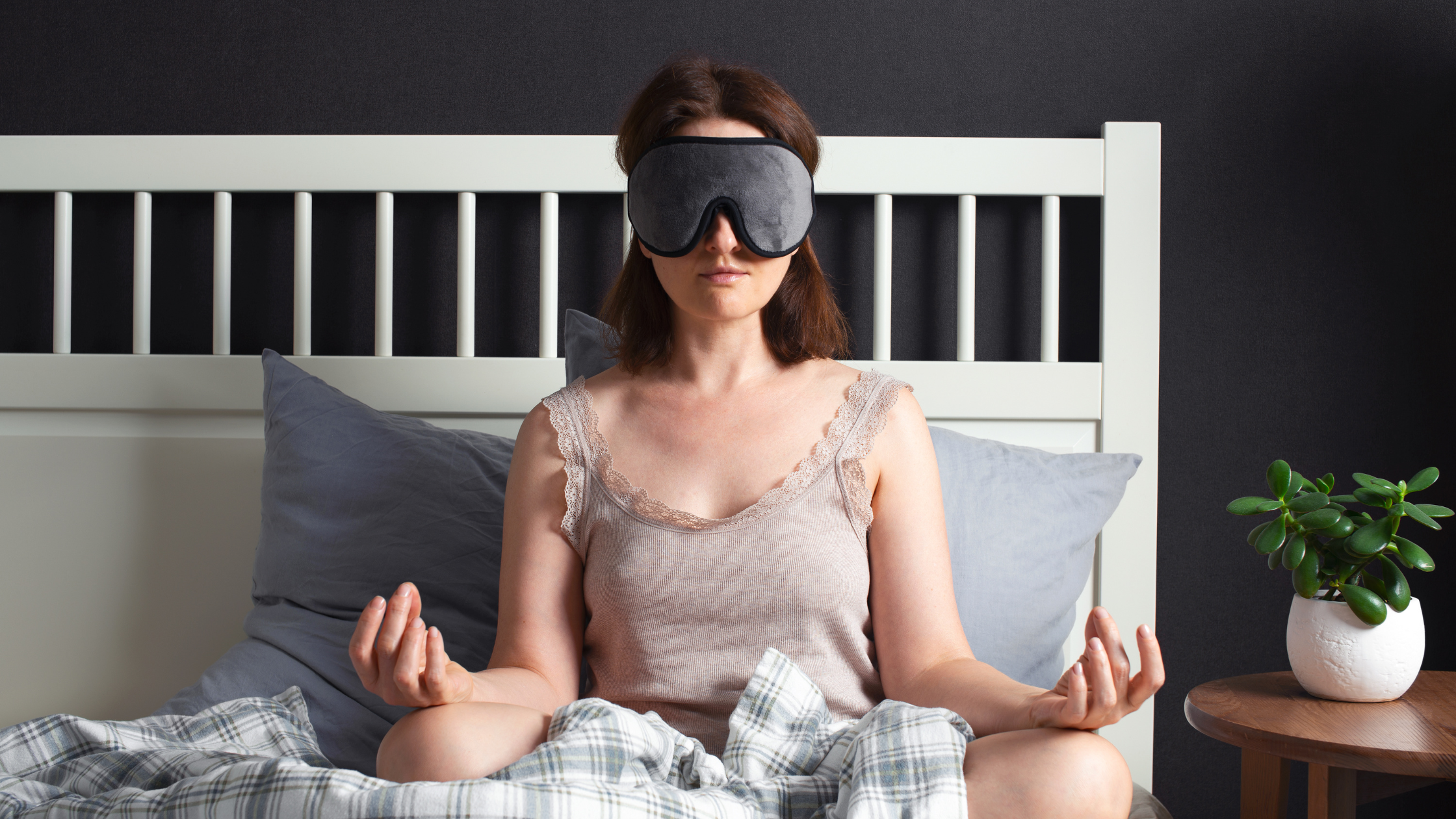
Sleep hygiene refers to habits that promote consistent, quality sleep. Good sleep hygiene helps maintain a healthy sleep cycle and prevents disruptions.
Key practices include:
- Keeping a consistent sleep schedule, even on weekends
- Creating a cool, dark, quiet sleep environment
- Avoiding large meals, caffeine, and alcohol close to bedtime
- Establishing a relaxing pre-sleep routine like reading or meditating
How Stress and Anxiety Affect Your Sleep Cycle
Stress and anxiety can significantly affect your sleep. When stressed, your body produces more cortisol, a hormone that keeps you alert. High cortisol levels can delay sleep onset, reduce deep sleep, and cause frequent awakenings.
To manage stress for better sleep:
- Practice mindfulness meditation or deep breathing exercises
- Exercise regularly to lower stress hormones
- Journal to process anxious thoughts before bed
- Explore natural supplements like L-Theanine, Magnesium, and Ashwagandha
The Science of Sleep Debt and How It Affects Resetting Your Cycle
Sleep debt refers to the accumulated effect of not getting enough rest. It can lead to brain fog, mood changes, and weakened immunity. While you can’t fully “catch up” on lost sleep, you can repay some of that debt by prioritizing consistent rest.
Strategies to recover from sleep debt:
- Aim for consistent, quality sleep over several nights
- Avoid long naps that disrupt nighttime sleep
- Gradually adjust your bedtime earlier in 15-minute increments
Using Cenario’s Supplements to Support Sleep Cycle Reset
Cenario offers a range of supplements designed to support healthy sleep. These products can be particularly helpful when resetting your sleep cycle:
- Melatonin: Helps regulate sleep-wake cycles, especially useful for jet lag or shift work.
- Magnesium: Promotes relaxation and reduces stress.
- L-Theanine: Enhances calmness without causing drowsiness.
- Valerian Root: Known for its sedative properties, aiding in sleep onset.
- GABA: Supports neurotransmitter function to reduce anxiety and promote restful sleep.
Explore Cenario’s sleep supplements to find the right solution for your needs.
Conclusion
Resetting your sleep cycle in one night is possible with the right strategies: early wake-ups, natural light exposure, physical activity, and a calming bedtime routine. Incorporating natural sleep supplements from Cenario can further support your journey to restful nights.
Ready to Take Control of Your Stress?
Start your journey towards better well-being today with Cenario! Here’s how:
- Explore Cenario’s Products – Discover supplements crafted to support your wellness goals and boost your physical and mental health.
- Take Our Mental Health Assessment – Identify your unique needs and receive personalized recommendations tailored just for you.
- Download Our E-books – Gain in-depth knowledge with “The Deep Sleep Manual” to help you understand and improve your sleep quality.
Stay Informed and Take Charge of Your Well-Being
Your wellness journey is ongoing, and staying informed can help you build lasting resilience. Subscribe to our newsletter for expert insights, practical wellness tips, and exclusive benefits, including:
- ✅ Early access to the latest research-backed supplements.
- ✅ Exclusive discounts and updates on new product launches.
- ✅ Actionable health tips to support your mind and body.
- ✅ A chance to win a 1-month supply of supplements or one of our best-selling products!
Take the quiz and take the first step toward a healthier, more balanced life.
Your well-being starts today!
Frequently Asked Questions
How do I reset my sleep cycle fast?
To reset your sleep cycle quickly, stick to consistent wake-up times, even on weekends. Get plenty of natural sunlight early in the morning to help regulate melatonin production. Avoid napping, limit caffeine intake, and establish a calming bedtime routine. You can also consider natural sleep aids like melatonin or magnesium to support the adjustment.
Can you fix your sleep schedule in one night?
Yes, it’s possible to start resetting your sleep schedule in just one night. Wake up early, expose yourself to natural light, and avoid taking naps during the day. Following strict sleep hygiene habits and creating a sleep-friendly environment will help you fall asleep at your desired time.
What are the signs of a disrupted sleep cycle?
Signs of a disrupted sleep cycle include trouble falling asleep, waking up frequently at night, feeling groggy when you wake up, experiencing daytime fatigue, irritability, and difficulty concentrating.
Can diet affect my sleep cycle?
Yes, your diet can have a big impact on your sleep. Eating heavy meals, consuming caffeine, or having sugary foods close to bedtime can disrupt your rest. On the other hand, foods rich in magnesium, tryptophan, and complex carbohydrates can help promote better sleep.
How long does it take to fully reset a sleep schedule?
While you can kickstart the process in just one night, fully resetting your sleep schedule might take several days to a week. It depends on how disrupted your cycle is and how consistently you follow healthy sleep habits.