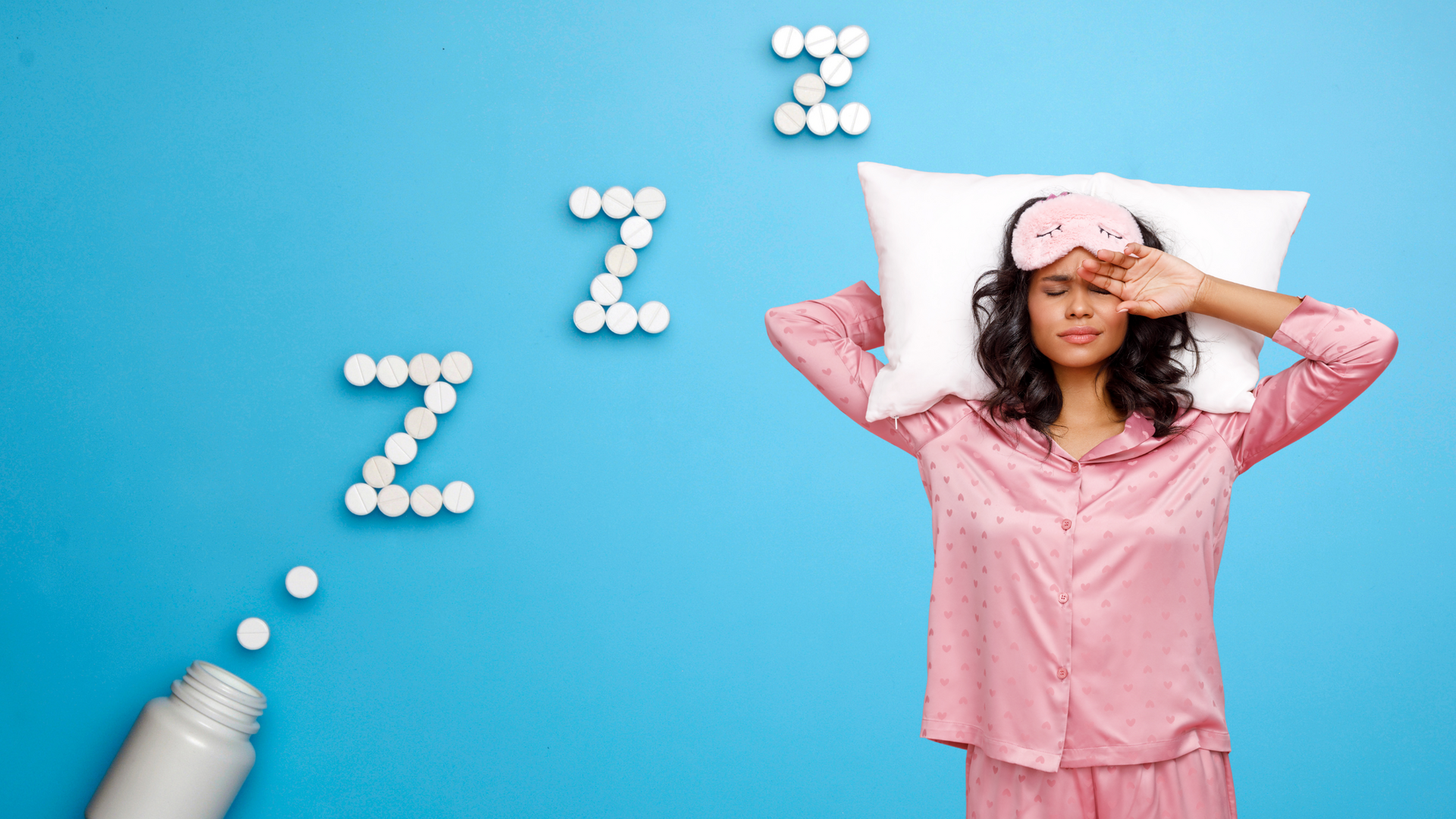

Getting a good night’s sleep is essential for both physical and mental health. Yet millions of people struggle with falling asleep, staying asleep, or waking up too early. When sleep problems become frequent, many people turn to an over the counter sleep aid for help. But with so many options available, it can be difficult to know which remedies are safe, effective, and right for you.
This guide explains how over-the-counter (OTC) sleep aids work, the most common types available, their benefits and risks, and how to use them safely. If you want to explore more tips, expert insights, and science-backed advice, be sure to read more or dive deeper into our sleep-related blog articles here at Knowledge Hub.
Why Sleep Matters
Sleep plays a critical role in:
- Memory and learning
- Emotional regulation
- Immune system function
- Heart health
- Hormone balance
- Energy and focus
Adults typically need 7–9 hours of sleep per night. Chronic sleep deprivation can increase the risk of anxiety, depression, high blood pressure, diabetes, and weakened immunity.
If lifestyle changes alone are not enough to improve sleep, OTC sleep aids may provide short-term support.
What Is an Over the Counter Sleep Aid?
An over the counter sleep aid is a medication or supplement you can purchase without a prescription to help improve sleep. These products are generally intended for short-term use and mild insomnia.
OTC sleep aids typically fall into two main categories:
- Antihistamine-based medications
- Natural or dietary supplements
Each type works differently in the body.
1. Antihistamine-Based Sleep Aids
These are among the most common non-prescription sleep medications. They were originally developed to treat allergies but have sedating side effects that can promote sleep.
Common Active Ingredients
- Diphenhydramine (found in products like Benadryl and some nighttime sleep formulas)
- Doxylamine (found in certain nighttime cold medications and sleep aids)
How They Work
Antihistamines block histamine, a chemical in the brain that promotes wakefulness. When histamine is blocked, drowsiness increases, helping you fall asleep.
Benefits
- Widely available
- Inexpensive
- Effective for short-term use
- Fast-acting (usually within 30–60 minutes)
Potential Side Effects
- Dry mouth
- Dizziness
- Constipation
- Blurred vision
- Next-day drowsiness
- Confusion (especially in older adults)
Important Considerations
Antihistamine sleep aids are generally not recommended for long-term use. The body can build tolerance quickly, meaning they become less effective over time. Older adults should use caution because these medications can increase the risk of falls and confusion.
2. Melatonin Supplements
Melatonin is a hormone naturally produced by the brain. It helps regulate your circadian rhythm (sleep-wake cycle).
How It Works
Melatonin levels rise in the evening when it gets dark, signaling to your body that it’s time to sleep. Supplementing with melatonin can help reset your internal clock.
Best For
- Jet lag
- Shift work sleep issues
- Delayed sleep phase disorder
- Mild insomnia
Benefits
- Generally well tolerated
- Non-habit forming
- Helpful for adjusting sleep timing
Possible Side Effects
- Headache
- Nausea
- Dizziness
- Vivid dreams
- Daytime sleepiness (if dose is too high)
Dosage Tips
Many people take more melatonin than necessary. Effective doses are often between 0.5 mg and 5 mg. Starting with a lower dose is usually best.
3. Herbal and Natural Remedies
Some individuals prefer plant-based sleep aids. While research varies, certain herbs have shown potential benefits.
Valerian Root
- May reduce time to fall asleep
- Can improve sleep quality
- May cause mild digestive upset
Chamomile
- Often consumed as tea
- Has mild calming effects
- Generally very safe
Magnesium
- Helps relax muscles
- Supports nervous system function
- May improve sleep in people with deficiencies
While many herbal remedies are considered safe, they are not regulated as strictly as medications. Quality and effectiveness can vary between brands.
Not sure which option is right for you? Take our quick quiz to get personalized supplement recommendations designed around your sleep needs and lifestyle.
Are Over the Counter Sleep Aids Safe?
For most healthy adults, OTC sleep aids are safe when used as directed and for short periods. However, they are not a permanent solution for chronic insomnia.
You Should Talk to a Healthcare Provider If You:
- Have trouble sleeping for more than two weeks
- Experience severe insomnia
- Have breathing problems like sleep apnea
- Take other medications
- Are pregnant or breastfeeding
- Are over age 65
- Have liver or kidney disease
OTC sleep aids can interact with other medications, including antidepressants, blood pressure drugs, and sedatives.
Tips for Using Sleep Aids Safely
- Use the lowest effective dose
- Do not mix with alcohol
- Avoid driving after taking
- Limit use to short-term support
- Read labels carefully
Remember that sleep aids help with symptoms but do not address underlying causes such as stress, anxiety, or poor sleep habits.
Improving Sleep Naturally
Before relying on medication, it’s important to strengthen your sleep hygiene. Many people find significant improvement through behavioral changes alone.
Healthy Sleep Habits
- Go to bed and wake up at the same time every day
- Avoid screens at least 1 hour before bed
- Limit caffeine after early afternoon
- Keep your bedroom cool and dark
- Exercise regularly, but not right before bed
- Avoid large meals late at night
Cognitive Behavioral Therapy for Insomnia (CBT-I) is also highly effective and recommended as a first-line treatment for chronic insomnia.
When to Seek Medical Help
If sleep problems persist despite lifestyle changes and OTC treatments, consult a healthcare professional. Chronic insomnia can sometimes signal:
- Anxiety disorders
- Depression
- Thyroid issues
- Sleep apnea
- Restless leg syndrome
A proper evaluation ensures you receive the right treatment.
Final Thoughts
An over the counter sleep aid can be a helpful short-term solution for occasional sleeplessness. Options like antihistamines and melatonin are widely available and effective for many people when used responsibly. However, they should not replace healthy sleep habits or medical care when needed.
If you’re experiencing ongoing sleep issues, addressing the root cause is the best long-term strategy. Quality sleep is not just a luxury, it is a foundation for overall health and well-being.
If you’re unsure which supplement or approach fits your needs, take our quick quiz to get personalized supplement recommendations designed around your sleep patterns, lifestyle, and wellness goals.
Frequently Asked Questions
1. How long can I safely use an over the counter sleep aid?
Most over the counter sleep aids are intended for short-term use, typically no longer than two weeks unless directed by a healthcare professional. Prolonged use can reduce effectiveness and may increase the risk of side effects or dependency, especially with antihistamine-based products. If sleep problems continue beyond two weeks, it’s best to consult a healthcare provider.
2. Is melatonin safer than antihistamine sleep aids?
Melatonin is generally considered safer for short-term and occasional use because it is a hormone naturally produced by the body and is not habit-forming. Antihistamines, while effective, may cause more side effects such as next-day drowsiness, dry mouth, and confusion, particularly in older adults. The best option depends on your specific sleep issue and overall health.
3. Can I take an over the counter sleep aid every night?
It is not recommended to rely on sleep aids every night without medical supervision. Regular use can lead to tolerance, meaning the medication becomes less effective over time. Instead, focus on improving sleep hygiene and addressing underlying causes of insomnia. Sleep aids should be used as temporary support, not a long-term solution.