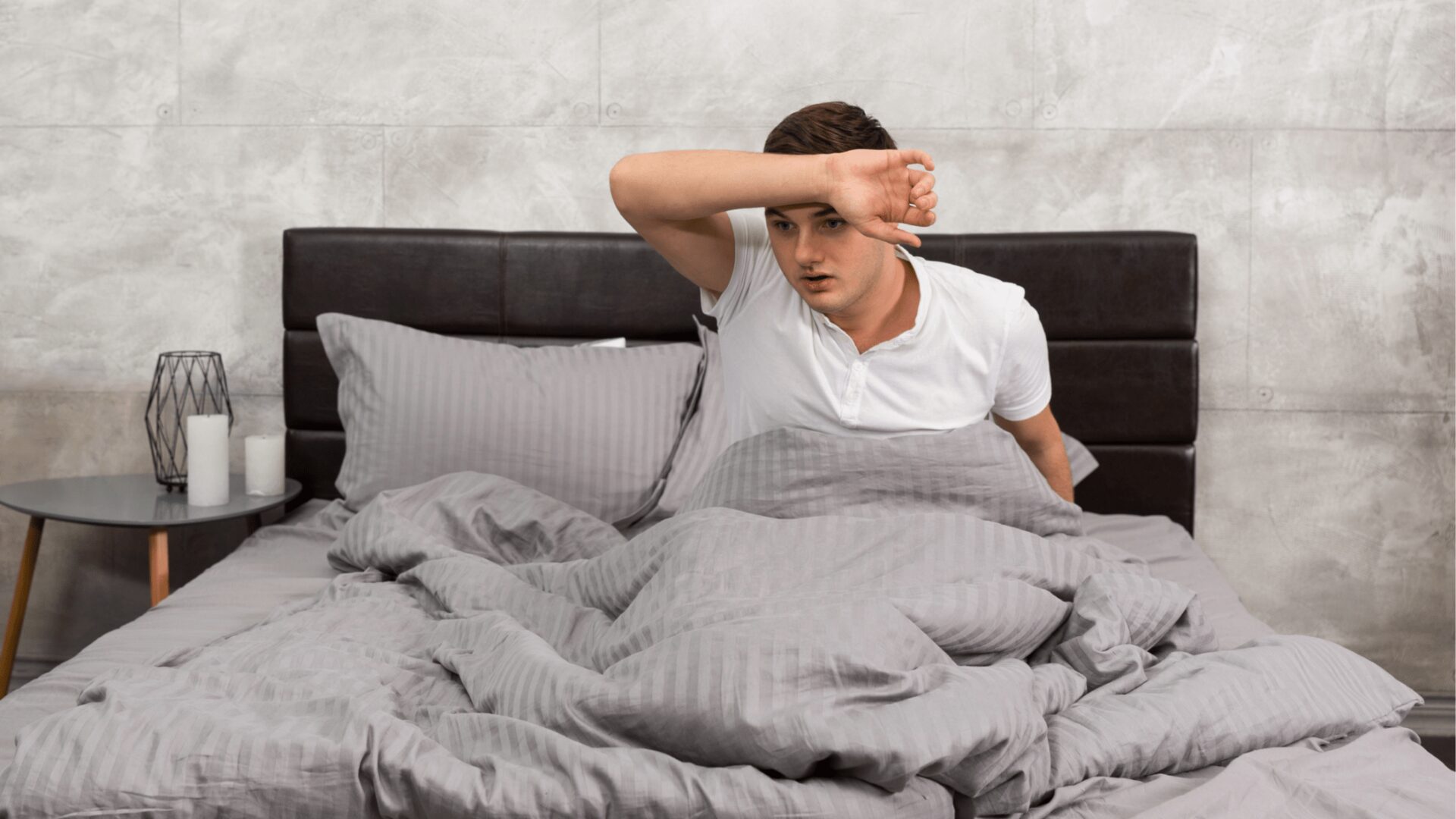

Understanding Night Terrors
Sleep is meant to recharge the mind and body, but for some, it can be disrupted by frightening experiences. If you’ve ever wondered what is a night terror, it refers to a type of sleep disturbance that causes sudden fear, screaming, or movement during the deeper stages of sleep. Unlike bad dreams, these episodes usually occur in non-REM (NREM) sleep, often leaving the person unaware of what happened the next morning.
Night terrors—also called sleep terrors—are a type of parasomnia, which refers to unusual behaviors that happen during sleep. Unlike ordinary sleep movements or dreams, night terrors are intense episodes of fear and confusion that happen while the person is still asleep.
These episodes usually take place during deep NREM sleep (slow-wave sleep), often within the first few hours of falling asleep. Because they occur outside of REM sleep, where dreaming happens, the person experiencing a night terror typically has no memory of the event the next day.
According to the American Academy of Sleep Medicine, night terrors are most common in children but can also persist—or even begin—in adulthood. People may experience night terrors due to stress, disruptions in the sleep-wake cycle, or underlying sleep and health conditions.
Causes of Night Terror Episodes
Night terrors don’t usually have one single cause, but a variety of triggers may set them off:
- Sleep deprivation or lack of sleep – Poor or irregular rest makes episodes more likely.
- Stress and anxiety – High stress levels can affect the brain’s ability to move smoothly between sleep stages.
- Obstructive sleep apnea – Breathing interruptions can cause sudden arousals during deep sleep.
- Restless legs syndrome – Involuntary movements can disrupt normal eye movement NREM sleep.
- Fever or illness – More common in children, as body temperature changes affect sleep depth.
- Family history – Parasomnias like sleepwalking and night terrors often run in families.
- Medications or stimulants – Certain drugs interfere with normal REM sleep transitions.
Signs and Symptoms
When night terror episodes occur, they can be intense and frightening to witness. Unlike a nightmare, the person is not simply dreaming but physically reacting while still asleep. Common signs include:
- Sudden screaming, crying, or shouting during sleep
- Elevated heart rate, rapid breathing, and heavy sweating
- Eyes open but unfocused, with a blank or confused expression
- Thrashing, kicking, or attempting to get out of bed, sometimes dangerously
- Difficulty when you try to wake your child or the adult, often without success
- Disorientation if briefly awakened, with little awareness of surroundings
- No memory of the episode the next morning
-min.png)
Night Terrors in Adults vs. Children
Night terrors can affect both children and adults, but the way they appear and their long-term impact often differ.
Night Terrors in Children
- Age of onset: Most common between ages 3 and 12.
- Cause: Often linked to a developing nervous system, fevers, or changes in routine.
- Duration: Episodes usually last a few minutes and, while alarming to parents, rarely cause harm.
- Memory: Children almost never remember the event the next morning.
- Prognosis: Most children outgrow night terrors as their sleep patterns mature.
Night Terrors in Adults
Although less common, night terrors in adults tend to be more intense and disruptive:
- Greater risk of injury – Adults are more physically active during episodes, increasing the chance of falling, bumping into objects, or hurting themselves or others.
- Triggered by lifestyle factors – Sleep deprivation, high stress, and alcohol or drug use can all increase frequency.
- Co-existing conditions – Adults experiencing night terrors often also have obstructive sleep apnea, restless legs syndrome, or other sleep-related conditions.
- Daytime impact – Unlike children, adults often deal with persistent daytime sleepiness, fatigue, or difficulty concentrating because of repeated sleep disruptions.
- Underlying concerns – In some cases, night terrors in adults may be linked to a mental disorder, post-traumatic stress, or neurological conditions.
Treatment and Management
In most cases, night terrors are not a sign of something dangerous and don’t require medication. However, certain lifestyle changes and professional guidance can greatly reduce their frequency and impact.
1. Improve Sleep Hygiene
Good sleep habits are the first step in preventing night terror episodes:
- Consistent sleep-wake schedule – Going to bed and waking up at the same time every day helps regulate the sleep cycle.
- Limit stimulants before bed – Avoid caffeine, alcohol, and heavy meals in the evening, as they can disrupt deep sleep.
- Screen-free routine – Turn off electronic devices at least an hour before bedtime to encourage a natural transition into sleep.
- Sleep-friendly environment – Keep the bedroom dark, quiet, and cool to support healthy NREM sleep.
2. Reduce Stress and Anxiety
Since emotional stress can disturb sleep, relaxation strategies can make a big difference:
- Try calming techniques such as yoga, deep breathing, or meditation.
- Establish a relaxing bedtime routine (reading, soft music, or warm bath).
- Address underlying emotional stressors during the day, rather than carrying them into sleep.
3. Scheduled Awakenings
For children who regularly experience night terrors, parents can try scheduled awakenings:
- Gently wake your child about 15–30 minutes before their usual episode time.
- This interrupts the sleep cycle and may prevent the night terror from occurring.
- Over time, this approach can help regulate and stabilize the body’s natural sleep rhythm.
4. Seek Professional Guidance
Medical evaluation is important if:
- Episodes happen often and disrupt rest.
- The person gets injured during an episode.
- There is persistent daytime sleepiness or difficulty functioning.
- Episodes are linked with obstructive sleep apnea, restless legs syndrome, or another sleep disorder.
The American Academy of Sleep Medicine emphasizes that adults who have frequent or severe night terrors should consult a sleep specialist. In some cases, therapy, treatment of underlying sleep disorders, or short-term medication may be recommended.
Frequently Asked Questions
What happens during a night terror?
During a night terror, an individual may abruptly sit up, scream, cry, or exhibit vigorous movements while remaining in deep NREM sleep. Physiological changes such as an accelerated heart rate, rapid breathing, and profuse sweating are common. Although the eyes may appear open, they typically have a vacant or unfocused look. The person is generally difficult to awaken during the episode and, in most cases, has little to no recollection of the event upon waking the next morning.
What’s a night terror vs. a nightmare?
Nightmares happen during REM sleep (when most dreaming occurs). The person usually wakes up and remembers the bad dream.
Night terrors occur during non-REM deep sleep, often in the first few hours of the night. Unlike nightmares, they involve intense physical reactions (screaming, sweating, rapid heartbeat), and the person usually does not remember the event.
Can you be awake during a night terror?
Not fully. A person may appear awake—sitting up, walking, or even talking—but they are actually in a mixed state of sleep and wakefulness. Because their brain is still in deep sleep, they are disoriented and hard to awaken, and attempts to wake them can make the episode worse.
Are night terrors a form of anxiety?
Night terrors are not classified as an anxiety disorder. However, stress and anxiety can be strong triggers. They disturb the sleep-wake cycle, increasing the chance of night terror episodes. While anxiety doesn’t directly cause night terrors, managing stress can help reduce their frequency.
Final Thoughts
A night terror is a severe sleep disturbance that emerges during deep NREM sleep and is marked by sudden fear, confusion, and physical activity. Although most frequently observed in children, adults may also experience night terrors, often triggered by stress, insufficient sleep, or underlying sleep disorders such as obstructive sleep apnea.
Most cases resolve naturally, but improving sleep routines, reducing stress, and seeking help when needed can greatly reduce the frequency of episodes.
Looking for additional support to improve your sleep and mental wellness?
Take our quick quiz today and discover the best supplement plan tailored just for you—designed to restore your sleep, boost your energy, and support your mental wellness.
.