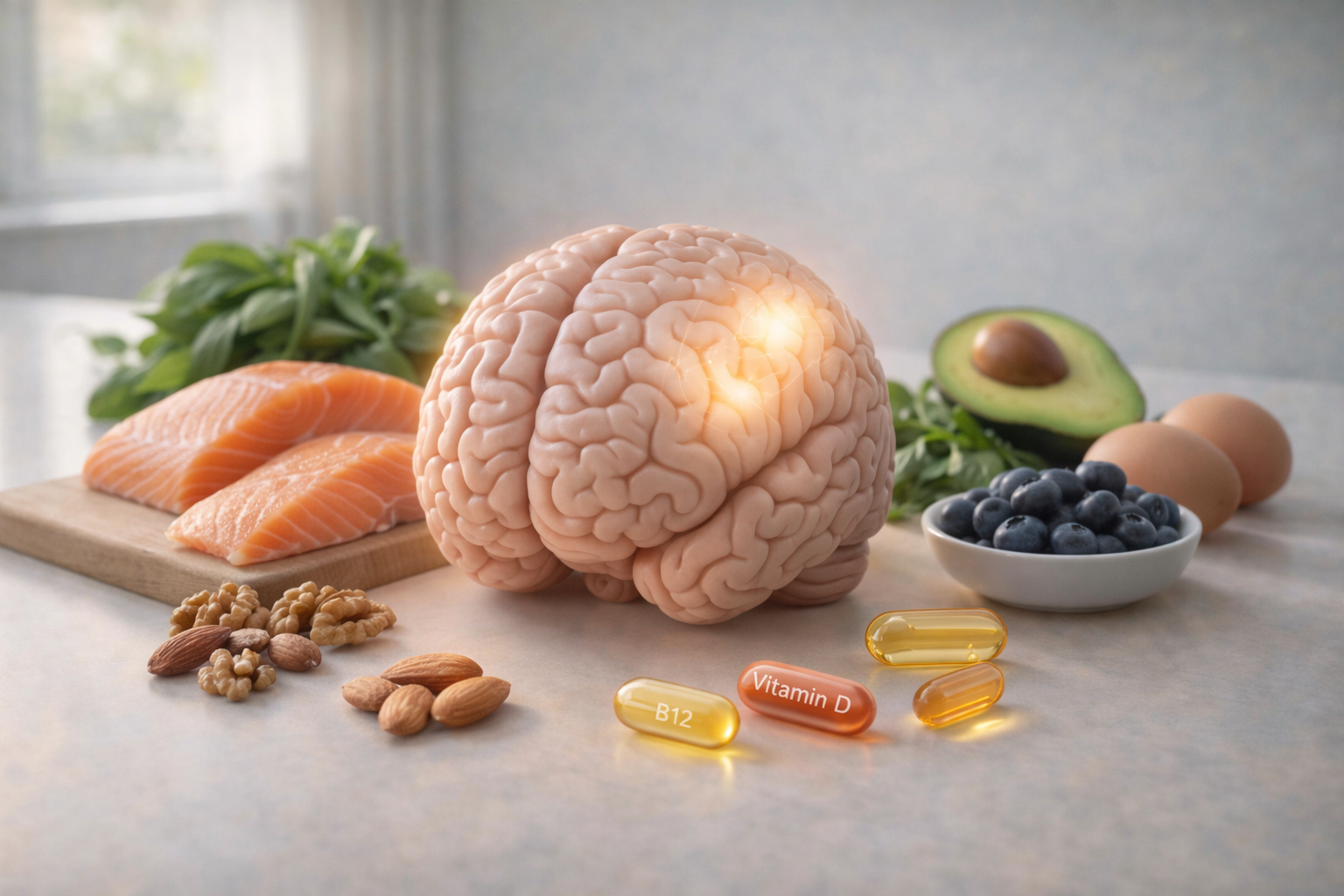

The brain is one of the most complex and important organs in the human body. It controls thoughts, memory, emotions, and the ability to learn new information. Because the brain is constantly active, it requires a steady supply of nutrients to function properly. Just like the rest of the body, the brain depends on vitamins and minerals to maintain its health and performance.
Memory problems, difficulty concentrating, and mental fatigue can sometimes be connected to nutritional deficiencies. When the brain does not receive the nutrients it needs, cognitive functions such as focus, learning, and memory formation may become less efficient.
Vitamins play an important role in supporting brain cells, protecting the nervous system, and maintaining healthy communication between neurons. Understanding which vitamins are most beneficial for brain health can help individuals make better dietary and lifestyle choices.
If you want to explore more topics related to mental health, focus, and cognitive performance, you can read additional articles in our Knowledge Hub. You can also take our quick quiz to get personalized supplement recommendations designed to support memory, focus, and overall brain health based on your individual needs.
This article explains some of the most important vitamins known to support memory and brain function.
The Role of Vitamins in Brain Health
Vitamins are essential nutrients that help regulate many biological processes in the body. In the brain, vitamins support several critical functions, including energy production, nerve communication, and protection against damage from harmful molecules known as free radicals.
Brain cells communicate through electrical and chemical signals. For these signals to travel efficiently, the body must maintain healthy nerve cells and produce neurotransmitters. Neurotransmitters are chemicals that allow brain cells to send messages to each other.
Certain vitamins help produce these neurotransmitters, while others protect brain tissue from inflammation and oxidative stress. Without adequate vitamin intake, these processes may become less efficient, which can affect memory, focus, and mental clarity.
Vitamin B Complex and Cognitive Function
One of the most important groups of vitamins for brain health is the vitamin B complex. This group includes several vitamins that work together to support the nervous system and cognitive performance.
Three B vitamins in particular, vitamin B6, vitamin B9 (folate), and vitamin B12 are closely linked to brain health.
Vitamin B6 helps produce neurotransmitters such as serotonin and dopamine. These chemicals influence mood, motivation, and concentration. When the body lacks vitamin B6, it may affect emotional balance and cognitive performance.
Vitamin B9, also known as folate, plays an important role in cell growth and DNA production. It is essential for maintaining healthy brain cells and supporting mental development.
Vitamin B12 is especially important for protecting nerve cells. It helps form the protective layer around nerves called myelin, which allows signals to travel efficiently through the nervous system. Low levels of vitamin B12 have been associated with memory difficulties, confusion, and cognitive decline.
Together, these B vitamins help maintain healthy brain function and support long-term cognitive health.
Vitamin D and Brain Function
Vitamin D is commonly known for its role in bone health, but it also plays an important role in the brain. Researchers have discovered that vitamin D receptors are present in many areas of the brain involved in memory and decision-making.
Vitamin D helps regulate nerve growth and supports communication between brain cells. It also contributes to reducing inflammation, which is important for maintaining healthy brain tissue.
Low levels of vitamin D have been linked to mood disorders, reduced cognitive performance, and an increased risk of memory problems. Because many people spend large amounts of time indoors, vitamin D deficiency has become relatively common.
The body produces vitamin D when the skin is exposed to sunlight. However, it can also be obtained through certain foods and supplements.
Maintaining adequate vitamin D levels can support both brain function and overall mental well-being.
Vitamin E and Brain Protection
Vitamin E is a powerful antioxidant that helps protect brain cells from damage. The brain is particularly vulnerable to oxidative stress because it consumes a large amount of oxygen and contains high levels of fatty acids.
Oxidative stress occurs when harmful molecules called free radicals damage cells and tissues. Over time, this damage can contribute to aging and cognitive decline.
Vitamin E helps neutralize these free radicals, reducing their impact on brain cells. By protecting cell membranes and supporting healthy nerve function, vitamin E may help preserve memory and cognitive abilities.
Foods such as nuts, seeds, and vegetable oils are natural sources of vitamin E. Maintaining a balanced diet that includes these foods can help support the brain’s protective systems.
Omega-3 Fatty Acids and Brain Structure
Although omega-3 fatty acids are technically not vitamins, they are often included in discussions about brain health because of their significant role in cognitive function.
One particular omega-3 fatty acid called DHA (docosahexaenoic acid) is a major structural component of brain cell membranes. It helps maintain the flexibility and stability of neurons, allowing them to communicate effectively.
Omega-3 fatty acids are also involved in reducing inflammation and supporting the formation of new brain cells. Research suggests that adequate omega-3 intake may support memory, attention, and overall cognitive performance.
Fish such as salmon, sardines, and mackerel are rich sources of omega-3 fatty acids. Plant-based sources include flaxseeds and walnuts.
Antioxidant Vitamins and Mental Clarity
Several vitamins support brain health because of their antioxidant properties. Antioxidants help protect the brain from long-term damage caused by inflammation and oxidative stress.
In addition to vitamin E, nutrients such as vitamin C also contribute to protecting brain cells. Vitamin C supports blood vessel health and helps maintain healthy circulation to the brain.
Good blood flow is important because the brain requires a constant supply of oxygen and nutrients. When circulation is strong, brain cells receive the resources they need to function efficiently.
Together, antioxidant vitamins help maintain a healthy environment for brain activity and cognitive performance.
Getting Vitamins from Food vs. Supplements
The best way to obtain vitamins is usually through a balanced and varied diet. Whole foods provide not only vitamins but also fiber, minerals, and other beneficial compounds that support overall health.
Foods that support brain health include:
- Leafy green vegetables
- Whole grains
- Nuts and seeds
- Fish rich in omega-3 fatty acids
- Fruits rich in antioxidants
However, some individuals may have difficulty meeting their nutritional needs through diet alone. Factors such as dietary restrictions, age, lifestyle, or certain health conditions can increase the risk of vitamin deficiencies.
In these situations, supplements may help support adequate nutrient intake. It is generally recommended to consult a healthcare professional before starting any new supplement routine.
Final Thoughts
Maintaining strong memory and cognitive function requires a combination of healthy habits, including proper nutrition, regular exercise, quality sleep, and mental stimulation. Vitamins play a key role in supporting these processes by protecting brain cells, supporting neurotransmitter production, and maintaining healthy nerve communication.
Important nutrients such as vitamin B complex, vitamin D, vitamin E, and omega-3 fatty acids contribute to the brain’s ability to learn, remember information, and stay mentally sharp.
While vitamins alone cannot replace a healthy lifestyle, ensuring that your brain receives the nutrients it needs can make a significant difference in long-term cognitive health.
If you want to further support your memory, focus, and overall brain performance, consider taking our quick quiz to get personalized supplement recommendations designed to improve cognitive function, mental clarity, and daily energy levels. The quiz helps identify nutrients that may support your brain based on your individual lifestyle and needs.
Frequently Asked Questions
1. What vitamin deficiency can cause memory problems?
Deficiencies in vitamins such as vitamin B12, vitamin B6, and vitamin D have been linked to memory difficulties and cognitive issues. These vitamins are important for nerve health, neurotransmitter production, and brain cell protection.
2. Are supplements necessary for brain health?
Not always. Many people can obtain the vitamins needed for brain health through a balanced diet that includes fruits, vegetables, whole grains, healthy fats, and lean proteins. Supplements may be useful for individuals who have specific deficiencies or dietary limitations.
3. How long does it take for vitamins to improve memory?
The effects of vitamins on brain health can vary depending on the individual and their nutritional status. If someone has a deficiency, improvements may occur after several weeks or months of consistent intake.
4. Can vitamins prevent memory loss as you age?
Vitamins alone cannot completely prevent memory loss, but maintaining proper nutrition can support brain health and reduce certain risk factors associated with cognitive decline. Combined with healthy lifestyle habits, adequate vitamin intake can help maintain mental performance over time.