

Thinking about how to boost your brain and memory power naturally? In a world that moves faster every year, better focus and sharper recall are not luxuries. They are practical tools for work, learning, and daily life. Many people now prefer natural approaches that build lasting cognitive resilience rather than short-term fixes.
Why Brain Health Matters Today
The brain governs thinking, memory, emotion, and decision making. Maintaining cognitive function supports independence as we age and improves quality of life at any stage. Lifestyle decisions such as what we eat, how much we move, and how well we sleep shape the brain’s ability to form and keep memories. Simple changes to daily habits can have a powerful effect on long-term cognition and on efforts to boost your brain and memory power naturally.
Trends In Cognitive Enhancement
Search interest and market growth for cognitive boosters have surged. Commercial products and nootropics are highly visible online. For example, branded supplements such as BrainMD Brain & Memory Power Boost appear frequently in search results and sales pages. These products promise quick gains in memory and focus, and some list ingredients that have shown effects in specific trials.
At the same time, a strong movement favors natural, evidence-based methods. Health organizations and research centers increasingly highlight diet patterns, physical activity, sleep, and mental engagement as reliable ways to support cognitive health. This shift reflects both caution about supplement claims and a desire for sustainable approaches to boost your brain and memory power naturally.
How This Guide Helps You
This post takes an expert, balanced view. We will explain practical, research-linked strategies that prioritize lifestyle choices over unproven shortcuts. Part two will dive into specific dietary strategies, exercise routines, and sleep habits that support cognition. We will also address common questions about supplements and point out where scientific support is strong and where it is limited.
If you want to improve daily focus and protect memory for years to come, start with realistic, science-minded steps. The goal is not a quick fix. It is a sustainable plan to boost your brain and memory power naturally while avoiding hype and risky claims.
Dietary strategies for brain and memory power boost
Food influences the brain in ways that add up over months and years. To boost your brain and memory power naturally, focus on patterns and specific nutrients rather than single “superfoods.” A diet rich in plants, healthy fats, and lean protein creates the biochemical environment the brain needs for learning and long-term memory.
Memory is not just about age. It is about how well your brain is supported every day.
Without the right nutrients, cognitive performance gradually declines.
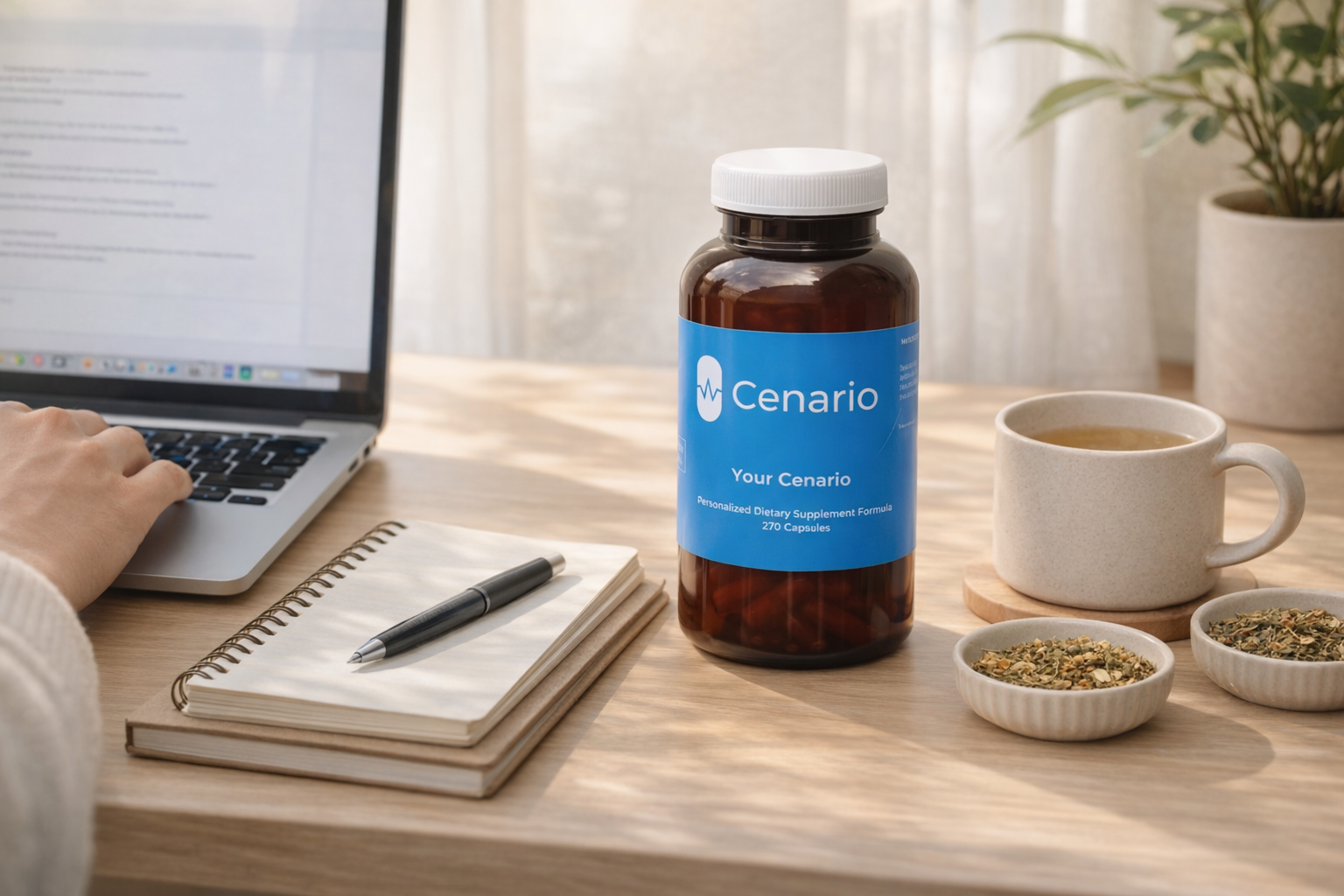
Discover what your brain actually needs to support memory and recall.
Try Cenario quiz now.
Better inputs lead to better output.
Mediterranean-style eating for cognitive resilience
Adopt a Mediterranean-style pattern: plenty of vegetables, fruits, whole grains, legumes, nuts, olive oil, and regular servings of fatty fish. Benefits include lower inflammation, healthier blood vessels, and better cellular health. Practical targets include:
- Two servings of fatty fish per week for omega-3 intake.
- Daily servings of leafy greens and colorful vegetables for vitamins and antioxidants.
- Replacing saturated fats with monounsaturated fats, such as extra virgin olive oil and avocados.
Brain-boosting foods to add to your weekly menu
Include foods that supply omega-3s, B vitamins, antioxidants, and phospholipids. These nutrients help with cell signaling, memory formation, and protection against age-related decline.
- Fatty fish like salmon and mackerel for EPA and DHA.
- Leafy greens such as kale and spinach for vitamin K and folate.
- Berries and cherries for flavonoids that support memory pathways.
- Nuts and seeds for vitamin E and healthy fats.
- Eggs and soy foods for phosphatidylserine precursors that help cell membranes.
- Whole grains and legumes for steadier blood sugar and B vitamin supply.
Lifestyle habits that enhance cognition and memory
Diet matters, but lifestyle multiplies its effects. Build habits that increase blood flow, aid cellular repair, and give the brain time to consolidate new information.
Exercise and physical activity
Aerobic exercise and resistance training both help memory. Aim for at least 150 minutes of moderate aerobic activity per week plus two sessions of strength training. Benefits include improved blood flow, increased brain-derived neurotrophic factor, and new neuronal connections.
- Examples: brisk walking, cycling, swimming, or group fitness classes for aerobic benefits.
- Strength work: bodyweight moves, free weights, or resistance bands to preserve muscle and metabolic health.
- Short bursts of movement during work breaks can sharpen focus and prevent mental fatigue.
Sleep and relaxation
Quality sleep is nonnegotiable for memory consolidation. Aim for seven to eight hours nightly and keep a consistent sleep schedule. Good sleep hygiene includes a cool, dark room, limiting screens before bed, and avoiding large meals and caffeine late in the day.
Relaxation techniques such as deep breathing, progressive muscle relaxation, or short mindfulness sessions lower stress hormones that interfere with learning and recall.
Critical view on supplements and claims
Many products promise fast gains in memory and attention. Approach supplements with caution. Few over-the-counter formulas have long-term, reproducible trials in diverse groups. When an ingredient does show benefit in clinical research, food sources or lifestyle changes often provide safer, broader advantages.
If you are considering a supplement, discuss it with a healthcare professional, particularly if you are taking medications or have health conditions. Prioritize proven lifestyle strategies first when aiming to boost your brain and memory power naturally.
Additional natural boosters to include
Hydration and nutrient timing
Even mild dehydration slows thinking and attention. Drink regularly throughout the day and choose nutrient-dense breakfasts that combine protein, healthy fat, and fiber to steady energy and support neurotransmitter production.
Mindfulness and mental workouts
Train attention and memory with deliberate mental challenges. Try spaced repetition for facts you want to retain, teach a new skill to someone else, or take on learning that forces your brain to build new connections. Mindfulness practice improves sustained attention, which helps translate learning into durable memory.
Final thoughts
For lasting brain and memory power boost, build an integrated plan that combines a nutrient-forward diet, regular physical activity, consistent sleep, hydration, and targeted mental practice. These approaches are low risk, cumulative, and often more reliable than quick-fix products. Start with one or two changes and measure how they affect your focus and recall over weeks. Small, steady habits create the strongest gains for thinking and memory over the long term.
Additional Natural Boosters To Include
Beyond diet, exercise, sleep, and basic hydration, several underused habits support long-term cognition. These strategies are practical, low risk, and pair well with the plans already discussed. They help sustain a steady brain and memory power boost without relying on pills.
Take the 3 minute assessment and build your personalized memory support formula.
Your brain is unique. Your inputs should be too.
Learn more about how memory works!
Hydration, Nutrient Timing, And Breakfast
Mild dehydration alters attention and processing speed. Aim to sip water throughout the day rather than waiting until you feel thirsty. Pair hydration with a nutrient-dense breakfast to steady blood sugar and feed neurotransmitter production.
- Breakfast ideas: Greek yogurt with berries and nuts, oatmeal with seeds and fruit, or a vegetable omelet with whole-grain toast.
- Timing tip: Consume protein and healthy fat within an hour of waking to support focus for morning tasks.
Mindfulness, Focus Training, And Spaced Repetition
Mindfulness practice and focused learning routines strengthen attention and memory pathways. Short daily sessions of mindful breathing or guided attention improve sustained focus. Combine that with spaced repetition for facts you need to retain.
- Try 10 minutes of focused breathing each morning and two 5-minute review sessions for new information during the day.
- Use active recall techniques such as self-testing and teaching material to someone else to lock in memory.
Gut Health, Inflammation, And Brain Signaling
Emerging research links gut health and inflammation to cognition. A diet high in fiber, fermented foods, and polyphenol-rich produce supports a diverse microbiome. Reducing processed foods and added sugars helps lower chronic inflammation that can impair memory over time.
Social Connection, Novelty, And Environment
Regular social interaction and new experiences stimulate neuroplasticity. Learning a language, taking a class, or engaging in group activities introduces novelty that forces the brain to form new connections. Also, organize your workspace to reduce distractions and improve focus during concentrated work sessions.
Practical Plan To Track Progress
Small measurable steps help you stay motivated. Choose two habits to add each month and track them in a simple journal or app. Examples include:
- Week 1 to 4: Add two fish servings per week and 10 minutes of daily mindfulness.
- Week 5 to 8: Start strength training twice weekly and a daily spaced repetition routine for new learning.
- Evaluate: Note changes in focus, recall, and energy after eight to twelve weeks.
Final Thoughts And Next Steps
Combining hydration, nutrient timing, focused mental practice, social activity, and gut-friendly eating creates a robust path to a sustained brain and memory power boost. These strategies stack over weeks and months. Expect gradual improvements in attention and recall rather than overnight transformations.
Start small. Pick one diet tweak and one mental habit. Track them for eight to twelve weeks and adjust based on what feels sustainable. If you have concerns about memory decline or underlying health conditions, consult a healthcare professional for personalized guidance.
Ready to take the next step toward clearer thinking? Choose one habit to begin today and commit to tracking it for the next month. Small consistent changes deliver the most reliable brain and memory power boost over time.
Frequently asked questions
Can hydration and breakfast really improve my brain and memory power boost?
Yes. Proper hydration and a nutrient-rich breakfast support attention and neurotransmitter production, which contribute to a brain and memory power boost when combined with other healthy habits.
Are mental exercises better than taking a supplement for brain and memory power boost?
Mental exercises provide durable improvements in attention and recall and pose minimal risk. They can complement evidence-backed supplements, but for most people, training and lifestyle changes are the safer first step toward a brain and memory power boost.
How long does it usually take to notice a brain and memory power boost?
Some people notice improved focus within days of better sleep and hydration, but measurable gains in memory typically appear after eight to twelve weeks of consistent diet, exercise, and mental practice that support a brain and memory power boost.