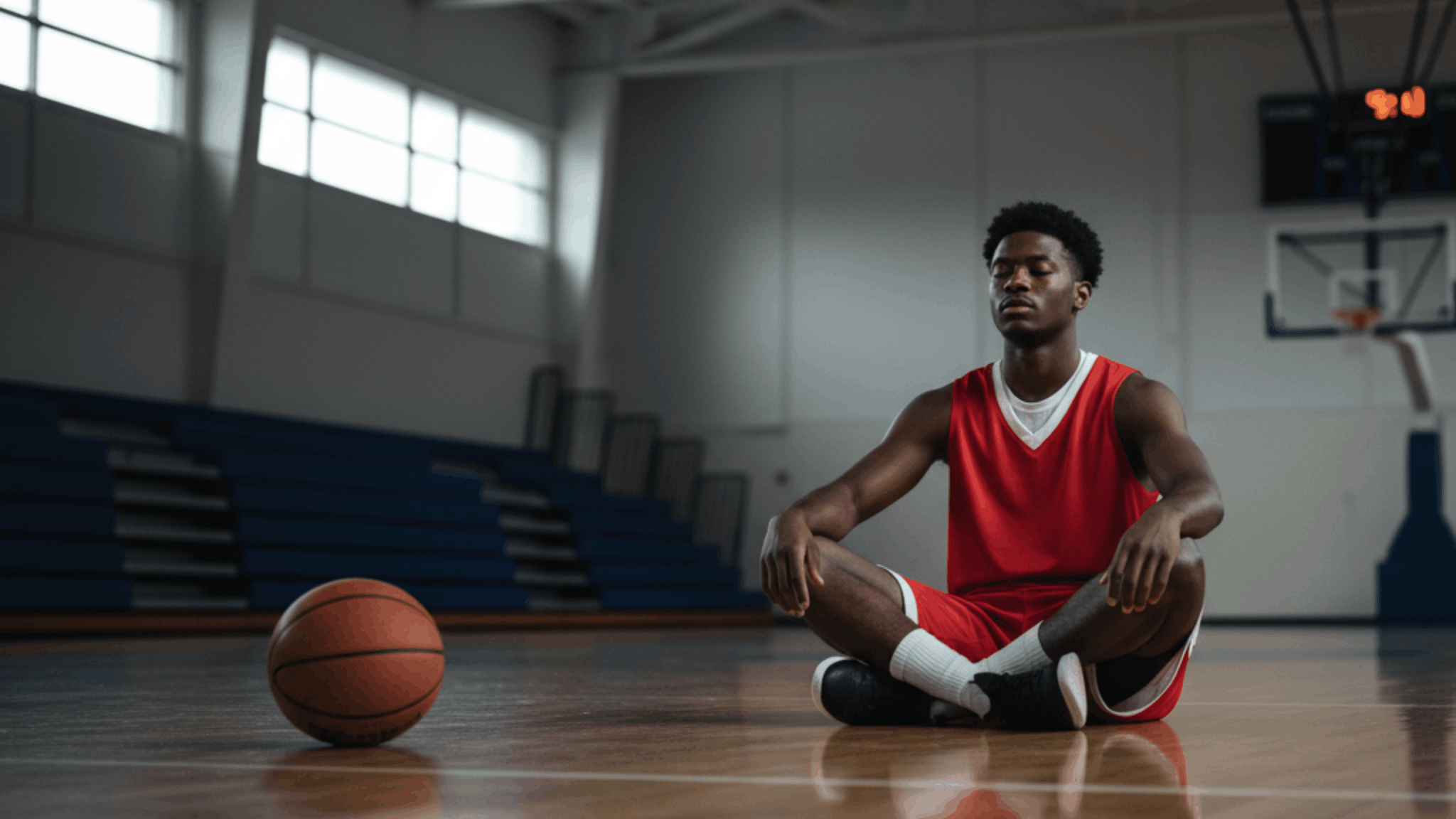

In the world of sports, mental focus is just as crucial as physical skills. Athletes often discover that their athletic performance reaches its true potential only when the mind and body work in harmony. The ability to maintain focus during high-pressure situations is what separates good athletes from great ones. Even the most physically gifted competitors can struggle if they lack the mental discipline to handle distractions and stress.
Understanding Focus as a Trainable Skill
Focus in sports isn’t a fixed trait, it’s a trainable skill. Just like strength, endurance, or agility, the ability to concentrate can be developed through consistent mental training. In sport psychology, focus refers to directing one’s attention to relevant cues and maintaining that attention over long periods, even amid distractions.
Developing mental focus enhances:
- Performance consistency
- Decision-making under pressure
- Recovery after mistakes
- Emotional control during competitions
By training the mind alongside the body, athletes unlock a more powerful and balanced approach to peak performance.
The Importance of Focus in Sports
The impact of focus on athletic performance cannot be overstated. Focus determines how well an athlete can:
- Block distractions
- Stay in the present moment
- Execute precise movements
- React under stress
When athletes remain mentally sharp, they manage heart rate and arousal levels better, reducing the risk of “choking” under pressure situations. This ability to stay composed gives them a competitive edge.
Mindfulness and Meditation
Mindfulness and meditation are powerful tools for improving concentration and emotional control. These techniques train the brain to remain calm, attentive, and adaptable during stressful scenarios.
Benefits:
- Improves present-moment awareness
- Reduces anxiety and overthinking
- Enhances focus and confidence
How to Practice:
Start with deep breathing techniques such as diaphragmatic breathing, inhale deeply into your abdomen, hold for a moment, and exhale slowly. This calms your heart rate and keeps your mind centered. Meditation apps or guided sessions can also help reinforce mental clarity before or after training.
Visualization and Imagery
Visualization, or mental imagery, allows athletes to mentally rehearse successful performances before they happen. By imagining perfect execution, such as scoring a goal, landing a jump, or making a precise pass, athletes strengthen neural pathways that enhance real-world performance.
How to Apply:
- Find a quiet environment.
- Take deep breaths to relax.
- Picture yourself performing your sport with confidence.
- Engage all senses, feel the movement, hear the crowd, notice your breathing rhythm.
This practice builds familiarity and confidence, making high-pressure moments feel natural and manageable.
Positive Self-Talk
Your inner voice has immense power over your ability to focus. Positive self-talk strengthens confidence, motivation, and composure during competitions.
Examples:
- I am fully prepared and focused for this moment.
- During performance: “Stay calm. Focus on your technique.”
- After setbacks: “Refocus and move forward.”
Replacing negative thoughts with empowering phrases keeps your mental state stable and your attention on performance, not pressure.
Pre-Performance Routines
A pre-performance routine is a structured sequence of actions and thoughts that prepare an athlete mentally and physically for competition. These routines create consistency and signal the brain that it’s time to perform.
Common Elements:
- Light stretching
- Deep breathing
- Visualization
- Motivational cues
Experiment with routines until you find what helps you enter a focused state. Repetition helps anchor your mental readiness.
Cue Words and Mental Triggers
Cue words and gestures act as quick reminders to regain focus during distractions. These are short, personalized prompts that bring attention back to the task.
Examples:
- A golfer quietly repeats the cue word “smooth” to maintain a controlled and consistent swing.
- A basketball player takes a steady breath and focuses on the cue “breathe” to stay composed before taking a free throw.
- A runner taps their thigh and repeats the cue “drive” to reinforce power and forward momentum at the start of a race.
Keep your cue words simple, positive, and directly linked to your desired performance behavior.
Breathing Techniques
Proper breathing directly influences your heart rate, calmness, and ability to focus. Controlled breathing lowers stress and prevents over-arousal during competition.
Effective Methods:
- Box breathing: Inhale for 4 counts → hold for 4 → exhale for 4 → hold for 4.
- Rhythmic breathing: Match your breathing rhythm with movement (e.g., in for 2 strides, out for 2).
Regular practice enhances focus control and helps manage emotions in high-pressure moments.
Goal Setting for Enhanced Focus
Goal setting sharpens direction and motivation. By using the SMART method, Specific, Measurable, Achievable, Relevant, and Time-bound, athletes can sustain attention over long periods.
- Process goals: Focus on actions (e.g., improving accuracy or footwork).
- Outcome goals: Focus on results (e.g., winning a match).
Prioritizing process goals maintains mental clarity and reduces anxiety about external results.
Focus Recovery Strategies
Even elite athletes lose concentration occasionally. What matters most is how quickly they recover focus.
Quick Reset Techniques:
- Take a deep breath
- Acknowledge distraction without judgment
- Use a cue word to refocus (“next play,” “reset”)
These micro-resets prevent mental spirals and help sustain performance consistency.
Technology and Biofeedback in Focus Training
Modern sport psychology tools like biofeedback and virtual reality enhance traditional focus training.
- Biofeedback: Tracks physiological responses (heart rate, muscle tension) so athletes can learn to regulate them.
- VR Training: Simulates pressure situations, allowing athletes to practice staying focused in realistic environments.
These innovations complement, not replace, mental techniques like mindfulness and self-talk.
Task-Focused Attention
A task-focused mindset prevents athletes from overthinking or succumbing to fear of failure. By keeping attention on controllable actions rather than outcomes, athletes sustain performance even under intense stress.
Examples:
- Swimmers focusing on stroke rhythm instead of competitors
- Tennis players focusing on foot placement, not the score
Training under simulated pressure situations helps athletes adapt and remain composed.
Traditional vs. Modern Focus Techniques
| Technique | Traditional Methods | Modern Tools |
|---|---|---|
| Mindfulness | Breathing exercises, meditation | App-based guided sessions |
| Visualization | Mental rehearsal | Virtual reality simulations |
| Self-Talk | Affirmations, reflection | Biofeedback for stress awareness |
| Focus Recovery | Deep breaths, cue words | Wearables for monitoring mental states |
Frequently Asked Questions
1. Can nutrition affect an athlete’s ability to focus?
Yes. Proper nutrition supports mental clarity and concentration. The brain needs steady fuel from complex carbs, lean proteins, and omega-3 fats to perform well. Skipping meals or eating heavy, processed foods can cause fatigue, while staying hydrated helps maintain focus and reaction time during competition.
2. How does sleep impact focus and athletic performance?
Sleep is crucial for both physical recovery and mental focus. During deep sleep, the brain restores energy, repairs tissues, and balances circadian patterns. Lack of sleep raises heart rate and cortisol, leading to slower reactions and poor concentration. Aim for 7–9 hours nightly to stay sharp under pressure.
3. Can team dynamics influence focus in sports?
Definitely. A supportive, positive team environment reduces stress and distraction, helping athletes maintain focus and confidence. In contrast, poor communication or tension can harm mental readiness. Building trust and teamwork enhances overall athletic performance and focus during high-pressure moments.
Final Thoughts
Your athletic performance doesn’t rely solely on physical ability, it thrives when paired with mental strength. By integrating breathing techniques, mindfulness, visualization, and structured routines, you enhance both your ability to focus and your resilience under high pressure. Whether you’re training for endurance, precision, or consistency, mastering mental focus transforms good athletes into great ones..